You’re likely here because you’re feeling the pinch of rising costs, or perhaps you simply want to have more control over your hard-earned money. You’re not alone. Many people find themselves looking for ways to reduce their monthly expenses, and for good reason. Lowering your financial obligations not only frees up cash for savings, investments, or discretionary spending, but it also provides a significant sense of relief and security. This article is your guide to achieving that goal. We’ll explore a variety of strategies you can implement to trim down your monthly bills and build a more robust financial future.
Before you can effectively reduce your expenses, you need to have a crystal-clear understanding of where your money is going. This isn’t about judgment; it’s about gaining awareness. Think of it as taking a diagnostic test for your finances. Without this crucial first step, any attempts at cutting back will be shot in the dark. You might be making arbitrary cuts that don’t address the biggest drains on your budget, or you could be sacrificing things that are genuinely important to you without realizing there are easier, more impactful ways to save.
Tracking Every Dollar: The Foundation of Financial Awareness
The most fundamental step in understanding your spending is diligent tracking. You need to become a financial detective, meticulously documenting every single outgoing transaction. This might seem tedious at first, but the insights you gain are invaluable. Think of it as gathering evidence to build your case for financial freedom.
Utilizing Budgeting Apps and Software
Gone are the days of manually scribbling in a notebook (though that still works!). Today, a plethora of user-friendly budgeting apps and software are available to simplify this process. These tools often link directly to your bank accounts and credit cards, automatically categorizing your expenses. You can then review these categories to see exactly where your money is being spent. Popular options include Mint, YNAB (You Need A Budget), PocketGuard, and Personal Capital. Each offers a slightly different approach, so explore a few to find one that resonates with your style.
The Power of Spreadsheets
If you prefer a more hands-on approach or have specific needs, a well-designed spreadsheet can be your best friend. You can create columns for date, vendor, category (e.g., groceries, rent, entertainment, utilities), and amount. Many templates are available online, or you can build your own from scratch. The act of manually entering data can also foster a deeper connection with your spending habits.
The Manual Method: Pen and Paper
Don’t underestimate the classic pen-and-paper method. Some people find that the physical act of writing down each expense helps them to be more intentional. Keep a small notebook with you at all times and jot down every purchase as it happens. At the end of each day or week, consolidate these notes into a more organized log.
Categorizing Your Expenses: Identifying the Big Ticket Items
Once you’ve tracked your spending for a month or two, it’s time to group your expenses into meaningful categories. This allows you to see patterns and identify which areas are consuming the largest portion of your income. This is where you’ll start spotting the opportunities for significant savings.
Fixed Expenses: The Non-Negotiables (Mostly)
These are the bills that generally remain the same each month and are often difficult to change in the short term. However, even here, there can be room for negotiation and savings.
Housing Costs: Rent or Mortgage Payments
Your housing is likely your largest single expense. While you can’t easily change your mortgage payment overnight, explore options like refinancing if interest rates have dropped significantly since you took out your loan. If you rent, consider if relocating to a more affordable area or a smaller dwelling is a viable long-term goal.
Transportation: Car Payments and Insurance
Car payments are usually fixed, but insurance premiums can be shopped around for. Don’t assume your current premium is the best you can get. Regularly comparing quotes from different providers can lead to substantial savings.
Loan Repayments: Student Loans, Personal Loans
These are typically fixed obligations. Focus on making timely payments to avoid late fees and interest. For student loans, investigate income-driven repayment plans if your financial situation has changed.
Variable Expenses: Areas with More Flexibility
These are the costs that fluctuate from month to month and offer the most immediate opportunities for reduction. This is where you have the most control.
Groceries: Eating Well Without Breaking the Bank
This is a common area where people overspend. By being strategic, you can significantly reduce your grocery bill.
Dining Out and Entertainment: The Temptation Trap
While enjoyable, these can quickly become a major drain on your budget if not managed consciously.
Utilities: Electricity, Gas, Water
While some fluctuation is normal, often simple behavioral changes can lead to lower utility bills.
Analyzing Your Patterns: Where is Your Money Truly Going?
With your expenses categorized and tracked, take a hard look at the data. Are you consistently overspending in certain areas? Are there subscriptions you’re paying for but rarely use? Are you buying on impulse? This analysis is the crucial bridge between knowing where your money goes and deciding where you want it to go.
If you’re looking for effective strategies to lower your monthly financial obligations, you might find valuable insights in this related article. It offers practical tips on budgeting, refinancing loans, and negotiating bills to help you manage your expenses more efficiently. For more information, check out the article here: How to Lower Monthly Financial Obligations.
Strategic Cuts for Significant Savings
Now that you have a clear picture of your financial landscape, it’s time to implement strategic cuts. This isn’t about deprivation; it’s about making conscious choices that align with your financial goals. You’ll be surprised at how many small adjustments can add up to substantial savings over time.
Reducing Food and Dining Costs: Smart Strategies for Your Wallet
Food is a necessity, but how you acquire and consume it can drastically impact your budget. This is often one of the most fruitful areas for expense reduction, as most people have some flexibility here.
Meal Planning: The Cornerstone of Grocery Savings
This is perhaps the single most effective strategy for cutting your grocery bill. Sit down once a week (perhaps on a Sunday) and plan out every meal for the coming week, including breakfast, lunch, and dinner.
Creating a Shopping List and Sticking to It
Once you have your meal plan, create a detailed shopping list based on the ingredients you’ll need. When you’re at the grocery store, resist the urge to buy items that aren’t on your list. Impulse buys at the grocery store are a major budget killer.
Buying in Bulk (Strategically)
For non-perishable items that you use regularly, buying in bulk can be cost-effective. However, be sure you’ll actually use everything before it expires or goes bad. Consider splitting bulk purchases with friends or family.
Embracing Store Brands and Generic Options
Many store brands are just as good as their name-brand counterparts, but at a significantly lower price. Make a point to compare the ingredients and nutritional information.
Reducing Food Waste: Using What You Buy
A significant portion of food purchased ends up in the trash. Implement strategies to reduce waste, such as properly storing leftovers, using forgotten produce in soups or smoothies, and planning meals around ingredients that are nearing their expiration date.
Smart Dining Out Strategies: Enjoying Meals Out Without Overspending
Eating out is a luxury, and like all luxuries, its frequency and cost can be managed.
The “Cook One, Eat Out One” Rule
For every meal you eat out, commit to cooking at home for one or two meals. This creates a healthy balance and keeps your spending in check.
Lunch Instead of Dinner
Restaurant dinners are almost always more expensive than lunches. If you crave a restaurant experience, consider going for lunch specials or happy hour deals.
Bringing Your Own Lunch to Work or School
Packing your lunch is a huge saver compared to buying it daily. Invest in a good quality lunchbox and reusable containers.
Utilizing Coupons and Deals
Look for restaurant coupons, daily deals, and loyalty programs. Sometimes, even a small discount can make a difference.
If you’re looking to lower your monthly financial obligations, exploring various strategies can be incredibly beneficial. One effective approach is to consolidate your debts, which can help reduce interest rates and simplify your payments. Additionally, reviewing your subscriptions and cutting unnecessary expenses can free up cash flow. For more detailed insights on managing your finances and reducing your obligations, you can check out this informative article on how to lower monthly financial obligations. Implementing these tips can lead to a more manageable budget and greater financial freedom.
Cutting Down on Entertainment and Discretionary Spending
This category often includes impulse purchases, costly hobbies, and frequent outings. While enjoyable, these are prime candidates for adjustment.
Reimagining Entertainment: Free and Low-Cost Options
You don’t need to spend a fortune to have fun. There are countless ways to be entertained without breaking the bank.
Exploring Local Parks and Nature Trails
Many communities offer beautiful parks, hiking trails, and natural areas that are free to access.
Visiting Public Libraries
Libraries are treasure troves of free books, movies, and often host free events and workshops.
Attending Free Community Events
Check your local listings for free concerts, festivals, farmers’ markets, and other community gatherings.
Game Nights and Potlucks with Friends
Host a board game night or a potluck dinner with friends. This provides social interaction and entertainment without the high cost of going out.
Subscription Service Audit: Are You Paying for What You Use?
In the age of streaming services, gym memberships, and app subscriptions, it’s easy to accumulate a long list of recurring charges that you may not even utilize fully.
Cancelling Unused Subscriptions
Go through your bank statements and credit card bills with a fine-tooth comb. Identify every recurring charge for a service you haven’t used in weeks or months. Cancel them immediately.
Sharing Accounts (Responsibly)
Some streaming services and apps allow for account sharing. If you have family or close friends who would also use the service, consider sharing the cost. Ensure you agree on clear rules for usage.
Negotiating or Downgrading Services
If you find yourself paying for premium features you don’t need, see if you can downgrade to a cheaper plan. For some services, you might even be able to negotiate a better rate.
Optimizing Your Utilities: Making Your Home More Efficient
While some utility costs are unavoidable, there are many ways to reduce your consumption and, consequently, your bills. Focus on making your home more efficient.
Energy Conservation Habits: Simple Changes, Big Impact
Small behavioral changes can lead to significant energy savings.
Turning Off Lights and Electronics When Not in Use
This is basic but often overlooked. Be mindful of phantom power drain from electronics that are plugged in but not in active use. Consider using smart power strips.
Adjusting Your Thermostat
In the summer, set your thermostat a few degrees higher when you’re not home. In the winter, do the opposite. Programmable or smart thermostats can automate this process.
Reducing Water Consumption
Take shorter showers, fix leaky faucets and toilets immediately, and only run your dishwasher and washing machine when they are full.
Investing in Energy-Efficient Appliances and Lighting
While this involves an upfront cost, it can lead to long-term savings.
LED Light Bulbs
Switching to LED bulbs uses significantly less energy than incandescent bulbs and lasts much longer.
Energy-Efficient Appliances
When it’s time to replace major appliances, look for ENERGY STAR certified models. They are designed to be more efficient and consume less energy.
Negotiating and Reducing Recurring Bills

Many of your monthly financial obligations are recurring bills that you pay month after month. These are excellent targets for reduction, as even a small percentage decrease can add up significantly over the year. Don’t shy away from negotiating; you might be surprised how willing companies are to retain your business.
Your Mobile Phone Bill: More Than Just Talk and Text
In today’s connected world, a mobile phone bill is almost a necessity. However, you might be paying for more than you actually need, or for a plan that’s no longer competitive.
Reviewing Your Data Usage
Are you paying for a high-tier data plan when you rarely even get close to using it? Many providers offer tiered plans based on data consumption. Analyze your actual usage over a few months to determine the most suitable plan for your needs.
Comparing Mobile Carriers and Plans
Don’t get locked into a contract with one provider. Regularly shop around and compare plans from different carriers. Look for introductory offers, family plans, or prepaid options that might be more cost-effective.
Exploring MVNOs (Mobile Virtual Network Operators)
MVNOs like Mint Mobile, Visible, and Google Fi use the same cellular networks as major carriers but often offer significantly lower prices. This can be a fantastic way to save on your phone bill.
Negotiating with Your Current Provider
If you’re hesitant to switch, call your current provider and express your desire to lower your bill. Mention competitor prices you’ve found. They may offer discounts or better plans to keep you as a customer.
Home Internet and Cable Services: Bundle or Unbundle?
These services can be a significant monthly expense. It’s worth evaluating whether you’re getting the best value for your money.
Analyzing Your Internet Speed Needs
Do you truly need the highest-speed internet package available? For most casual users, a mid-tier plan is more than sufficient. Overpaying for speed you don’t utilize is a common pitfall.
Bundling vs. Unbundling Services
Some providers offer discounts when you bundle internet, cable TV, and phone services. However, other times, unbundling and purchasing services from different providers can be cheaper. Do the math to see what works best for you.
Exploring Alternative Providers and Streaming Services
Consider cutting the cord on traditional cable TV entirely and relying on streaming services. Look into smaller, regional internet providers who might offer more competitive rates.
The Power of the Phone Call: Negotiating Your Bills
Similar to your mobile bill, call your internet and cable provider and inquire about discounts or promotions. Mentioning competitor offers can be a powerful negotiation tactic. They might offer a temporary discount or a better package to retain your business.
Insurance Policies: Finding the Right Coverage at the Right Price
Insurance protects you from financial disaster, but it shouldn’t break the bank. Regularly reviewing your policies and shopping around can lead to significant savings.
Car Insurance: Beyond the Deductible
Your car insurance premium is influenced by many factors.
Shopping Around for Quotes
This cannot be stressed enough. Get quotes from at least three to five different insurance companies at least once a year, and especially before your policy renews. Minor policy changes can significantly impact your premium.
Increasing Your Deductible (With Caution)
A higher deductible means you pay more out-of-pocket if you file a claim, but it lowers your monthly premium. Assess your financial readiness to handle a higher deductible before making this change.
Bundling Your Policies
If you have your car insurance with one company and your home or renter’s insurance with another, see if both can be bundled with a single provider. Many companies offer discounts for bundling.
Safe Driver Discounts and Other Reductions
Ask your insurance provider about all available discounts. This could include discounts for good grades (if you have a teen driver), low mileage, anti-theft devices, or completing a defensive driving course.
Homeowner’s or Renter’s Insurance: Protecting Your Belongings
The principles for homeowner’s or renter’s insurance are similar to auto insurance.
Reassessing Your Coverage Needs
As your possessions change or your home’s value fluctuates, your coverage needs may also change. Ensure you’re not over-insured or under-insured.
Comparing Insurance Quotes Regularly
Just like with car insurance, get quotes from multiple providers. The market can be competitive, and you might find significant savings.
Installing Security Systems and Safety Features
Some insurance companies offer discounts for installing smoke detectors, carbon monoxide detectors, security systems, or deadbolt locks.
Lifestyle Adjustments for Long-Term Financial Health
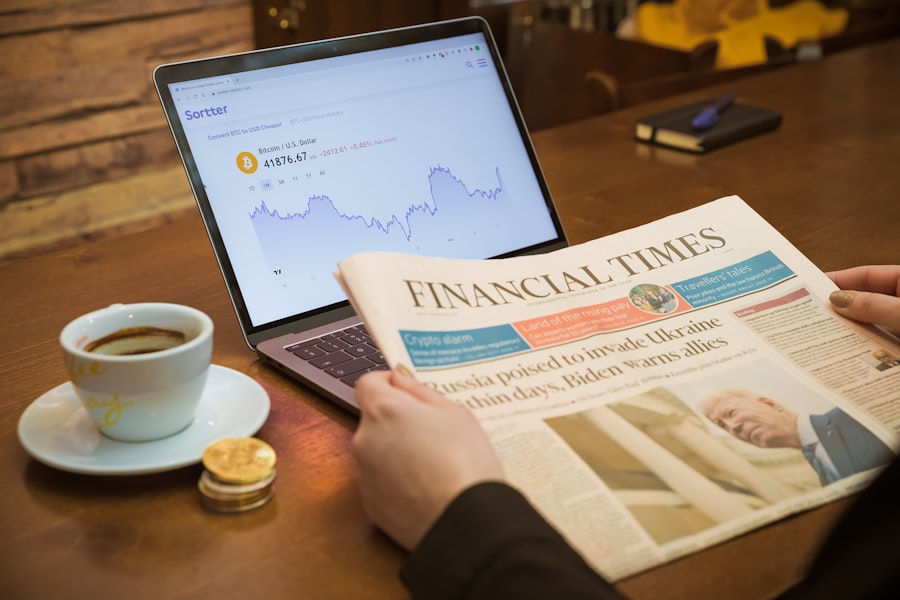
Beyond specific bill reductions, adopting certain lifestyle adjustments can create a more sustainable and financially secure future. These are the habits that, once ingrained, will continually contribute to lower expenses and greater financial freedom.
Embracing a Frugal Mindset: Conscious Consumption
A frugal mindset isn’t about living in misery; it’s about being intentional with your resources and appreciating what you have. It’s about understanding the difference between needs and wants.
Prioritizing Needs Over Wants: The Essential vs. the Desirable
This is a fundamental principle. Before making any purchase, ask yourself: “Do I truly need this, or do I simply want it?” This simple question can prevent many impulse buys and unnecessary expenses.
Practicing Delayed Gratification: The Power of Waiting
Instead of buying something immediately, give yourself a cooling-off period. A day, a week, or even a month. Often, the urge to buy will pass, or you’ll realize you don’t need the item as much as you thought.
Finding Joy in Simplicity
Cultivate an appreciation for life’s simple pleasures that don’t cost money. This could be spending time with loved ones, enjoying nature, reading a book, or engaging in a creative hobby.
DIY and Repair Culture: Doing It Yourself
In a society that often encourages discarding and replacing, embracing a DIY spirit can save you a considerable amount of money.
Basic Home Repairs and Maintenance
Learning to handle small home repairs, such as fixing a leaky faucet, patching drywall, or changing an air filter, can save you the cost of calling a handyman. There are countless online tutorials and resources available.
Clothing and Accessory Care
Learn how to mend torn clothes, darn socks, or polish your shoes. Proper care can extend the life of your belongings significantly.
Basic Car Maintenance
Understanding how to check your tire pressure, change your oil (or at least knowing when it’s due), and top up your windshield wiper fluid can save you money on minor car maintenance.
The Benefits of a Stronger Savings Habit
While this article focuses on reducing expenses, it’s crucial to remember why you’re doing it. The savings you achieve should ideally be directed towards building a stronger savings habit.
Emergency Fund: Your Financial Safety Net
An emergency fund is critical for unexpected expenses like medical bills, job loss, or major home repairs. Aim to build up an emergency fund that covers 3-6 months of your essential living expenses. This fund prevents you from going into debt when life throws you a curveball.
Savings for Future Goals: Big or Small
Once your emergency fund is established, you can start saving for other goals. This could include a down payment on a house, a new car, retirement, a vacation, or further education.
The Impact of Compound Interest
The money you save and invest has the potential to grow over time through compound interest. The sooner you start saving and investing, the more time your money has to grow, making your financial future more secure.
By implementing these strategies and cultivating a more mindful approach to your finances, you can significantly reduce your monthly expenses and build a more secure and prosperous future for yourself. The journey to financial well-being is often a marathon, not a sprint, but with consistent effort and smart decisions, you can achieve your financial goals.

You Can Be a Millionaire… and Still Financially Fragile
FAQs
1. What are some strategies for lowering monthly financial obligations?
Some strategies for lowering monthly financial obligations include refinancing loans, negotiating lower interest rates, consolidating debt, cutting unnecessary expenses, and increasing income through side jobs or freelance work.
2. How can refinancing loans help lower monthly financial obligations?
Refinancing loans can help lower monthly financial obligations by securing a lower interest rate, extending the loan term, or consolidating multiple loans into one, resulting in lower monthly payments.
3. What are some tips for negotiating lower interest rates on existing loans?
Tips for negotiating lower interest rates on existing loans include researching current market rates, having a good credit score, demonstrating a history of on-time payments, and being prepared to shop around for better offers.
4. How does debt consolidation help in lowering monthly financial obligations?
Debt consolidation helps in lowering monthly financial obligations by combining multiple debts into one, often with a lower interest rate, resulting in a single, more manageable monthly payment.
5. What are some effective ways to cut unnecessary expenses and reduce monthly financial obligations?
Effective ways to cut unnecessary expenses and reduce monthly financial obligations include creating a budget, tracking spending, prioritizing needs over wants, negotiating lower bills, and finding cheaper alternatives for everyday expenses.