
Ending a storage unit contract can feel like navigating a maze, but with the right knowledge, you can find your way out efficiently. This guide will walk you through the process, ensuring you understand each step and avoid unnecessary complications. Think of this article as your roadmap, charting the course from signing the dotted line to closing the chapter on your storage needs.
Before you even consider packing up your belongings, your primary document is your storage unit agreement. This contract is the bedrock of your relationship with the storage facility, outlining both your rights and responsibilities. It’s not just a formality; it’s a legally binding document that dictates the terms of your rental, including termination procedures.
The Importance of the Written Contract
The written agreement is paramount. It serves as the definitive record of your understanding with the storage facility. Verbal assurances or casual conversations, while potentially helpful, hold little legal weight when disputes arise. Therefore, your first and most crucial step is to locate and meticulously review this document. Treat it like a treasure map; every detail could be key to unlocking your exit.
Key Clauses to Scrutinize
Within this agreement, several clauses warrant special attention. These are the parts that will directly impact your ability to terminate the contract.
Notice Period Requirements
This is arguably the most critical clause. Your contract will specify how much advance notice you must give the storage facility before you intend to vacate. This could range from a few days to an entire month. Failing to adhere to the stipulated notice period can result in additional rental charges. Imagine you’re trying to catch a train; a missed departure time means you’re stuck waiting for the next one, potentially at a cost.
Termination Fees or Penalties
Some contracts may include clauses for early termination fees or penalties. These are designed to compensate the storage facility for the loss of your anticipated rental income. It’s essential to understand if such fees exist and the calculation method. This is akin to a bridge toll – you need to know the fee before you cross.
Lease Renewal Terms
Pay attention to how your lease renews. Is it month-to-month automatically? Does it require a specific action to prevent renewal? Understanding this will prevent you from inadvertently being locked into another rental period.
Deposit Refund Policy
Clarify the conditions under which your security deposit will be returned. Most facilities require the unit to be left clean and undamaged. Knowing these requirements upfront helps you prepare for move-out effectively.
What if You Can’t Find Your Agreement?
If you’ve scoured your files and the contract remains elusive, don’t panic. Most storage facilities keep copies of all signed agreements. You have the right to request a copy from them. Be prepared to provide your name, unit number, and potentially some form of identification to verify your identity. This is like asking for a duplicate key when you’ve misplaced the original; the lock is still there, and a copy can be obtained.
If you’re looking for effective strategies to exit a storage unit contract quickly, you might find valuable insights in this related article on managing your storage needs. It provides practical tips and considerations that can help streamline the process. For more information, check out the article here: How to Exit a Storage Unit Contract Fast.
Initiating the Termination Process
Once you have a firm grasp of your contract’s terms, it’s time to formally inform the storage facility of your intention to terminate. This is not a casual announcement; it requires a specific procedure to ensure your termination is officially recognized.
Providing Written Notice
The most common and legally sound method for terminating your contract is through written notice. This creates a clear, documented record of your intent.
Methods of Delivering Written Notice
Your contract might specify how notice should be delivered. Common methods include:
Certified Mail with Return Receipt Requested
This is the gold standard for ensuring proof of delivery. The post office will provide you with a receipt confirming that your notice was sent, and another receipt when it is delivered to the storage facility. This is your irrefutable evidence that you’ve played your part in the communication loop.
Some facilities may accept email as a form of notice, especially if it’s specified in your agreement. However, it’s always best to follow up with a phone call to confirm receipt of your email. Treat email as a digital handshake, but a verbal confirmation is like shaking hands to seal the deal.
In-Person Delivery
You can also deliver your notice in person to the facility’s office. Request a dated and signed acknowledgment of your notice from the facility staff. This is like getting a signed autograph confirming your presence and action.
Notifying by Phone
While a phone call alone is rarely sufficient for formal termination, it can be a good initial step to inquire about the facility’s specific termination procedures or to confirm receipt of your written notice. However, always remember that verbal agreements do not replace written obligations in this context. Think of it as a preparatory conversation before the formal signing of a peace treaty.
Documenting Your Conversations
If you do speak with someone by phone, make notes of the date, time, name of the person you spoke with, and the key points of the conversation. This documentation can be valuable if any discrepancies arise later.
Preparing Your Storage Unit for Vacancy
The final act in your storage unit narrative is preparing the unit for inspection and handover. This stage requires diligence to ensure you meet all contractual obligations and secure the refund of your security deposit.
Emptying the Unit Completely
This may seem obvious, but it’s crucial to ensure the unit is entirely empty. Every box, every forgotten item, no matter how small, needs to be removed. Leaving anything behind can be construed as not vacating the premises and could lead to additional charges or forfeiture of your deposit. Think of it as clearing the stage completely after a performance; no props should be left behind.
The Difference Between Empty and Clean
It’s important to distinguish between emptying a unit and cleaning it. While emptying means removing all your possessions, cleaning involves a more thorough process.
Cleaning Requirements
Your contract will likely outline specific cleaning requirements. This could include sweeping the floor, wiping down shelves, and ensuring the unit is free of debris, cobwebs, and any signs of pest infestation. A clean unit is a testament to your responsible tenancy.
Minor Repairs
If there are any minor damages that you caused, such as small scuffs on the walls, it’s often best to address them yourself if you have the skills and materials. This can sometimes be more cost-effective than having the facility bill you for repairs at a potentially higher rate.
Handling Your Belongings
As you empty the unit, consider the onward journey of your belongings.
Sorting and Distributing Items
This is an excellent opportunity to re-evaluate your possessions. As you remove items from storage, ask yourself if you truly need them. Consider donating, selling, or discarding items you no longer use. This streamlines your move-out and prevents you from simply shifting clutter from one location to another.
Protecting Your Deposit
Thorough cleaning and ensuring the unit is in its original condition are key to reclaiming your security deposit. Any damage beyond normal wear and tear can be deducted from this amount. Treat the unit as you would your own home; a little care goes a long way.
The Final Walk-Through and Key Return
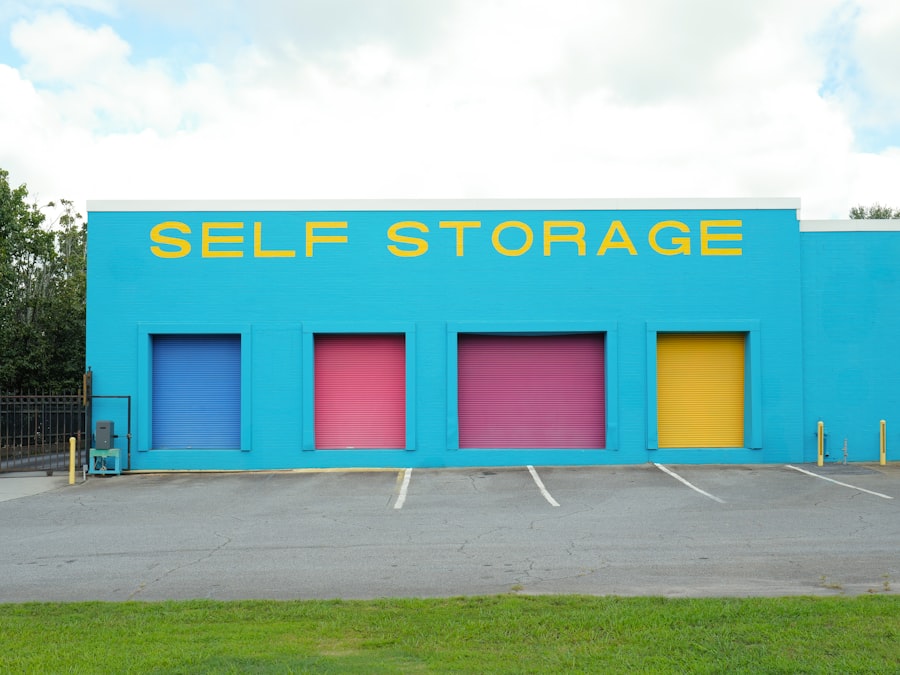
The culmination of your storage unit lease is the final walk-through and the return of your keys. This is the formal handover process that signals the end of your contractual obligation.
Scheduling the Walk-Through
Contact the storage facility to schedule your final walk-through inspection. This allows them to assess the unit’s condition and confirm that it has been vacated according to the terms of your agreement.
What Happens During the Walk-Through
During the walk-through, a representative from the storage facility will accompany you into the unit to inspect its condition. They will be looking for:
Absence of Belongings
Confirming the unit is completely empty.
Cleanliness
Verifying that the unit meets the cleaning standards outlined in your contract.
Undamaged State
Checking for any significant scratches, dents, or other damage to the unit’s walls, floor, or door.
Returning the Keys
Once the walk-through is complete and approved, you will be required to return your keys. This is often the official moment that your access to the unit is terminated. Ensure you receive confirmation that the keys have been returned and that your rental period has officially concluded. This is the final click of the lock, signifying closure.
Obtaining a Signed Release
In some cases, it may be beneficial to obtain a signed release form from the storage facility acknowledging that you have vacated the unit and returned the keys. This serves as further documentation of your completed exit.
If you find yourself needing to exit a storage unit contract quickly, it’s important to understand the specific terms and conditions outlined in your agreement. For further guidance on this topic, you can refer to a helpful article that provides insights on navigating such situations effectively. To learn more about the steps you can take, check out this informative resource that offers practical advice on managing storage contracts and ensuring a smooth exit process.
Potential Pitfalls and How to Avoid Them
| Method | Estimated Time to Exit | Key Steps | Potential Costs | Notes |
|---|---|---|---|---|
| Early Termination Clause | 1-2 weeks | Review contract, notify storage company in writing, pay any early termination fees | Early termination fee (varies) | Check contract for specific terms and fees |
| Transfer Lease to Another Person | 1-3 weeks | Find a replacement renter, get approval from storage company, complete transfer paperwork | Possible administrative fee | Requires storage company approval |
| Pay for Remaining Term and Vacate | Immediate to contract end | Pay remaining rent, remove belongings, return unit key | Cost of remaining rent | No penalties, but pay full contract amount |
| Negotiate with Storage Company | Varies (few days to weeks) | Contact management, explain situation, request early release or fee reduction | Varies based on negotiation | Success depends on company policies |
| Use Month-to-Month Contract | 30 days notice | Switch to month-to-month if possible, give 30 days notice | Standard monthly rent | Allows flexible exit with notice |
Even with careful planning, there are potential pitfalls that can complicate your storage unit termination. Being aware of these can help you avoid them.
Overlooking the Notice Period
The most common mistake is not providing sufficient notice. This can lead to being charged for an extra month of rent. Always double-check your contract for the exact notice period required and mark it on your calendar.
Assuming a Verbal Agreement is Sufficient
As mentioned, verbal agreements rarely stand up in contractual disputes. Always ensure all significant communications are in writing.
Leaving Items Behind
This is not only a hassle but can also incur additional fees. Take the time to thoroughly empty every corner of the unit.
Not Documenting Everything
From initial communications to the final walk-through, keep records of everything. This documentation is your shield if any disagreements arise.
The Importance of Proactive Communication
Being proactive and communicating clearly with the storage facility throughout the process can prevent many potential issues. Don’t wait until the last minute to address concerns or ask questions.
Understanding Dispute Resolution
If you find yourself in a dispute with the storage facility, review your contract for any clauses related to dispute resolution. This might involve mediation or arbitration. This is your contingency plan, the emergency exit if the main path becomes blocked.
By approaching the termination of your storage unit contract with diligence, a thorough understanding of your agreement, and clear communication, you can ensure a smooth and efficient exit, leaving no loose ends and no unnecessary charges.

WATCH NOW ▶️ WARNING: Why Private Equity is Stealing Your Wealth (and Your Home)
FAQs
1. Can I terminate a storage unit contract early?
Yes, most storage unit contracts allow for early termination, but the specific terms and any associated fees depend on the rental agreement you signed.
2. What steps should I take to exit a storage unit contract quickly?
To exit quickly, notify the storage facility in writing of your intent to terminate, remove all your belongings by the required date, and settle any outstanding payments.
3. Are there penalties for ending a storage unit contract before the lease term ends?
Some facilities may charge early termination fees or require payment for the remainder of the lease term, so review your contract carefully to understand any penalties.
4. Can I transfer my storage unit contract to someone else?
Some storage facilities allow contract transfers or subleasing, which can be a fast way to exit your contract, but this depends on the facility’s policies.
5. How much notice do I need to give before ending a storage unit rental?
Notice requirements vary, but typically you must provide at least 15 to 30 days’ written notice before vacating the unit to avoid additional charges.