
Recessions are an undeniable part of the economic cycle. While the prospect of a downturn can be daunting, it doesn’t have to mean the annihilation of your hard-earned wealth. Instead, view it as an opportunity to implement smart, proactive strategies that not only safeguard what you have but can even position you for future growth. This guide is designed to equip you with the knowledge and actionable steps to protect your wealth and navigate economic uncertainty with confidence.
Before you can effectively protect your wealth, you need to have a clear understanding of what a recession entails and how it typically impacts various aspects of your finances. It’s not just about stock market dips; it’s about a broader slowdown that affects jobs, consumer spending, business investment, and ultimately, the value of your assets.
What Constitutes a Recession?
Economists generally define a recession as a significant, widespread, and prolonged downturn in economic activity. The most common metric used is two consecutive quarters of negative Gross Domestic Product (GDP) growth. However, a recession is more than just a number. You’ll often observe key indicators such as:
Declining Gross Domestic Product (GDP)
This is the broadest measure of economic output. A shrinking GDP indicates that businesses are producing fewer goods and services, leading to reduced incomes and employment.
Rising Unemployment Rates
As businesses face reduced demand and revenue, they often resort to layoffs to cut costs. This leads to an increase in the number of people actively seeking jobs but unable to find them.
Decreased Consumer Spending
With job insecurity and a general sense of economic unease, consumers tend to tighten their belts. They postpone discretionary purchases, reduce spending on non-essential items, and prioritize necessities.
Falling Business Investment
Businesses become hesitant to invest in new equipment, research, or expansion when the economic outlook is uncertain. This further stifles economic growth and job creation.
Impact on Financial Markets
Stock markets are often forward-looking and can react sharply to recessionary fears. You’ll typically see a decline in stock prices as investors sell off assets in anticipation of lower corporate earnings and economic contraction. Bond yields may also fluctuate, with a general flight to perceived safety.
Identifying Early Warning Signs
Being vigilant about early warning signs can give you a crucial advantage in preparing for a recession. While no one can predict the exact timing or severity, certain indicators can signal a potential slowdown.
Inverted Yield Curve
This is a classic recession predictor. It occurs when short-term government bond yields are higher than long-term government bond yields. This suggests that investors expect interest rates to fall in the future, often due to an anticipated economic slowdown.
Flattening or Declining Consumer Confidence
Surveys measuring consumer sentiment can provide insights into how people feel about the current and future economic conditions. A sharp drop in consumer confidence often precedes a decrease in spending.
Manufacturing Slowdown
Indicators like the Purchasing Managers’ Index (PMI) for the manufacturing sector can signal a contraction in production, new orders, and employment within this key industry.
Rising Inventories
When businesses find that their products aren’t selling as quickly as anticipated, their inventories begin to build up. This can be a sign of weakening demand.
Decline in Housing Market Activity
A slowdown in housing starts, sales, and rising home inventory can indicate a broader economic cooling.
In times of economic uncertainty, safeguarding your wealth becomes a top priority. A valuable resource that offers insights on this topic is the article found at How to Protect Your Wealth During a Recession. This article provides practical strategies for preserving your financial stability, including diversifying your investments, maintaining an emergency fund, and considering alternative assets. By following the advice outlined in this piece, you can better navigate the challenges posed by a recession and protect your financial future.
Diversification as Your Foundation for Protection
Diversification is not just a buzzword; it’s the cornerstone of any robust wealth protection strategy, especially during economic downturns. The principle is simple: don’t put all your eggs in one basket. By spreading your investments across different asset classes, industries, and geographical regions, you mitigate the risk of a single negative event decimating your entire portfolio.
The Power of Asset Allocation
Asset allocation refers to how you divide your investment portfolio among different asset categories. During a recession, a well-diversified allocation can cushion the blow of losses in one area by gains in another.
Equities (Stocks)
While stocks are generally considered higher risk, they also offer higher potential returns. During a recession, certain sectors and individual stocks may perform better than others. Defensive sectors like utilities, consumer staples, and healthcare tend to be more resilient as people continue to need these goods and services regardless of economic conditions.
Fixed Income (Bonds)
Bonds are typically considered less volatile than stocks and can provide a steady stream of income. High-quality government bonds (like U.S. Treasuries) are often seen as safe havens during economic turmoil. Corporate bonds can offer higher yields but also carry more risk, especially those issued by companies in vulnerable sectors.
Real Estate
Real estate can be a tangible asset that provides potential for rental income and capital appreciation. However, its performance during a recession can vary significantly depending on location, property type, and market conditions. Some areas may see property values decline, while others remain stable or even increase.
Commodities
Commodities like gold, silver, and oil can act as inflation hedges and safe havens. Gold, in particular, has historically performed well during times of economic uncertainty and currency devaluation.
Alternative Investments
These can include things like private equity, hedge funds, or even art and collectibles. While generally less liquid and sometimes more complex, they can provide further diversification benefits by having low correlation to traditional asset classes.
Spreading Your Bets Within Asset Classes
Simply diversifying across broad asset classes isn’t enough. You also need to diversify within each category.
Sector Diversification in Stocks
Within your equity portfolio, avoid overconcentration in any single industry. For example, if technology stocks are experiencing a downturn, having exposure to healthcare or consumer staples can help offset those losses.
Geographic Diversification
Don’t limit your investments to your home country. Investing in international markets can provide exposure to different economic cycles and opportunities, reducing your reliance on a single economy.
Company-Specific Diversification
Even within a well-performing sector, invest in a range of companies rather than relying on just one or two. This protects you from company-specific scandals or poor management decisions.
Strengthening Your Financial Resilience

Beyond investing, building a strong financial foundation is paramount. This involves having readily accessible funds and minimizing exposure to unnecessary debt, which can become a significant burden during lean economic times.
Building and Maintaining an Emergency Fund
An emergency fund is your first line of defense against unexpected financial shocks, especially those common during recessions. Think of it as financial breathing room.
What is an Emergency Fund?
It’s a pool of money set aside specifically for unforeseen expenses. This could include job loss, a medical emergency, or a significant car repair.
How Much Should You Save?
The general recommendation is to have 3 to 6 months’ worth of essential living expenses saved. During recessionary periods, consider aiming for the higher end of this range or even more if your job security is uncertain.
Where to Keep Your Emergency Fund
Your emergency fund should be easily accessible and relatively safe. High-yield savings accounts, money market accounts, or short-term CDs are good options. Avoid investing this money in volatile assets.
Debt Management and Reduction
High levels of debt can be a significant drag on your finances, especially when interest rates may be higher or your income is less stable. Proactively managing and reducing debt beforehand can significantly improve your resilience.
Prioritizing High-Interest Debt
Focus on paying down debts with the highest interest rates first, such as credit card balances. These costs can quickly escalate and eat into your savings.
Avoiding New Debt
During uncertain economic times, be extremely judicious about taking on new debt. Reassess the necessity of any significant purchases that require borrowing.
Considering Debt Consolidation or Refinancing
If you have multiple high-interest debts, exploring options like debt consolidation loans or refinancing existing mortgages or car loans could potentially lower your monthly payments and overall interest paid.
Creating a Realistic Budget
A well-defined budget is your roadmap for managing your money. During a recession, it becomes even more critical for identifying areas where you can cut back and conserve resources.
Tracking Your Income and Expenses
Understand exactly where your money is coming from and where it’s going. Use budgeting apps, spreadsheets, or even pen and paper.
Identifying Non-Essential Spending
Look for areas where you can reduce or eliminate discretionary spending. This might include dining out, entertainment, subscriptions, or impulse purchases.
Adjusting Your Spending Habits
Be prepared to make temporary adjustments to your lifestyle to align with your budget. Small sacrifices now can lead to significant savings in the long run.
Reviewing and Adjusting Your Investment Strategy
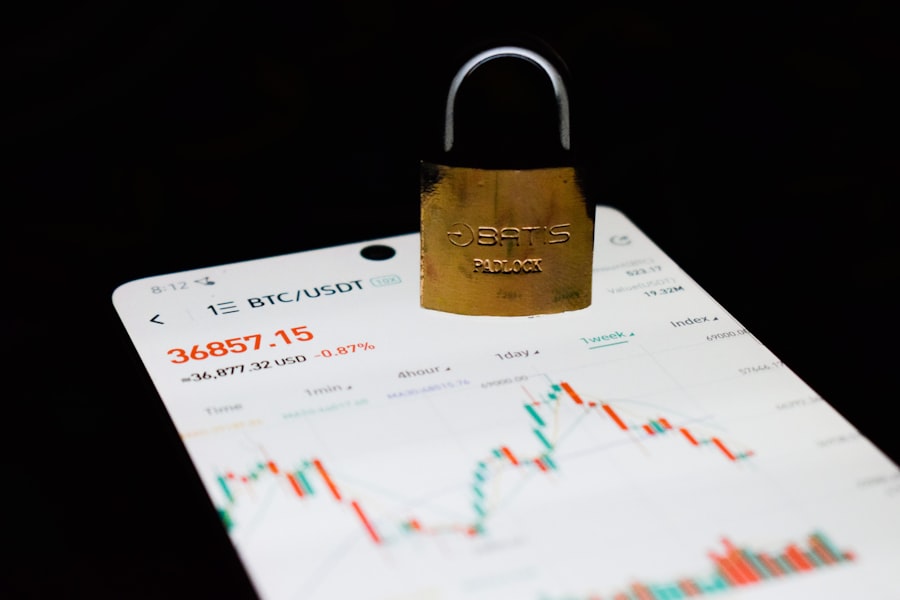
Recessions are not the time to panic and make impulsive decisions with your investments. Instead, they are a catalyst for careful review and strategic adjustments to ensure your portfolio remains aligned with your long-term goals and risk tolerance.
Assessing Your Risk Tolerance in a Recessionary Environment
Your capacity and willingness to take on investment risk can change when economic clouds gather.
Have Your Circumstances Changed?
Are you closer to retirement? Has your income stability decreased? These factors can influence how much risk you can comfortably bear.
Understanding the Impact of Volatility
Recognize that during a recession, market volatility will likely increase. Be prepared for price swings and don’t let fear dictate your decisions.
Seeking Professional Advice
If you’re unsure about your risk tolerance or how to adjust your strategy, consulting a qualified financial advisor is highly recommended. They can provide objective guidance based on your individual situation.
Rebalancing Your Portfolio
Over time, the value of your different asset classes will shift, causing your portfolio’s original asset allocation to drift. Rebalancing brings it back in line with your target.
Understanding the Concept of Rebalancing
Rebalancing involves selling some of your overperforming assets and buying more of your underperforming assets to restore your desired allocation.
When to Rebalance
You can rebalance on a regular schedule (e.g., quarterly or annually) or when your portfolio drifts beyond a certain percentage point from your target allocation.
Benefits of Rebalancing
Rebalancing helps you “buy low and sell high” systematically, which can enhance long-term returns and manage risk.
Considering Defensive Investments
While diversification is key, during a recession, you might want to tilt your portfolio towards assets that are historically more stable or even tend to perform well during downturns.
Dividend-Paying Stocks
Companies that consistently pay dividends can provide a stable income stream, even when their stock price may be volatile. Look for companies with a strong history of dividend payments and a stable business model.
Bonds as a Safe Haven
As mentioned earlier, high-quality government bonds can offer a degree of safety and capital preservation. Their value may increase as interest rates fall in response to economic weakness.
Precious Metals
Gold and silver have long been considered stores of value during times of economic uncertainty and inflation. While they don’t generate income, they can preserve wealth.
In times of economic uncertainty, safeguarding your wealth becomes a top priority, and understanding effective strategies is crucial. One insightful resource that delves into various methods for protecting your assets during a recession can be found in this article. By exploring the tips and techniques outlined, you can better prepare yourself for potential financial challenges. For more detailed information, you can read the full article here: how to protect your wealth during a recession.
Staying Informed and Adapting to Change
| Strategy | Description |
|---|---|
| Diversify Investments | Spread investments across different asset classes to reduce risk. |
| Emergency Fund | Save 3-6 months of living expenses in a liquid, accessible account. |
| Reduce Debt | Pay off high-interest debt to free up cash flow. |
| Invest in Quality Stocks | Focus on companies with strong financials and competitive advantages. |
| Real Estate Investment | Consider real estate as a hedge against inflation and market volatility. |
The economic landscape is dynamic, especially during a recession. Staying informed about economic developments and being willing to adapt your strategies are crucial for protecting and potentially growing your wealth.
Monitoring Economic Indicators and News
Don’t bury your head in the sand. Keep a pulse on what’s happening in the economy.
Reliable News Sources
Follow reputable financial news outlets, economic journals, and government statistical agencies. Be wary of sensationalized headlines and speculative predictions.
Understanding Economic Data Releases
Familiarize yourself with key economic reports like inflation data, unemployment figures, GDP reports, and interest rate announcements. These provide concrete insights into the economy’s health.
Following Central Bank Actions
Central banks, like the Federal Reserve in the U.S., play a significant role in managing economies. Their decisions on interest rates and monetary policy can have a substantial impact on markets and your investments.
Adapting Your Financial Plan
Recessions often require adjustments to your long-term financial plan.
Reassessing Your Goals
Are your original timelines for major life goals still realistic? You may need to adjust your savings targets or the timing of major purchases.
Flexibility in Your Spending
Be prepared to be flexible with your spending plans. If a discretionary purchase can be postponed, it might be wise to do so until economic conditions improve.
Long-Term Vision
Remember that recessions are temporary. While it’s important to protect your wealth in the short term, maintain a long-term perspective. Market downturns can present opportunities for savvy investors.
The Importance of Patience and Discipline
Perhaps the most underappreciated strategy for navigating a recession is simply exercising patience and discipline. Emotional decision-making fueled by fear can be debilitating to your financial health.
Resist the Urge to Panic Sell
Seeing your portfolio decline can be gut-wrenching. However, selling in a panic often locks in losses at the worst possible time. Stick to your long-term strategy.
Avoid Market Timing
Trying to perfectly time the market’s bottom is a futile exercise for most investors. Focus on consistent investing and dollar-cost averaging.
Trust Your Plan
If you’ve built a well-diversified portfolio and have a solid financial plan, trust that it’s designed to weather these storms. Adjustments are important, but radical overhauls based on short-term fear are often detrimental.
By implementing these smart strategies, you can transform the anxiety of a recession into an opportunity to fortify your financial future. Remember, preparation, diversification, resilience, and a disciplined approach are your most powerful allies in protecting your wealth during uncertain economic times.

You Can Be a Millionaire… and Still Financially Fragile
FAQs
1. What is a recession?
A recession is a significant decline in economic activity that lasts for an extended period of time. It is typically characterized by a decrease in GDP, employment, and consumer spending.
2. How can I protect my wealth during a recession?
To protect your wealth during a recession, consider diversifying your investment portfolio, reducing debt, maintaining an emergency fund, and seeking professional financial advice. Additionally, consider investing in assets that tend to perform well during economic downturns, such as gold and other precious metals.
3. What are some common mistakes to avoid during a recession?
Common mistakes to avoid during a recession include panic selling investments, taking on excessive debt, and neglecting to reassess your financial goals and risk tolerance. It’s important to stay informed, remain patient, and avoid making impulsive financial decisions.
4. How can I prepare for a potential recession in advance?
To prepare for a potential recession in advance, consider building a robust emergency fund, paying down high-interest debt, and diversifying your investment portfolio. It’s also important to stay informed about economic indicators and trends that may signal an impending recession.
5. What are some alternative ways to protect wealth during a recession?
In addition to traditional investment strategies, alternative ways to protect wealth during a recession may include investing in real estate, acquiring tangible assets such as art or collectibles, and exploring opportunities in alternative investment vehicles such as hedge funds or private equity. It’s important to carefully consider the risks and potential returns associated with these alternative options.