## Understanding the Erosion of Your Money
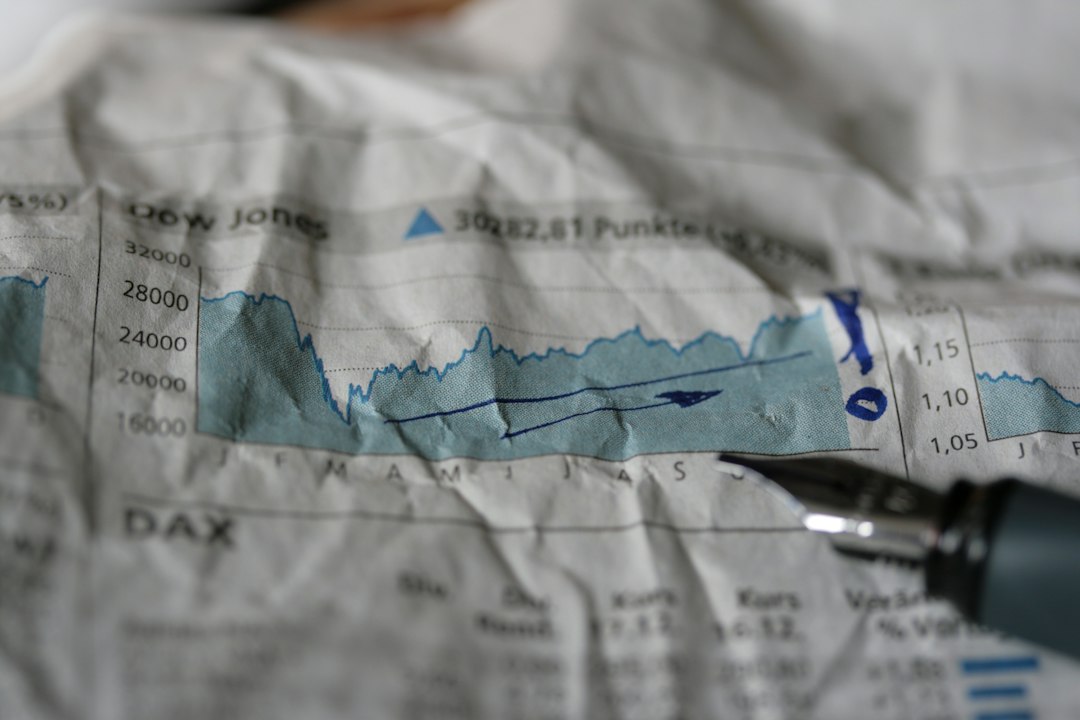
Inflation, a term that’s become an unwelcome constant in recent conversations, directly impacts the purchasing power of your hard-earned money. Imagine this: last year, your $100 could buy you a week’s worth of groceries. This year, due to rising prices, that same $100 might only cover half of your shopping basket. This is the essence of inflation – a general increase in prices and a fall in the purchasing value of money. It’s not just about the cost of a few items going up; it’s about your money effectively becoming less valuable over time. This erosion of purchasing power can feel like a slow drip, but over months and years, it can significantly impact your ability to afford the things you need and want, from daily necessities to long-term goals like retirement.
### The Mechanics of Price Increases
At its core, inflation occurs when there’s too much money chasing too few goods and services. Several factors can contribute to this imbalance. One primary driver is increased demand. When consumers have more money to spend, perhaps due to government stimulus or a booming economy, they tend to buy more. If the supply of goods and services can’t keep up with this surge in demand, businesses can afford to raise prices. Another significant factor is rising production costs. If the raw materials used to make products become more expensive, or if labor costs increase, businesses will often pass these higher costs onto consumers in the form of higher prices. Supply chain disruptions, geopolitical events, and even environmental factors can all impact the availability and cost of goods, further fueling inflation. Consider the recent impact of global supply chain issues on the cost of electronics or the rise in energy prices affecting transportation and manufacturing. These are tangible examples of how complex global factors can translate into higher prices on the shelves.
### Recognizing the Symptoms in Your Budget
You’ll likely first notice the effects of inflation at the checkout counter. Those weekly grocery bills that used to feel manageable might now be creeping up significantly. Your gas tank, once a predictable expense, now costs more to fill. Beyond everyday purchases, inflation can subtly impact your savings. If your savings account is earning interest at a rate lower than the inflation rate, the real value of your savings is actually decreasing. This means that even though you have more money in your account, you can buy less with it than you could before. It’s like watching your money get a haircut while you’re not looking. This can be particularly disheartening when you’re saving for a major purchase, like a down payment on a house or your child’s education. The goalposts for affording these life events can seem to be constantly moving further away.
In times of high inflation, it’s crucial to explore strategies that can help protect your purchasing power. One insightful article that delves into this topic is available at How Wealth Grows, where you can find valuable tips and investment options designed to safeguard your finances during inflationary periods. By understanding the dynamics of inflation and making informed decisions, you can better preserve your wealth and maintain your standard of living.
## Strategic Adjustments to Your Spending Habits
Navigating an inflationary environment requires a proactive and thoughtful approach to your spending. It’s not about drastic deprivation, but rather about making conscious choices that prioritize value and necessity. This involves a critical look at where your money is going and identifying areas where you can trim without sacrificing essential needs or overall quality of life. Think of it as fine-tuning your financial engine to run more efficiently in challenging conditions. The goal is to maintain your financial well-being and ensure that your money continues to serve your needs effectively, even as its purchasing power is under pressure.
### Differentiating Needs from Wants
The first crucial step is to engage in a rigorous assessment of your expenditures. This means taking a close look at your bank statements and credit card bills to understand precisely where your money is being spent. Categorize your spending into “needs” – essential items like housing, utilities, food, healthcare, and transportation – and “wants” – discretionary items such as entertainment, dining out, new gadgets, and expensive subscriptions. During periods of high inflation, it becomes imperative to prioritize your needs. If you find that a significant portion of your budget is allocated to wants, this is where you’ll likely find the most immediate opportunities for savings. Be honest with yourself: is that daily latte a necessity, or could you brew your own at home? Is that third streaming service truly essential for your well-being?
### Smart Shopping and Bulk Buying
When it comes to essential purchases, especially groceries, employing smart shopping strategies can make a considerable difference. This involves more than just finding the lowest prices on individual items. Consider purchasing non-perishable goods in bulk when they are on sale. Items like rice, pasta, canned goods, and cleaning supplies often offer significant savings when bought in larger quantities, provided you have the storage space and will actually use them before they expire. Compare unit prices rather than just the sticker price. For example, a larger container of yogurt might seem more expensive upfront, but if the price per ounce is lower, it represents a better value. Furthermore, embrace meal planning. By planning your meals for the week, you can create a targeted grocery list, reduce impulse purchases, and minimize food waste, all of which contribute to significant savings. Exploring discount grocery stores or outlet malls for certain items can also be a valuable tactic.
### Rethinking Subscriptions and Services
Many households find themselves subscribed to a multitude of services, from streaming platforms and music apps to gym memberships and software. While convenient, these recurring charges can add up, quietly draining your budget. During inflationary times, it’s an opportune moment to audit all of your subscriptions. Ask yourself: are you actively using and deriving value from each service? Could you consolidate services (e.g., switching to a single streaming platform that offers a wider variety of content)? Are there free alternatives available for some of the services you pay for? Consider canceling or downgrading any services that are no longer essential or are underutilized. This can free up a surprising amount of money each month that can be redirected towards more pressing needs or savings.
## Investing Wisely to Outpace Inflation

While adjusting your spending is crucial, it’s equally important to ensure your money is working for you. In an inflationary environment, simply letting your money sit in a low-interest savings account means it’s losing value. Strategic investing becomes a vital tool to not only preserve your purchasing power but also to grow your wealth faster than the rate of inflation. This involves understanding different asset classes and choosing investments that have historically performed well during periods of rising prices. It’s about making your money work harder to keep pace with the increasing cost of living.
### Understanding Inflation-Protected Securities
One of the most direct ways to protect your investments from inflation is to consider Inflation-Protected Securities (IPS). The most common form of these in the United States is Treasury Inflation-Protected Securities (TIPS). The principal value of TIPS is adjusted with inflation, as measured by the Consumer Price Index (CPI). This means that as inflation rises, the principal value of your TIPS increases, and consequently, the interest payments you receive also rise. This offers a built-in hedge against rising prices. While TIPS may not offer the highest potential returns compared to more aggressive investments, they provide a level of security and predictable protection against inflation, making them a cornerstone of an inflation-conscious portfolio. You can invest in TIPS directly through the U.S. Treasury or through mutual funds and ETFs that specialize in these securities.
### Diversifying Your Investment Portfolio
Diversification is a fundamental principle of investing, and it becomes even more critical during periods of economic uncertainty and inflation. Spreading your investments across different asset classes – such as stocks, bonds, real estate, and commodities – can help mitigate risk. Some asset classes tend to perform better than others during inflationary periods. For instance, historically, commodities like gold and oil have shown a tendency to increase in value as inflation rises, acting as a hedge against a declining currency. Equities in certain sectors, particularly those with pricing power (the ability to pass on increased costs to consumers), can also offer a degree of protection. A well-diversified portfolio aims to balance potential growth with risk management, ensuring that a downturn in one asset class doesn’t decimate your entire investment portfolio.
### Considering Real Assets and Commodities
Real assets, such as real estate and commodities, have often been viewed as a hedge against inflation. Real estate, for example, can see its value increase as the cost of construction and land rises due to inflation. Rental income from properties can also be adjusted upwards to reflect the higher cost of living. Commodities, like precious metals (gold, silver) and energy resources, are tangible assets whose prices are often directly influenced by supply and demand dynamics that are themselves affected by inflationary pressures. When the value of fiat currency is eroding, investors often turn to tangible assets as a store of value. However, investing in commodities can be volatile, and it’s important to understand the risks involved. Investing through diversified commodity funds or ETFs can be a more accessible way to gain exposure to this asset class.
## Maximizing Your Income Streams
Protecting your purchasing power isn’t solely about cutting expenses or investing wisely; it’s also about ensuring your income can keep pace with the rising cost of living. In an inflationary environment, your existing salary or income might not be enough to cover your expenses. This makes it essential to explore opportunities to increase your earnings, whether through your current job, side hustles, or other income-generating ventures. The more income you can generate, the better equipped you will be to maintain your lifestyle and achieve your financial goals.
### Negotiating Your Salary Effectively
If you are employed, your current salary is likely your primary source of income. During periods of high inflation, it’s crucial to assess whether your current compensation is keeping pace with the rising cost of living. If it isn’t, you may need to advocate for a raise. This requires preparation. Research the average salary for your role and experience level in your geographic area, and be ready to present a strong case for why you deserve an increase. Highlight your accomplishments, the value you bring to the company, and how your contributions have directly benefited the organization. Frame your request in terms of fair compensation for your skills and market value, especially in light of the increased cost of living. Many companies recognize the need to adjust salaries during inflationary periods to retain valuable employees.
### Exploring Side Hustles and Freelancing Opportunities
Beyond your primary employment, consider diversifying your income streams through side hustles or freelancing. The gig economy has made it more accessible than ever to monetize your skills and time outside of your regular job. If you have a particular expertise, such as writing, graphic design, web development, or accounting, you can offer your services to clients on a freelance basis. Even skills that might seem less conventional, like pet sitting, tutoring, or crafting, can be turned into a source of additional income. Platforms like Upwork, Fiverr, and TaskRabbit can help you connect with potential clients. The beauty of side hustles is that they can provide supplemental income that can directly offset the rising costs of inflation, allowing you to maintain your purchasing power without drastically altering your primary job.
### Monetizing Hobbies and Passions
Do you have a hobby you’re passionate about? It might be time to see if you can turn that passion into profit. Many hobbies can be monetized, whether it’s selling handmade crafts on Etsy, offering photography services, teaching a skill you’ve mastered, or even creating and selling digital products like e-books or online courses related to your interests. Think about what you enjoy doing in your free time. Could you sell baked goods? Could you offer gardening advice? Could you knit or crochet items to sell? Not only does this provide an opportunity to earn extra income, but it also allows you to engage in activities you find fulfilling, making the effort more enjoyable and sustainable. This can be a particularly rewarding way to boost your income, as you’re essentially getting paid to do something you love.
In times of high inflation, protecting your purchasing power becomes crucial for maintaining financial stability. One effective strategy is to invest in assets that historically outpace inflation, such as real estate or commodities. For further insights on safeguarding your wealth during these challenging economic periods, you may find this article on wealth growth strategies particularly helpful. By understanding the various options available, you can make informed decisions that help preserve your financial well-being.
## Long-Term Financial Planning in Volatile Times
| Strategy | Description | Effectiveness | Risk Level | Typical Return During High Inflation |
|---|---|---|---|---|
| Investing in Real Assets | Assets like real estate and commodities tend to appreciate with inflation. | High | Medium | 6-10% annual appreciation |
| Inflation-Protected Securities | Bonds indexed to inflation, such as TIPS, adjust principal with inflation. | Moderate to High | Low | 3-5% above inflation rate |
| Equities | Stocks can provide returns that outpace inflation over the long term. | Moderate | High | 7-12% annual return |
| Commodities | Raw materials and energy prices often rise with inflation. | High | High | 8-15% annual return |
| Cash and Fixed Income | Traditional savings and bonds often lose purchasing power during inflation. | Low | Low | Negative real returns |
The effects of inflation can extend far beyond your daily budget. It can significantly impact your long-term financial goals, such as retirement, saving for your children’s education, or purchasing a home. It’s imperative to revisit and adjust your long-term financial plans to account for the erosion of purchasing power. This means thinking strategically about how to preserve and grow your wealth over extended periods, ensuring that your future aspirations remain achievable despite economic fluctuations.
### Reassessing Retirement Savings Goals
Inflation can have a substantial impact on your retirement savings. The money you’ve diligently saved over the years might not stretch as far in retirement as you initially anticipated if the cost of goods and services continues to rise. This necessitates a reassessment of your retirement savings goals. You might need to increase your contribution rate to your retirement accounts, such as 401(k)s or IRAs, to compensate for the diminished purchasing power of future dollars. Furthermore, the investment strategy for your retirement funds should also be reviewed. While it’s important to manage risk, a portfolio that is too conservative might not outpace inflation, leading to a shortfall in retirement. Consider consulting with a financial advisor to ensure your retirement portfolio is appropriately aligned with your inflation-adjusted goals and risk tolerance.
### Adjusting Educational Savings Plans
Saving for a child’s education is a significant financial undertaking, and inflation can make this goal even more challenging. The cost of tuition, room, and board can increase substantially over time. If you have a 529 plan or another educational savings vehicle, it’s crucial to review its performance and consider increasing your contributions if necessary. The projected cost of education in the future needs to be adjusted upwards to account for inflation. Additionally, explore investment options within your educational savings plan that have the potential to grow at a rate that outpaces inflation. Understanding the future cost of education and actively planning for it, with inflation in mind, is vital to ensuring you can provide the educational opportunities you envision for your children without undue financial strain.
### Protecting the Value of Your Assets
Beyond savings accounts and investments, consider how inflation might affect the value of your other assets. This could include tangible assets like your home. While real estate can often appreciate with inflation, it’s important to understand local market conditions and maintain your property to preserve its value. Think about insurance policies as well. If your homeowner’s insurance policy was taken out years ago, the replacement cost of your home might now be higher than the insured amount due to inflation. Periodically reviewing your insurance coverage to ensure it adequately reflects current replacement costs is essential to protect your assets from potential underinsurance in the event of a disaster. Ultimately, protecting the value of your assets involves proactive management and regular reviews to ensure they remain adequate and competitive in an inflationary economic landscape.

The 4% Retirement Mistake That’s Secretly Costing You Thousands
FAQs
What is purchasing power?
Purchasing power refers to the amount of goods and services that can be purchased with a unit of currency. It is essentially a measure of the value of money and how much it can buy.
How does high inflation impact purchasing power?
High inflation erodes the purchasing power of money as prices rise rapidly. This means that the same amount of money can buy fewer goods and services, leading to a decrease in real wealth.
What are some strategies to protect purchasing power during high inflation periods?
Some strategies to protect purchasing power during high inflation periods include investing in assets that tend to appreciate in value, such as real estate or precious metals, diversifying investments, and considering inflation-protected securities.
Why is it important to protect purchasing power against high inflation?
Protecting purchasing power against high inflation is important to maintain the real value of savings and investments. Failing to do so can result in a decrease in standard of living and financial security.
How can individuals adjust their spending habits during high inflation periods?
During high inflation periods, individuals can adjust their spending habits by prioritizing essential purchases, seeking out discounts and deals, and considering alternatives to expensive goods and services. It may also be beneficial to focus on saving and investing wisely to mitigate the impact of inflation.