
You’re living in a world that seems to pivot on a dime. A sudden job loss, an unexpected medical emergency, a global economic shift – these aren’t abstract concepts anymore; they’re tangible possibilities that can derail even the most carefully laid plans. The idea of financial stability in such an unpredictable landscape might feel like a distant dream, but it’s more attainable than you think. By taking proactive steps and adopting a mindful approach to your money, you can build a robust financial foundation that allows you to weather any storm. You don’t have to be at the mercy of uncertainty; you can actively prepare for it. This guide is designed to empower you, providing actionable strategies to ensure your financial well-being, no matter what the future holds.
The cornerstone of financial stability in uncertain times is a robust emergency fund. This isn’t just a savings account; it’s your personal safety net, designed to catch you when unexpected expenses arise. Think of it as an insurance policy against life’s financial curveballs. You wouldn’t drive without car insurance, and you shouldn’t navigate life without a financial buffer.
Understanding the Purpose of an Emergency Fund
Your emergency fund is for true emergencies, not wants. It’s there to cover essential living expenses – your rent or mortgage, utilities, groceries, transportation, and minimum debt payments. It’s not for that new gadget you’ve been eyeing or a spontaneous vacation. The primary goal is to prevent you from having to take on high-interest debt or deplete your long-term investments when an unforeseen event occurs. Without this fund, a job loss could mean quickly losing your home, or a medical emergency could lead to insurmountable debt.
Calculating Your Target Emergency Fund Amount
Determining how much you need to save is crucial. A commonly recommended guideline is to have three to six months’ worth of essential living expenses readily available. However, the “uncertainty” you’re preparing for might influence this number.
Assessing Your Monthly Expenses
The first step is to meticulously track your spending for at least a few months. Categorize every outgoing dollar: housing, food, transportation, utilities, healthcare, insurance, debt payments, and even “discretionary” spending that you might be able to cut back on in an emergency. Be honest with yourself about what you truly need to spend to live comfortably.
Considering Your Individual Circumstances
If you have a highly variable income, less job security in your industry, or significant dependents, you might want to aim for the higher end of the six-month range, or even nine to twelve months. Conversely, if you have a stable job, a spouse with a steady income, and minimal dependents, you might feel comfortable starting with a slightly smaller fund. The key is to find a level that provides you with genuine peace of mind.
Strategies for Building and Maintaining Your Emergency Fund
Saving for an emergency fund can feel daunting, but consistent effort and smart strategies can make it achievable.
Automating Your Savings
The most effective way to build your fund is to make it automatic. Set up an automatic transfer from your checking account to your dedicated emergency fund savings account every payday. Treat this transfer as a non-negotiable expense. You won’t even miss it if you don’t see it in your checking account.
Cutting Unnecessary Expenses
Review your budget with a critical eye. Where can you trim fat? Even small savings can add up significantly over time. Consider delaying or foregoing non-essential purchases, reducing dining out, cutting back on subscriptions you don’t use, or finding cheaper alternatives for everyday goods.
Earmarking Windfalls
Did you receive a tax refund, a bonus, or a gift of money? Instead of letting it disappear into your regular spending, direct a significant portion, if not all, of these windfalls into your emergency fund. This can significantly accelerate your progress.
Keeping Your Emergency Fund Accessible and Safe
Your emergency fund needs to be readily accessible but also separate from your everyday spending money to avoid temptation.
Choosing the Right Account
A high-yield savings account is your best bet. It offers better interest rates than a traditional savings account, allowing your money to grow slightly, while remaining liquid and FDIC-insured. Avoid investing your emergency fund in the stock market or other volatile assets, as you need guaranteed access to your money without the risk of losses.
Avoiding the Urge to Dip In
The temptation to tap into your emergency fund for non-emergencies can be strong. Remind yourself of its purpose and the peace of mind it provides. If you do have to use it, make it your absolute top priority to replenish it as quickly as possible.
In today’s unpredictable economic climate, preparing your finances for uncertainty is crucial for long-term stability. A related article that offers valuable insights on this topic can be found at How to Prepare Your Finances for Uncertainty. This resource provides practical tips and strategies to help individuals safeguard their financial future, ensuring they are better equipped to handle unexpected challenges.
Mastering Your Debt: Reducing Vulnerability in Uncertain Times
High levels of debt can be a significant source of stress and vulnerability, especially when facing financial uncertainty. The interest payments alone can drain your resources, leaving you with less room to maneuver when unexpected expenses arise or your income fluctuates. Taking control of your debt is a crucial step towards building financial resilience.
Prioritizing Debt Repayment Strategies
Not all debt is created equal, and some strategies are more effective than others at accelerating your payoff.
The Snowball Method: Building Momentum
This method involves paying off your smallest debts first, regardless of interest rates. Once a debt is paid off, you add the payment you were making on that debt to the payment of the next smallest debt. This creates a psychological win with each debt eliminated, building momentum and motivation.
The Avalanche Method: Saving Money on Interest
This strategy prioritizes paying off debts with the highest interest rates first. By tackling the most expensive debt, you minimize the total amount of interest you pay over time, which can save you a significant amount of money in the long run.
Deciding Which Method is Right for You
The best method depends on your personality and financial situation. If you need quick wins to stay motivated, the snowball method might be better. If you’re more focused on long-term savings and are disciplined enough to stick with it, the avalanche method is likely more financially advantageous. Consider consulting a financial advisor if you’re unsure.
Strategies for Accelerating Debt Payoff
Beyond choosing a method, several tactics can help you conquer your debt faster.
Increasing Your Payments
Even a small increase in your monthly debt payments can make a big difference. Consider how you can find extra money to put towards your debt.
Identifying Extra Income Streams
Look for opportunities to earn a little extra cash. This could involve selling unwanted items, taking on a side hustle, or asking for a raise at your current job. Every extra dollar you can put towards your debt principal, the faster you’ll be free.
Reallocating Current Budgets
Review your discretionary spending. Can you temporarily cut back on entertainment, dining out, or impulse purchases to allocate more funds to debt repayment? This requires discipline, but the reward of being debt-free is immense.
Consolidating and Refinancing Debt
For certain types of debt, you might be able to reduce your interest rates or simplify your payments through consolidation or refinancing.
Understanding Debt Consolidation
This involves combining multiple debts into a single loan, often with a lower interest rate. This can simplify your payments and potentially save you money on interest. Be cautious, however, as some consolidation loans can extend your repayment period.
Exploring Refinancing Options
Refinancing involves replacing an existing loan with a new one, usually with better terms. This is particularly common for mortgages and student loans. Research different lenders and compare rates carefully before making a decision.
Avoiding New Debt in Uncertain Times
The best way to manage debt is to avoid accumulating more of it, especially when you’re trying to build financial stability.
Practicing Conscious Spending Habits
Before making any purchase, especially a significant one, ask yourself if you truly need it. Can you wait? Can you find a cheaper alternative? Impulse buying is a dangerous trap when you’re trying to stabilize your finances.
Having a Plan for Unexpected Expenses (Outside of Emergency Fund)
While your emergency fund is for true emergencies, sometimes there are less catastrophic but still significant expenses. Having a separate sinking fund for predictable but irregular expenses (like annual insurance premiums, car maintenance, or holiday gifts) can prevent you from having to use credit or your emergency fund for these.
Investing for Long-Term Growth: Building Wealth Beyond Immediate Needs
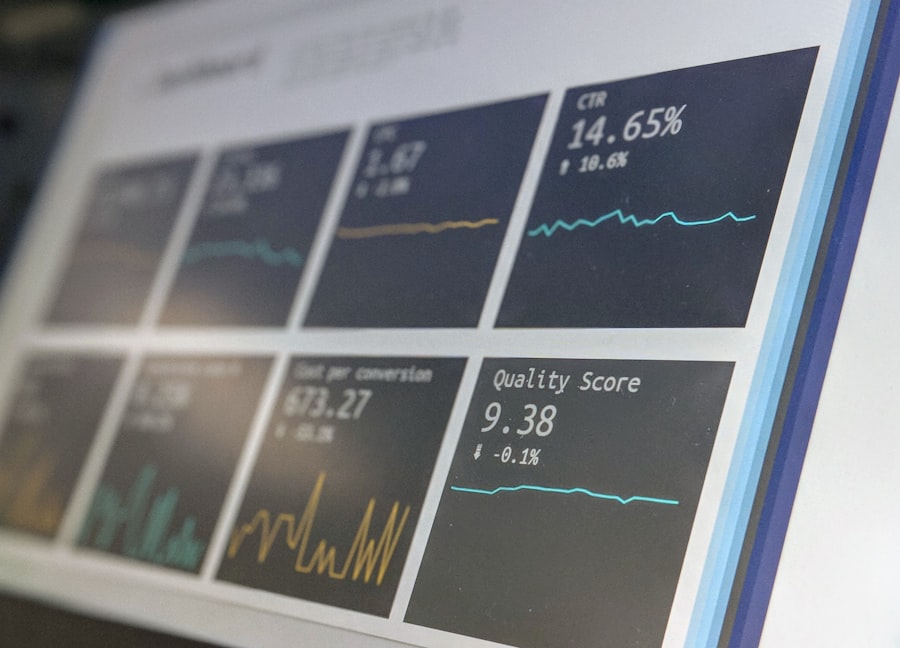
While securing your immediate financial stability is paramount, you also need to think about the future. Investing allows your money to work for you, growing over time and building long-term wealth. In uncertain times, a diversified and well-managed investment portfolio can provide a buffer against inflation and contribute to your financial security.
Understanding the Basics of Investing
Investing can seem intimidating, but understanding the fundamental concepts is the first step to making informed decisions.
Diversification: Don’t Put All Your Eggs in One Basket
Diversification is the practice of spreading your investments across different asset classes (stocks, bonds, real estate, etc.) and within those classes (different industries, companies, geographies). This reduces your overall risk. If one investment performs poorly, others may perform well, helping to mitigate losses.
Risk Tolerance: What’s Your Comfort Level?
Your risk tolerance refers to how much potential loss you can withstand in pursuit of higher returns. Younger investors with a longer time horizon might be comfortable with higher-risk, higher-reward investments. Those closer to retirement might prefer lower-risk options. Be honest with yourself about your comfort level.
Time Horizon: When Will You Need the Money?
Your investment time horizon – how long you plan to invest before needing the money – significantly influences your investment strategy. Longer time horizons generally allow for more aggressive investment strategies, as you have more time to recover from market downturns.
Developing a Diversified Investment Strategy
A well-diversified portfolio is crucial for navigating market fluctuations and achieving long-term financial goals.
Considering Different Asset Classes
Each asset class has its own risk and return profile.
Stocks: For Growth Potential
Stocks represent ownership in a company and offer the potential for significant growth. However, they also come with higher volatility.
Bonds: For Stability and Income
Bonds are loans to governments or corporations that typically offer lower returns than stocks but are generally less volatile. They can provide a stable income stream.
Real Estate: Tangible Assets
Real estate can provide rental income and potential appreciation, but it also involves significant upfront costs and can be illiquid.
Other Asset Classes
Consider other options like commodities (gold, oil) or alternative investments, but do so with thorough research and understanding.
The Role of Mutual Funds and ETFs
For most individuals, mutual funds and Exchange Traded Funds (ETFs) are excellent tools for achieving instant diversification.
Mutual Funds: Pooled Investments
Mutual funds pool money from many investors to buy a diversified portfolio of stocks, bonds, or other securities. They are managed by professional fund managers.
ETFs: Similar to Mutual Funds but Trade Like Stocks
ETFs are also baskets of securities that track an index, sector, or commodity. They trade on exchanges like individual stocks, offering flexibility and often lower fees than traditional mutual funds.
Rebalancing Your Portfolio: Staying on Track
Market fluctuations can cause your asset allocation to drift from your target. Rebalancing involves periodically selling some of your overperforming assets and buying underperforming ones to bring your portfolio back to its desired allocation. This helps you maintain your risk level and capitalize on potential opportunities.
Protecting Your Income: Safeguarding Your Earning Potential

Your income is the engine that drives your financial life. In times of uncertainty, protecting this engine becomes paramount. This means taking steps to prevent income loss and ensuring you have adequate coverage in case of events that prevent you from working.
Understanding and Securing Income Protection
Disability insurance and life insurance are vital tools for safeguarding your income and your loved ones.
Disability Insurance: For When You Can’t Work
If you become injured or ill and are unable to work, disability insurance replaces a portion of your lost income. This can be a lifeline, allowing you to cover your essential expenses while you recover.
Short-Term vs. Long-Term Disability
Short-term disability typically covers a few months, while long-term disability can provide benefits for years, or even until retirement age. Your risk of needing long-term disability is much higher than you might think.
Employer-Provided vs. Individual Policies
Many employers offer disability insurance as a benefit. It’s important to understand the coverage provided and consider supplementing it with an individual policy if necessary.
Life Insurance: For the Financial Security of Your Loved Ones
If you have dependents who rely on your income, life insurance is essential. It provides a financial payout to your beneficiaries upon your death, helping them cover living expenses, debts, and future needs.
Term Life vs. Permanent Life Insurance
Term life insurance provides coverage for a specific period (e.g., 10, 20, or 30 years), while permanent life insurance offers lifelong coverage and often includes a cash value component that can grow over time.
Reviewing Your Insurance Coverage Regularly
Life circumstances change, and so should your insurance needs. Periodically review your disability and life insurance policies to ensure they still provide adequate coverage for your current situation.
Building a “Workforce Resiliency” Mindset
Beyond insurance, fostering a resilient approach to your career can also protect your income.
Continuous Skill Development
In today’s rapidly evolving job market, staying relevant is key. Invest in ongoing training, certifications, and education to enhance your skills and make yourself more valuable to employers. This not only increases your earning potential but also makes you more adaptable to industry changes.
Networking and Building Professional Relationships
A strong professional network can be invaluable. It can open doors to new opportunities, provide career advice, and offer support during challenging times. Cultivate genuine relationships with colleagues, mentors, and industry peers.
Maintaining a Positive Professional Reputation
Your professional reputation precedes you. Focus on delivering high-quality work, being reliable and ethical, and fostering positive relationships in your workplace. A strong reputation can make you a more attractive candidate for new roles if your current situation becomes precarious.
In today’s unpredictable economic climate, preparing your finances for uncertainty is more important than ever. One valuable resource that offers insights on this topic is an article from How Wealth Grows, which provides practical strategies to safeguard your financial future. By understanding the importance of budgeting, saving, and investing wisely, you can build a more resilient financial foundation. For more detailed guidance, you can read the article here.
Building a Safety Net for Essential Needs: Beyond the Emergency Fund
| Financial Preparation Steps | Explanation |
|---|---|
| Emergency Fund | Save 3-6 months of living expenses in a separate account for unexpected events. |
| Reduce Debt | Pay off high-interest debts to free up more money for emergencies. |
| Insurance Coverage | Review and update your health, life, and property insurance to ensure adequate coverage. |
| Investment Diversification | Spread your investments across different asset classes to reduce risk. |
| Regular Budget Review | Monitor your spending and adjust your budget to accommodate changes in income or expenses. |
While your emergency fund is crucial, it’s designed for immediate crises. For other essential needs that might arise, especially in uncertain times, a broader approach to financial safety is necessary. This involves proactive planning for predictable but irregular expenses and ensuring access to essential services.
Establishing Sinking Funds for Irregular Expenses
Think of sinking funds as mini-savings goals for specific, predictable expenses that don’t occur monthly.
Identifying Common Irregular Expenses
These could include:
Annual Insurance Premiums
Car insurance, homeowner’s insurance, or renter’s insurance often have annual premiums. Setting aside money monthly for these avoids a large, sudden expense.
Car Maintenance and Repairs
Cars need regular maintenance like oil changes and tire rotations, and they can also break down unexpectedly. A dedicated car repair fund can absorb these costs.
Holiday and Birthday Gifts
While not strictly emergencies, overspending on gifts during holidays or celebrations can strain your budget. Having a designated gift fund helps you budget for these events.
Home Maintenance and Repairs
From fixing a leaky faucet to replacing an aging appliance, homeownership comes with maintenance costs. A home maintenance fund can cover these without derailing your other financial goals.
Setting Up and Funding Sinking Funds
Treat each sinking fund like a separate savings account or a designated sub-account within a larger savings vehicle. Calculate the total cost of the anticipated expense and divide it by the number of months until it’s due. Automate regular contributions to each fund.
Planning for Healthcare Costs: Unpredictability and Protection
Healthcare expenses are a significant source of financial stress, often unexpected and costly. Proactive planning is essential.
Understanding Your Health Insurance Coverage
Familiarize yourself with your health insurance plan’s deductibles, co-pays, co-insurance, and out-of-pocket maximums. Knowing these figures will help you anticipate potential costs.
Maximizing Savings Through Tax-Advantaged Accounts
If available, utilize Health Savings Accounts (HSAs) or Flexible Spending Accounts (FSAs). These accounts allow you to save pre-tax dollars for qualified medical expenses, reducing your taxable income and providing an immediate tax benefit.
Building a Dedicated Healthcare Savings Fund
Even with insurance, unexpected medical bills can arise. Consider maintaining a separate savings fund specifically for healthcare expenses that fall outside of your insurance coverage. This fund can be built up alongside your emergency fund.
Securing Essential Services: Utilities, Food, and Shelter
In moments of extreme uncertainty, ensuring access to basic necessities like utilities, food, and shelter is paramount.
Building Relationships with Utility Providers
If you anticipate facing difficulties paying your utility bills, contact your providers before you miss a payment. Many offer payment plans, hardship programs, or energy assistance options. Proactive communication can prevent service disruptions.
Creating a Stockpile of Non-Perishable Food Items
Having a small stockpile of non-perishable food items can provide a buffer during short-term disruptions like severe weather or temporary income loss. Focus on versatile items that can be used in various meals.
Understanding Housing Assistance Programs
In dire situations, be aware of local or national housing assistance programs that can provide temporary shelter or rental assistance. Knowing these resources exist can provide peace of mind.
By diligently preparing your finances, you are equipping yourself with the tools and resilience to navigate life’s uncertainties with greater confidence. This proactive approach isn’t about predicting the future; it’s about building a strong foundation that allows you to face whatever comes your way, secure and prepared. Start today, and take control of your financial destiny.

You Can Be a Millionaire… and Still Financially Fragile
FAQs
What is financial uncertainty?
Financial uncertainty refers to the unpredictable and volatile nature of the economy, job market, and personal financial situations. It can include factors such as job loss, unexpected expenses, market downturns, and other unforeseen events that can impact one’s financial stability.
Why is it important to prepare for financial uncertainty?
Preparing for financial uncertainty is important because it can help individuals and families mitigate the impact of unexpected financial challenges. By having a plan in place, such as an emergency fund or diversified investments, individuals can better weather economic downturns and unexpected expenses.
What are some steps to prepare for financial uncertainty?
Some steps to prepare for financial uncertainty include creating an emergency fund, reducing debt, diversifying investments, reviewing insurance coverage, and creating a budget. These steps can help individuals build a financial safety net and minimize the impact of unexpected financial challenges.
How can I create an emergency fund?
Creating an emergency fund involves setting aside a portion of income into a separate savings account specifically designated for unexpected expenses. Financial experts often recommend saving three to six months’ worth of living expenses in an emergency fund to provide a cushion in case of job loss or other financial emergencies.
What are some strategies for managing financial uncertainty?
Strategies for managing financial uncertainty include staying informed about economic trends, maintaining a flexible budget, seeking professional financial advice, and regularly reviewing and adjusting financial plans as needed. Additionally, having a positive mindset and being proactive in managing finances can help individuals navigate uncertain times.