
You’ve stood at the crossroads, haven’t you? Staring down two paths, one gleaming with instant gratification, the other a little more obscured, promising a more distant, but perhaps more substantial, reward. Every financial decision you make, from the mundane coffee purchase to the significant investment, acts as a seed. Some seeds sprout quickly, offering immediate satisfaction, while others lie dormant, their true potential revealed only with time and careful cultivation. The choices you’ve made in the past, whether wise or regrettable, are not simply historical footnotes. They are the bedrock upon which your future financial landscape is being built, influencing not just what you can do, but what you will do.
Your financial history is a narrative woven from countless individual choices. Every dollar spent, saved, or borrowed has left an imprint. Understanding these echoes is crucial because they often dictate your current behavior, sometimes unconsciously.
The Siren Song of Instant Gratification
Remember that impulse buy? The one that felt so good in the moment, but later left you with a twinge of guilt or a stretched budget? This is the siren song of instant gratification, and it’s a melody many of us have danced to.
The Dopamine Hit and its Aftermath
The act of purchasing something, especially something desirable, triggers a release of dopamine in your brain, creating a temporary feeling of pleasure and reward. This can create a powerful feedback loop. You feel a need, you satisfy it, you feel good. The problem arises when this becomes a habitual response to any discomfort or desire. The immediate high fades, leaving behind the stark reality of the depleted bank account, the accumulating debt, or the unmet long-term goals.
The Cumulative Effect of Small Indulgences
It’s easy to dismiss small, everyday purchases as insignificant. A daily latte, a subscription you rarely use, that online shopping spree that felt like a treat. Individually, these might seem negligible. However, the cumulative effect over weeks, months, and years can be substantial. You might find yourself wondering where all your money goes, only to realize that a thousand tiny leaks have drained your financial reservoir.
The Discipline of Delayed Gratification: A Hard-Won Skill
Conversely, the ability to resist immediate pleasure in favor of a future reward is a cornerstone of financial well-being. This isn’t about deprivation; it’s about strategic prioritization.
Building the Muscle of “No”
Learning to say “no” to yourself, especially when it comes to non-essential purchases, is like building a muscle. The more you practice, the stronger it becomes. This doesn’t mean you never indulge. It means you develop the awareness and control to differentiate between genuine needs, planned wants, and impulsive desires.
The Long-Term Payoff: Goals Achieved
The individuals who excel at delayed gratification are often the ones who achieve their financial goals, whether it’s buying a home, retiring comfortably, or starting a business. They understand that the temporary sacrifice of immediate pleasure paves the way for significantly larger and more fulfilling rewards down the line.
Understanding how past financial decisions influence future choices is crucial for effective money management. For a deeper insight into this topic, you can explore the article titled “The Ripple Effect of Financial Choices” available at How Wealth Grows. This resource delves into the long-term impacts of financial behaviors and offers strategies for making informed decisions that can lead to a more secure financial future.
The Weight of Debt: Lessons Learned, Burdens Carried
Debt is a powerful force, capable of both fueling progress and casting a long shadow over your financial future. The decisions you’ve made regarding borrowing have profound implications.
The Allure of the Loan: Access and Ease
Loans, credit cards, mortgages – these financial tools offer access to goods and services that might otherwise be out of reach. They can be instrumental in achieving significant life milestones, like homeownership or higher education.
The Double-Edged Sword of Credit
Credit can be your ally, allowing you to build a positive credit history, secure better interest rates, and navigate unexpected expenses. However, it can also become a trap. High-interest credit card debt, for example, can quickly spiral out of control, turning a seemingly manageable purchase into a significant financial burden.
Understanding Interest: The Silent Thief
Interest is the cost of borrowing money. For lenders, it’s their profit. For borrowers, it’s an added expense that can significantly increase the total cost of a purchase. Failing to understand how interest accrues, especially with revolving credit, can lead to years of paying far more than the original price of the item.
The Scarring Effect of Default and Late Payments
A missed payment or a default on a loan can have long-lasting consequences. The immediate financial penalty is often compounded by damage to your credit score.
The Credit Score’s Shadow
Your credit score is a three-digit number that acts as a report card for your financial responsibility. A low score can make it difficult to rent an apartment, secure a loan, or even get a job. The repercussions of past financial missteps can follow you for years.
The Cost of Financial Mistakes: A Higher Price Tag
When you have a poor credit history, lenders see you as a higher risk. This translates into higher interest rates on loans, increased insurance premiums, and potentially larger security deposits for utilities. Essentially, you end up paying more for everything.
The Power of Saving: Forging a Secure Tomorrow
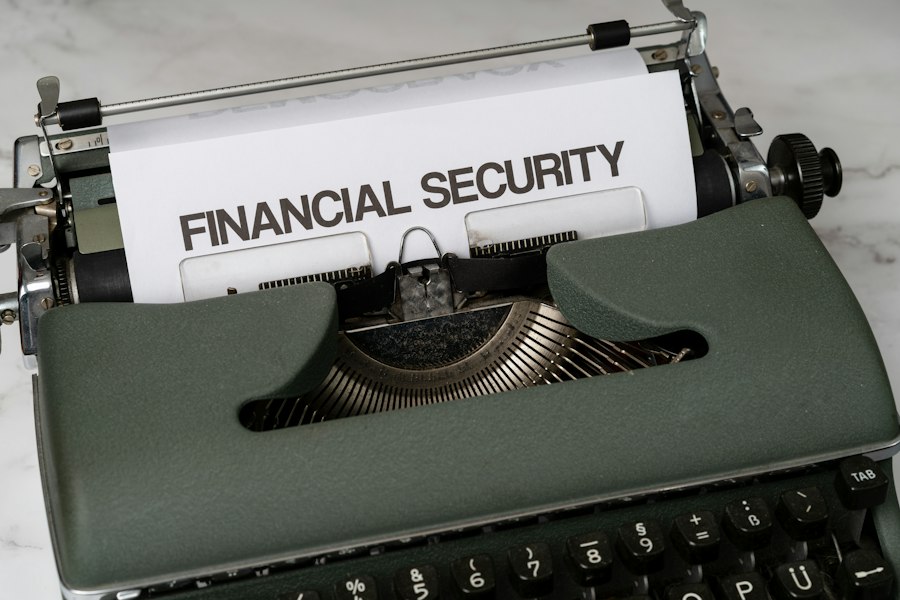
Your past decisions about saving have directly influenced your current financial security and your ability to weather life’s inevitable storms.
The Habit of the Emergency Fund: Your Financial Safety Net
An emergency fund is not a luxury; it’s a necessity. It’s the buffer that protects you from financial catastrophe when the unexpected occurs.
The Peace of Mind that Savings Provide
Knowing you have a cushion of savings can significantly reduce stress and anxiety. It allows you to face job loss, medical emergencies, or unexpected home repairs without resorting to high-interest debt. The peace of mind derived from financial security is invaluable.
The Opportunity Cost of Not Saving
Conversely, the absence of an emergency fund forces you to make difficult choices during crises. You might have to sell assets at a loss, take on high-interest loans, or delay essential medical treatment. The opportunity cost of not saving is often far greater than the perceived benefit of spending that money in the present.
The Investment Journey: Growing Your Wealth Over Time
Saving is the first step, but investing is how your money truly grows. Your past investment decisions, or lack thereof, have a direct impact on your net worth.
The Magic of Compounding: Time as Your Greatest Ally
Compound interest is often referred to as the eighth wonder of the world. It’s the process where your earnings generate their own earnings. The earlier you start investing, the more time compounding has to work its magic, allowing your wealth to grow exponentially.
The Risks and Rewards of Different Investment Avenues
From stocks and bonds to real estate and mutual funds, there are numerous investment options available. Each carries its own set of risks and potential rewards. Your past experience with different investment types, whether successful or not, will inform your future investment strategies. Did you dabble in speculative stocks with little research? Or did you adopt a more diversified and long-term approach?
The Mindset Shift: Transforming Past Errors into Future Strengths

Your financial decisions are not just about numbers; they are a reflection of your beliefs, your habits, and your mindset. Transforming past errors into future strengths requires a conscious shift in your perspective.
Embracing a Growth Mindset Around Finances
A fixed mindset believes your abilities are innate and unchangeable. A growth mindset, on the other hand, believes that your abilities can be developed through dedication and hard work. Applying this to your finances means viewing past mistakes not as failures, but as learning opportunities.
Learning from Regrettable Purchases and Missed Opportunities
Instead of dwelling on what you “should have” done, ask yourself: What did I learn from that regrettable purchase? What can I do differently next time? Similarly, if you missed out on a profitable investment, analyze why and identify the knowledge gaps you need to fill.
The Power of Continuous Financial Education
The financial world is constantly evolving. Staying informed through books, podcasts, financial news, and expert advice is crucial. Your commitment to continuous learning will empower you to make more informed and strategic decisions in the future.
Developing Financial Literacy: Knowledge is Power
Financial literacy is the ability to understand and effectively use various financial skills, including personal financial management, budgeting, and investing. It’s the foundation upon which sound financial decisions are built.
Deconstructing Your Financial Habits
Take an honest look at your spending habits. Where does your money go? Are there patterns you’ve fallen into that no longer serve you? Identifying these habits is the first step to changing them.
Setting SMART Financial Goals
Vague goals like “save more money” are less effective than specific, measurable, achievable, relevant, and time-bound (SMART) goals. For example, “Save $5,000 for a down payment on a car within 18 months by cutting my discretionary spending by $278 per month.”
Understanding how past financial decisions control future choices is crucial for anyone looking to build a secure financial future. A recent article discusses the long-term impact of financial habits and how they shape our economic behaviors over time. By examining these patterns, individuals can gain insights into their spending and saving habits, ultimately leading to better financial outcomes. For more in-depth information on this topic, you can read the article on wealth growth strategies at How Wealth Grows.
The Future You: Building on the Foundations of the Past
| Metric | Description | Example | Impact on Future Choices |
|---|---|---|---|
| Sunk Cost | Resources already spent and unrecoverable | Invested 10 hours in a project | May lead to continuing investment despite poor prospects |
| Opportunity Cost Awareness | Understanding what is foregone by a decision | Choosing to buy a car instead of saving for education | Influences prioritization of future spending |
| Debt Level | Amount of outstanding financial obligations | Credit card balance of 5,000 | Limits ability to take on new expenses or investments |
| Credit Score | Measure of creditworthiness based on past financial behavior | Credit score of 720 | Affects access to loans and interest rates |
| Past Savings Rate | Percentage of income saved over time | Saving 15% of monthly income | Determines financial cushion and investment capacity |
| Investment Returns | Gains or losses from previous investments | Annual return of 7% | Shapes risk tolerance and future investment choices |
Your past financial decisions are not immutable. They are the building blocks, the raw materials, that you can use to construct a more prosperous and secure future.
The Ripple Effect of Current Choices on Future Opportunities
Every decision you make today sends ripples into your future. Choosing to save diligently now will open up investment opportunities later. Choosing to educate yourself about personal finance will lead to better borrowing and spending decisions.
The Compounding Power of Good Habits
Just as bad habits can compound your financial woes, good habits can compound your success. Consistent saving, smart investing, and mindful spending create a snowball effect that leads to significant wealth accumulation over time.
Avoiding Past Pitfalls with Present-Day Awareness
By understanding the lessons learned from your past financial decisions, you can proactively avoid repeating those mistakes. This awareness is your most powerful tool in navigating the complexities of personal finance.
Taking Ownership and Charting a New Course
Ultimately, the power to shape your future financial landscape rests with you. Your past may have presented challenges, but it also offers invaluable insights.
Acknowledging the Past Without Being Defined by It
It’s important to acknowledge your financial history, both the triumphs and the setbacks. However, don’t allow past mistakes to define your entire financial identity. See them as stepping stones to where you want to be.
Proactive Planning for Long-Term Financial Well-being
Begin by creating a comprehensive financial plan. This might involve budgeting, debt repayment strategies, investment planning, and retirement savings goals. Regularly review and adjust your plan as your circumstances and goals evolve. Your past has provided you with a unique education in personal finance. Now, it’s time to apply that knowledge and consciously design the financial future you desire. The choices you make today are not just about managing your money; they are about building the life you envision.

The More You Earn, the Harder It Is to Walk Away
FAQs
1. How do past financial decisions influence future choices?
Past financial decisions can impact future choices by affecting one’s financial situation, credit score, and overall financial stability. For example, if someone has a history of overspending and accumulating debt, they may be limited in their ability to make large purchases or investments in the future.
2. Can past financial mistakes be corrected to improve future choices?
Yes, past financial mistakes can be corrected through strategies such as budgeting, debt repayment, and improving financial literacy. By addressing and learning from past mistakes, individuals can make more informed and responsible financial decisions in the future.
3. How can one break the cycle of poor financial decisions from the past?
Breaking the cycle of poor financial decisions from the past involves identifying the root causes of those decisions, creating a realistic financial plan, seeking professional help if needed, and committing to making positive changes. It may also involve changing spending habits, setting financial goals, and building an emergency fund.
4. What role does financial education play in shaping future financial choices?
Financial education plays a crucial role in shaping future financial choices by providing individuals with the knowledge and skills needed to make informed decisions about saving, investing, budgeting, and managing debt. With a solid understanding of financial concepts, individuals are better equipped to make sound financial choices that can positively impact their future.
5. How can past financial successes influence future choices?
Past financial successes can influence future choices by providing individuals with confidence, experience, and a track record of making sound decisions. By reflecting on past successes, individuals can replicate strategies that worked well in the past and apply them to future financial decisions, leading to continued success and financial stability.