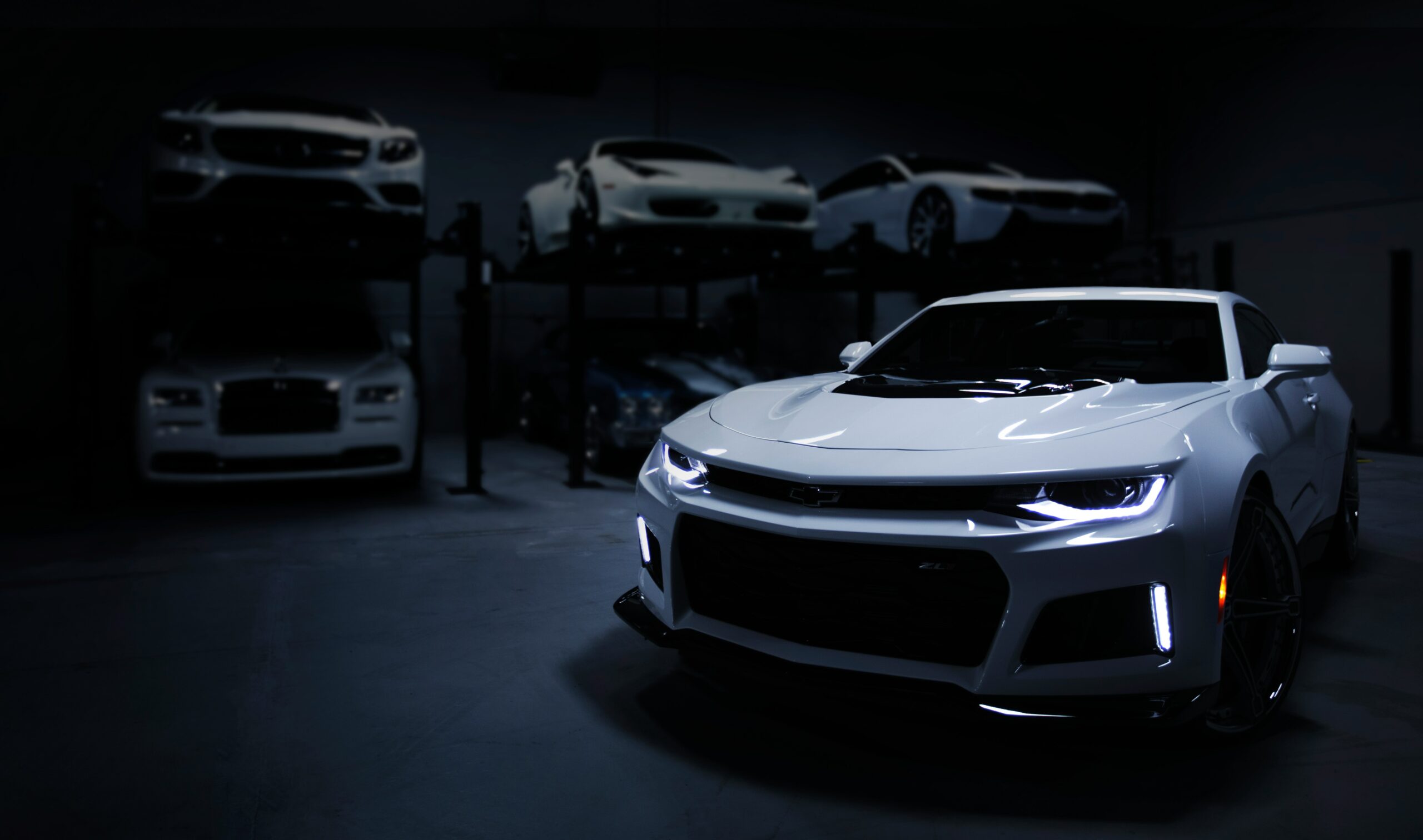
Choosing between a shiny new car and a reliable old one can feel like navigating a crossroads. You’ve probably stood in the dealership showroom, marveling at the latest models, the gleaming paint, and the futuristic dashboards. Or perhaps you’ve found yourself fondly patting the dashboard of your current, trusted companion, its familiar scent a comforting presence. Both paths offer distinct advantages and disadvantages, and understanding them is key to making the right decision for you. This isn’t just about metal and wheels; it’s about your budget, your lifestyle, your priorities, and ultimately, your peace of mind. Let’s delve into the heart of this classic automotive dilemma.
There’s an undeniable magnetism to a brand-new car. It’s a symbol of progress, of aspiration, and often, of achievement. The smell alone is intoxicating, a concoction of fresh plastics, leathers, and unseen engineering. But beyond the sensory experience, what truly makes a new car so appealing?
Unparalleled Technology and Features
When you step into a new vehicle, you’re stepping into the future of automotive innovation. Manufacturers are constantly pushing the boundaries of what’s possible, integrating cutting-edge technology that enhances safety, convenience, and entertainment.
Advanced Safety Systems
Safety is paramount, and new cars are packed with an array of intelligent systems designed to protect you and your passengers. You’ll find features like:
- Adaptive Cruise Control: This system not only maintains a set speed but also adjusts it to keep a safe distance from the vehicle in front, making highway driving significantly less stressful.
- Automatic Emergency Braking: Using sensors and cameras, this technology can detect an impending collision and automatically apply the brakes to mitigate or avoid it.
- Lane Keeping Assist: It actively guides you back into your lane if you start to drift unintentionally, a lifesaver on long journeys or in challenging traffic.
- Blind-Spot Monitoring: Alerts you to vehicles in your blind spots, a crucial feature for safe lane changes.
- Rear Cross-Traffic Alert: Warns you of approaching vehicles when backing out of a parking space.
These are just a few examples. Newer models often include even more sophisticated systems, like driver attention monitors and even semi-autonomous driving capabilities, offering a level of protection unimaginable in older vehicles.
Cutting-Edge Infotainment and Connectivity
The days of clunky CD players and basic radio are long gone. New cars are essentially rolling entertainment hubs, seamlessly integrating with your digital life.
- Large Touchscreen Displays: These are the command centers for navigation, audio, climate control, and vehicle settings, often featuring intuitive interfaces.
- Smartphone Integration (Apple CarPlay/Android Auto): This allows you to mirror your smartphone’s interface onto the car’s display, giving you easy access to your favorite apps, music, calls, and messages.
- Built-in Navigation Systems: Sophisticated GPS systems offer real-time traffic updates and intelligent routing.
- Premium Sound Systems: Many new cars offer audiophile-grade sound systems, transforming your commute into a concert hall.
- Wireless Charging Pads: Say goodbye to tangled cords and hello to effortless charging for your compatible devices.
Enhanced Comfort and Convenience Features
Beyond entertainment, new cars are designed with your comfort and daily convenience in mind.
- Heated and Ventilated Seats: Enjoy cozy warmth in winter and refreshing coolness in summer.
- Keyless Entry and Push-Button Start: Simply approach the car with your key fob, and it unlocks; start the engine with the press of a button.
- Power Liftgates: Open and close your trunk with the touch of a button, a boon when your hands are full.
- Remote Start: Warm up or cool down your car before you even step inside.
- Adjustable Ambient Lighting: Personalize your cabin’s mood with a spectrum of interior lighting options.
The Peace of Mind: Warranty and Reliability
One of the most significant draws of a new car is the accompanying peace of mind that comes with a comprehensive warranty. This is a significant financial safeguard against unexpected mechanical issues.
Comprehensive Manufacturer Warranties
When you buy new, you’re typically covered by a bumper-to-bumper warranty for a specified period (often 3-5 years) or mileage. This means that most repairs arising from manufacturing defects will be covered by the manufacturer. Additionally, there’s usually a powertrain warranty that extends even further, covering vital components like the engine and transmission for many years. This significantly reduces your out-of-pocket expenses for any initial teething problems.
Lower Initial Maintenance Needs
A new car, by definition, is fresh off the assembly line. This means that for the initial phase of its life, you’re unlikely to face major maintenance issues. You’ll be following the manufacturer’s recommended service schedule, which typically involves oil changes and basic checks. You won’t be burdened with the immediate worry of replacing worn-out parts like brakes, tires, or battery, which are often concerns with older vehicles.
The Latest Design and Style
New cars boast the most current design language, reflecting the latest trends in automotive aesthetics. They often feature sleeker lines, more aerodynamic profiles, and bolder styling cues, making them look and feel modern and desirable. This can be a significant factor for individuals who value appearance and want to make a statement with their vehicle.
When considering whether to invest in a new car or keep your old one, it’s essential to weigh the financial implications and personal preferences involved in each choice. A related article that delves into the costs and benefits of both options can be found at How Wealth Grows. This resource provides valuable insights that can help you make an informed decision based on your unique circumstances.
The Enduring Charm of the Older Vehicle: When Experience Matters
While new cars offer a gleaming vision of the future, there’s a compelling argument to be made for the tried-and-true older car. These vehicles have already navigated the depreciation curve, proven their mettle on the road, and can offer a more budget-friendly and arguably more straightforward ownership experience.
The Financial Advantage: Saving Money Where It Counts
The most significant benefit of choosing an older car is undoubtedly the financial one. The initial cost of an older vehicle is considerably lower than that of a new one, and this savings can be reinvested elsewhere in your life.
Lower Purchase Price and Depreciation
The steepest depreciation happens in the first few years of a car’s life. By opting for a car that’s a few years old, you bypass that initial massive drop in value. This means you’re paying a fraction of the original price for a vehicle that might still have plenty of life left in it. This lower purchase price also means lower financing costs if you’re taking out a loan, or the possibility of buying outright with cash, avoiding interest altogether.
Reduced Insurance Premiums
Insurance costs are directly linked to the value of the vehicle. A less expensive car means less risk for the insurance company, translating into lower monthly or annual premiums. This can represent significant savings over the lifespan of your ownership.
Potentially Lower Registration Fees
In many jurisdictions, vehicle registration fees are based on the age and value of the car. Older vehicles often have lower registration costs, contributing to overall reduced ownership expenses.
A Simpler Ownership Experience: Less Complexity, More Control
Older cars, by their nature, tend to be mechanically simpler. This can translate into a more straightforward and predictable ownership experience, especially if you have a basic understanding of car maintenance or a trusted mechanic.
Easier and More Affordable Repairs
While new cars come with warranties, once that warranty expires, repairs can become incredibly expensive. Older cars, especially those with simpler mechanical designs, often have more readily available and cheaper replacement parts. You’re less likely to find yourself needing specialized diagnostic tools or proprietary components that are exclusively available from the dealership. This can make routine maintenance and even larger repairs significantly more affordable.
Less Reliance on Complex Electronics
Modern cars are packed with sophisticated electronics. While these offer many benefits, they can also be a source of expensive and complex problems when they go wrong. Older cars typically have fewer electronic systems, meaning there are fewer potential points of failure. This can be particularly appealing if you prefer a more hands-on approach to your vehicle or if you live in an area where specialized electronic repair services are scarce.
DIY Potential for the Enthusiast
If you enjoy tinkering with your car, an older model offers far more potential for DIY maintenance and repairs. With less reliance on complex computer systems, many tasks that would require a dealership appointment in a new car can be handled in your own garage with basic tools. This can not only save you money but also provide a rewarding sense of accomplishment.
Proven Reliability and Track Record
Many older car models have a well-established reputation for reliability. Manufacturers often refine their designs over several years, ironing out initial kinks and ensuring durability. By choosing a model that has been on the market for a while, you can benefit from accumulated owner reviews and reliability ratings, giving you a clearer picture of its long-term performance.
Classic Appeal and Character
Beyond the practicalities, older cars can possess a unique charm and character that newer vehicles simply can’t replicate. They often have a distinct aesthetic, a more engaging driving experience (sometimes lacking the overly refined feel of modern cars), and a certain nostalgia factor. For some, owning an older car is about appreciating automotive history and enjoying a more connected driving experience.
Evaluating Your Needs: What Does Your Lifestyle Demand?

The “right” choice between a new and an old car isn’t a universal answer; it’s a deeply personal one. Your lifestyle, your priorities, and your financial situation will all play a crucial role in guiding your decision.
Your Daily Commute and Driving Habits
Consider how you use your car on a day-to-day basis.
Long-Distance Commuting
If you spend a significant amount of time on the road, whether for work or pleasure, the comfort, safety features, and fuel efficiency of a newer car might be a compelling argument. Advanced driver-assistance systems can reduce fatigue and enhance safety on long journeys.
Short City Drives and Errands
For predominantly short trips around town, the initial cost savings of an older, smaller car might be more appealing. The latest technology might be less of a priority, and the wear and tear on the vehicle might be less significant.
Off-Roading or Recreational Use
If your driving involves off-road adventures or specific recreational pursuits, you might be looking for specific features and durability. Some older vehicles are known for their ruggedness and off-road capability, often at a more accessible price point than their brand-new counterparts.
Your Financial Situation: Budget is King
Your budget is likely the most significant determinant in your decision.
Initial Purchase Price vs. Long-Term Costs
Are you focused on the upfront cost of acquiring a vehicle, or are you considering the total cost of ownership over several years, including maintenance, insurance, and fuel? An older car often has a lower initial outlay but potentially higher running costs over time. A new car has a higher initial cost but potentially lower running costs in the early years.
Financing Options and Interest Rates
If you’re financing your purchase, the interest rates available for new cars versus used cars can vary. Consider the total amount you’ll pay in interest over the loan term.
Emergency Fund and Unexpected Expenses
Do you have a healthy emergency fund to cover unexpected repairs, especially if you opt for an older vehicle? If your budget is tight, the potential for costly repairs on an older car could be a significant risk.
Your Tolerance for Risk and Hassle
Be honest with yourself about your comfort level with potential issues.
The “Set It and Forget It” Mentality
If you prefer a vehicle that requires minimal attention and worry, a new car with its warranty and low initial maintenance needs might be the ideal choice.
The DIY Mechanic or the Trusty Garage
If you’re comfortable with basic car maintenance or have a mechanic you trust implicitly, taking on an older vehicle can be a more manageable proposition.
The Verdict: Weighing the Pros and Cons

Ultimately, the decision between a new and an old car boils down to a careful evaluation of your individual circumstances. There’s no single right answer, but by systematically considering the factors outlined above, you can make an informed choice that aligns with your needs and desires.
For the Tech-Savvy and Peace-of-Mind Seeker: The New Car Argument
You’ll likely gravitate towards a new car if:
- You prioritize the latest safety and technology features. The advanced driver-assistance systems and cutting-edge infotainment can significantly enhance your driving experience and peace of mind.
- You value the comprehensive manufacturer warranty. This provides a substantial financial safety net against unexpected mechanical issues.
- You want a hassle-free ownership experience in the initial years. New cars require minimal immediate maintenance and are less prone to immediate breakdowns.
- Your budget allows for the higher upfront cost and depreciation. You understand that this is an investment in modern features and reliability.
- You appreciate the latest design and styling. You want a car that reflects current trends and makes a modern statement.
For the Budget-Conscious and Practical Driver: The Old Car Argument
You’ll likely find an older car more suitable if:
- Your primary concern is minimizing the initial purchase price. You want to save money on the acquisition cost and potentially avoid financing interest.
- You are willing to accept a certain level of risk regarding potential repairs. You have a plan or budget for maintenance and unforeseen issues.
- You prefer simpler mechanical systems and easier DIY maintenance. You enjoy or are comfortable with basic car upkeep.
- You are not overly concerned with having the absolute latest technology. You can make do with more basic features.
- You are looking for lower insurance and registration costs. These ongoing expenses are a significant factor in your decision.
- You appreciate the character and value of a well-maintained older vehicle. You see beyond just the age and focus on its continued utility.
When considering whether to buy a new car or keep your old one, it’s essential to weigh the financial implications and personal preferences involved in each choice. A related article that delves into the costs and benefits of both options can provide valuable insights. For a deeper understanding of this topic, you might find it helpful to read more in this informative article that discusses the long-term effects of your decision on your finances and lifestyle.
Your Next Steps: A Pragmatic Approach to Decision Making
| Factors | New Car | Keeping Old Car |
|---|---|---|
| Initial Cost | Higher | Lower |
| Depreciation | Higher | Lower |
| Maintenance | Lower | Higher |
| Fuel Efficiency | Better | Potentially worse |
| Technology | Latest features | Outdated features |
| Environmental Impact | Lower emissions | Potentially higher emissions |
Once you’ve considered the above, it’s time to translate this knowledge into action. This isn’t about making a snap decision; it’s about a thoughtful process.
Define Your Budget Clearly
Before you even start browsing, establish a firm budget. This includes not only the purchase price but also anticipated insurance, registration, and a buffer for initial maintenance or potential repairs.
Research Specific Models
Whether you’re leaning new or old, research specific models that interest you. Read reviews, check reliability ratings, and compare features. For older cars, look for models with a proven track record and readily available parts.
Test Drive Both Options
This is crucial. Don’t just look at specs; get behind the wheel of both new and comparable older models. Pay attention to how the car handles, how comfortable the seats are, how intuitive the controls are, and how the overall driving experience feels to you.
Factor in Total Cost of Ownership
Go beyond the sticker price. Research typical maintenance costs, fuel efficiency, and insurance premiums for the models you’re considering at different ages. Online calculators and forums can be invaluable resources here.
Consider Pre-Purchase Inspections (for Used Cars)
If you’re buying an older car, a pre-purchase inspection by an independent mechanic is non-negotiable. This small investment can save you from significant financial headaches down the line by uncovering hidden problems.
Negotiate Wisely
Regardless of whether you’re buying new or used, be prepared to negotiate. Do your research on fair market values and be confident in your position.
Ultimately, the choice between a new car and an old car is a personal journey. By understanding your own priorities, finances, and lifestyle, you can navigate this decision with confidence, ensuring you end up with a vehicle that serves you well and brings you satisfaction for years to come.

Your $800 Car Payment Could Be a $1 Million Decision
FAQs
1. What are the benefits of buying a new car?
– New cars often come with the latest safety features and technology.
– New cars typically have better fuel efficiency and lower emissions.
– New cars come with a warranty, reducing the risk of unexpected repair costs.
2. What are the advantages of keeping an old car?
– Old cars have already depreciated in value, so they can be more cost-effective in the long run.
– With proper maintenance, an old car can still be reliable and functional.
– Keeping an old car can be more environmentally friendly, as it reduces the demand for new resources and energy used in manufacturing.
3. What are the potential drawbacks of buying a new car?
– New cars can be significantly more expensive than keeping an old car.
– New cars can lose value quickly, especially in the first few years of ownership.
– Insurance and registration costs for new cars can be higher than for older vehicles.
4. What are the potential drawbacks of keeping an old car?
– Old cars may require more frequent and costly repairs as they age.
– Older cars may lack the latest safety features and technology, potentially putting occupants at higher risk.
– Older cars may have higher fuel consumption and emissions compared to newer, more efficient models.
5. How can I decide whether to buy a new car or keep my old car?
– Consider your budget and financial situation, including the cost of purchasing a new car and potential maintenance expenses for an old car.
– Evaluate your driving needs and lifestyle to determine if a new car’s features and technology would significantly benefit you.
– Factor in the environmental impact and long-term cost of ownership when making your decision.