
You’re standing at the precipice of an increasingly digital future, a future powered by massive data centers. These colossi of computation hum with the energy that fuels your online world, from streaming your favorite shows to the complex financial transactions that underpin our economy. But as the demand for these services explodes, so does the demand for electricity. And in Nevada, this burgeoning need has brought with it a critical conversation about fair pricing for everyone: the Nevada Data Center Ratepayer Protection Tariff.
This tariff isn’t just a dry piece of regulatory language; it’s a vital mechanism designed to safeguard your wallet and ensure that the immense power consumption of data centers doesn’t unfairly burden you, the residential ratepayer. It’s about striking a delicate balance between fostering technological innovation and upholding your right to affordable energy.
Understanding the Rise of Data Centers in Nevada
Nevada, with its favorable climate for cooling, readily available land, and a growing tech presence, has become a magnet for data center development. These facilities, housing vast server farms and intricate networking equipment, are the backbone of cloud computing, artificial intelligence, and a myriad of other digital services you rely on daily.
The Economic Allure of Data Centers
You’ve likely seen the news: major tech companies investing billions in Nevada. This economic influx brings jobs, tax revenue, and a sense of technological progress to the state. The promise of innovation and a robust digital infrastructure is undeniably attractive.
- Job Creation: Data centers require skilled labor for construction, operation, and maintenance, offering new employment opportunities within Nevada.
- Tax Revenue: The substantial investments made by data center operators contribute significantly to the state and local tax bases, funding public services.
- Technological Hub: Nevada aims to position itself as a leading hub for technology and innovation, with data centers forming a crucial part of this vision.
The Unseen Energy Footprint
However, beneath the surface of this technological boom lies a substantial and growing demand for electricity. Data centers are notoriously power-hungry. The servers within them run 24/7, generating immense heat that requires constant cooling, further escalating energy consumption.
- Constant Operation: Servers never sleep, requiring a continuous and substantial supply of electricity to function.
- Cooling Demands: Dissipating the heat generated by thousands of servers is a major energy drain, often requiring sophisticated and power-intensive cooling systems.
- Scalability: As demand for digital services grows, so does the need for more server capacity, leading to a compounding increase in energy consumption.
The recent discussions surrounding the Nevada data center ratepayer protection tariff have raised important questions about the balance between economic growth and consumer protection. For those interested in exploring the broader implications of such tariffs on local economies and energy consumption, a related article can be found at How Wealth Grows, which delves into the impact of energy policies on both businesses and residents in the region.
The Challenge of Rate Payer Equity
This immense energy appetite presents a unique challenge for Nevada’s energy landscape. Traditionally, electricity rates are structured to reflect the cost of providing power to different customer classes, including residential, commercial, and industrial. However, the sheer scale of data center energy use can distort these structures if not properly managed.
The Traditional Rate Structure and its Limitations
For years, your electricity bill has been shaped by established rate classes. These classes help to spread the costs of the power grid equitably among different users. Residential customers, for instance, often pay rates designed to cover the costs of serving smaller, more dispersed loads.
- Cost Causation: Rates are theoretically designed to reflect the costs incurred by the utility in serving each customer class.
- Cross-Subsidization Concerns: Without specific protections, large industrial users could potentially benefit from lower rates that are indirectly subsidized by other customer classes.
The Potential for Ratepayer Burden
When a new, very large industrial customer like a data center enters the grid, its energy consumption can be orders of magnitude greater than that of an individual home or even a small business. If their electricity is priced without considering their unique load characteristics and potential impact on the grid, the costs of serving them could inadvertently be passed on to you, the residential ratepayer.
- Grid Strain: Massive, concentrated energy demands can place unique strains on the transmission and distribution infrastructure.
- Capacity Planning: Utilities must ensure sufficient generation and infrastructure capacity to meet these large loads, and the costs of such planning could be borne by all.
- Price Distortions: Without careful management, the price of electricity for everyone else could be driven up to compensate for potentially discounted rates offered to large industrial users.
Introducing the Nevada Data Center Ratepayer Protection Tariff
This is where the Nevada Data Center Ratepayer Protection Tariff steps in. It’s a proactive measure, a shield designed to ensure that the rapid growth of data centers in Nevada doesn’t lead to an unfair distribution of energy costs. The tariff aims to create a framework that is both conducive to data center investment and protective of residential ratepayers.
The Core Principles of the Tariff
At its heart, the tariff is about fairness and responsibility. It acknowledges the economic benefits of data centers but insists that they pay their fair share for the electricity they consume and the impact they have on the grid.
- Fair Cost Allocation: The primary goal is to ensure that data centers cover the direct and indirect costs associated with their energy usage.
- Preventing Cross-Subsidization: The tariff explicitly aims to prevent residential ratepayers from subsidizing the energy costs of large data center operations.
- Promoting Efficiency: By structuring rates and imposing conditions, the tariff can also incentivize data centers to adopt more energy-efficient practices.
Key Components of the Tariff
While the specifics can be complex, the tariff generally includes provisions that address how data centers are billed and the responsibilities they bear. This often involves separate rate structures or special conditions that apply specifically to these large energy consumers.
- Dedicated Rate Structures: Data centers may be subject to specialized rate schedules that better reflect their load profiles and grid impacts.
- Demand Charges: Large users often face demand charges, which are based on their peak power usage, reflecting the utility’s need to maintain capacity to meet those peaks.
- Cost Studies and Reviews: The tariff likely mandates regular cost studies to ensure that the rates applied to data centers accurately reflect the costs of serving them.
How the Tariff Protects You, the Ratepayer
So, what does this mean for your electricity bill? In essence, the Nevada Data Center Ratepayer Protection Tariff acts as a financial safety net for you. It ensures that as Nevada embraces its role as a digital hub, you won’t be left footing the bill for the energy needs of massive industrial operations.
Preventing Unseen Cost Increases
Imagine the utility needing to build new power plants or upgrade substations to meet the soaring demand from data centers. Without the tariff, the costs of these investments could be spread across all customers. The tariff aims to ensure that these significant infrastructure costs are primarily borne by the entities driving the need for them.
- Infrastructure Investment Responsibility: When data centers necessitate major grid upgrades, the tariff helps to ensure that these costs are linked to their consumption.
- Avoiding Burden on Residential Users: You avoid the indirect cost increases that could arise from data centers receiving artificially low rates.
Ensuring Grid Stability and Reliability
The tariff also indirectly contributes to your reliable access to electricity. By ensuring that large industrial users are properly compensated for their impact, it helps utilities maintain the financial health needed to invest in grid modernization and resilience, benefiting all ratepayers.
- Utility Financial Health: Fair pricing for data centers contributes to the utility’s ability to invest in maintaining and upgrading the grid for everyone’s benefit.
- Predictable Load Management: Understanding and pricing the significant loads of data centers helps in better planning and management of the overall power grid.
The recent discussions surrounding the Nevada data center ratepayer protection tariff have sparked interest in various aspects of energy regulation and consumer rights. For those looking to delve deeper into related topics, an insightful article can be found at this link, which explores the implications of such tariffs on both consumers and businesses. Understanding these dynamics is crucial as the state navigates its energy landscape and works to balance the needs of ratepayers with the demands of the growing data center industry.
Navigating the Future of Energy and Technology in Nevada
The Nevada Data Center Ratepayer Protection Tariff is a crucial element in the ongoing conversation about how Nevada balances its embrace of the digital economy with its commitment to affordable and reliable energy for all its citizens. It’s a testament to the foresight of regulators in addressing potential imbalances before they become significant problems.
The Ongoing Evolution of Energy Regulation
As technology continues to evolve at a rapid pace, so too will the challenges and opportunities in energy regulation. The principles behind this tariff – fairness, cost causation, and ratepayer protection – will remain paramount.
- Adaptability: Regulations will need to be adaptable to new technological advancements and their energy implications.
- Transparency: Continued transparency in how these rates are determined and applied is crucial for public trust.
Your Role in the Energy Conversation
Understanding initiatives like the Nevada Data Center Ratepayer Protection Tariff empowers you. It allows you to be an informed participant in discussions about your energy future. Your voice matters in ensuring that technological progress benefits everyone in Nevada.
- Informed Consumerism: By understanding these mechanisms, you can better appreciate the factors that influence your electricity bill.
- Advocacy: Being aware of these issues allows you to advocate for policies that prioritize fairness and affordability for residential ratepayers.
In conclusion, the Nevada Data Center Ratepayer Protection Tariff is more than just a regulatory provision; it’s a commitment to you. It’s a promise that as Nevada powers the digital world, your access to affordable and reliable electricity will not be compromised. It’s about building a future where innovation and equity go hand-in-hand, ensuring that the hum of progress benefits everyone, not just the servers.
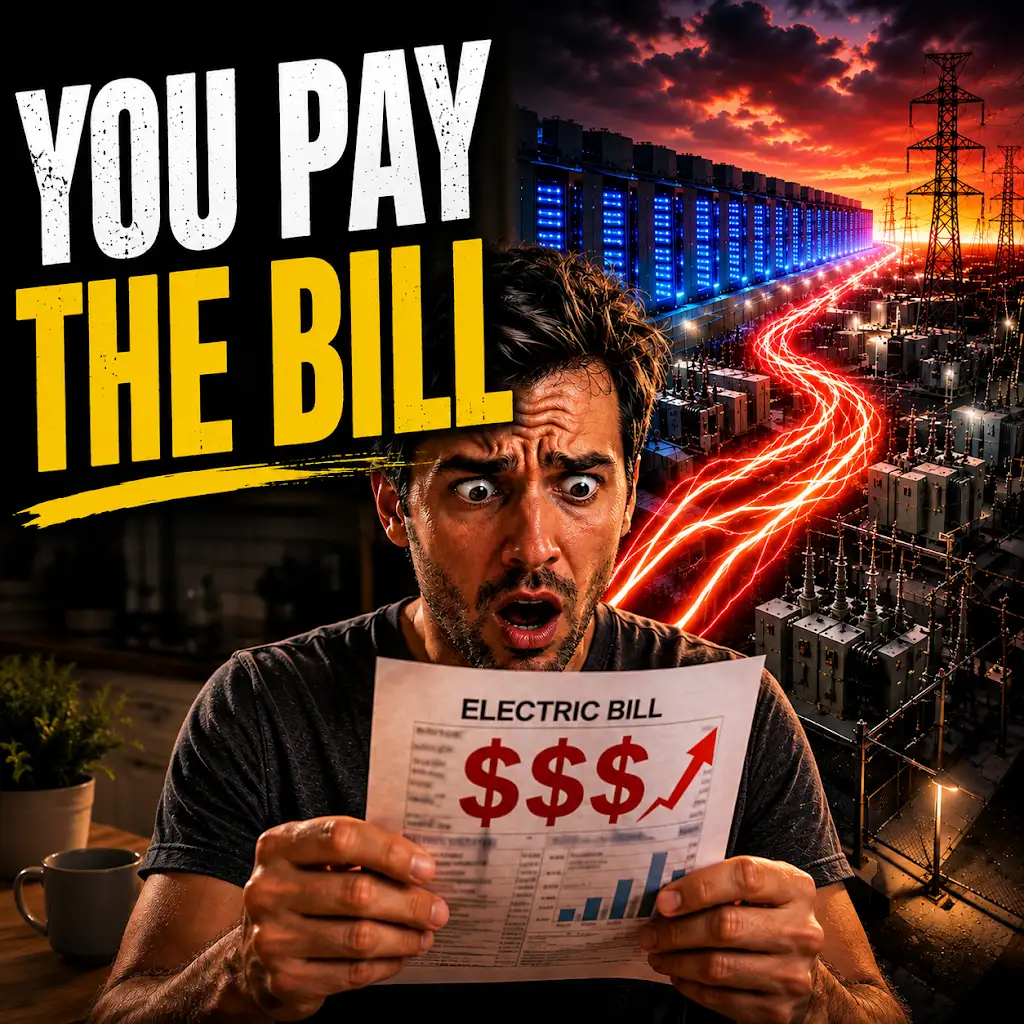
Is AI About to Make Your Electric Bill Even Higher?
FAQs

What is the Nevada data center ratepayer protection tariff?
The Nevada data center ratepayer protection tariff is a regulatory mechanism put in place by the Nevada Public Utilities Commission to ensure that data centers in the state pay their fair share of the costs associated with providing reliable electricity service.
Why was the Nevada data center ratepayer protection tariff implemented?
The tariff was implemented in response to concerns that data centers were receiving preferential treatment in terms of electricity rates, which was leading to higher costs for other ratepayers in the state.
How does the Nevada data center ratepayer protection tariff work?
The tariff requires data centers to pay a higher rate for electricity usage, which is intended to more accurately reflect the costs incurred by the utility in providing service to these large consumers.
What are the potential impacts of the Nevada data center ratepayer protection tariff?
The tariff is expected to result in higher electricity costs for data centers in Nevada, which could potentially impact the state’s attractiveness as a location for data center development. However, it is also intended to ensure that other ratepayers are not unfairly burdened with the costs of providing service to data centers.
Are there any exemptions or special considerations for the Nevada data center ratepayer protection tariff?
The tariff includes provisions for data centers to apply for exemptions or adjustments based on factors such as the use of renewable energy sources or the implementation of energy efficiency measures. These provisions are intended to provide some flexibility and recognition of efforts to minimize the impact of the tariff on data center operations.