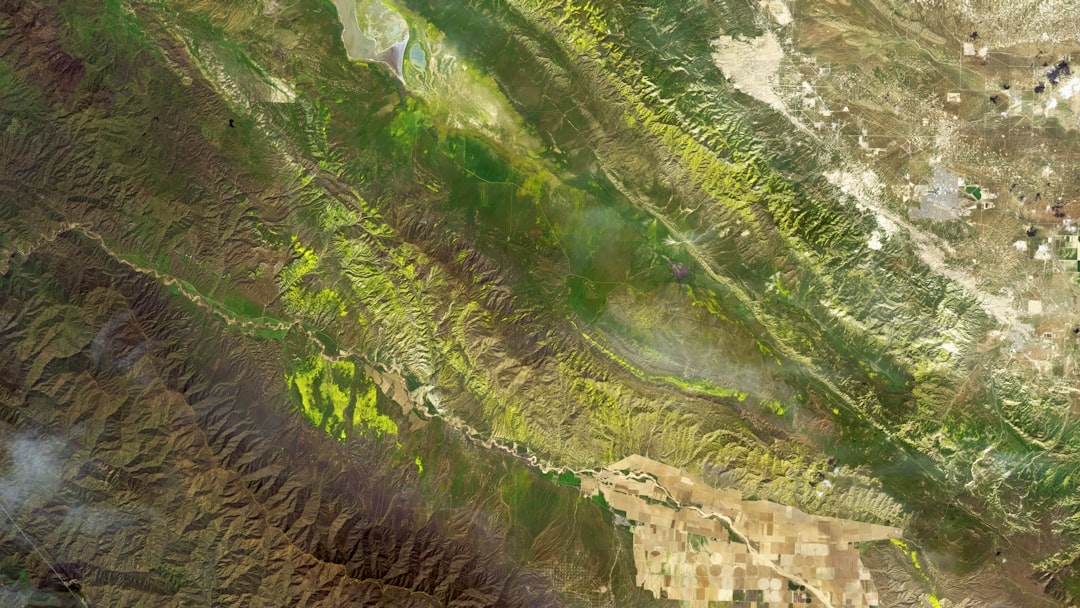
Nestlé’s water extraction practices in California have generated considerable controversy. The multinational corporation has extracted groundwater for its bottled water operations in a state frequently experiencing drought conditions. This activity has raised environmental, legal, and ethical questions about water usage in water-stressed regions.
The company’s water extraction affects multiple stakeholders, including local communities, ecosystems, and regulatory bodies. Nestlé’s operations in California exemplify broader tensions between commercial water use, environmental sustainability, and public resource management. The issue encompasses regulatory challenges, environmental impacts, and debates about water rights during periods of scarcity.
Nestlé’s activities highlight the complex intersection of corporate interests, environmental stewardship, and community concerns regarding access to and preservation of vital water resources in California.
Key Takeaways
- Nestle has a long history of extracting water in California, raising environmental and legal concerns.
- The company’s water extraction has significant impacts on local ecosystems, wildlife, and drought conditions.
- Legal battles and regulatory scrutiny have intensified due to community opposition and environmental advocacy.
- Indigenous communities and local residents have voiced strong concerns about water rights and resource sustainability.
- Alternatives to Nestle’s water extraction focus on sustainable water management and corporate responsibility initiatives.
History of Nestle’s Water Extraction in California
Nestlé’s involvement in water extraction in California dates back to the late 1990s when it acquired several brands of bottled water, including Poland Spring and Arrowhead. Initially, the company positioned itself as a provider of natural spring water, tapping into California’s abundant aquifers. However, as you explore the timeline of Nestlé’s operations, it becomes evident that the company’s practices have evolved amid growing scrutiny and criticism.
Over the years, Nestlé has faced increasing pressure from environmentalists and local communities who argue that its extraction practices are unsustainable and detrimental to the environment. In 2017, Nestlé announced its intention to sell its North American bottled water brands, a move that many interpreted as a response to mounting public pressure and changing consumer preferences. This decision marked a significant turning point in the company’s history in California.
As you reflect on this timeline, consider how public perception and environmental advocacy have shaped Nestlé’s strategies and operations over the years. The history of Nestlé’s water extraction is not just about corporate growth; it is also a narrative of conflict between profit motives and environmental stewardship.
Environmental Impact of Nestle’s Water Extraction
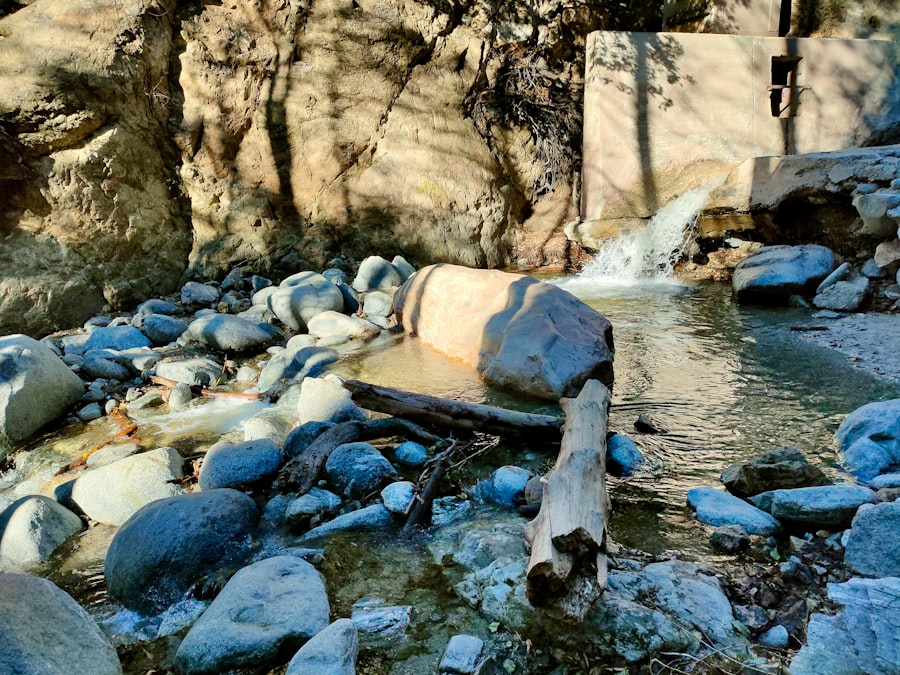
The environmental impact of Nestlé’s water extraction practices is profound and far-reaching. As you examine the ecological consequences, you will find that excessive groundwater extraction can lead to a host of issues, including aquifer depletion, reduced stream flows, and habitat destruction.
Moreover, the extraction process itself can disrupt local ecosystems. As groundwater levels drop, plants and wildlife that depend on these water sources face increased stress.
You might consider how this affects not only the flora and fauna but also the overall health of the ecosystem. The delicate balance between human needs and environmental preservation is at stake, prompting many to call for stricter regulations on water extraction practices. As you reflect on these environmental impacts, it becomes clear that the consequences of Nestlé’s operations extend beyond corporate profits; they touch upon fundamental issues of ecological integrity and sustainability.
Legal and Regulatory Issues Surrounding Nestle’s Water Extraction
The legal landscape surrounding Nestlé’s water extraction in California is complex and often contentious. As you explore this aspect, you will encounter various laws and regulations that govern water rights and usage in the state. California operates under a system of prior appropriation, which means that those who have historically used water have rights to continue doing so.
However, this system has come under scrutiny as competing demands for water resources have intensified due to climate change and population growth. Nestlé has faced legal challenges from environmental groups and local governments seeking to limit or halt its extraction activities. You may find it interesting that these legal battles often hinge on questions of sustainability and public interest.
Courts have had to weigh the economic benefits of bottled water production against the environmental costs associated with groundwater depletion. As you consider these legal issues, think about how they reflect broader societal values regarding resource management and corporate accountability.
Community Response to Nestle’s Water Extraction
| Metric | Value | Unit | Notes |
|---|---|---|---|
| Annual Water Extraction Volume | 58,000,000 | gallons | Estimated annual extraction from California sources |
| Extraction Sites | 3 | locations | Primary bottling plants in California |
| Permitted Extraction Limit | 70,000,000 | gallons/year | Maximum allowed by local water authorities |
| Reported Environmental Impact | Moderate | N/A | Concerns about groundwater depletion |
| Year of Latest Data | 2023 | year | Most recent reporting year |
The community response to Nestlé’s water extraction practices has been marked by activism and advocacy. Local residents, environmental organizations, and indigenous groups have united to voice their concerns about the impact of large-scale water extraction on their communities and ecosystems. You may find it inspiring to learn about grassroots movements that have emerged in opposition to Nestlé’s operations, advocating for sustainable water management practices and greater corporate accountability.
Public protests, petitions, and awareness campaigns have played a crucial role in shaping the narrative around Nestlé’s water extraction. As you explore these community responses, consider how they reflect a growing awareness of environmental issues and a desire for more equitable resource distribution. The voices of those directly affected by Nestlé’s practices highlight the importance of community engagement in discussions about resource management.
This collective action underscores the idea that local communities should have a say in how their natural resources are utilized.
Alternatives to Nestle’s Water Extraction
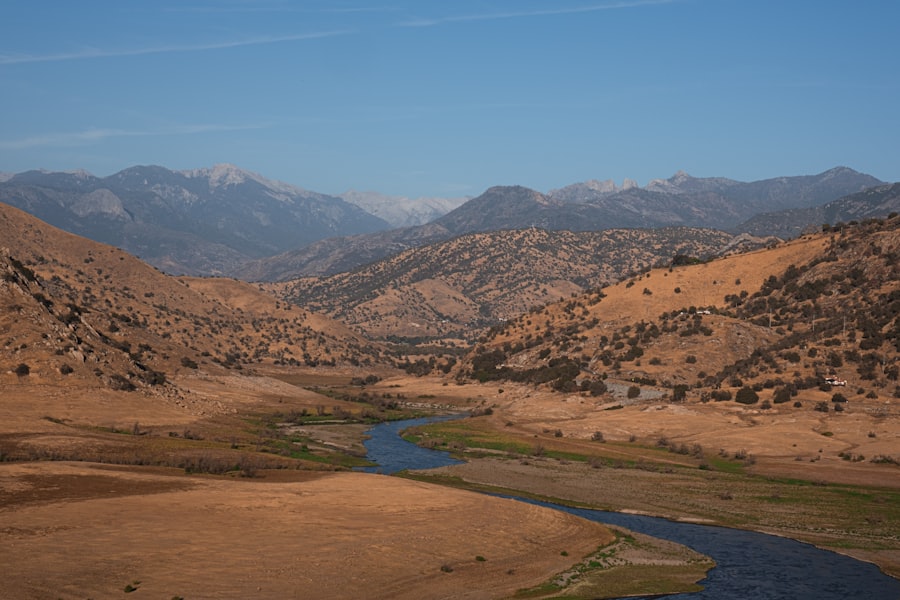
As concerns about Nestlé’s water extraction practices continue to grow, many are exploring alternatives that prioritize sustainability and community well-being. You might be intrigued by innovative solutions such as rainwater harvesting, greywater recycling, and sustainable aquifer management practices that can help alleviate pressure on groundwater resources. These alternatives not only provide viable options for meeting water needs but also promote responsible stewardship of natural resources.
Additionally, local initiatives aimed at promoting tap water consumption over bottled water are gaining traction. You may find it encouraging that many communities are investing in infrastructure improvements to ensure safe and accessible drinking water for all residents. By prioritizing these alternatives, communities can reduce their reliance on bottled water companies like Nestlé while fostering a culture of sustainability.
As you consider these options, think about how they can empower communities to take control of their water resources and advocate for more responsible practices.
Nestle’s Water Extraction and Drought in California
California has long been plagued by drought conditions, making the issue of water extraction even more pressing. As you examine the relationship between Nestlé’s operations and drought in the state, it becomes clear that excessive groundwater extraction exacerbates existing challenges related to water scarcity. During periods of drought, when every drop counts, the extraction of millions of gallons for bottling purposes raises ethical questions about resource allocation.
You may find it concerning that while communities face severe restrictions on water usage during droughts, corporations like Nestlé continue to extract significant amounts of groundwater without facing similar limitations. This disparity highlights the need for more equitable policies that prioritize community needs over corporate profits. As you reflect on this issue, consider how addressing drought conditions requires a collective effort from both individuals and corporations to promote sustainable water management practices.
Nestle’s Water Extraction and Wildlife in California
The impact of Nestlé’s water extraction extends beyond human communities; it also poses significant risks to wildlife in California. As you explore this aspect, you will discover that many species depend on healthy aquatic ecosystems for survival. The depletion of groundwater can lead to reduced stream flows and altered habitats, threatening the delicate balance of local ecosystems.
You might be surprised to learn that some species are already facing increased stress due to habitat loss caused by excessive water extraction. Moreover, as groundwater levels decline, plants that provide food and shelter for wildlife may also suffer. This cascading effect can disrupt entire food webs and lead to declines in biodiversity.
You may find it troubling that while corporations profit from bottled water sales, the long-term consequences for wildlife remain largely overlooked. As you consider these impacts on wildlife, think about how protecting natural habitats is essential not only for biodiversity but also for maintaining healthy ecosystems that benefit all living beings.
Nestle’s Water Extraction and Indigenous Communities in California
The relationship between Nestlé’s water extraction practices and indigenous communities in California is fraught with tension and historical injustices. Many indigenous groups have long-standing connections to their ancestral lands and waters, viewing them as sacred resources essential for their cultural identity and survival. As you delve into this topic, you will uncover stories of indigenous resistance against corporate exploitation of their natural resources.
You may find it poignant that indigenous communities have been at the forefront of advocating for sustainable water management practices that honor their traditional knowledge and rights. Their voices highlight the importance of recognizing indigenous sovereignty in discussions about resource management. As you reflect on this issue, consider how addressing historical injustices requires not only acknowledging past wrongs but also actively involving indigenous communities in decision-making processes related to their lands and waters.
Corporate Responsibility and Nestle’s Water Extraction
Corporate responsibility is a critical aspect of the conversation surrounding Nestlé’s water extraction practices. As a major player in the global food industry, Nestlé has a responsibility to operate ethically and sustainably while considering the impact of its actions on local communities and ecosystems. You may find it interesting that consumers are increasingly demanding transparency from corporations regarding their sourcing practices and environmental impact.
Nestlé has made efforts to improve its corporate social responsibility initiatives by committing to sustainable sourcing practices and reducing its environmental footprint. However, critics argue that these efforts often fall short when weighed against the scale of its operations. As you contemplate corporate responsibility in this context, think about how companies can balance profit motives with ethical considerations while fostering trust with consumers and communities alike.
Conclusion and Future Outlook for Nestle’s Water Extraction in California
As you reflect on the complexities surrounding Nestlé’s water extraction practices in California, it becomes evident that this issue is far from resolved. The interplay between corporate interests, environmental sustainability, community needs, and legal frameworks creates a challenging landscape for all stakeholders involved. While Nestlé has taken steps toward addressing some concerns raised by activists and communities, significant challenges remain.
Looking ahead, it is crucial for both corporations like Nestlé and local communities to engage in meaningful dialogue about sustainable resource management practices. You may find hope in emerging alternatives that prioritize community well-being over corporate profits while fostering a culture of stewardship toward natural resources. Ultimately, addressing these challenges requires collective action from individuals, communities, corporations, and policymakers alike—working together toward a more sustainable future for California’s precious water resources.
Nestlé’s water extraction practices in California have sparked significant debate regarding environmental sustainability and resource management. For a deeper understanding of the implications of such practices, you can read a related article that discusses the broader impacts of water extraction on local ecosystems and communities. Check it out here: Related Article on Water Extraction.
WATCH THIS 💧 Wall Street’s Water War: Why Your Bills Are About to EXPLODE
FAQs
What is Nestlé’s water extraction operation in California?
Nestlé’s water extraction operation in California involves sourcing groundwater from natural springs and aquifers to produce bottled water products. The company has been extracting water from various locations in the state for several decades.
Where does Nestlé extract water in California?
Nestlé extracts water primarily from springs and groundwater sources in the San Bernardino National Forest and other areas in Southern California. The exact locations have been subject to regulatory review and public scrutiny.
Is Nestlé’s water extraction in California regulated?
Yes, water extraction in California is regulated by state and local agencies, including the California State Water Resources Control Board. Companies like Nestlé must obtain permits and comply with water rights laws and environmental regulations.
Has Nestlé faced any controversies regarding water extraction in California?
Yes, Nestlé has faced criticism and legal challenges over its water extraction practices in California, especially during periods of drought. Critics argue that the company extracts large volumes of water for profit while local communities experience water shortages.
How much water does Nestlé extract in California?
The volume of water extracted by Nestlé varies by location and permit conditions. Historically, the company has extracted millions of gallons annually, but exact figures depend on regulatory approvals and operational changes.
What impact does Nestlé’s water extraction have on local communities and the environment?
Concerns include depletion of groundwater resources, reduced stream flows, and impacts on local ecosystems. Some community members worry about water availability for residential and agricultural use, especially during drought conditions.
Has Nestlé made any changes to its water extraction practices in California?
In response to public pressure and regulatory actions, Nestlé has at times reduced its water extraction volumes, sought new permits, or paused operations. The company states it follows all legal requirements and aims to manage resources sustainably.
Where can I find more information about Nestlé’s water extraction permits in California?
Information about water extraction permits is available through the California State Water Resources Control Board and local water management agencies. Public records and environmental reports may also provide details on Nestlé’s operations.
Does Nestlé bottle water locally in California?
Yes, Nestlé operates bottling facilities in California where extracted water is processed and packaged for sale under various brand names.
What alternatives exist to bottled water from companies like Nestlé?
Alternatives include tap water, filtered water, and water from local sources with sustainable management. Many advocates encourage reducing bottled water consumption to conserve resources and reduce plastic waste.