Understanding the Shifting Sands: Why Volatility Demands Strategic Portfolio Adjustments
You’ve likely felt it. The gnawing uncertainty, the almost palpable tremor in the financial world. Markets, once seemingly predictable rivers, now churn with the unpredictable fury of a tempest. This is market volatility, and for you, the investor, it presents both a formidable challenge and a potent opportunity. Ignoring it is no longer an option; instead, you must learn to navigate these shifting sands with strategic prowess. Sweeping portfolio changes aren’t born out of panic, but from a calculated understanding of the forces at play and a proactive approach to safeguarding and growing your wealth.
The landscape of investing is rarely static, but recent times have amplified this dynamism. Geopolitical tensions, rapid technological advancements, inflation concerns, shifts in monetary policy, and unforeseen global events all contribute to an environment where asset prices can swing wildly and with little warning. These fluctuations can trigger emotional responses – fear prompting a hasty sell-off, or greed leading to reckless over-extension. However, a disciplined investor recognizes that volatility is an inherent feature of markets, and that strategic adjustments, rather than reactive impulsivity, are the key to weathering the storm and emerging stronger. This article is your guide to understanding when and how to make those crucial, sweeping changes to your portfolio, transforming potential chaos into calculated advantage.
In times of volatile market cycles, investors often find themselves reevaluating their strategies and making sweeping portfolio changes to mitigate risk and seize new opportunities. A related article that delves into the intricacies of adjusting investment portfolios during such turbulent periods can be found at How Wealth Grows. This resource provides valuable insights and practical tips for navigating the complexities of market fluctuations, helping investors make informed decisions to protect and grow their wealth.
The Anatomy of Uncertainty: Recognizing the Signals of Market Disruption

Before you can effectively navigate volatile markets, you must first learn to identify the signs that signal their presence. It’s not about predicting every minor tick or trough, but about recognizing broader trends and underlying shifts that indicate a departure from stable conditions. Understanding these signals allows you to preemptively assess your portfolio’s resilience and consider strategic adjustments before a crisis fully unfolds.
Early Warning Indicators: What to Watch for in the Data
The financial news bombards you with data, but not all of it carries equal weight when it comes to anticipating volatility. Developing a keen eye for specific indicators can give you a crucial heads-up. Look beyond the daily stock price movements and delve into the underlying economic and market fundamentals. For instance, an increasing divergence between corporate earnings and stock valuations can be a warning sign; if companies are reporting solid profits but their stock prices aren’t reflecting that growth, it suggests an underlying disconnect that could lead to a correction. Similarly, a flattening or inverted yield curve, where short-term government bonds yield more than long-term ones, has historically been a predictor of economic slowdowns and increased market volatility. You should also pay attention to rising inflation figures, particularly when they outpace economic growth, as this often prompts central banks to tighten monetary policy, which can shock markets accustomed to easy money.
Sentiment Shifts and Behavioral Clues: The Human Element
Markets are, at their core, driven by human behavior. Fear and greed are powerful forces that can exaggerate price movements. When news cycles are dominated by negative headlines, and retail investors are expressing widespread pessimism, it can signal a peak in fear, which often precedes a market rebound. Conversely, when the consensus is overwhelmingly optimistic, and “everyone” is talking about investing in a particular asset class, it can be a sign of complacency and a potential turning point. You need to develop an ability to gauge this collective sentiment, not by blindly following the crowd, but by understanding how extreme sentiment can create unsustainable market conditions. Consider how often you hear discussions about “FOMO” (Fear Of Missing Out) or when articles are touting “get rich quick” schemes. These are often indicators of a frothy market that is ripe for a correction.
Macroeconomic Undercurrents: The Bigger Picture
Beyond the immediate headlines, a broader understanding of macroeconomic forces is essential. Shifts in global trade policies, changes in interest rate expectations by major central banks (like the Federal Reserve or the European Central Bank), and significant geopolitical events can all create ripples that magnify into waves of volatility. For example, escalating trade disputes can disrupt supply chains, impact corporate profitability, and lead to unpredictable market reactions. Similarly, a sudden increase in geopolitical risk, such as an international conflict, can lead to a flight to safety, causing significant price swings in riskier assets. You must actively monitor these larger forces, understanding their potential impact on your specific holdings and the overall market environment. This proactive monitoring allows you to anticipate potential disruptions rather than being caught off guard.
Devising Your Defensive Strategy: Fortifying Your Portfolio Against Shocks
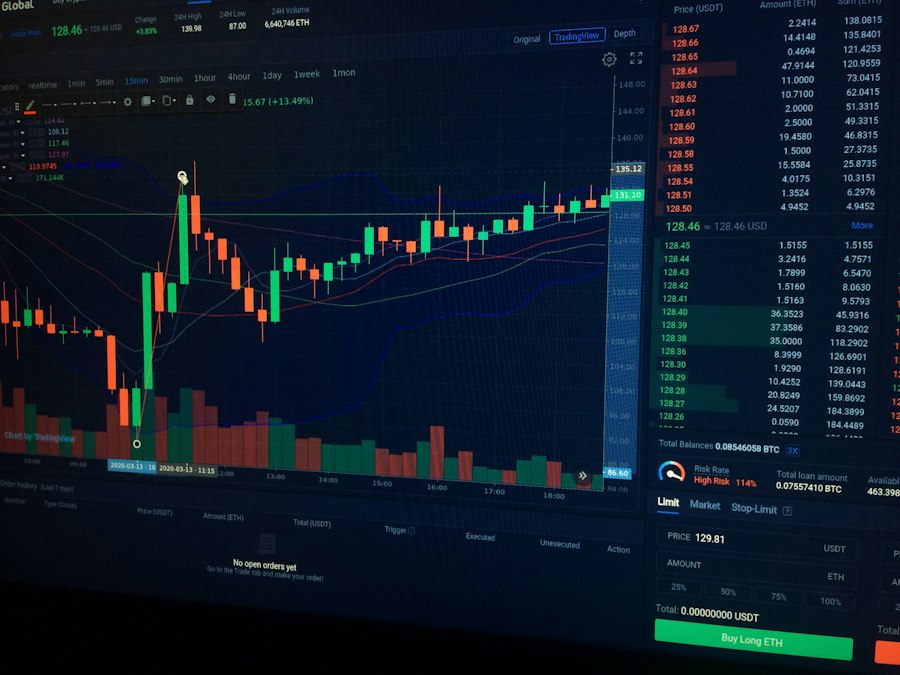
Once you’ve recognized the signs of impending volatility, the next logical step is to fortify your portfolio. This isn’t about abandoning your long-term goals, but about implementing defensive measures that protect your capital from significant drawdowns and position you to capitalize on opportunities that may arise from market dislocations.
Diversification as Your Shield: Spreading the Risk
Diversification remains the cornerstone of any sound investment strategy, and its importance is amplified during volatile periods. You must ensure your portfolio isn’t overly concentrated in any single asset class, sector, or geography. If you’re heavily invested in technology stocks, for example, and the tech sector experiences a sharp downturn, your entire portfolio will suffer disproportionately. A well-diversified portfolio includes a mix of equities, fixed income, real estate, commodities, and potentially alternative investments, each with different risk and return profiles. The goal is to have assets that perform well under different market conditions, so that a decline in one area is offset by gains or stability in another.
Rebalancing for Resilience: Bringing Your Allocations Back in Line
Market volatility inevitably throws your asset allocation out of balance. If your growth-oriented stocks outperform significantly, they might come to represent a larger percentage of your portfolio than you initially intended, increasing your overall risk profile. Conversely, if your defensive assets underperform, they might shrink to a smaller proportion, diminishing their protective effect. Rebalancing is the process of periodically selling assets that have grown beyond your target allocation and buying assets that have fallen below it. This disciplined approach forces you to sell high and buy low, effectively locking in some gains and acquiring assets at a discount. During volatile periods, you might consider more frequent rebalancing, perhaps quarterly, or even on a more tactical basis if significant market shifts occur. This ensures your portfolio consistently aligns with your desired risk tolerance.
Quality Over Quantity: Prioritizing Stronger Fundamentals
In uncertain times, you should be more discerning about the quality of your investments. Rather than chasing speculative or unproven assets, focus on companies and bonds with strong balance sheets, consistent cash flows, and proven business models. Companies that are less reliant on debt, have competitive advantages, and are less susceptible to economic downturns are better positioned to weather a storm. This means scrutinizing earnings reports, debt levels, and management quality. For fixed-income investors, this translates to favoring investment-grade bonds from stable issuers over high-yield or junk bonds, which are more sensitive to economic distress. Your focus shifts from aggressive growth to capital preservation and the ability of your holdings to withstand economic shocks.
The Role of Cash and Safe Havens: A Tactical Cushion
While keeping too much cash can drag on returns during bull markets, holding a strategic cash reserve can be invaluable during volatile periods. This “dry powder” allows you to take advantage of opportunities that arise when asset prices are depressed. It also provides a psychological buffer, reducing the temptation to sell other investments at a loss out of necessity. Beyond cash, consider traditional safe-haven assets like gold, certain government bonds (e.g., U.S. Treasuries), and currencies like the Swiss Franc. While these assets may not offer spectacular returns, their tendency to hold their value or even appreciate during times of uncertainty can provide crucial stability to your overall portfolio. The key is to determine an appropriate level of cash and safe-haven allocation based on your individual risk tolerance and time horizon.
Implementing Sweeping Changes: When and How to Adjust Your Investment Strategy
Identifying volatility and building a defensive portfolio are crucial first steps. The next, and often most challenging, is knowing when and how to implement sweeping changes. This involves a strategic review of your existing holdings and a decisive shift in your investment approach when necessary.
Trigger Points for Action: Defining Your Thresholds for Change
You shouldn’t make drastic changes to your portfolio on a whim. Instead, you need to define specific trigger points that will prompt you to act. These triggers could be based on objective market data, such as a significant drop in a major market index (e.g., a 10% or 20% decline in the S&P 500), a sustained increase in inflation beyond a certain percentage, or a change in interest rate policy that fundamentally alters the investment landscape. Alternatively, your triggers could be more personal, linked to changes in your financial situation, risk tolerance, or time horizon. For example, if you’re nearing retirement and significant market turmoil emerges, your risk tolerance might decrease, necessitating a shift towards more conservative assets. Clearly defined trigger points remove the emotional guesswork and ensure that your decisions are based on pre-determined criteria.
The Art of the Strategic Sell-Off: Divesting Underperforming or High-Risk Assets
When it’s time to make sweeping changes, a strategic sell-off is often necessary. This involves identifying assets within your portfolio that are no longer aligned with your investment objectives or have become unacceptably risky. This could mean divesting from sectors that are particularly vulnerable to economic downturns, exiting positions in companies with deteriorating fundamentals, or reducing exposure to highly speculative assets. The key here is to avoid a panicked, fire-sale approach. Instead, consider a phased approach to selling, particularly for large positions, to mitigate the impact on market prices. You might also consider tax implications before selling, as capital gains can erode your returns. Think about which assets are contributing the most risk with the least potential for future reward and prioritize their divestment.
Acquiring New Opportunities: Shifting Towards More Resilient Investments
Implementing sweeping changes also involves strategically acquiring new assets. This is where you reposition your portfolio to take advantage of the current market environment. If defensive sectors are undervalued due to broad market pessimism, this might be an opportune time to increase your allocation to them. Similarly, if inflation is a significant concern, you might consider investments that have historically performed well during inflationary periods, such as real estate or certain commodities. This also presents an opportunity to rebalance your portfolio, buying assets that have become cheaper due to volatility and selling those that have held up well or have become overvalued. The goal is to adjust your portfolio’s risk-return profile to better suit the prevailing economic conditions and your evolving financial goals.
The Importance of a Long-Term Perspective: Avoiding Short-Term Knee-Jerk Reactions
Crucially, even when implementing sweeping changes, you must maintain a long-term perspective. Volatility is often a temporary phenomenon. Making drastic changes based on short-term market fluctuations can be detrimental to your overall wealth accumulation. Your sweeping changes should be designed to navigate the current volatility while still keeping your long-term financial goals in sight. For instance, if you’re heavily invested in growth stocks and the market experiences a significant correction, you might trim some positions to reduce risk, but you shouldn’t abandon the growth potential of equities entirely if your time horizon is still decades away. The goal is to adjust, not to abandon, your long-term strategy.
In times of market volatility, investors often consider making sweeping portfolio changes to mitigate risks and capitalize on new opportunities. A related article discusses strategies for navigating these turbulent periods and emphasizes the importance of maintaining a balanced approach. For more insights on effective portfolio management during such cycles, you can read the full article here. By understanding the nuances of market fluctuations, investors can make informed decisions that align with their long-term financial goals.
Maintaining Discipline and Adaptability: The Ongoing Commitment to Portfolio Health
| Metric | Description | Typical Range During Volatile Cycles | Impact on Portfolio |
|---|---|---|---|
| Portfolio Turnover Rate | Percentage of portfolio assets bought or sold within a period | 50% – 150% | Higher turnover can increase transaction costs and tax liabilities |
| Volatility (Standard Deviation) | Measure of price fluctuations of portfolio assets | 15% – 40% | Higher volatility indicates greater risk and potential for rapid value changes |
| Drawdown | Peak-to-trough decline during a market cycle | 10% – 35% | Indicates potential loss magnitude during downturns |
| Liquidity Ratio | Proportion of portfolio in liquid assets | 20% – 60% | Higher liquidity allows for faster rebalancing and risk management |
| Sharpe Ratio | Risk-adjusted return measure | 0.2 – 1.0 | Lower ratios may reflect poor risk management during volatility |
| Sector Allocation Shift | Percentage change in sector weights after rebalancing | 10% – 40% | Reflects strategic shifts to manage risk or capture opportunities |
| Cash Position | Percentage of portfolio held in cash or equivalents | 5% – 30% | Higher cash positions provide flexibility during market uncertainty |
Navigating volatile markets isn’t a one-time event; it’s an ongoing commitment to maintaining discipline and adaptability in your investment approach. The market will continue to evolve, and your portfolio must evolve with it.
Regular Portfolio Reviews: Your Compass in Changing Climates
You must establish a routine for reviewing your portfolio. This isn’t just about checking your account balance; it’s a comprehensive assessment of your holdings, their performance, and their alignment with your current goals and risk tolerance. During volatile periods, these reviews might need to be more frequent. Consider scheduling quarterly or even monthly reviews. During these sessions, you should: analyze your asset allocation, assess the performance of individual holdings, re-evaluate the underlying fundamentals of your investments, and determine if any adjustments are needed based on market conditions and your personal circumstances. This regular oversight acts as your compass, ensuring you stay on course even when the seas are rough.
Emotional Resilience: Staying Calm Amidst the Storm
One of the greatest challenges in volatile markets is managing your emotions. Fear and greed are powerful impulses that can lead to costly mistakes. You might be tempted to sell everything when the market plunges, or to chase runaway gains when a sector is booming. Developing emotional resilience is paramount. This involves recognizing your emotional triggers, practicing mindfulness, and sticking to your pre-defined investment plan. Remind yourself of your long-term objectives and the fact that market downturns are a natural part of the investment cycle. If you find yourself consistently making emotional decisions, consider working with a financial advisor who can provide an objective perspective and help you stick to your strategy.
Learning and Adapting: Evolving Your Strategies with Market Intelligence
The financial landscape is constantly changing. New economic theories emerge, technologies disrupt industries, and geopolitical alignments shift. To effectively navigate volatility, you must commit to continuous learning and adaptation. Stay informed about market trends, economic developments, and new investment strategies. Read financial news from reputable sources, listen to expert analysis, and be open to re-evaluating your assumptions. The strategies that worked in a stable market might not be as effective in a volatile one, and vice versa. Your ability to learn from market experiences and adapt your strategies accordingly will be a key determinant of your long-term investment success. This might involve incorporating new types of assets, exploring different hedging strategies, or refining your risk management techniques.
The Value of Professional Guidance: When to Seek Expert Advice
There’s no shame in admitting that navigating complex and volatile markets can be challenging. For many investors, seeking the guidance of a qualified financial advisor can be an invaluable step. A good advisor can help you: develop a comprehensive investment plan, identify appropriate asset allocations, implement strategic portfolio changes, manage your emotions, and stay disciplined during turbulent times. They have the expertise and experience to analyze market conditions, identify potential risks and opportunities, and tailor strategies to your specific needs and goals. Don’t hesitate to leverage their knowledge and experience, especially when making significant portfolio adjustments.
Embracing Volatility as an Opportunity: Turning Market Swings into Strategic Gains
While volatility often conjures images of risk and uncertainty, it’s crucial to reframe your perspective. For the strategic and disciplined investor, market swings present fertile ground for opportunity. By understanding the forces at play and employing the right strategies, you can transform periods of heightened market movement into advantageous positions for future growth.
Buying Low, Selling High: The Core Principle of Market Cycles
Volatility inherently creates opportunities to buy assets at lower prices than they might command in stable markets. When fear grips the market, quality assets are often sold off indiscriminately alongside weaker ones. This provides you with the chance to acquire fundamentally sound investments at a discount. Conversely, during periods of irrational exuberance, volatility can be a signal to trim positions that have become overvalued, locking in profits and reallocating capital to more attractive opportunities. This disciplined approach to buying low and selling high, facilitated by market volatility, is a cornerstone of building long-term wealth. It requires patience, a robust understanding of valuation, and the courage to go against the prevailing market sentiment when your analysis dictates.
Strategic Reallocation and Tactical Shifts: Adjusting Your Course with Purpose
Volatile markets necessitate dynamic portfolio management. This is where the concept of sweeping portfolio changes truly comes into play, not as a reactionary measure, but as a deliberate reallocation of capital. For instance, if inflation is rising rapidly, you might strategically shift your portfolio away from fixed-income investments that are being eroded by rising prices and towards assets that tend to perform better in inflationary environments, such as real assets or equities with strong pricing power. Similarly, if geopolitical tensions are creating uncertainty in certain regions, you might tactically reduce exposure to those areas and reallocate capital to more stable markets. These are not wholesale abandonments of your long-term strategy, but rather calculated adjustments designed to optimize your portfolio’s performance within the current economic context.
Capitalizing on Mispricings: The Investor’s Edge in Turbulent Times
Volatility often leads to mispricings in the market. When assets are oversold due to panic, their intrinsic value may far exceed their current trading price. Similarly, when certain sectors are experiencing temporary headwinds, their long-term growth potential might be temporarily obscured, leading to undervaluation. Your ability to identify these mispricings, backed by thorough research and analysis, is where you can gain a significant edge. This requires a deep understanding of the underlying assets and the ability to differentiate between temporary market dislocations and fundamental declines. By patiently waiting for these opportunities and acting decisively when they arise, you can significantly enhance your portfolio’s future returns.
Enhancing Long-Term Growth Through Resilience and Opportunism
Ultimately, embracing volatility as an opportunity is about building a more resilient portfolio that is also positioned to capitalize on market dislocations. By actively managing risk through diversification and rebalancing, and by strategically adjusting your allocations in response to changing market conditions, you are not only protecting your capital but also actively seeking out opportunities to enhance long-term growth. The investor who can navigate volatility with a clear head and a strategic plan is the one who is most likely to achieve their financial goals, turning market turbulence into a powerful engine for wealth creation. Your proactive approach transforms potential threats into strategic advantages, ensuring your portfolio is not just surviving, but thriving, in the dynamic world of investing.

The 4% Retirement Mistake That’s Secretly Costing You Thousands
FAQs
What are portfolio changes during volatile market cycles?
Portfolio changes during volatile market cycles refer to adjustments made to an investment portfolio in response to sudden and significant fluctuations in the financial markets.
Why are sweeping portfolio changes necessary during volatile market cycles?
Sweeping portfolio changes are necessary during volatile market cycles to mitigate risks, protect investments, and take advantage of potential opportunities that arise during periods of market instability.
What are some common types of portfolio changes made during volatile market cycles?
Common types of portfolio changes made during volatile market cycles include reallocating assets, diversifying investments, adjusting risk exposure, and rebalancing the portfolio to maintain desired asset allocations.
How can investors determine when to make sweeping portfolio changes during volatile market cycles?
Investors can determine when to make sweeping portfolio changes during volatile market cycles by closely monitoring market trends, staying informed about economic indicators, consulting with financial advisors, and adhering to their investment goals and risk tolerance.
What are some potential risks associated with making sweeping portfolio changes during volatile market cycles?
Some potential risks associated with making sweeping portfolio changes during volatile market cycles include overreacting to short-term market fluctuations, incurring transaction costs, missing out on potential market recoveries, and deviating from a well-thought-out long-term investment strategy.