
You’ve reached a comfortable place in your career. Your income is substantial, your savings are growing, and you’ve earned the right to consider a significant life milestone: homeownership. Yet, as you stare at property listings and crunch numbers, a knot of anxiety tightens in your chest. This isn’t the joyous excitement you expected; it’s a pervasive unease, a feeling that despite your financial success, you’re somehow ill-equipped to navigate the complexities of buying a home. You’re not alone. High earners often face a unique set of anxieties when it comes to real estate, stemming from elevated expectations, the sheer magnitude of the investment, and sometimes, a lack of experience with this particular type of financial decision.
The Paradox of Plenty: Why High Earners Still Feel Anxious
It seems counterintuitive, doesn’t it? You’ve mastered the art of earning, you understand balance sheets, and you can likely afford a significant down payment. So why does the prospect of signing on the dotted line for a multi-million dollar property feel like walking a tightrope without a net? The answer lies in the very nature of the stakes. For many high earners, a home isn’t just a roof over your head; it’s a statement, a legacy, and a substantial portion of your accumulated wealth. This elevated significance naturally amplifies any potential risks.
The Sheer Scale of the Investment
When your income allows for larger loan amounts and more expensive properties, the sheer scale of the financial commitment can be overwhelming. A small percentage fluctuation in interest rates translates into tens of thousands of dollars over the life of the loan. A minor miscalculation in your budget could lead to significant strain, even with a high income. You’re not just buying a house; you’re potentially tying up a considerable portion of your net worth, and the thought of making the “wrong” decision on such a massive scale can be paralyzing. You’ve likely made smart investments in your career and perhaps even in the stock market, but a physical asset like real estate comes with its own distinct set of considerations – market downturns, unexpected repairs, and property taxes that can feel like a constant drain.
The Pressure of “Getting It Right”
Your professional life is likely characterized by a drive for excellence and achieving optimal outcomes. This success breeds an expectation that you should also excel at major personal decisions like buying a home. There’s a subtle, often internalized pressure to make the “perfect” choice, to find the ideal neighborhood, the most desirable features, and the best possible deal. This perfectionism can lead to endless analysis paralysis, where you become so focused on avoiding any potential misstep that you struggle to move forward at all. You might find yourself obsessing over details that are ultimately minor, postponing the decision indefinitely.
The Illusion of Financial Expertise
You’re comfortable with spreadsheets, understand tax implications in your professional sphere, and can likely hold your own in a discussion about market trends. However, the intricacies of residential real estate finance, the nuances of mortgage underwriting, the complexities of property inspections, and the legalities of title transfers are often entirely foreign territories. This disconnect between your general financial acumen and your specific knowledge of the housing market can breed insecurity. You might feel like you’re fumbling through a process where everyone else seems to know the game, even if that’s not the case. This lack of domain-specific confidence is a significant driver of anxiety.
For high-income earners, the process of home buying can often be accompanied by significant anxiety, as the stakes are higher and the expectations can be overwhelming. A related article that delves into this phenomenon is available at How Wealth Grows, where it explores the unique challenges faced by affluent buyers in the real estate market. This resource provides valuable insights into managing stress and making informed decisions when navigating the complexities of purchasing a home.
Unpacking Your Fears: Identifying the Root Causes
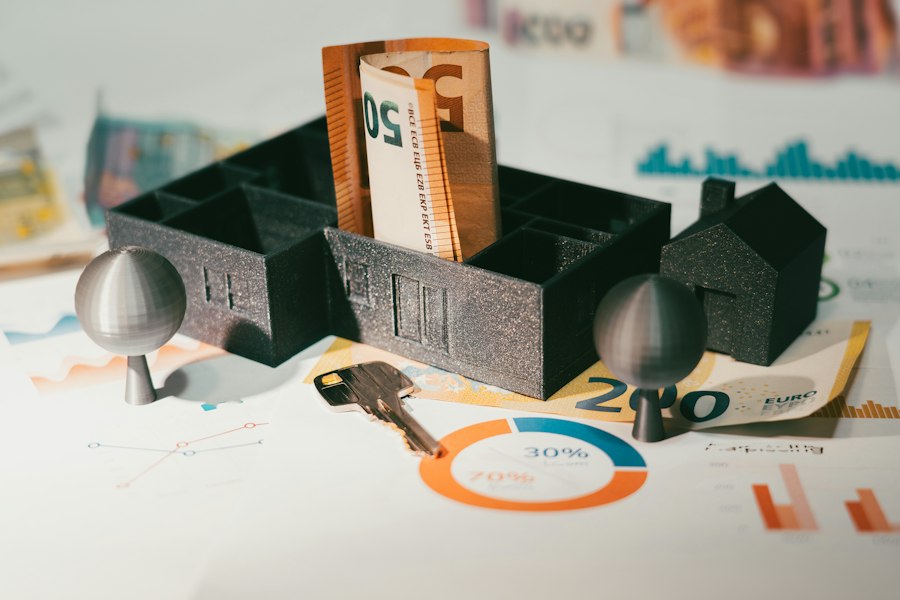
Before you can effectively navigate your homebuying anxiety, you need to understand where it’s coming from. It’s not enough to say “I’m anxious”; you need to pinpoint the specific triggers that are causing this unease. This self-awareness is the first and most crucial step towards developing coping mechanisms.
The Fear of Overextending
Even with a robust income, the thought of taking on a mortgage that stretches your finances too thin is a common worry. You might be accustomed to a certain lifestyle and the idea of significantly curtailing discretionary spending to accommodate mortgage payments, property taxes, and maintenance can be unsettling. This fear is often amplified by the long-term commitment of a mortgage, which can feel like a perpetual financial burden. You might envision scenarios where unexpected job loss or economic downturns make those payments unmanageable, leading to a sense of dread.
The Dread of Hidden Costs and Unexpected Repairs
The glossy brochures and perfectly staged open houses don’t always reveal the reality of homeownership. You might be acutely aware that a house, especially an older one, is a living entity that requires ongoing maintenance and can spring unexpected and expensive problems. The thought of a sudden roof leak, a faulty HVAC system, or a plumbing disaster at an inconvenient time can fuel significant anxiety. You might worry about the sheer unpredictability of these costs and whether your emergency fund will be sufficient.
The Concern About Future Market Fluctuations
While you might be confident in your current earning potential, the housing market is subject to its own cycles. The fear of buying at the peak of the market, only to see property values decline, can be a source of considerable stress. This is particularly true if you anticipate needing to sell the property in the future. You might worry about the possibility of being underwater on your mortgage or being unable to recoup your investment, which can feel like a significant financial setback after all your hard work.
The Intimidation of the Process Itself
The mortgage application process, the negotiations, the paperwork – it can all feel like a bureaucratic labyrinth designed to trip you up. You might worry about making a mistake in the paperwork, misunderstanding legal jargon, or being taken advantage of by experienced real estate agents or lenders. The sheer volume of information and the perceived complexity can be overwhelming, leading to a feeling of helplessness and a desire to simply avoid the entire ordeal.
Building Your Strategy: Practical Tools for Peace of Mind

Once you’ve identified the specific sources of your anxiety, you can begin to implement practical strategies to address them. This isn’t about eliminating all risk – that’s impossible – but about building confidence and a sense of control.
Assemble Your Expert Team
You wouldn’t attempt a complex surgical procedure without a skilled surgeon, and you shouldn’t navigate a major financial transaction like home buying without a team of trusted professionals. A good real estate agent is more than just someone who opens doors; they should be a seasoned negotiator and an expert in your target market. Seek out agents who specialize in the types of properties you’re considering and who have a strong track record.
Beyond your agent, you’ll need a reputable mortgage broker or lender. They can help you understand your financing options, secure the best rates, and guide you through the application process. Don’t be afraid to shop around and compare offers. A qualified real estate attorney is also crucial. They will review all contracts, ensure your title is clear, and protect your legal interests. Finally, a thorough home inspector is non-negotiable. They can identify potential issues that might not be apparent to the untrained eye, saving you from costly surprises down the line.
Rigorous Financial Planning and Stress Testing
As a high earner, you’re likely already adept at budgeting and financial planning. Now, apply those skills with laser focus to your home purchase. Create a detailed budget that includes not only your mortgage payment but also property taxes, homeowner’s insurance, potential HOA fees, and a realistic allocation for ongoing maintenance and repairs.
Don’t just create a best-case scenario budget; stress-test it. What happens if your income decreases by 10%? What if interest rates rise by 1%? How would these scenarios impact your ability to comfortably meet your financial obligations? This exercise can help you determine a price range that truly feels manageable and provides a cushion for unexpected events. Understanding your absolute maximum comfortable payment, and then aiming for a figure well below that, will provide significant peace of mind.
Thorough Property Research and Due Diligence
The anxiety around hidden costs and repairs can be significantly mitigated by diligent research and inspection. When you find a property you’re interested in, go beyond the surface. Research the neighborhood’s crime rates, school district performance (even if you don’t have children, this impacts resale value), and any local zoning or development plans that could affect your property or the surrounding area.
During the inspection process, don’t just passively observe. Ask your inspector detailed questions. Understand the age and condition of major systems like the roof, HVAC, plumbing, and electrical. If any significant issues are identified, don’t hesitate to ask for repair estimates from qualified contractors. This information is not only crucial for making an informed decision but can also be used as a negotiating tool.
Mindset Shifts: ReFraming Your Approach to Homeownership
Beyond practical steps, a shift in your mindset can profoundly impact your anxiety levels. It’s about reframing the experience from a high-stakes gamble to a calculated investment and a significant life enhancement.
Embracing Imperfection
The pursuit of the “perfect” home can be a significant source of anxiety. Recognize that very few homes are flawless. Instead of searching for perfection, focus on finding a home that meets your essential needs and has the potential for you to make it your own over time. Think about the long-term vision: can you renovate the kitchen in a few years? Is there room for landscaping improvements? Focusing on potential and the ability to customize can alleviate the pressure of finding an already perfect, and often more expensive, property.
Viewing Homeownership as an Investment, Not Just an Expense
While a home is a significant expense, it’s also a tangible asset that can appreciate over time. Shift your perspective to see it as an investment in your future and your financial well-being. This doesn’t mean ignoring the costs, but it reframes them within a broader context of wealth building. Think about the equity you’re building with each mortgage payment and the potential for your property to become a significant part of your net worth.
Focusing on What You Can Control
Many anxieties stem from the unknown and uncontrollable aspects of the housing market or future economic conditions. Instead of dwelling on these uncertainties, focus your energy on what you can control. You can control your financial preparedness, your choice of a professional team, the thoroughness of your research, and your negotiation strategy. By concentrating on these controllable elements, you can cultivate a sense of agency and reduce feelings of helplessness.
High-income earners often face unique challenges when it comes to home buying, leading to increased anxiety during the process. The pressure to find the perfect property that matches their lifestyle and investment goals can be overwhelming. For those looking to navigate these complexities, a helpful resource can be found in an insightful article on wealth management strategies at How Wealth Grows. This article offers valuable tips on making informed decisions while alleviating the stress associated with purchasing a home.
The Long View: Enjoying Your New Home and Future Financial Security
| Metric | Value | Notes |
|---|---|---|
| Percentage Experiencing Anxiety | 68% | High income earners reporting anxiety during home buying process |
| Primary Anxiety Cause | Market Volatility | Concerns about fluctuating home prices and interest rates |
| Average Anxiety Level (Scale 1-10) | 6.7 | Self-reported anxiety intensity |
| Top Financial Concern | Overpaying for Property | Fear of making a poor investment despite high income |
| Impact on Decision Time | +3 weeks | Additional time taken to finalize purchase due to anxiety |
| Use of Professional Advisors | 85% | Percentage consulting financial or real estate advisors to reduce anxiety |
| Effect on Offer Price | 2% below market average | Average discount sought due to anxiety-driven negotiation |
Ultimately, the goal of navigating home buying anxiety is not just to get through the process but to arrive at a place where you can genuinely enjoy your new home and feel confident about your financial future. The anxieties you’ve addressed during the buying process will pave the way for a more peaceful and fulfilling homeownership experience.
Beyond the Transaction: The Ongoing Rewards of Homeownership
Once the ink is dry and you’re settled in, take a moment to appreciate the accomplishment. You’ve navigated a complex process and secured a significant asset. The joy of personalizing your space, creating memories, and having a place that is truly yours can far outweigh the anxieties you experienced. Remember the reasons you wanted to buy a home in the first place – the stability, the sense of permanence, and the opportunity to build equity.
Maintaining Financial Prudence Post-Purchase
Your financial discipline shouldn’t end once you’ve closed on your home. Continue to prioritize your budget, maintain an emergency fund, and consider setting up a dedicated savings account for future home maintenance and potential upgrades. Proactive financial management will ensure that your home remains a source of security and enjoyment, rather than a recurring source of stress. Regularly review your mortgage statement, your property tax bill, and your homeowner’s insurance to ensure you’re still on track and that your coverage is adequate.
The Evolving Nature of Homeownership
Understand that homeownership is an evolving journey. Your needs and financial situation will change over time. The home you buy today might not be your forever home, and that’s perfectly fine. The skills and confidence you build navigating this first major real estate transaction will serve you well in any future property decisions you make. You’ve proven to yourself that you can tackle complex financial challenges, and that self-assurance is an invaluable asset in itself. You’ve earned your home, and you’ve earned the peace of mind that comes with thoughtful preparation and a resilient mindset.

Same House, Two Mortgage Offers—Which One Costs Less?
FAQs
What is home buying anxiety for high income earners?
Home buying anxiety for high income earners refers to the stress and worry that individuals with high incomes experience when purchasing a home, despite their financial means.
What are some common causes of home buying anxiety for high income earners?
Common causes of home buying anxiety for high income earners include fear of making a poor investment, concerns about overextending financially, pressure to buy a “perfect” home, and worries about the competitive real estate market.
How can high income earners manage home buying anxiety?
High income earners can manage home buying anxiety by setting a realistic budget, working with a trusted real estate agent, conducting thorough research on the housing market, and seeking support from financial advisors or therapists if needed.
Are there specific strategies for high income earners to navigate the home buying process?
High income earners can navigate the home buying process by prioritizing their needs and wants in a home, being flexible with their expectations, considering all financial implications, and staying informed about the current real estate trends.
Is home buying anxiety common among high income earners?
Yes, home buying anxiety is common among high income earners as they may feel additional pressure to make a significant financial decision and fear the potential risks associated with purchasing a home.