You’re probably feeling it already. That prickle of unease when you see your electricity bill inch upwards, or maybe a more pointed alarm when it jumps. You might blame rising gas prices, or a particularly harsh winter. But a groundbreaking study from MIT is shedding light on a powerful, often unseen, force quietly contributing to those rising costs: the insatiable appetite of data centers for electricity.
The Silent Surge: Understanding the Scale of Data Center Power Consumption
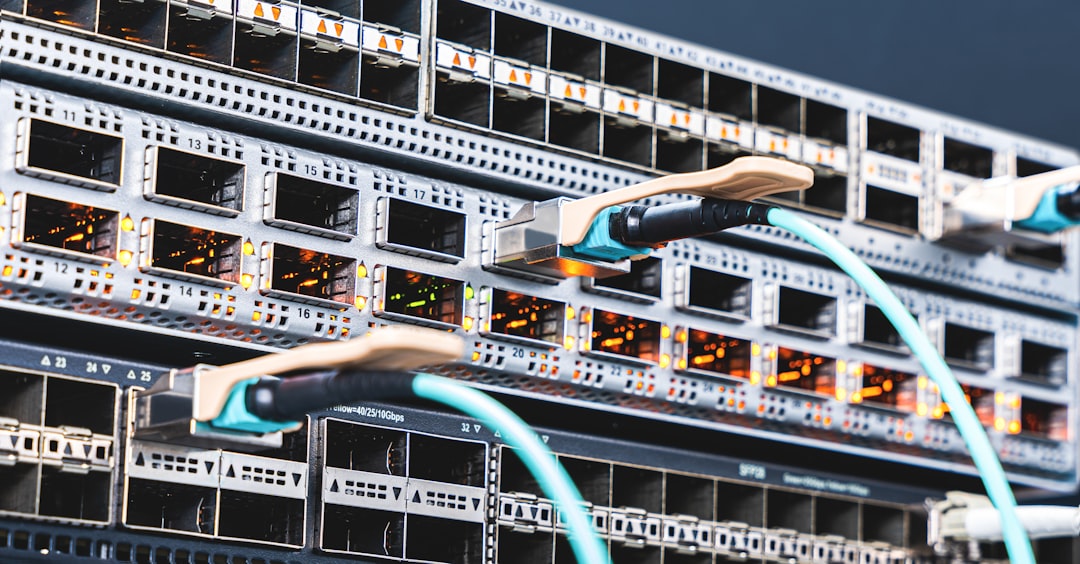
You might imagine data centers as humming, sterile rooms filled with blinking lights. And they are, but their unassuming facade hides a colossal demand for power. This isn’t just about keeping a few servers cool; it’s about powering the digital backbone of our modern world. Everything you do online, from streaming your favorite shows to sending an email, relies on these energy-hungry behemoths. MIT’s research is finally quantifying this impact, demonstrating that the digital revolution comes with a tangible, and increasingly expensive, energy price tag.
The Unseen Infrastructure of Your Digital Life
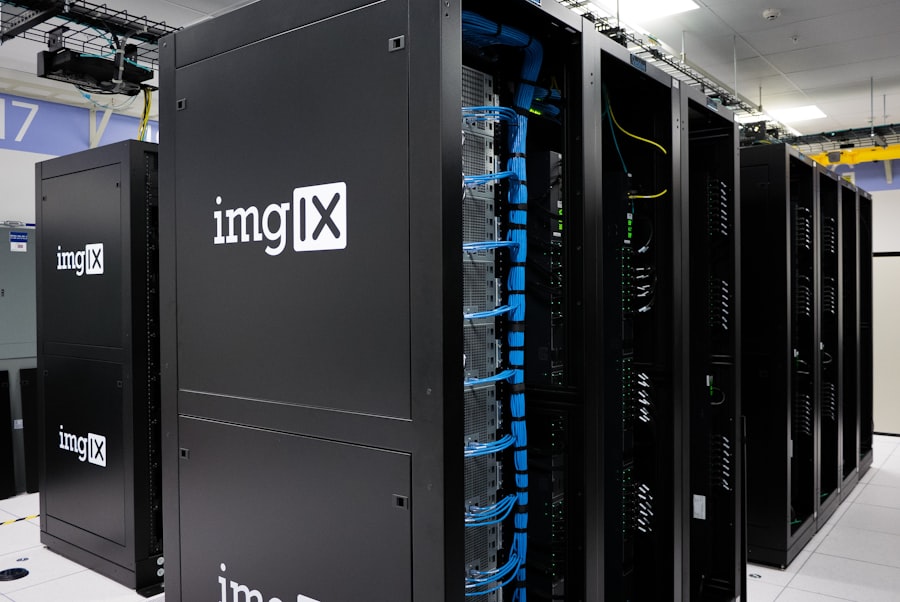
Think about your daily routine. You wake up, check your phone for notifications – those notifications were processed by a data center. You browse social media, stream music, order groceries online, engage in video calls for work or with family. Every single one of these actions requires the processing and storage of vast amounts of data. And where does all that data live? In data centers. These are not just warehouses; they are complex ecosystems of servers, cooling systems, and power infrastructure, all working tirelessly, 24/7. You interact with them constantly, even if you never see them. The ubiquity of digital services means the demand for data center power is not a niche issue; it’s a fundamental component of how you live your life.
From Gigabytes to Gigawatts: The Exponential Growth Curve
The sheer volume of data being generated and processed globally is staggering. Studies show that the total amount of data in the world doubles every couple of years. This exponential growth directly translates into an exponential need for more computing power, and consequently, more electricity. MIT’s study highlights that this isn’t a slow, linear increase. We are witnessing a rapid surge in data center electricity consumption, a trend that shows no signs of abating. This means the pressure on the grid, and on your wallet, will only intensify if this trajectory continues unchecked.
A recent MIT study highlights the alarming rise in electricity rates for data centers, which are becoming increasingly vital in our digital age. As these facilities consume vast amounts of energy, the implications for both operational costs and environmental sustainability are significant. For further insights on the economic impacts of energy consumption and how it relates to wealth generation, you can read a related article at How Wealth Grows.
The Energy Footprint: More Than Just Servers
When you think about data center energy use, your mind probably goes straight to the servers themselves – the workhorses of the digital realm. However, the MIT study emphasizes that the power consumption of data centers is a far more complex equation. The servers are just one piece of a much larger, energy-intensive puzzle.
The Critical Role of Cooling Systems
Imagine cramming thousands of powerful computers into a confined space. They generate an immense amount of heat. If this heat isn’t dissipated effectively, the equipment will overheat, malfunction, and eventually fail. This is where cooling systems come into play. These systems, which often involve massive air conditioning units, chillers, and sophisticated airflow management, are not merely supplementary; they are a fundamental necessity for data center operation. In fact, in many cases, the energy required to cool the data center can rival or even exceed the energy consumed by the servers themselves. You might not see these cooling units directly, but they are working overtime, silently consuming significant amounts of electricity to keep your digital world running smoothly. The efficiency of these cooling systems is therefore paramount in determining the overall energy footprint of a data center.
Powering the Ancillary Infrastructure
Beyond servers and cooling, data centers require a vast network of ancillary infrastructure to function. This includes uninterruptible power supplies (UPS) to ensure continuous operation during power outages, generators for backup power, transformers to manage voltage, and extensive cabling for power distribution. These components, while less glamorous than the servers, are all energy consumers. They are essential for maintaining the reliability and uptime that modern businesses and consumers expect from data centers. The robust nature of this infrastructure, designed to withstand even the most severe disruptions, comes at an energy cost, contributing to the overall electricity demand.
The Impact on Your Electricity Bill: A Hidden Tax
You’ve likely noticed your electricity bills creeping up over time. While many factors contribute to this, the MIT study provides a crucial insight: data centers are a significant, and often overlooked, driver of this increase. Their escalating demand is placing a substantial burden on the electricity grid, a burden that is ultimately passed on to consumers like you.
Grid Strain and Infrastructure Investment
The sheer volume of electricity required by data centers places a considerable strain on the existing power grid. To accommodate this growing demand, utility companies often need to invest heavily in upgrading and expanding their infrastructure. This includes building new power plants, reinforcing transmission lines, and improving distribution networks. These capital expenditures are not absorbed by the data center operators alone; they are typically recouped through increased electricity rates for all customers. You are, in essence, subsidizing the expansion of the grid to support the ever-growing needs of the digital economy.
The Price of Reliability: Demand Charges and Peak Loads
Data centers operate 24/7, demanding a constant supply of power. This sustained high demand can contribute to peak load periods, especially when combined with other societal electricity needs. Utility companies often implement demand charges, which penalize large consumers for drawing excessive power during these peak times. While data centers aim for consistent usage, their overall consumption contributes to the aggregate demand that influences these pricing structures. Furthermore, the need for absolute reliability means data centers often pay a premium for electricity, including investments in grid stability and backup power, which can translate into higher wholesale electricity prices that ultimately impact your retail rates.
Towards a Greener Digital Future: Solutions and Innovations
The MIT study’s findings, while concerning, are not a cause for despair. Instead, they serve as a critical call to action, prompting innovation and the exploration of more sustainable solutions for data center operations. The good news is that researchers, engineers, and industry leaders are actively pursuing ways to mitigate the energy impact of data centers.
Energy Efficiency Measures: The Low-Hanging Fruit
The most immediate and impactful solutions often lie in improving energy efficiency. This encompasses a range of strategies, from optimizing server utilization to adopting more efficient cooling technologies. For instance, advanced cooling techniques like liquid cooling can be significantly more efficient than traditional air cooling. Furthermore, “free cooling” methods, which leverage ambient outside air for cooling when temperatures are favorable, can drastically reduce energy consumption. Data center operators are increasingly investing in these technologies, recognizing that efficiency not only benefits the environment but also leads to significant cost savings. Your ability to access these services at a reasonable price is directly linked to the industry’s success in adopting these efficiencies.
Renewable Energy Integration: Powering the Future Sustainably
A significant portion of the electricity consumed by data centers is still generated from fossil fuels. However, there’s a growing trend towards integrating renewable energy sources like solar and wind power into data center operations. Many large tech companies are making commitments to power their data centers with 100% renewable energy. This involves directly purchasing renewable energy credits, building their own renewable energy farms, or signing long-term power purchase agreements with renewable energy providers. As the cost of renewable energy continues to fall, this becomes an increasingly viable and attractive option, not just for environmental reasons but also for long-term cost stability, which can eventually translate to more stable electricity prices for you.
Innovations in Hardware and Software: Reducing the Computing Load
Beyond infrastructure, there’s also a focus on reducing the energy needed for computation itself. This includes developing more energy-efficient processors and hardware. Software optimization plays a crucial role too. By designing more efficient algorithms and reducing redundant processing, the amount of work a server needs to do can be significantly decreased, leading to lower energy consumption. Think of it as optimizing the instructions given to the computers. The more streamlined and efficient the instructions, the less energy is required to execute them. This is an ongoing area of research and development, and its impact on your future electricity costs is substantial.
A recent MIT study has highlighted the alarming rise in electricity rates for data centers, which has significant implications for the tech industry and its sustainability efforts. As companies increasingly rely on these facilities to store and process vast amounts of data, understanding the factors driving these costs becomes crucial. For further insights into the economic impacts of rising operational expenses, you can explore a related article that discusses how these changes affect overall business strategies and growth opportunities. Check it out here.
Your Role in the Equation: Awareness and Advocacy
While the technical solutions are being developed, you also have a role to play in navigating the rising electricity costs associated with data centers. Your awareness of the issue and your engagement with these developments can contribute to broader change.
Making Informed Choices as a Consumer
As a consumer, you have more power than you might realize. When choosing streaming services, cloud storage providers, or other digital services, consider their stated commitments to sustainability and energy efficiency. While it may not be the primary factor in every decision, it’s becoming increasingly important to support companies that are taking their environmental responsibilities seriously. Some companies are more transparent about their energy usage and their efforts to reduce it. By favoring these providers, you send a clear message to the market that sustainability matters.
Advocating for Policy and Regulation
Beyond individual consumer choices, advocating for supportive policies and regulations is crucial. Governments can incentivize the development and adoption of energy-efficient technologies for data centers, as well as promote the integration of renewable energy sources. This could involve tax breaks for green data center development, stricter energy efficiency standards, or investments in grid modernization that accommodate a higher proportion of renewables. Engaging with your elected officials and supporting organizations that champion these policies can have a far-reaching impact on the future of energy costs and environmental sustainability. Your voice, combined with others, can influence the direction of policy and ensure that the digital economy develops in a way that is both innovative and responsible.
Is AI About to Make Your Electric Bill Even Higher?
FAQs
What did the MIT study on data centers and electricity rates reveal?
The MIT study found that the electricity rates for data centers have been rising at a significant rate, and this trend is expected to continue in the future.
What are the factors contributing to the rising electricity rates for data centers?
The study identified several factors contributing to the rising electricity rates for data centers, including increasing demand for data processing and storage, as well as the energy-intensive nature of data center operations.
How do rising electricity rates for data centers impact businesses and consumers?
Rising electricity rates for data centers can lead to increased operational costs for businesses that rely on data processing and storage, which may ultimately be passed on to consumers in the form of higher prices for goods and services.
What are some potential solutions to address the rising electricity rates for data centers?
The MIT study suggests that improving energy efficiency in data center operations, investing in renewable energy sources, and implementing demand response programs could help mitigate the impact of rising electricity rates for data centers.
What are the implications of the MIT study findings for the future of data center operations?
The MIT study findings underscore the need for continued innovation and investment in sustainable energy solutions for data centers, as well as the importance of considering the environmental and economic impacts of data center operations.