You’re a Minnesotan, and you pay an electricity bill. That bill, for many of you, is influenced by a growing, often unseen force: data centers. These massive facilities, humming with servers and requiring colossal amounts of electricity, are a significant part of our modern economy. But their energy demands raise important questions about fairness, affordability, and who ultimately bears the cost. This article dives into the crucial topic of Minnesota data center ratepayer protections, exploring how the state is working to ensure you, the everyday consumer, don’t get a raw deal when it comes to your electricity rates.
You might not interact with a data center directly, but you rely on them every single day. From streaming your favorite shows and browsing social media to conducting online banking and even powering critical infrastructure, data centers are the silent engines of the digital world. Their insatiable appetite for electricity is a direct consequence of this constant activity.
The Scale of Data Center Operations
Imagine a building the size of several football fields, filled floor-to-ceiling with blinking lights and whirring fans. That’s a simplified picture of a large data center. These facilities house thousands, even millions, of servers that process, store, and transmit vast quantities of data. Each of these servers, along with the cooling systems necessary to prevent them from overheating, consumes a significant amount of energy. The collective demand of a single data center can be equivalent to powering tens of thousands of homes. As the digital economy continues to expand, so does the need for these facilities, leading to a substantial and growing demand for electricity.
Why Electricity is So Crucial
Electricity isn’t just a utility for data centers; it’s their lifeblood. It powers the servers that perform complex computations, the storage devices that hold our digital memories, and the intricate networking equipment that connects them all. Beyond the core IT infrastructure, a substantial portion of a data center’s energy consumption is dedicated to cooling. The heat generated by countless processors working at full throttle must be dissipated to maintain optimal operating temperatures. Without robust cooling, equipment failure is imminent. Furthermore, data centers require highly reliable power sources, often with redundant systems and backup generators, all of which consume energy.
The Economic Incentives Driving Data Center Growth
Minnesota, like many other states, is eager to attract and retain businesses that contribute to economic growth and create jobs. Data centers, with their substantial capital investments and operational expenditures, are highly sought-after tenants. To compete for these projects, states and local governments often offer incentives, such as tax breaks and streamlined permitting processes. While these incentives can bring economic benefits, they also raise concerns about how the cost of the electricity needed to power these facilities is allocated. This is where ratepayer protections become paramount, ensuring that the pursuit of economic development doesn’t disproportionately burden existing electricity consumers.
In recent discussions surrounding Minnesota’s data center ratepayer protections, a relevant article can be found that delves into the implications of such regulations on local economies and energy consumption. This article provides insights into how these protections can benefit consumers while also addressing the environmental concerns associated with data centers. For more information, you can read the article here: How Wealth Grows.
The Impact of Data Centers on Your Electricity Bill
When a new, power-hungry data center sets up shop in your utility’s service territory, it changes the dynamics of electricity supply and demand. This can have a ripple effect that eventually touches your monthly bill, even if you don’t directly see the data center’s name on it. Understanding these connections is key to appreciating the need for protective measures.
Increased Demand and Grid Strain
The sheer volume of electricity required by a data center significantly increases the overall demand on the local power grid. This increased demand can put a strain on existing infrastructure, potentially requiring costly upgrades to transformers, transmission lines, and substations. These infrastructure improvements, while necessary for overall grid reliability, are often factored into the rates that all customers pay. If the data center isn’t contributing its fair share to these necessary upgrades, the burden can fall more heavily on residential and small business customers.
Load Factor and Cost Allocation
Electricity rates are not simply a flat per-kilowatt-hour charge. Utilities often use complex rate structures that consider factors like “load factor,” which is the ratio of average power demand over a period to the peak power demand over that same period. Data centers, with their consistent and high energy consumption, can sometimes have a favorable load factor. However, the way their demand is accounted for in the overall rate structure can influence how costs are allocated among different customer classes. If their consumption patterns aren’t accurately reflected in cost-causation studies, it can lead to a situation where other customers subsidize their energy use.
The Role of Special Contracts and Rate Adjustments
To attract large industrial customers like data centers, utilities may offer them special contracts with customized rates. These contracts can sometimes deviate from the standard rate structures available to most customers. While these special contracts can be designed to reflect the unique characteristics of a large industrial user’s consumption, they also open the door for potential imbalances. Without robust oversight and clear accounting, these special arrangements could shift fixed costs and demand charges onto other customer classes, leading to higher rates for you. This is precisely why mechanisms for transparency and fairness are so vital.
Minnesota’s Approach to Ratepayer Protections

Minnesota has recognized the growing influence of data centers on its energy landscape and has begun to implement measures to ensure that the benefits of this economic activity are shared equitably and that your electricity rates remain affordable. This involves a multi-pronged approach, encompassing regulatory oversight, legislative action, and public engagement.
Regulatory Oversight by the Public Utilities Commission (PUC)
The Minnesota Public Utilities Commission (PUC) plays a central role in safeguarding the interests of electricity consumers. The PUC is responsible for approving utility rates, ensuring that they are just and reasonable, and that utilities operate efficiently. When it comes to data centers, the PUC’s authority is crucial. They have the power to scrutinize proposed special contracts, review the cost-of-service studies that underpin rate design, and ensure that any rate adjustments benefiting data centers do not unfairly disadvantage other ratepayers. This regulatory oversight acts as a critical check on the potential for rate disparities.
Legislative Efforts and Policy Development
The Minnesota Legislature also has a role to play in shaping data center policy and ratepayer protections. Lawmakers can enact legislation that sets clear guidelines for how data center electricity consumption is treated, mandates transparency in rate-setting, and establishes criteria for incentive programs. These legislative actions provide a framework for the PUC’s regulatory activities and can proactively address concerns before they lead to widespread rate impacts. The ongoing dialogue between legislators, utilities, data center operators, and consumer advocates is essential for developing effective and balanced policies.
The Importance of Transparency and Public Input
For ratepayer protections to be truly effective, transparency is paramount. You, as a ratepayer, have a right to understand how your electricity rates are determined and how major industrial consumers like data centers are impacting those rates. This means that utilities and the PUC should make information about data center contracts, cost studies, and rate proposals readily accessible to the public. Public comment periods and opportunities for advocacy groups to participate in regulatory proceedings are also vital. Your voice, and the voices of consumer advocacy organizations, can influence decisions and ensure that the interests of ordinary Minnesotans are considered.
Specific Mechanisms for Protecting Your Rates

Beyond the general principles of oversight and policy, Minnesota employs specific mechanisms to directly protect your electricity rates from the potential negative impacts of data center growth. These mechanisms are designed to ensure that the costs associated with serving these large energy users are properly allocated and that any economic benefits are realized without undue burden on residential and small business customers.
Cost-of-Service Studies and Rate Design
At the heart of fair rate setting are cost-of-service studies. These studies are conducted by utilities and reviewed by the PUC to determine the actual costs associated with providing electricity to different customer classes. For data centers, these studies are crucial for accurately allocating their share of infrastructure costs, demand charges, and energy expenses. The goal is to ensure that each customer class pays for the services they receive and the costs they impose on the system. Without robust cost-of-service studies that specifically account for the unique consumption patterns and infrastructure needs of data centers, there’s a risk that these costs could be shifted.
Prohibiting Cross-Subsidization
A fundamental principle of ratepayer protection is the prohibition of cross-subsidization. This means that one group of customers should not be forced to subsidize the costs of another group. In the context of data centers, this translates to ensuring that the lower rates or special contracts offered to data centers do not come at the expense of higher rates for residential or small commercial customers. The PUC has a clear mandate to prevent such imbalances, and ratepayer advocates actively work to ensure this principle is upheld in all rate-setting proceedings.
Ensuring Fair Contributions to Grid Upgrades
As mentioned earlier, the increased electricity demand from data centers often necessitates upgrades to the power grid. Ratepayer protections aim to ensure that data centers contribute their fair share to the cost of these necessary infrastructure improvements. This could be through direct contributions, specific rate components that reflect their impact on the grid, or by ensuring that the overall cost-of-service studies accurately capture the infrastructure demands they place on the system. Without this fair contribution, the burden of these expensive upgrades could disproportionately fall on existing ratepayers.
In recent discussions surrounding Minnesota’s data center ratepayer protections, it is essential to consider the broader implications of energy policies on local economies. A related article explores how these protections can impact both consumers and businesses, highlighting the importance of sustainable energy practices. For more insights on this topic, you can read the full article here. Understanding these dynamics is crucial for stakeholders as they navigate the evolving landscape of energy consumption and regulation.
The Future of Data Centers and Ratepayer Protection in Minnesota
| Protection Measure | Description |
|---|---|
| Rate Transparency | Ensures that ratepayers have access to clear and understandable information about their energy costs. |
| Consumer Advocacy | Provides a platform for ratepayers to voice their concerns and seek assistance in dealing with data center energy costs. |
| Regulatory Oversight | Government agencies monitor and regulate data center energy rates to prevent unfair practices and ensure reasonable costs for ratepayers. |
The relationship between data centers and electricity rates is an evolving one. As technology advances and the digital economy continues to grow, the demands placed on our energy infrastructure will only increase. Minnesota’s commitment to ratepayer protection will need to adapt and remain vigilant to ensure fairness and affordability for all.
Evolving Energy Demands and Technologies
The energy landscape is constantly changing. Advancements in data center efficiency, the increasing adoption of renewable energy sources, and the development of more sophisticated grid management technologies will all influence how data centers consume electricity and how their costs are allocated. Ratepayer protections need to be flexible enough to accommodate these changes, ensuring that new technologies and energy strategies benefit all consumers, not just large industrial users. For example, if data centers invest heavily in on-site renewable generation, how will that impact their overall contribution to grid reliability and fixed cost recovery?
The Importance of Ongoing Dialogue and Advocacy
The work of protecting ratepayer interests is never truly finished. It requires ongoing dialogue between utilities, data center operators, regulatory bodies, and most importantly, consumer advocacy groups and the public. Continued advocacy from organizations representing residential and small business customers is essential to ensure that their concerns are heard and addressed. This includes participating in public hearings, submitting comments on proposed rate changes, and supporting legislative efforts that prioritize consumer protection.
Minnesota’s Commitment to a Balanced Approach
Minnesota has shown a commitment to fostering economic growth while simultaneously safeguarding the interests of its citizens. The development of robust data center ratepayer protections is a testament to this balanced approach. By understanding the complexities of data center energy consumption and actively working to implement fair and transparent rate-setting mechanisms, Minnesota aims to ensure that the digital revolution benefits everyone, not just a select few, and that your electricity bill remains predictable and affordable. You deserve to know that the growth of these powerful industries is not coming at your expense.
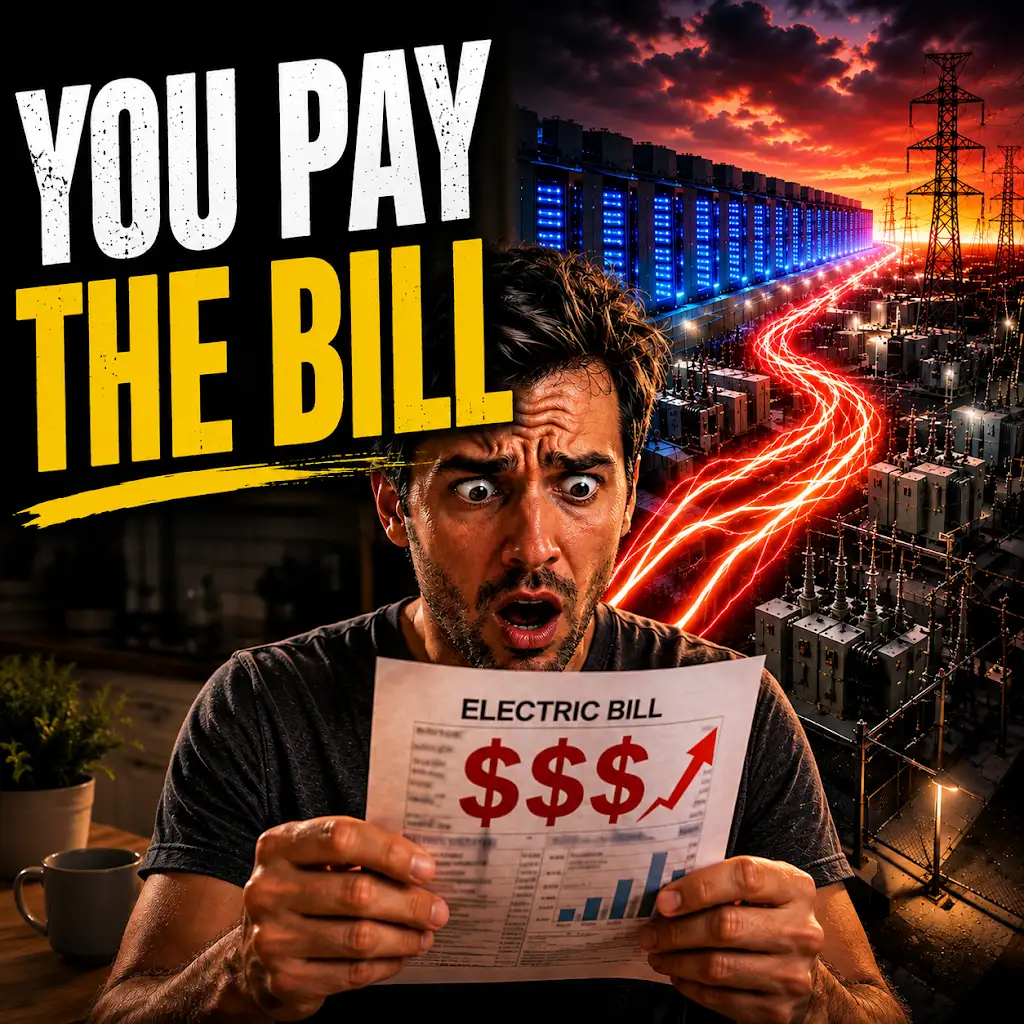
Is AI About to Make Your Electric Bill Even Higher?
FAQs
What are the ratepayer protections for data centers in Minnesota?
In Minnesota, data centers are eligible for ratepayer protections under the state’s Public Utilities Commission (PUC) regulations. These protections include negotiated rates for electricity and other utility services.
How do data centers qualify for ratepayer protections in Minnesota?
To qualify for ratepayer protections in Minnesota, data centers must meet certain criteria, such as minimum investment thresholds and job creation requirements. The PUC evaluates each data center’s application for ratepayer protections on a case-by-case basis.
What are the benefits of ratepayer protections for data centers in Minnesota?
Ratepayer protections for data centers in Minnesota can result in cost savings for electricity and other utility services. This can make the state more attractive for data center investment and expansion, leading to economic development and job creation.
Are there any limitations to ratepayer protections for data centers in Minnesota?
While ratepayer protections can provide cost savings for data centers in Minnesota, there may be limitations on the duration of these protections or the specific services that are eligible for negotiated rates. Data centers should consult with the PUC for detailed information.
How do ratepayer protections for data centers in Minnesota compare to other states?
Ratepayer protections for data centers vary by state, with some offering more generous incentives and others having more stringent criteria. Data center operators should carefully evaluate the regulatory environment in each state when considering new locations for their facilities.