You stand on the precipice of a crucial decision, one that will reverberate through your organization’s financial health and operational agility for years to come. You’re not just looking at building a data center; you’re contemplating the very foundation of your digital infrastructure, and the cost of that foundation is a significant piece of the puzzle. This is where the concept of shared infrastructure within your data center becomes not just an option, but a strategic imperative for maximizing efficiency and controlling costs.
Gone are the days when each department or application had its own dedicated, siloed hardware, leading to underutilization and escalating expenses. Today, you have the opportunity to harness the power of shared infrastructure, a model that allows you to pool resources, optimize their use, and ultimately drive down the total cost of ownership (TCO) for your data center operations. This article will guide you through the intricacies of this approach, empowering you to make informed decisions and unlock significant cost savings.
To truly grasp the power of shared infrastructure, you must first understand its fundamental components. This isn’t about simply putting all your servers in one room; it’s about a deliberate and strategic allocation of resources that benefits everyone.
The Core Tenets of Resource Pooling
At its heart, shared infrastructure is about pooling your resources. Think of it like a communal kitchen in an apartment building. Instead of each tenant having their own oven, refrigerator, and dishwasher, they share a central set of appliances. This dramatically reduces the number of appliances needed overall, leading to lower initial purchase costs, reduced maintenance, and simplified upkeep. In the data center context, this translates to sharing:
Compute Resources: The Engine of Your Operations
Your servers are the engines that power your applications and processes. In a traditional model, each critical application might have its own dedicated server, even if that server is only operating at 20% capacity. With shared infrastructure, you virtualize your compute resources. This means a single physical server can host multiple virtual machines (VMs), each acting as an independent server for a specific application or workload. This allows you to:
- Dramatically increase hardware utilization: Instead of a single application hogging a powerful server, multiple applications can share the processing power, memory, and storage of a single, more robust machine. This ensures that your expensive hardware is working harder and smarter for you.
- Reduce the number of physical servers: Fewer physical servers mean less rack space, less power consumption, less cooling, and less physical maintenance. The impact on your capital expenditure (CapEx) and operational expenditure (OpEx) is substantial.
- Enable dynamic workload allocation: If one application experiences a surge in demand, you can dynamically allocate more resources from the shared pool to that VM without needing to procure new hardware. Conversely, if demand decreases, resources can be reallocated to other needy applications.
Storage Solutions: The Memory of Your Enterprise
Just as compute resources can be pooled, so too can your storage. Instead of each application or department having its own dedicated storage arrays, you can implement a shared storage architecture. This often involves:
- Network-Attached Storage (NAS) and Storage Area Networks (SAN): These technologies allow multiple servers to access a common pool of storage. NAS is ideal for file-level access, while SAN provides block-level access for high-performance applications.
- Storage Virtualization: This layer of abstraction allows you to present a unified pool of storage from disparate hardware. You can then carve out logical storage volumes for different applications, offering flexibility and ease of management.
- Tiered Storage: Not all data requires the same speed or performance. Shared storage allows you to implement tiered storage strategies, placing frequently accessed “hot” data on high-performance SSDs and less frequently accessed “cold” data on slower, more cost-effective HDDs. This optimizes both performance and cost.
- Data Deduplication and Compression: Modern shared storage solutions often incorporate advanced features like deduplication and compression. Deduplication eliminates redundant copies of data, while compression reduces the physical space required to store it. These technologies can significantly reduce your storage footprint and associated costs.
Networking Infrastructure: The Arteries of Connectivity
The network that connects your servers, storage, and users is another prime candidate for sharing. Instead of dedicated network switches and firewalls for each segment, you can implement a more consolidated and intelligent network design.
- Virtualization of Network Functions (NFV): Similar to server virtualization, NFV allows you to run network functions (like firewalls, load balancers, and routers) as software on commodity hardware. This reduces the need for specialized, expensive network appliances.
- Software-Defined Networking (SDN): SDN separates the control plane from the data plane of network devices, allowing for centralized management and programmability. This enables greater agility, faster deployment of new network services, and more efficient resource utilization.
- Oversubscription and Bandwidth Management: In a shared network environment, you can strategically oversubscribe bandwidth, meaning the total potential demand can exceed the available physical capacity. This is acceptable because not all users or applications will demand maximum bandwidth simultaneously. Sophisticated bandwidth management tools ensure that critical applications always have the necessary resources, while less critical ones can share the remaining capacity.
When considering the financial implications of data center shared infrastructure costs, it’s essential to explore various perspectives on the topic. A related article that delves into the nuances of these expenses can be found at this link. This resource provides valuable insights into how shared infrastructure can impact overall operational efficiency and cost management in data centers, making it a worthwhile read for anyone interested in optimizing their IT investments.
Strategic Advantages of Shared Infrastructure
The benefits of shared infrastructure extend far beyond simple cost reduction. You’re not just saving money; you’re gaining agility, resilience, and operational simplicity.
Enhancing Operational Agility and Flexibility
The ability to adapt quickly to changing business needs is paramount in today’s dynamic environment. Shared infrastructure provides you with the agility to:
Rapid Deployment of New Services and Applications
When a new project or application comes online, the traditional approach might involve lengthy procurement cycles for new hardware. With shared infrastructure, you can provision virtual resources (VMs, storage volumes, network segments) in minutes or hours, not weeks or months. This accelerates your time to market and allows you to be more responsive to business opportunities.
- Self-Service Portals: Implementing self-service portals for IT can empower developers and business units to request and deploy resources themselves, further reducing lead times and freeing up IT staff for more strategic initiatives.
- Automation and Orchestration: The ability to automate resource provisioning and management is a direct outcome of shared infrastructure. Orchestration platforms can seamlessly manage the deployment, scaling, and de-provisioning of virtual resources, ensuring consistency and efficiency.
Scalability on Demand
Your business needs fluctuate. There will be periods of peak demand and periods of relative quiet. Shared infrastructure allows you to scale your resources up or down seamlessly to meet these demands.
- Elasticity: The ability to automatically scale resources based on real-time demand is a hallmark of cloud computing, and it’s achievable within your own data center through well-designed shared infrastructure. If an application suddenly experiences a surge in traffic, the underlying virtualization platform can automatically spin up additional VMs or allocate more resources from the shared pool.
- Capacity Planning Simplification: While you still need to plan for growth, shared infrastructure significantly simplifies capacity planning. Instead of predicting the exact hardware needs for individual applications, you focus on the overall capacity of your shared resource pools.
Improving Resource Utilization and Reducing Waste
One of the most significant financial advantages of shared infrastructure is its ability to combat the pervasive problem of underutilized hardware.
Eliminating Siloed and Underperforming Assets
In traditional data centers, you often find individual servers or storage arrays that are barely utilized. These are costly assets that sit idle or perform at a fraction of their potential. Shared infrastructure consolidates these resources, ensuring that every piece of hardware is working towards a common goal.
- Consolidated Reporting and Monitoring: With shared infrastructure, you can gain a holistic view of your resource utilization. Centralized monitoring tools allow you to identify bottlenecks, over-provisioned resources, and opportunities for further optimization across your entire infrastructure.
- Right-Sizing Resources: By observing the actual resource consumption of your applications, you can “right-size” your virtual resources. This means allocating only the necessary CPU, memory, and storage to each VM, preventing over-provisioning and reclaiming wasted capacity.
Maximizing the ROI of Your Capital Investments
Every dollar you spend on hardware should generate maximum value for your organization. Shared infrastructure directly contributes to this by:
- Lowering Acquisition Costs: By reducing the overall number of physical servers, storage devices, and network appliances required, you significantly decrease your initial capital expenditure.
- Extending Hardware Lifecycles: With higher utilization rates, your hardware assets are more productive throughout their lifespan. This can delay the need for costly hardware refresh cycles.
- Optimizing Power and Cooling Expenses: Fewer physical devices mean less power consumption and less heat generation, leading to substantial savings on your electricity bills and HVAC systems.
Key Considerations for Implementing Shared Infrastructure

While the benefits are compelling, successful implementation requires careful planning and strategic execution. You can’t simply throw all your hardware together and expect magic to happen.
Virtualization as the Cornerstone
Virtualization is the engine that drives shared infrastructure. You must have a robust virtualization strategy in place.
Choosing the Right Virtualization Platform
Your choice of virtualization platform (e.g., VMware vSphere, Microsoft Hyper-V, KVM) will have a profound impact on your ability to implement and manage shared infrastructure. Consider:
- Scalability and Performance: Can the platform handle your current and future workload demands?
- Management Tools and Ecosystem: Are there comprehensive tools for provisioning, monitoring, and automation? What is the vendor’s support and community like?
- Licensing Costs: Understand the licensing model and its potential impact on your TCO.
- Feature Set: Does it offer advanced features like live migration, high availability, and disaster recovery that are crucial for a shared environment?
Designing for High Availability and Disaster Recovery
In a shared environment, a single point of failure can have a cascading impact. Robust HA and DR solutions are non-negotiable.
- Redundant Hardware Components: Ensure your physical infrastructure (power supplies, network interfaces, storage controllers) is redundant.
- Clustering and Failover: Implement clustering for your hypervisors and critical applications to ensure automatic failover in case of hardware failure.
- Regular Backups and Offsite Replications: Critical data must be backed up regularly and, for disaster recovery purposes, replicated to an offsite location.
- Testing Your DR Plan: A DR plan is only effective if it’s tested. Regularly conduct drills to ensure your recovery processes are sound.
Storage Architecture and Management
Efficiently managing your shared storage is critical to unlocking its full potential.
Implementing a Multi-Tiered Storage Strategy
As mentioned earlier, not all data is created equal. A well-defined multi-tiered storage strategy is essential for cost optimization and performance.
- Performance Tiers: High-performance SSDs for transactional databases and mission-critical applications.
- Capacity Tiers: High-capacity HDDs for less frequently accessed data, backups, and archives.
- Cloud Tiering: Consider integrating cloud storage as a lower-cost tier for long-term archival or disaster recovery.
- Automated Data Placement: Explore solutions that can automatically move data between tiers based on access patterns and predefined policies.
Ensuring Data Security and Compliance
With data residing in a shared pool, robust security measures are paramount.
- Access Control Lists (ACLs) and Role-Based Access Control (RBAC): Implement strict access controls to ensure only authorized users and applications can access specific data.
- Data Encryption: Encrypt data at rest and in transit to protect it from unauthorized access.
- Auditing and Logging: Maintain comprehensive audit trails of all data access and modification activities.
- Compliance Requirements: Ensure your shared storage architecture meets all relevant industry and regulatory compliance standards (e.g., GDPR, HIPAA).
Network Design and Optimization
Your network needs to be as agile and efficient as your compute and storage.
Embracing Software-Defined Networking (SDN)
SDN offers unprecedented control and flexibility over your network infrastructure.
- Centralized Management: A single pane of glass to manage your entire network, simplifying configuration and troubleshooting.
- Programmability and Automation: The ability to programmatically configure network policies and automate network tasks.
- Micro-segmentation: Enhances security by allowing you to create granular network segments, limiting the lateral movement of threats.
- Dynamic Bandwidth Allocation: Reallocate network bandwidth dynamically based on application needs and priorities.
Implementing Network Segmentation and Security Policies
Even within a shared network, segmentation is crucial for security and performance isolation.
- VLANs and Virtual Network Functions (VNFs): Utilize VLANs to logically segment your network traffic and VNFs for firewalling and intrusion detection.
- Quality of Service (QoS): Prioritize critical application traffic to ensure consistent performance.
- Firewalling and Intrusion Prevention Systems (IPS): Implement robust security measures at network perimeters and within segments.
The Role of Automation and Orchestration
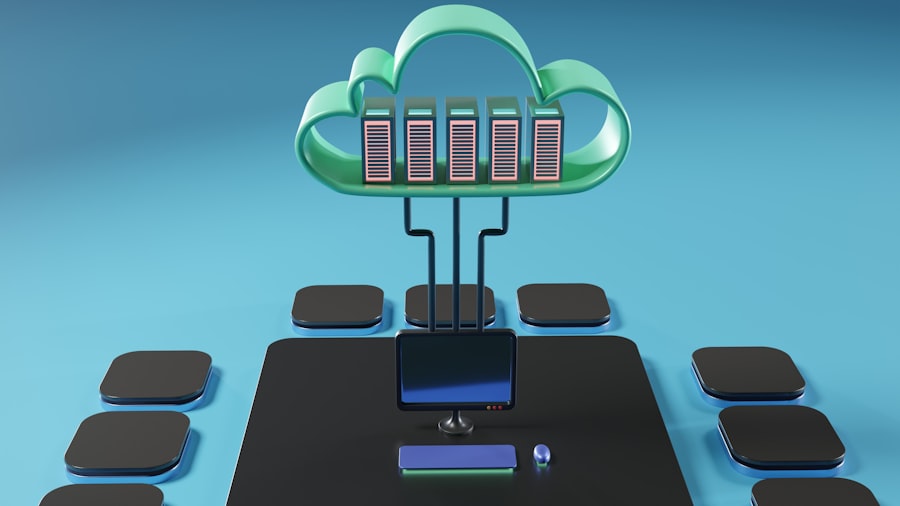
The true power of shared infrastructure is unlocked through automation and orchestration. These technologies transform manual processes into efficient, repeatable workflows.
Streamlining Operations and Reducing Human Error
Automation is key to maximizing the efficiency of your shared infrastructure.
Automated Provisioning and De-provisioning
The ability to automatically provision and de-provision virtual resources based on predefined templates and policies is a game-changer.
- Infrastructure as Code (IaC): Treat your infrastructure like software, defining it in code that can be version-controlled, tested, and deployed.
- Self-Service IT: Empower users to request and deploy resources through automated workflows, reducing the burden on IT staff.
- Automated Patching and Updates: Automate the patching and updating of your virtualized infrastructure to ensure security and stability.
Proactive Monitoring and Alerting
Automated monitoring systems can detect potential issues before they impact your users.
- Performance Thresholds: Set alerts for when resource utilization reaches predefined thresholds, indicating a need for scaling or investigation.
- Health Checks: Regularly perform automated health checks on your virtual machines and underlying infrastructure.
- Predictive Analytics: Leverage tools that can analyze historical data to predict potential issues and proactively address them.
Orchestration for Complex Workflows
Orchestration platforms go beyond simple automation by coordinating multiple automated tasks into complex workflows.
Managing Multi-Tiered Application Deployments
Deploying a multi-tiered application (e.g., web server, application server, database) can involve many steps. Orchestration platforms can automate this entire process.
- Defining Application Blueprints: Create templates that define the entire stack of resources and configurations required for an application.
- Coordinated Resource Allocation: Orchestrate the provisioning of compute, storage, and network resources in the correct order.
- Automated Configuration Management: Ensure applications are configured correctly once the underlying infrastructure is in place.
Facilitating Disaster Recovery and Business Continuity
Orchestration plays a vital role in ensuring a smooth and rapid recovery during a disaster.
- Automated Failover and Failback: Orchestrate the seamless failover of applications and services to your DR site and the subsequent failback to your primary site once the issue is resolved.
- Predefined Recovery Plans: Develop and test comprehensive recovery plans that can be automatically executed by the orchestration platform.
- Reduced Recovery Time Objectives (RTOs) and Recovery Point Objectives (RPOs): By automating and streamlining the DR process, you can significantly reduce your RTOs and RPOs, minimizing business impact.
Understanding the financial implications of data center shared infrastructure costs is crucial for businesses looking to optimize their IT expenditures. A related article that delves into this topic can be found at How Wealth Grows, where insights on managing shared resources and reducing overhead costs are discussed. By exploring these strategies, companies can make informed decisions that enhance their operational efficiency while keeping expenses in check.
The Future of Shared Infrastructure and Cost Optimization
“`html
| Category | Costs |
|---|---|
| Hardware | XXXXX |
| Software | XXXXX |
| Networking | XXXXX |
| Power and Cooling | XXXXX |
| Security | XXXXX |
“`
The landscape of data center infrastructure is constantly evolving, and shared infrastructure is at the forefront of this evolution.
Embracing Cloud-Native Architectures and Technologies
As you continue to optimize your data center, consider how cloud-native principles can be applied, even within your on-premises environment.
Containerization and Microservices
Technologies like Docker and Kubernetes are fundamentally changing how applications are built and deployed. These technologies are inherently designed for shared, dynamic environments.
- Portability: Containerized applications are highly portable, allowing them to run consistently across different environments.
- Resource Efficiency: Containers are much lighter than VMs, leading to higher density and more efficient resource utilization.
- Agility and Scalability: Microservices architectures, when combined with container orchestration, enable rapid scaling and independent development of application components.
Serverless Computing Models
While often associated with public cloud, serverless concepts can be explored within your own data center to further abstract away infrastructure management and optimize costs for event-driven workloads.
- Pay-per-Execution: You only pay for the compute time consumed when your code is actually running.
- Automatic Scaling: The underlying platform automatically scales resources to meet demand.
- Reduced Operational Overhead: The cloud provider (or your internal platform) manages the underlying infrastructure.
Continuous Optimization and Cost Management
Shared infrastructure isn’t a one-time implementation; it’s an ongoing process of refinement and optimization.
Establishing Key Performance Indicators (KPIs) for Efficiency
To effectively manage costs, you need to measure and track your progress. Define KPIs such as:
- Server Utilization Rate: The percentage of time your servers are actively processing.
- Storage Utilization Rate: The percentage of your provisioned storage that is actively being used.
- Network Bandwidth Utilization: The average and peak usage of your network links.
- Power and Cooling Efficiency (PUE): The ratio of total data center energy to IT equipment energy.
- TCO per Application/Service: The total cost of ownership for each application or service, including infrastructure, software, and support.
Regular Audits and Performance Reviews
Schedule regular audits of your infrastructure and performance reviews to identify new opportunities for optimization.
- Right-sizing Reviews: Periodically review the resource allocation for your VMs and adjust them as needed.
- Technology Refresh Planning: As your hardware ages, leverage your shared infrastructure model to plan for efficient upgrades and replacements.
- Vendor Contract Reviews: Regularly review your vendor contracts for software licenses, support agreements, and hardware maintenance to ensure you are getting the best value.
By embracing the principles of shared infrastructure, you are not merely cutting costs; you are building a more resilient, agile, and efficient data center that can adapt to the ever-changing demands of your business. This strategic approach will empower you to maximize the return on your technology investments and position your organization for sustained success in the digital age.

Is AI About to Make Your Electric Bill Even Higher?
FAQs
What is data center shared infrastructure costs?
Data center shared infrastructure costs refer to the expenses associated with the shared resources and facilities within a data center, such as power, cooling, networking, and physical security.
Why are data center shared infrastructure costs important?
Data center shared infrastructure costs are important because they impact the overall operational expenses of a data center. Understanding and managing these costs is crucial for optimizing efficiency and maximizing cost savings.
What are some common components of data center shared infrastructure costs?
Common components of data center shared infrastructure costs include electricity for power distribution and cooling systems, networking equipment and bandwidth, physical security measures such as access control and surveillance, and maintenance and support services.
How are data center shared infrastructure costs typically allocated among tenants or users?
Data center shared infrastructure costs are often allocated among tenants or users based on factors such as power usage, space utilization, or a predetermined allocation formula. This allocation method ensures that each tenant or user pays their fair share of the shared infrastructure costs.
What are some strategies for optimizing data center shared infrastructure costs?
Strategies for optimizing data center shared infrastructure costs include implementing energy-efficient technologies, consolidating and virtualizing IT resources, leveraging cloud services, and regularly monitoring and analyzing usage patterns to identify opportunities for cost savings.