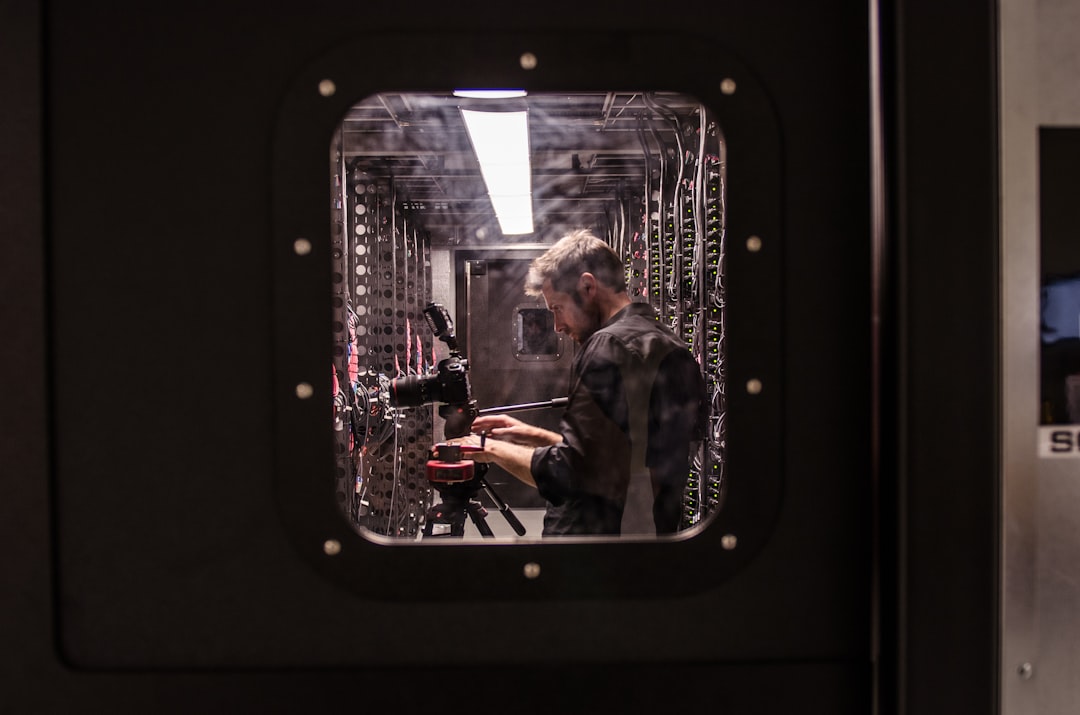
You’re standing at the threshold of a data center, the hum of powerful machinery a tangible force. This isn’t just about server racks and blinking lights; it’s about a fundamental interplay between physical access and the invisible, yet critical, flow of electricity. For you, the data center operator, maximizing efficiency means understanding and optimizing every facet of this relationship, especially when it comes to the ever-fluctuating cost of electricity. Your operations hinge on a delicate balance, and the price you pay for power directly impacts your bottom line, your sustainability goals, and your ability to innovate. This article will guide you through the critical considerations of data center entry and electricity prices, empowering you to make informed decisions that drive efficiency and profitability.
You know that getting your operations running smoothly, from the physical ingress of equipment to the seamless delivery of power, is paramount. This isn’t a simple cause-and-effect scenario; it’s a deeply intertwined nexus. The choices you make regarding your data center’s physical layout and accessibility directly influence your energy consumption patterns, and conversely, the price you pay for electricity dictates the feasibility and scope of your operations. This section delves into how these two seemingly disparate elements converge to impact your overall efficiency.
Understanding Your Physical Footprint
Before you can even think about negotiating electricity prices, you need a clear understanding of your physical data center environment. This isn’t just about square footage; it’s about the efficiency of your design and its inherent energy demands.
Site Selection and Its Energy Implications
Where you choose to build or house your data center is a foundational decision with long-term energy ramifications. Think about the climate – extreme temperatures demand more robust cooling systems, driving up electricity consumption. Proximity to renewable energy sources or grids with lower-cost power can significantly influence your operating expenses from the outset. Consider also the availability of skilled labor for maintenance and the potential for future expansion, all of which have indirect energy costs associated with them.
Facility Design for Optimal Airflow and Cooling
The very architecture of your data center is a critical factor in its energy efficiency. Hot and cold aisle containment, for instance, is not just a best practice; it’s a fundamental strategy for directing airflow and minimizing the mixing of air, thus reducing the energy needed for cooling.
Hot and Cold Aisle Containment Strategies
You’ve likely seen these configurations. In a hot aisle, server exhaust heat is directed away from the equipment. In a cold aisle, cool air is delivered to the front of the servers. Properly implemented containment minimizes the amount of energy wasted by cooling areas that don’t require it and prevents the recirculation of hot air, which can lead to server overheating and increased fan speeds.
The Role of Raised Floors and Overhead Cooling
The debate continues, but the choice between raised floors and overhead cooling systems has tangible impacts on your energy consumption. Raised floors can facilitate underfloor air distribution, while overhead systems can offer more flexibility in certain layouts. Each has its own advantages and disadvantages concerning airflow, cable management, and ultimately, the energy required to maintain optimal temperatures.
Equipment Density and Its Power Demands
The density of your server racks directly correlates with power consumption. More servers packed into a smaller space mean higher heat loads and, consequently, greater cooling demands. You need to strike a balance between maximizing computing power and managing your energy footprint.
Balancing Compute Power with Thermal Load
You’re always pushing the boundaries of what your infrastructure can handle. But as you increase the density of your servers, you must simultaneously assess and plan for the corresponding increase in heat generation. This isn’t a static problem; it requires continuous monitoring and adjustment.
Electricity Price Dynamics: Beyond the Meter
Understanding the raw cost of electricity is only the beginning. You need to delve into the complex world of pricing structures, market fluctuations, and the various factors that influence what you ultimately pay.
Understanding Your Utility’s Rate Structure
Not all electricity is created equal when it comes to pricing. Your utility provider likely offers various rate structures, each with its own implications for your operational costs.
Time-of-Use (TOU) Pricing
This is a crucial one for you. Time-of-use pricing means the cost of electricity varies depending on the time of day and, sometimes, the day of the week. Peak hours, when demand is highest, will naturally be more expensive. You can leverage this knowledge by shifting non-critical workloads to off-peak hours.
Demand Charges
Beyond the sheer amount of energy consumed (kilowatt-hours), your utility may also charge you based on your peak demand (kilowatts). This is the highest amount of power you draw at any single moment. High, sudden spikes in demand can lead to significant charges. Understanding and managing your peak demand is a vital component of efficiency.
Fixed vs. Variable Rates
Some contracts offer fixed rates for a set period, providing price predictability. Others have variable rates tied to market indices, offering potential savings but also introducing price volatility. Your risk tolerance and forecasting capabilities will inform your preference.
The Influence of External Market Factors
Your electricity bill isn’t determined solely by your consumption; it’s also subject to a broader economic and environmental landscape.
Fuel Prices and Their Impact
The cost of generating electricity is heavily influenced by the price of fossil fuels like natural gas and coal. Fluctuations in these commodities directly translate to changes in your electricity rates.
Renewable Energy Mandates and Incentives
Governments and regulatory bodies are increasingly pushing for renewable energy adoption. These mandates and incentives can affect the overall cost of electricity, sometimes driving down prices for renewables while potentially increasing costs for traditional sources. You need to stay abreast of these changes.
Grid Stability and Transmission Costs
The reliability of your local power grid and the costs associated with transmitting electricity from power plants to your data center also play a role in your overall bill.
In the ever-evolving landscape of data centers, the interplay between entry regulations and fluctuating electricity prices has become a critical topic for industry stakeholders. A related article that delves into these issues can be found at this link. It explores how rising electricity costs impact operational decisions and the importance of understanding regulatory frameworks for new data center entrants.
Optimizing Data Center Entry for Energy Efficiency
You’re not just letting equipment in; you’re creating a carefully orchestrated entry process that minimizes disruption and maximizes the energy efficiency of your operations from the ground up.
Streamlining the Physical Ingress Process
The physical movement of hardware into your data center might seem mundane, but it has direct implications for energy management.
Controlled Entry Points and Access Management
Limiting entry points and implementing strict access protocols not only enhances security but also helps manage environmental controls. Imagine the energy lost every time a door is left ajar in a temperature-controlled environment.
Minimizing Air Infiltration
Every breach in your data center’s envelope, whether it’s a poorly sealed door or an unmanaged cable opening, allows uncontrolled air to enter. This compromises your temperature control and forces your cooling systems to work harder.
Efficient Rack and Equipment Installation
The way you install your equipment can have a significant impact on airflow and cooling efficiency.
Proper Cable Management for Airflow
Tangled cables are not just an aesthetic problem; they can obstruct airflow, creating hot spots and forcing fans to work overtime. Meticulous cable management is a critical aspect of energy efficiency.
Seating Equipment for Optimal Cooling
Ensuring that servers are correctly seated in racks and that any blanking panels are in place prevents the recirculation of hot exhaust air back into the cold aisle.
Integrating Power Delivery with Infrastructure Design
The seamless integration of your power infrastructure with your data center’s physical design is crucial for preventing energy waste.
Power Distribution Units (PDUs) and Their Placement
The strategic placement of PDUs and the efficiency of your power distribution network directly impact energy loss.
Minimizing Voltage Drop
The further electricity has to travel from the source to your equipment, the greater the voltage drop and the higher the energy loss. Strategically locating PDUs closer to your loads can mitigate this.
Intelligent PDUs for Monitoring and Control
Modern intelligent PDUs offer granular monitoring of power consumption at the outlet level, allowing you to identify and address energy inefficiencies in real-time. You can even remotely switch off idle equipment.
Redundancy and Its Energy Footprint
Your commitment to high availability necessitates redundancy in your power systems, but this redundancy can also be a source of energy inefficiency if not managed correctly.
Understanding N, N+1, 2N Architectures
You’re familiar with these designations. Each level of redundancy comes with its own power infrastructure, and you need to understand how each contributes to your overall energy consumption.
Optimizing UPS Efficiency
Uninterruptible Power Supplies (UPS) are vital, but they also consume power themselves. You need to ensure your UPS systems are operating at their optimal efficiency levels and consider their load when making purchasing decisions.
Leveraging Electricity Price Information for Operational Advantage

You’re not a passive recipient of electricity bills; you’re an active player who can use price data to your strategic advantage. This section focuses on how you can harness information about electricity prices to optimize your data center’s operations and reduce costs.
Proactive Energy Procurement Strategies
Gone are the days of simply accepting whatever price your utility offers. You can and should be proactive in your energy procurement.
Negotiating Power Purchase Agreements (PPAs)
For larger data centers, direct negotiation of Power Purchase Agreements with utilities or independent power producers can lead to more favorable and predictable pricing. This often involves longer-term commitments.
Understanding Contract Terms and Clauses
When negotiating PPAs, you need to be a shrewd negotiator. Understand every clause, from pricing escalators to termination penalties.
The Role of Renewable Energy PPAs
As sustainability becomes a critical business imperative, securing PPAs for renewable energy sources offers a dual benefit: cost predictability and a reduced carbon footprint.
Exploring On-Site Generation and Storage
Reducing your reliance on the grid by generating your own power or storing it for later use can offer significant cost savings and enhance resilience.
Solar and Other Renewable Energy Generation
The feasibility of on-site solar or other renewable generation depends on your location, available space, and local regulations. However, it can significantly offset your grid electricity consumption.
Battery Storage Solutions
Battery storage systems can be used to store electricity during off-peak hours when prices are low and discharge it during peak hours, effectively hedging against high electricity costs. They also provide valuable backup power.
Dynamic Workload Management for Cost Optimization
Your ability to shift and manage workloads based on electricity prices is a powerful tool for efficiency.
Implementing Load Balancing Based on Price Signals
You can use real-time price data to dynamically shift non-critical workloads to periods when electricity is cheaper. This requires sophisticated monitoring and automation.
Predictive Analytics for Future Pricing
Leveraging predictive analytics can help you anticipate future price fluctuations, allowing you to make proactive decisions about workload scheduling and resource allocation.
Demand Response Programs
Your utility may offer demand response programs that incentivize you to reduce your electricity consumption during peak demand periods. Participating in these programs can earn you credits or rebates.
Continuous Monitoring and Optimization
The data center environment is constantly evolving, and so too must your approach to energy efficiency.
Real-time Energy Monitoring Systems
Investing in comprehensive real-time energy monitoring systems is non-negotiable. These systems provide the granular data you need to understand where your energy is going and identify areas for improvement.
Identifying Energy Spikes and Anomalies
These systems will alert you to unexpected spikes in energy consumption, allowing you to investigate the cause and take corrective action before it significantly impacts your costs.
Benchmarking and Performance Analysis
Regularly benchmarking your data center’s energy performance against industry standards and your own historical data is essential for identifying trends and measuring the effectiveness of your optimization efforts.
The Future of Data Center Entry and Electricity Prices: Innovation and Sustainability

You’re not just managing today; you’re planning for tomorrow. The landscape of data center operations and electricity pricing is constantly evolving, driven by technological advancements and an increasing focus on sustainability.
Advancements in Cooling Technologies
Innovations in cooling are directly impacting energy consumption.
Liquid Cooling Solutions
As server densities continue to increase, traditional air cooling is becoming less efficient. Liquid cooling, which involves directly circulating liquid coolants to IT components, offers significantly higher thermal efficiency.
Immersion Cooling
A more advanced form of liquid cooling, immersion cooling involves submerging entire servers in a dielectric fluid. This offers unparalleled cooling capabilities and can lead to substantial energy savings.
Free Cooling and Evaporative Cooling
Leveraging ambient air temperatures to cool your data center, known as free cooling, can dramatically reduce reliance on mechanical cooling systems. Evaporative cooling also utilizes water evaporation to lower temperatures.
The Rise of Edge Computing and its Energy Implications
As computing power moves closer to the source of data generation, edge computing presents new challenges and opportunities for energy management.
Decentralized Power Needs
Edge deployments often involve smaller, distributed facilities. Managing the energy needs and pricing for these numerous smaller sites requires a different approach than a centralized mega-data center.
Optimizing Power for Remote and Distributed Environments
You’ll need to consider power sources and pricing strategies that are suitable for a wide range of locations, potentially including more localized renewable energy solutions.
Smart Grid Integration and Demand-Side Management
The evolution of the power grid itself will have a profound impact on how you manage your data center’s energy consumption.
Bidirectional Power Flow
Future grids may allow for bidirectional power flow, enabling data centers to not only consume but also supply power back to the grid during periods of high demand or surplus renewable generation.
Data Center as a Grid Resource
This shift positions your data center as an active participant in grid stability, potentially creating new revenue streams and further optimizing your energy costs.
The Role of AI and Machine Learning in Energy Optimization
Artificial intelligence and machine learning will become increasingly vital in predicting energy needs, optimizing workload placement, and dynamically adjusting power consumption in response to grid signals and price fluctuations. You’ll be able to automate complex decisions that are currently managed manually.
As the demand for data centers continues to rise, understanding the implications of electricity prices becomes increasingly important for operators and investors alike. A recent article highlights the challenges faced by data centers in managing their energy costs while maintaining efficient operations. For more insights on this topic, you can read the full article on how wealth grows by following this link. This resource provides valuable information on the intersection of energy consumption and data center management, helping stakeholders navigate the complexities of the industry.
Your Role as a Data Center Operator: A Call to Action
| Country | Data Center Entry Cost | Electricity Prices |
|---|---|---|
| United States | High | Medium |
| Germany | Medium | High |
| China | Low | Low |
You hold the keys to significant energy efficiencies within your data center. This isn’t just about saving money; it’s about responsible stewardship of resources and contributing to a more sustainable future.
Continuous Learning and Adaptation
The world of data center operations and energy markets is dynamic. Your commitment to continuous learning about new technologies, pricing models, and regulatory changes is paramount.
Staying Informed on Energy Market Trends
Actively follow energy market news, utility updates, and government policy changes that could impact your electricity costs and procurement options.
Investing in Employee Training
Ensure your operations and IT teams are well-trained in energy-efficient practices, from airflow management to dynamic workload scheduling. Knowledge is your most valuable asset.
Embracing Innovation and Technological Adoption
Don’t shy away from new technologies that promise greater energy efficiency.
Evaluating New Hardware and Software Solutions
Regularly assess new server hardware, cooling systems, and power management software that offer demonstrable improvements in energy efficiency.
Piloting and Implementing New Strategies
Be willing to pilot new energy-saving strategies and technologies to identify what works best for your specific data center environment.
Advocating for Energy-Efficient Policies
Your voice matters. Advocate for policies that encourage energy efficiency and the adoption of renewable energy sources.
Engaging with Utilities and Regulators
Build relationships with your utility providers and engage with regulatory bodies to influence the development of favorable energy policies for data centers.
Sharing Best Practices within the Industry
Collaborate with your peers in the data center industry to share best practices and collective knowledge, driving efficiency across the sector.
You are at the forefront of digital infrastructure, and your decisions regarding data center entry and electricity prices have far-reaching consequences. By understanding the intricate relationship between your physical environment and the energy market, and by proactively embracing innovation and intelligent strategies, you can not only maximize your operational efficiency but also contribute to a more sustainable and cost-effective digital future. The hum of your data center can be a testament to your efficiency, powered by informed decisions and a commitment to continuous improvement.
Is AI About to Make Your Electric Bill Even Higher?
FAQs
What is a data center entry?
A data center entry refers to the physical location where data centers are housed. It includes the building, security measures, and access points for personnel and equipment.
What are electricity prices in data centers?
Electricity prices in data centers can vary depending on location, energy provider, and the amount of power consumed. Generally, data centers require a significant amount of electricity to power and cool the servers and other equipment.
How do electricity prices impact data center operations?
High electricity prices can significantly impact the operational costs of a data center. It can affect the overall profitability and competitiveness of the data center, as well as influence decisions on energy efficiency measures and renewable energy sources.
What factors influence electricity prices for data centers?
Factors that influence electricity prices for data centers include the local energy market, government regulations, energy infrastructure, demand for electricity, and the type of energy sources used by the data center.
What are some strategies for managing electricity costs in data centers?
Strategies for managing electricity costs in data centers include implementing energy-efficient technologies, optimizing cooling systems, utilizing renewable energy sources, negotiating favorable energy contracts, and monitoring and managing power usage effectively.