
You’re likely a traveler, or at least aspire to be one. Perhaps you dream of exploring far-flung destinations, revisiting cherished spots, or simply enjoying the convenience of efficient travel. But the cost can be a significant barrier. That’s where airline loyalty programs and their banking partners come into play, offering a powerful, often underutilized, pathway to unlocking a world of benefits. This guide will equip you with the knowledge to truly maximize these programs, transforming your everyday spending into aspirational travel experiences.
Before you can maximize anything, you need to understand the core mechanics. Airline loyalty programs, often called frequent flyer programs, are designed to reward you for your loyalty. The fundamental principle is simple: the more you fly with a particular airline or its partners, the more you earn.
Earning Miles/Points: The Basics
At its heart, earning is about accumulating. Most programs are built around a mileage or points system. You earn these by:
Flying with the Airline
This is the most direct way to earn. Typically, you’ll earn miles based on the distance you fly or the fare class you purchase. More expensive tickets often yield more miles. Some programs also offer bonuses for flying in premium cabins (Business or First Class). It’s crucial to understand your chosen airline’s earning structure.
Flying with Partner Airlines
Airlines are part of global alliances (like Star Alliance, Oneworld, and SkyTeam). This means you can often earn miles on flights operated by partner airlines within the same alliance. This is a vital strategy for accumulating miles faster, especially if your preferred airline doesn’t fly to all your desired destinations.
Other Earning Channels
The savvy traveler knows that flying isn’t the only way to earn. Most programs offer numerous other avenues:
Airline-Branded Credit Cards
This is arguably the most significant way to accelerate your earnings outside of actually flying. These cards are co-branded with an airline and allow you to earn miles on your everyday purchases. We’ll delve deeper into this later.
Hotel Stays
Many hotel chains have partnerships with airlines. You can often choose to earn airline miles instead of hotel points for your stays. This can be a good option if you’re chasing a specific airline’s currency.
Car Rentals
Similar to hotels, car rental companies often partner with airlines. Earning miles on a car rental might be less impactful than on a flight, but it’s still an opportunity to add to your balance.
Online Shopping Portals
Almost every major airline has an online shopping portal. When you click through to a retailer from the portal, you earn bonus miles on your purchase. This is a fantastic, low-effort way to boost your mileage balance.
Dining Programs
Some airlines have dining programs where you can link your credit card and earn miles when you eat at participating restaurants.
Survey and Activity Participation
While often offering minimal rewards, some programs allow you to earn small amounts of miles for completing surveys, playing games, or engaging with their social media.
Redeeming Miles/Points: The Rewards
Accumulating miles is only half the battle. The true value lies in redemption. Understanding redemption options is key to maximizing your benefits.
Award Flights
This is the most popular redemption. You use your miles to book flights, often for significantly less than the cash price.
Different Award Tiers
Many airlines offer different levels of award availability and pricing. “Saver” awards are the cheapest but most limited, while “standard” or “flexible” awards offer more availability at a higher mileage cost.
Sweet Spots
Within any program, there are often “sweet spots” – routes or destinations where your miles provide exceptional value. These can be due to favorable redemption rates or partnerships.
Upgrades
You can often use miles to upgrade your seat from Economy to Business or First Class. This can be an incredibly rewarding experience, offering a taste of luxury for a fraction of the cost.
Other Redemptions
While less common or often offering lower value, you might also be able to redeem miles for:
Hotel Stays
Some airlines allow you to use miles for hotel bookings, though the value per mile is often not as good as for flights.
Merchandise
This is usually the least valuable redemption option and should generally be avoided if your goal is travel.
Gift Cards
Similar to merchandise, gift cards often offer poor value for your hard-earned miles.
Airline loyalty programs have become increasingly intertwined with banking services, offering customers unique opportunities to maximize their rewards. Many banks now partner with airlines to provide credit cards that allow users to earn frequent flyer miles for everyday purchases. This synergy not only enhances the value of loyalty programs but also encourages consumers to consolidate their spending within a single ecosystem. For more insights on how these programs work and their benefits, you can read a related article at How Wealth Grows.
The Catalyst: Leveraging Bank Loyalty Programs and Credit Cards
This is where the real power multiplier comes into play. Bank loyalty programs and, more specifically, airline-affiliated credit cards can dramatically accelerate your ability to earn miles and unlock benefits.
Understanding Flexible Points Programs
Many banks offer their own rewards programs. The most valuable of these are “flexible points” programs. Instead of earning points that can only be redeemed for a specific airline or hotel, flexible points can be transferred to a variety of airline and hotel partners. This offers incredible flexibility and allows you to take advantage of the best redemption opportunities across multiple programs.
Major Flexible Points Programs
- Chase Ultimate Rewards: Widely considered one of the best, with strong transfer partners like United, Southwest, and Hyatt.
- American Express Membership Rewards: Another top-tier program with partners like Delta, Emirates, and Marriott.
- Citi ThankYou Rewards: Offers valuable transfer partners like Singapore Airlines and Cathay Pacific.
- Capital One Miles: Growing in popularity with good transfer partners like British Airways and Singapore Airlines.
The Transfer Strategy
The magic of flexible points lies in their transferability. You might earn points on your credit card and then transfer them to your preferred airline loyalty program to book a specific flight. This allows you to:
Capture Airline Program Sweet Spots
If you discover a great redemption deal with a particular airline program, you can transfer your flexible points to that program to book it.
Top Off Your Account
Sometimes, you might be just short of enough miles for an award flight. Flexible points can be transferred to top off your balance.
Diversify Your Earning
By earning flexible points, you aren’t tied to just one airline’s earning structure. You can earn points that can be used across multiple airlines.
Airline-Branded Credit Cards: Your Mileage Powerhouse
These cards are co-branded with a specific airline and are designed to earn miles directly into that airline’s loyalty program. They are essential for frequent flyers of a particular airline.
Welcome Bonuses: The Initial Boost
Most airline-branded credit cards offer generous welcome bonuses after you meet an initial spending requirement. These bonuses can provide a substantial chunk of miles, often enough for a free flight or several upgrades.
Earning Rates: Everyday Spending Amplified
Beyond the welcome bonus, these cards offer enhanced earning rates on specific spending categories.
Bonus Categories
Common bonus categories include:
- Purchases directly with the airline: This is usually the highest earning rate.
- Flights booked through the airline: Another common high-earning category.
- Groceries: Many co-branded cards offer bonus miles on grocery spending.
- Gas: Similar to groceries, gas purchases often earn bonus miles.
- International purchases: Some cards waive foreign transaction fees and offer bonus miles on spending abroad.
Everyday Spending
Even on non-bonus categories, you’ll typically earn at least 1 mile per dollar spent, which is still a valuable way to accumulate miles on your regular expenses.
Annual Fees and Benefits: Weighing the Cost
Most airline-branded credit cards come with an annual fee. However, these fees are often offset by valuable benefits that can save you money and enhance your travel experience.
Airline-Specific Benefits
- Free checked bags: A significant saving if you frequently check luggage.
- Priority boarding: Allows you to get settled more quickly.
- In-flight discounts: Discounts on food, beverages, and Wi-Fi.
- Airport lounge access: Some premium cards offer access to the airline’s lounges.
- Companion certificates: Allows you to book a companion for a reduced fare or for free (often with a paid primary ticket).
- Elite status credits: Some cards offer credits towards earning elite status with the airline.
Travel Insurance and Protections
Many cards offer robust travel insurance benefits, including:
- Trip cancellation/interruption insurance: Covers non-refundable trip costs if your trip is canceled or interrupted for covered reasons.
- Lost luggage reimbursement: Reimburses you for lost or damaged luggage.
- Rental car insurance: Provides secondary or primary collision damage waiver coverage for rental cars.
- Emergency medical and dental benefits: Covers medical expenses incurred while traveling.
Strategic Integration: Combining Airline and Bank Programs
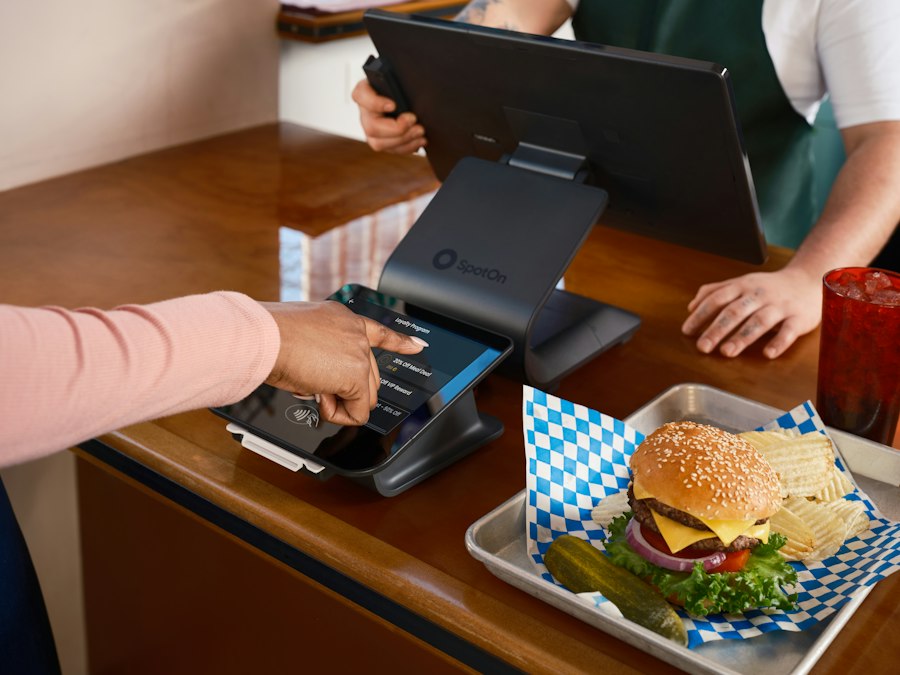
The true power of these programs is unleashed when you strategically integrate them. It’s not just about having a loyalty account and a credit card; it’s about making them work together synergistically.
Choosing the Right Programs: A Personalized Approach
There’s no one-size-fits-all answer. Your ideal program combination depends on your travel habits and preferences.
Consider Your Primary Airline
If you fly a particular airline frequently, get their co-branded credit card and focus on earning miles in their program.
Evaluate Airline Alliances
If you don’t have a single primary airline but prefer to fly within a specific alliance, consider cards that earn miles in that alliance’s dominant carrier or a card with flexible points that transfers to multiple airlines within that alliance.
Assess Your Spending Habits
Look at where you spend the most money. If you have significant grocery or gas expenses, a card that offers bonus miles in those categories will be more beneficial.
Analyze Redemption Options
Research the award charts and redemption sweet spots of different airline programs. Do you dream of flying to Japan on JAL or exploring Europe with Lufthansa? Choose programs that offer attractive redemptions for your desired destinations.
Maximizing Earning Potential: Beyond the Obvious
Once you have your chosen programs, it’s time to go beyond the basics and truly maximize your earning.
The Power of the Welcome Bonus
As mentioned, welcome bonuses are game-changers. Time your applications for credit cards strategically to take advantage of these lucrative offers.
Strategic Spending on Co-branded Cards
Make sure you are using your airline-branded credit card for all eligible purchases. Don’t miss out on earning bonus miles on flights, dining, or travel booked directly with the airline.
Utilizing Shopping Portals Consistently
Make it a habit to always check the airline’s shopping portal before making any online purchase. This is often a zero-effort way to accumulate a significant number of bonus miles over time.
Dining Programs for Effortless Miles
If you dine out frequently, sign up for any available airline dining programs and link your credit card. You’ll earn miles without any extra effort.
Flexible Points Transfers for Optimal Value
When you have flexible points, always compare transfer ratios and consider which airline partner will give you the best redemption value for your specific travel plans. Sometimes, a transfer to a partner airline can yield significantly more value than using the points directly with the bank’s travel portal.
Strategic Redeeming: Getting the Most Bang for Your Miles
Earning is exciting, but smart redemption is where you truly see the value.
Identifying Sweet Spots
Every airline loyalty program has its “sweet spots” – routes or redemption options where your miles go further. These often involve off-peak travel, specific partner airlines, or certain cabin classes.
Booking in Advance for Saver Awards
The most desirable award flights, especially in premium cabins, have limited availability. Book as far in advance as possible to secure these “saver” awards.
Considering Partner Redemptions
Sometimes, redeeming miles on a partner airline through your own loyalty program can be more valuable than redeeming directly with the partner. This is especially true if your chosen airline has a favorable redemption rate on a partner.
Maximizing Upgrades
If your goal is a more comfortable journey, strategically use your miles for upgrades. Understand the upgrade rules for your airline and consider if it’s more beneficial to upgrade from an economy ticket or book a slightly more expensive fare that is more upgrade-friendly.
Being Flexible with Dates and Destinations
If you’re not tied to a specific date or destination, being flexible can open up more award availability and potentially allow you to book flights during off-peak periods when award seats are more abundant.
Unlocking Elite Status: The Next Level of Benefits
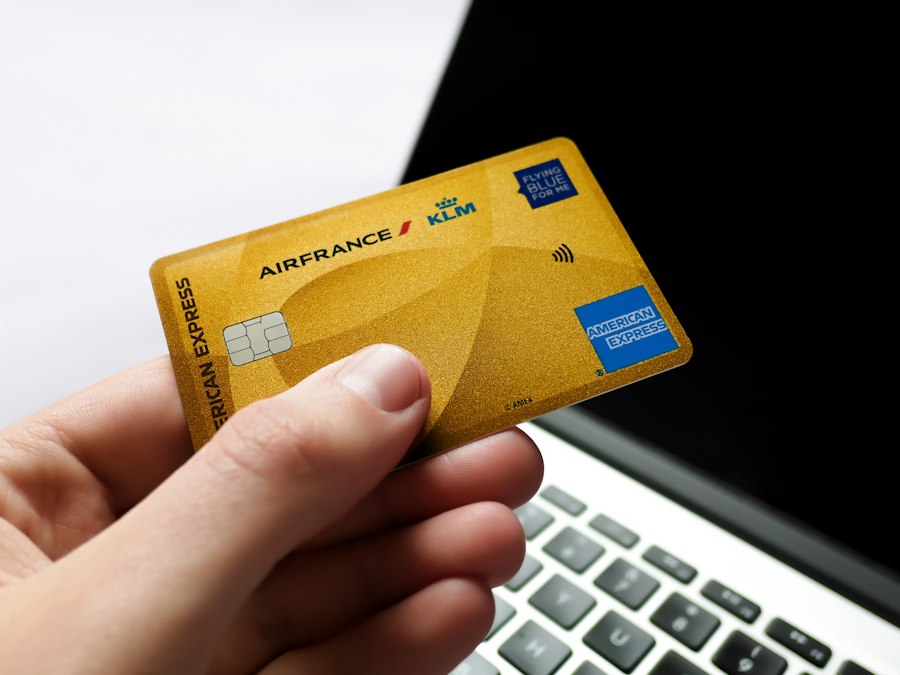
Many airline loyalty programs offer elite status tiers, which come with a host of additional perks. While primarily earned through flying, credit cards can play a role in achieving or maintaining elite status.
Understanding Elite Status Tiers
Airlines typically have several elite status tiers (e.g., Silver, Gold, Platinum, Diamond). Each tier has specific requirements for qualification, usually based on miles flown, segments flown, or spending.
Benefits of Elite Status
The benefits vary by airline and tier, but often include:
Priority Services
- Priority check-in: Skip the regular queues.
- Priority security screening: Expedited security checks at select airports.
- Priority boarding: Board your flight before most other passengers.
Lounge Access
Higher elite tiers often grant access to the airline’s airport lounges, providing a quiet and comfortable space to relax before your flight.
Upgrade Benefits
- Complimentary upgrades: Some top-tier elites receive complimentary upgrades to premium cabins.
- Priority for upgrades: Even if not complimentary, elite status significantly increases your chances of securing an upgrade.
Increased Mileage Earning
Elite members often receive bonus miles on their flights, further accelerating their mileage accumulation.
Fee Waivers
Benefits like free checked bags and priority standby can be standard for elite members.
Credit Cards and Elite Status Qualification
While direct flying is the primary way to earn elite status, certain credit cards can help:
Elite Status Credits
Some premium airline-branded credit cards offer a certain number of elite status credits each year, helping you get closer to requalifying or reaching the next tier.
Spending Thresholds for Status
A few cards offer a path to elite status based on reaching a high annual spending threshold, making it possible to earn status even if you don’t fly as much as a traditional elite member.
Companion Benefits
Some credit cards offer perks like free checked bags or priority boarding that mimic elite status benefits, even if you haven’t officially earned the status yourself.
Airline loyalty programs have become increasingly intertwined with banking services, offering customers unique opportunities to earn rewards through their everyday spending. For instance, many banks now partner with airlines to provide co-branded credit cards that allow users to accumulate miles for flights while also enjoying various banking benefits. This synergy not only enhances the value of loyalty programs but also encourages consumers to engage more with both their financial institutions and airlines. To explore more about how these programs can impact your financial growth, you can read this insightful article on wealth management at How Wealth Grows.
Advanced Strategies and Pitfalls to Avoid
| Airline Loyalty Programs | Banks |
|---|---|
| Number of participating airlines | Number of affiliated banks |
| Points or miles earned per dollar spent | Points or rewards earned per dollar spent |
| Redemption options (flights, upgrades, merchandise, etc.) | Redemption options (travel, cash back, gift cards, etc.) |
| Elite status tiers and benefits | Elite banking tiers and benefits |
| Co-branded credit card offerings | Co-branded credit card offerings |
Once you’ve mastered the basics, it’s time to explore more advanced strategies and be aware of common mistakes that can cost you valuable miles.
The Art of Manufactured Spending (Use with Caution)
Manufactured spending (MS) involves using various methods to meet credit card spending requirements or earn rewards without actual consumer purchases. This can include buying gift cards with a rewards-earning credit card and then redeeming them for cash or using them for purchases, or buying money orders.
Potential Benefits
- Meeting welcome bonus requirements: Quickly meet the spending threshold for lucrative credit card sign-up bonuses.
- Earning extra rewards: Generate rewards on purchases you wouldn’t typically make.
Significant Risks
- Account closure: Credit card companies actively monitor for MS activity. If detected, they can close your accounts, forfeit your rewards, and negatively impact your credit score.
- Ethical considerations: Some MS methods can be viewed as exploiting program loopholes.
- Time and effort intensive: MS can be time-consuming and requires careful planning.
It’s crucial to understand that manufactured spending is a risky strategy and should be approached with extreme caution, if at all. Always prioritize legitimate spending.
Avoiding Common Mistakes
- Letting miles expire: Always be aware of your program’s expiration policy and make a qualifying activity (like a small purchase on your co-branded card) to keep your miles active.
- Not checking award availability: Don’t assume award seats will always be available. Plan ahead and book as soon as you see something you like.
- Redeeming for low-value items: Avoid redeeming miles for merchandise or gift cards if your goal is travel. The value per mile is almost always significantly lower.
- Ignoring partner airlines: Don’t limit yourself to just one airline. Explore partner redemptions to find better value or more convenient routes.
- Not understanding transfer ratios: Before transferring flexible points, always check the transfer ratio to ensure you’re getting the best deal.
- Focusing only on earning, not redeeming: Earning miles is only part of the equation. You need to have a plan for how you’ll redeem them to realize their value.
- Overspending to earn miles: Never spend more than you normally would just to earn miles. This can lead to debt and negate any potential benefits.
The Future of Loyalty Programs
The loyalty landscape is constantly evolving. Airlines and banks are continually adapting their programs in response to competition, customer behavior, and economic factors. Stay informed about program changes, new partnerships, and emerging redemption opportunities.
By understanding the intricate workings of airline loyalty programs and strategically leveraging the power of bank rewards and co-branded credit cards, you can transform your everyday spending into extraordinary travel experiences. It requires diligence, research, and a bit of planning, but the rewards – literally – can be immense. Start today, and unlock a world of benefits waiting for you.

How Airlines Make Billions Without Flying You
FAQs
What are airline loyalty programs?
Airline loyalty programs are programs offered by airlines to reward frequent flyers for their loyalty. These programs typically allow members to earn points or miles for every dollar spent on flights, which can then be redeemed for free flights, upgrades, and other travel-related benefits.
How do banks and airline loyalty programs work together?
Banks often partner with airlines to offer co-branded credit cards that allow cardholders to earn airline miles or points for their everyday purchases. These miles or points can then be transferred to the airline loyalty program, allowing cardholders to accumulate rewards faster.
What are the benefits of linking a bank account to an airline loyalty program?
Linking a bank account to an airline loyalty program can provide several benefits, such as earning additional miles or points for certain banking activities, receiving exclusive offers and promotions, and having the ability to easily manage and track rewards from one central account.
Can I earn miles or points with a bank account without a co-branded credit card?
Some banks offer the option to earn miles or points directly through their own rewards programs, which can then be transferred to participating airline loyalty programs. This allows customers to accumulate rewards without the need for a co-branded credit card.
Are there any drawbacks to linking a bank account to an airline loyalty program?
While there are many benefits to linking a bank account to an airline loyalty program, some drawbacks may include potential fees for transferring points or miles, limited redemption options, and the risk of devaluation of rewards over time. It’s important to carefully consider these factors before linking a bank account to an airline loyalty program.