You’re contemplating a new home, and the idea of a more affordable, yet still comfortable, living situation has crossed your mind. Perhaps you’ve encountered terms like “manufactured home” and “mobile home,” and while they sound similar, you suspect there are crucial distinctions. You’re right to be curious. The differences between these two housing types are significant, impacting everything from their construction and financing to their long-term value and where you can place them. Understanding these nuances is vital to making an informed decision that aligns with your needs and aspirations.
For decades, the terms “mobile home” and “manufactured home” have been used interchangeably, leading to widespread confusion. However, this ambiguity masks a fundamental shift in the industry driven by regulatory changes and technological advancements. What was once known as a “mobile home” has evolved into the “manufactured home” of today. This evolution isn’t just a cosmetic change; it represents a complete overhaul in how these homes are built, regulated, and perceived. Navigating this landscape requires a clear understanding of the historical context and the current standards that define each category.
A Brief History: From Trailers to Prefabs
To truly grasp the difference, let’s rewind a bit. The origins of what we now call manufactured and mobile homes lie in the early 20th century, with the rise of the automobile. People began to desire the freedom of travel and the convenience of having their living quarters with them.
The Dawn of the Mobile Dwelling
In the early days, these were essentially travel trailers, designed for recreation and temporary living. They were rudimentary, often built on a chassis that was explicitly designed for towing, and lacked the amenities and structural integrity of permanent residences. Think of them as glorified campers.
Early Designs and Their Limitations
These early mobile dwellings were often constructed with lightweight materials and were highly susceptible to weather conditions. They offered minimal insulation, and their frameworks were not built to withstand the stresses of permanent placement or the forces of nature. The emphasis was purely on portability, not on long-term livability.
The Post-War Boom
Following World War II, there was a significant housing shortage. This created a demand for affordable and quickly deployable housing solutions. The idea of a prefabricated home that could be built off-site and transported to a location gained traction. This marked the beginning of what would become known as the “mobile home.”
The Evolution into the “Mobile Home” Era
As the concept evolved, mobile homes became more substantial. They were still built on a permanent chassis and designed to be transported, but they began to incorporate more features of traditional houses, such as multiple bedrooms, kitchens, and bathrooms. They offered a viable alternative for those seeking homeownership without the high costs associated with site-built homes.
Federal Regulations and the HUD Code
The mobile home industry grew rapidly, but a lack of consistent construction standards across different states led to varying levels of quality and safety. Recognizing this, the federal government stepped in. In 1974, Congress passed the National Mobile Home Construction and Safety Standards Act. This legislation mandated the creation of a single, nationwide standard for the construction and safety of mobile homes. This marked a turning point.
The Birth of the Manufactured Home
In 1976, the U.S. Department of Housing and Urban Development (HUD) implemented the HUD Code, which became the federal standard for all new manufactured homes. Homes built to this code were officially designated as “manufactured homes,” and the term “mobile home” began to refer to homes built before this date. This distinction is crucial.
When exploring the differences between manufactured homes and mobile homes, it’s essential to understand the nuances that set them apart. A related article that delves deeper into this topic can be found at How Wealth Grows. This resource provides valuable insights into the definitions, regulations, and benefits of each type of housing, helping potential homeowners make informed decisions.
The HUD Code: The Defining Factor
The HUD Code is the single most important differentiator between a manufactured home and an older mobile home. It’s a comprehensive set of standards that dictates everything from the structural integrity of the home to its plumbing, electrical, and energy efficiency.
What the HUD Code Mandates
The HUD Code is far more rigorous than any previous state or local building codes that applied to mobile homes. It’s a performance-based code, meaning it sets standards for how a home must perform in terms of safety and durability, rather than dictating specific materials or construction methods.
Structural Integrity and Durability
Under the HUD Code, manufactured homes are built to withstand specific wind loads, snow loads, and seismic forces, depending on the designated design zone. This ensures they are as safe and durable as site-built homes. The chassis, while still present, is no longer the primary factor for transportability; it’s integrated into the home’s structure.
Energy Efficiency and Safety Features
The code also specifies requirements for insulation, ventilation, and energy conservation. This means manufactured homes are designed to be more energy-efficient, leading to lower utility bills for homeowners. Safety features like smoke detectors, fire-resistant materials, and secure electrical and plumbing systems are also mandated.
Ongoing Inspections and Certification
Manufactured homes are built in a factory environment under strict quality control. Each home must undergo rigorous inspections at various stages of construction to ensure compliance with the HUD Code. A metal certification label, usually found on the exterior of the home, indicates that it has passed these inspections and meets all federal requirements.
Pre-HUD Code vs. Post-HUD Code Homes
This is where the confusion truly arises. Homes built before June 15, 1976, are considered “mobile homes” and were built to varying, often less stringent, standards. Homes built on or after this date, and built to the HUD Code, are “manufactured homes.”
The “Mobile Home” of Yesterday
Older mobile homes may lack the structural integrity and safety features of manufactured homes. They might not be designed to withstand harsh weather conditions as effectively, and their energy efficiency can be significantly lower. This can impact their durability, their resale value, and the types of insurance policies available.
The Manufactured Home of Today
Manufactured homes, by contrast, are built to modern construction standards. They are recognized by lenders and insurers as comparable to site-built homes, making them a more attractive investment and a more secure place to live.
Construction and Design: Factory-Built Excellence
The manufacturing process itself is a key differentiator. Both types of homes are built off-site in a factory, but the standards and precision involved in the construction of a manufactured home are significantly higher.
The Factory Environment Advantage
Building in a controlled factory setting offers several advantages over on-site construction. It allows for greater precision, less waste, and protection from weather delays.
Quality Control and Consistency
In a factory, assembly lines and standardized processes ensure a high level of quality and consistency. Each component is carefully inspected, and the entire home is built to exact specifications. This minimizes the risk of errors and ensures that the finished product meets all required standards.
Advanced Building Techniques
Manufacturers of manufactured homes often employ advanced building techniques and technologies that might be more difficult or expensive to implement on a traditional construction site. This can include state-of-the-art insulation systems, energy-efficient windows, and durable roofing materials.
Design Flexibility and Customization
While both types of homes are factory-built, manufactured homes generally offer more options for customization and design flexibility.
Pre-designed Floor Plans and Options
Manufacturers provide a wide range of pre-designed floor plans, allowing you to choose the layout that best suits your needs and lifestyle. Within these plans, you can often select finishes, appliances, and upgrades to personalize your home.
Potential for Larger and More Complex Designs
Modern manufactured homes can be built in sections (often referred to as “multi-section” homes) and then transported to the site and joined together. This allows for larger and more complex designs, including multiple stories and custom architectural features, blurring the lines with traditional site-built homes.
Placement and Land Ownership: Where Can You Live?
One of the most significant practical differences you’ll encounter is where you can legally place your home. This is heavily influenced by zoning regulations and the type of home you choose.
Mobile Homes: Restricted Placement
Due to their historical perception and potentially lower construction standards, older mobile homes often face significant restrictions on where they can be placed.
Mobile Home Parks and Communities
Historically, mobile homes were primarily placed in designated mobile home parks. These parks often have specific rules and regulations, and you typically do not own the land your home sits on; you rent the lot.
Zoning Restrictions
Many municipalities have zoning ordinances that prohibit older mobile homes from being placed on private land as a permanent residence. This is often due to concerns about their durability, aesthetics, and potential impact on property values.
Manufactured Homes: Greater Placement Options
Manufactured homes, built to the stringent HUD Code, have far greater flexibility in terms of placement.
Private Land and Subdivisions
You can often place a manufactured home on private land you own, whether it’s in a rural setting or within a suburban subdivision. Many modern subdivisions now welcome manufactured homes, recognizing their quality and compliance with building standards.
Dedicated Manufactured Home Communities
There are also communities specifically designed for manufactured homes, offering amenities and a sense of community. In these communities, you may have the option to purchase the home and own the land it sits on, similar to traditional homeownership.
Site-Built Foundations
Many manufactured homes can be permanently affixed to a foundation, such as a basement or crawl space, making them indistinguishable from site-built homes once installed. This further enhances their acceptance in various housing markets.
When exploring the differences between manufactured homes and mobile homes, it’s essential to understand the nuances that set them apart. For a deeper insight into this topic, you can read a related article that discusses the various aspects of these housing options. This information can help potential buyers make informed decisions based on their needs and preferences. To learn more, check out this informative piece here.
Financing and Resale Value: Investment Considerations
When you’re making such a significant purchase, understanding how your home will be financed and its potential long-term value is crucial. Here, the distinction between manufactured and mobile homes becomes particularly important.
Financing Differences
The way you finance a home often reflects its perceived value and its eligibility for various loan programs.
Mobile Homes: Limited Financing Options
Financing for older mobile homes can be challenging. They may not qualify for traditional mortgages and are often financed through personal property loans or chattel loans, which typically have higher interest rates and shorter loan terms.
Manufactured Homes: Mortgage Eligibility
Manufactured homes, on the other hand, are increasingly eligible for traditional mortgage financing, similar to site-built homes. This is due to their compliance with the HUD Code and their demonstrated durability and long-term value. Loans backed by FHA, VA, and conventional lenders are often available, offering competitive interest rates and repayment terms.
Resale Value and Appreciation
The perception of value and the potential for appreciation are key considerations for any homeowner.
Mobile Homes: Depreciation
Historically, older mobile homes have been viewed as depreciating assets, similar to vehicles. Their value tends to decrease over time, and they may not appreciate in value as site-built homes do.
Manufactured Homes: Potential for Appreciation
While manufactured homes may not appreciate as rapidly as some site-built homes in desirable urban markets, they are increasingly demonstrating the potential for appreciation, especially when placed on owned land and properly maintained. Their construction quality and adherence to modern building standards contribute to their long-term value.
Conclusion: Making the Right Choice for You
The journey from a basic travel trailer to a modern, well-built manufactured home represents a significant leap in quality, safety, and affordability. While the terms “mobile home” and “manufactured home” may still cause some confusion, understanding the impact of the HUD Code is paramount.
For you, the prospective homeowner, this distinction means the difference between a home that may be viewed as a depreciating asset with limited placement options and financing, versus a home that offers the potential for long-term value, broad financing options, and the flexibility to be placed on owned land.
When you are researching your options, always inquire about the construction date and whether the home was built to the HUD Code. This single piece of information will unlock a wealth of understanding about its quality, its regulatory status, and its potential as a valuable and lasting home for you and your family. By understanding these differences, you empower yourself to make the most informed decision, ensuring that your new home meets your needs, your budget, and your aspirations for the future.
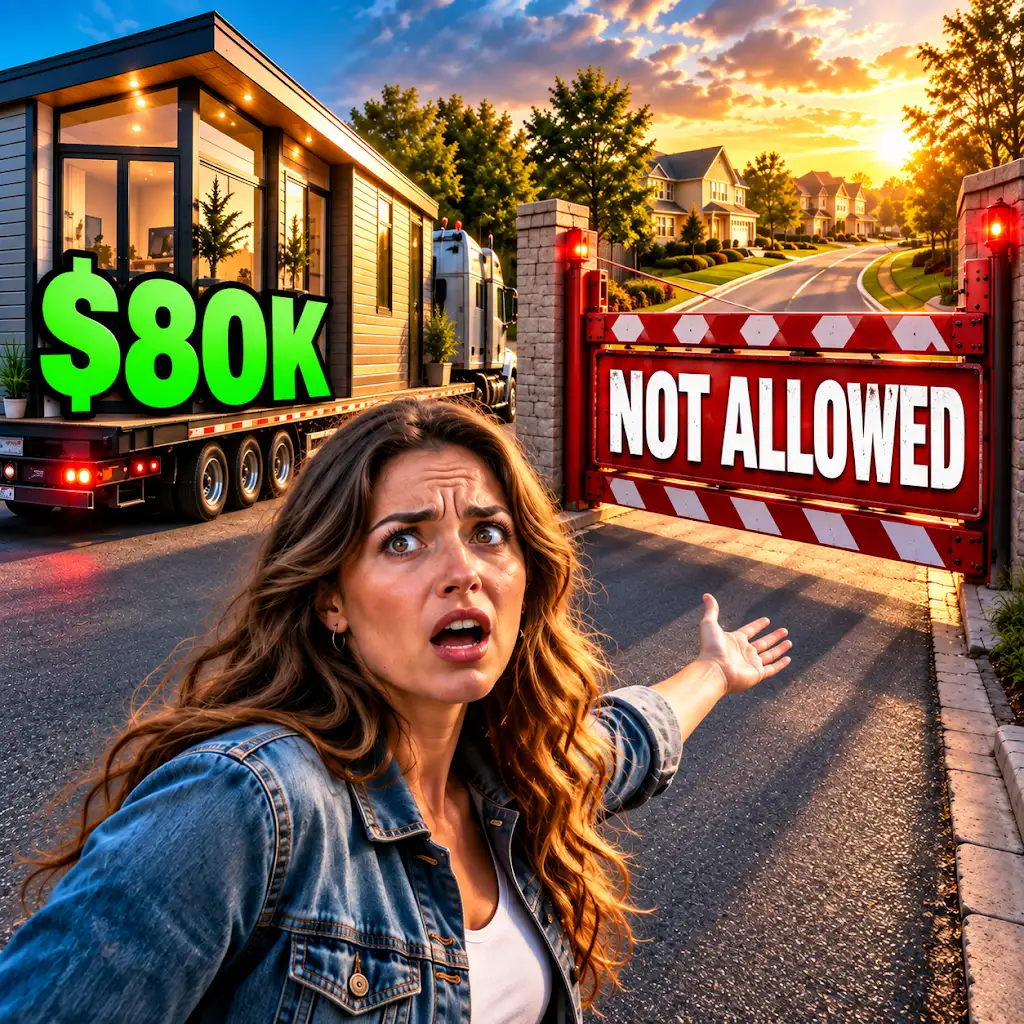
The $80,000 House You’re Not Allowed to Put Anywhere
FAQs
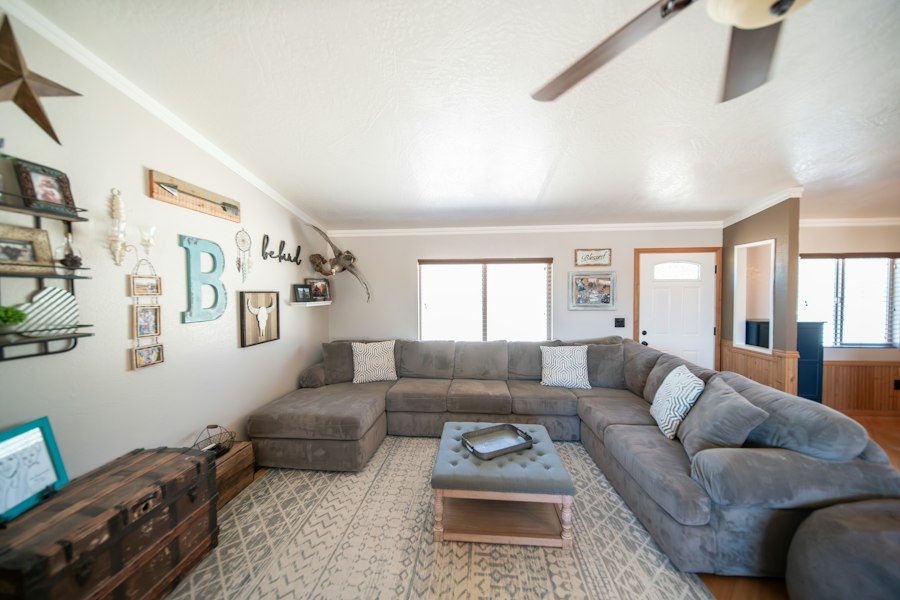
What is the difference between a manufactured home and a mobile home?
Manufactured homes are built in a factory and transported to a site, while mobile homes were built prior to 1976 and are no longer constructed.
Are manufactured homes and mobile homes the same in terms of quality?
Manufactured homes are typically built to higher construction standards than mobile homes, with improved energy efficiency and durability.
Can manufactured homes and mobile homes be moved?
Manufactured homes are designed to be moved, while mobile homes are more difficult to relocate due to their age and construction.
Do manufactured homes and mobile homes appreciate in value?
Manufactured homes tend to appreciate in value over time, while mobile homes may depreciate due to their age and construction.
Are there any regulations or standards for manufactured homes and mobile homes?
Manufactured homes are subject to federal construction and safety standards, while mobile homes may not meet current building codes and regulations.