You’re staring at your bank statement, and a familiar sense of unease creeps in. The number looks the same, perhaps even a little higher than last month, but you know, deep down, that it doesn’t feel the same. That’s the insidious reality of maintaining stable dollar balances in a world where buying power is steadily declining. It’s like watching a slow leak in your financial ship; the water level might not seem to be rising alarmingly, but the precious cargo – your ability to acquire goods and services – is being eroded. This isn’t about hoarding cash for the sake of it; it’s about understanding the subtle, yet powerful, forces that diminish the value of your hard-earned money and strategizing to preserve its utility.
The Illusion of Stability
You’ve worked diligently to build up your savings. You’ve set financial goals, meticulously tracked your expenses, and proudly watched your account balance grow. This perceived stability can be incredibly comforting. After all, seeing that number tick upwards is a tangible representation of your financial progress. However, this visual confirmation can be a deceptive metric. The crucial element missing from this simple observation is the context of inflation, the silent saboteur of purchasing power. Your dollars might be numerically present, but their ability to command the same basket of goods and services as before is diminishing. This erosion isn’t a sudden catastrophe; it’s a gradual process, like the slow weathering of a stone, that can go unnoticed until its effects become significant.
Understanding Inflation’s Subtle Erosion
Inflation, in its most basic form, is the general increase in prices and the fall in the purchasing value of money. You experience it every time you visit the grocery store, fill up your car, or pay your utility bills. That loaf of bread that cost $2 last year might now be $2.25. Your gas tank, which once cost $40 to fill, now requires $45. These seem like small increments, but when they accumulate across all your expenditures, the impact on your disposable income is substantial. Your fixed income or savings, while numerically stable, buys less. This is the illusion of stability at play: your dollar balance might hold steady, but its real value, its actual buying power, is shrinking.
The Cumulative Effect on Your Wealth
The cumulative effect of even moderate inflation over several years can be staggering. Imagine a savings account that earns a modest 2% annual interest. If inflation is running at 3% annually, you’re actually losing 1% of your purchasing power each year, despite seeing your balance grow. Over a decade, this subtle but consistent decline can significantly impact your long-term financial goals, such as retirement or a down payment on a home. The money you saved today will simply not go as far in the future as you might anticipate, creating a shortfall that requires proactive planning to address.
In the current economic climate, maintaining stable dollar balances while facing a decline in purchasing power is a significant concern for many individuals. A related article that addresses this issue can be found at How Wealth Grows, where strategies for preserving wealth and navigating inflationary pressures are discussed in detail. This resource provides valuable insights into effective financial planning and investment options that can help mitigate the impact of decreasing buying power.
Strategic Adjustments for Preserving Purchasing Power

Recognizing that your dollar balances are subject to the erosive forces of inflation is the first step. The next, and most critical, is to implement strategies that actively work to preserve your purchasing power. This isn’t about panic; it’s about intelligent financial management that acknowledges the economic landscape and adapts accordingly. It involves looking beyond simply accumulating dollars and focusing on how to make those dollars work harder and retain their value in real terms.
Diversifying Beyond Traditional Savings Accounts
Your checking and savings accounts, while essential for immediate liquidity, are often the least effective places to store wealth when inflation is a concern. The interest rates offered by these accounts rarely keep pace with inflation, meaning your money is actively losing value while it sits there. This is why diversification is paramount. Exploring other avenues for your money, such as investments that have historically outpaced inflation, can be a cornerstone of your strategy.
The Role of Investments in Combating Inflation
Investments, when chosen wisely, can offer the potential for returns that exceed the rate of inflation, thereby preserving and even growing your purchasing power. This doesn’t mean taking on excessive risk, but rather understanding the different asset classes and their historical performance in inflationary environments. Stocks, bonds, real estate, and commodities have all, at various times, demonstrated their ability to provide a hedge against inflation.
Equities: A Historical Inflation Hedge
The stock market, while volatile, has historically provided superior long-term returns that have outpaced inflation. Companies that can pass on rising costs to their customers through higher prices can maintain or even increase their profitability, which can translate into higher stock valuations. This doesn’t guarantee immediate gains, and periods of market downturns are inevitable, but over the long haul, a well-diversified portfolio of equities can be a powerful tool for preserving your purchasing power.
Fixed Income: Navigating Rising Interest Rates
Bonds, a cornerstone of many investment portfolios, require a more nuanced approach in an inflationary environment. When inflation rises, central banks often increase interest rates to cool the economy. This can negatively impact the price of existing bonds, as newer bonds will offer higher yields. However, investing in shorter-duration bonds or Treasury Inflation-Protected Securities (TIPS), whose principal value adjusts with inflation, can offer some protection. Understanding the interest rate sensitivity of different bond types is crucial.
Real Estate: Tangible Asset Appreciation
Real estate has long been considered a solid hedge against inflation. Property values tend to rise with inflation, and rental income can also increase over time, providing a stream of income that can keep pace with or even surpass rising costs. Owning a tangible asset that can appreciate in value while potentially generating income is an attractive proposition for those seeking to protect their purchasing power. However, real estate also comes with its own set of costs and market fluctuations.
Commodities: The Raw Material Advantage
Commodities, such as gold, oil, and agricultural products, can also act as inflation hedges. As prices for goods and services rise, so too do the prices of the raw materials that go into producing them. Gold, in particular, has a long-standing reputation as a store of value during times of economic uncertainty and inflation. However, commodity prices can be highly volatile and influenced by factors beyond inflation.
The Importance of Rebalancing Your Portfolio
Once you’ve diversified your investments, the work isn’t done. The relative performance of different asset classes will cause your portfolio to drift from its target allocation over time. This is where rebalancing comes in. Regularly reviewing and adjusting your portfolio to bring it back to your desired asset allocation is crucial for managing risk and ensuring you continue to benefit from your diversification strategy. If stocks have performed exceptionally well, you might sell some to buy assets that have lagged, effectively “buying low and selling high” within your own portfolio.
Income Generation Strategies to Outpace Inflation
Beyond preserving the value of your existing capital, actively increasing your income is a proactive way to ensure your buying power doesn’t just hold steady, but actually grows, even in an inflationary environment. This involves looking for opportunities to earn more, either through your primary employment or by developing supplementary income streams.
Maximizing Your Earning Potential
Your primary job is likely your largest source of income, and ensuring you’re being fairly compensated is key. This involves understanding your market value, acquiring new skills that increase your demand, and confidently negotiating for raises. Don’t be afraid to advocate for yourself. The cost of living is rising, and your compensation should reflect that. A raise that simply matches inflation is just treading water; aim for increases that outpace it.
Developing Multiple Income Streams
Relying on a single income source can be precarious, especially in uncertain economic times. Developing multiple income streams provides a buffer and can significantly enhance your overall financial resilience. Think about your skills, your passions, and the needs of the market.
Leveraging Skills for Freelancing or Consulting
Do you have expertise in a particular field? Consider offering your services as a freelancer or consultant. This can be done on a part-time basis, alongside your primary employment, and can provide a substantial boost to your income. The demand for specialized skills is often high, and you can set your own rates, allowing you to directly benefit from your expertise.
Passive Income Opportunities
While the term “passive income” often conjures images of effortless wealth, it typically requires upfront effort and investment. This could involve creating and selling digital products, investing in dividend-paying stocks or rental properties, or even building an online presence that generates advertising revenue. The goal is to create income that requires minimal ongoing effort to maintain.
Debt Management in a Declining Dollar Environment
Managing your debt effectively is another critical component of maintaining stable dollar balances as buying power declines. The impact of inflation on debt can be a double-edged sword, and understanding this dynamic is crucial for making informed financial decisions.
The Advantage of Fixed-Rate, Long-Term Debt
Inflation can actually make existing fixed-rate debt cheaper in real terms over time. If you borrowed money at a fixed interest rate, and inflation is higher than that interest rate, the dollars you use to repay the loan in the future will be worth less than the dollars you borrowed. This means the real burden of your debt is decreasing. This is why, in certain inflationary environments, paying down low-interest, fixed-rate debt might be less of a priority than investing for growth.
The Peril of Variable-Rate and High-Interest Debt
Conversely, variable-rate debt becomes significantly more dangerous during periods of rising inflation. As central banks raise interest rates to combat inflation, the interest rate on your variable-rate loans will increase, making them more expensive to service. High-interest debt, regardless of whether it’s fixed or variable, can quickly become an unsustainable drain on your finances, especially as the cost of everything else rises. Prioritizing the elimination of such debt is paramount.
As inflation continues to erode purchasing power, many individuals are seeking strategies to maintain stable dollar balances. A related article discusses effective methods for preserving wealth in uncertain economic times. By exploring various investment options and financial planning techniques, readers can learn how to safeguard their assets against the diminishing value of money. For more insights, check out this informative piece on wealth management at How Wealth Grows.
Psychological Preparedness and Long-Term Vision
| Metric | Description | Example Value | Impact on Stable Balances |
|---|---|---|---|
| Inflation Rate | Percentage increase in general price levels over time | 5% | Reduces buying power despite stable nominal balances |
| Nominal Dollar Balance | Amount of money held without adjustment for inflation | 10,000 | Remains constant if no deposits or withdrawals occur |
| Real Dollar Balance | Nominal balance adjusted for inflation | 9,500 | Declines as inflation rises, reflecting reduced buying power |
| Purchasing Power | Quantity of goods/services that can be bought with the balance | Equivalent to 9,500 units | Decreases as prices increase, even if nominal balance is stable |
| Interest Rate on Savings | Annual return rate earned on dollar balances | 2% | Helps offset inflation but may not fully preserve buying power |
| Cost of Living Adjustment (COLA) | Adjustment to income or balances to maintain purchasing power | 3% | Partially compensates for inflation, stabilizing real balances |
Beyond the spreadsheets and investment portfolios, maintaining a stable financial outlook in the face of declining purchasing power requires a significant degree of psychological preparedness and a clear, long-term vision. It’s easy to become discouraged when the money you’ve saved doesn’t seem to stretch as far as it once did.
Cultivating a Mindset of Adaptability
The economic landscape is not static. Inflationary periods are often cyclical, and the strategies that work best can change over time. Cultivating a mindset of adaptability means being willing to learn, to adjust your plans, and to embrace change rather than resist it. Staying informed about economic trends and being open to new financial tools and strategies will serve you well.
Setting Realistic Expectations and Long-Term Goals
It’s important to set realistic expectations for your financial growth. In an inflationary environment, simply preserving your current lifestyle might require more effort and more income than before. Setting achievable long-term goals, such as retirement or financial independence, and consistently working towards them, even with the headwind of inflation, is what truly builds lasting wealth. Focus on the progress you are making, even if the pace feels slower than you might wish. Your commitment to sound financial practices, diversification, and income generation will, over time, ensure that your dollar balances, though perhaps redefined in terms of their purchasing power, ultimately serve your long-term financial well-being.
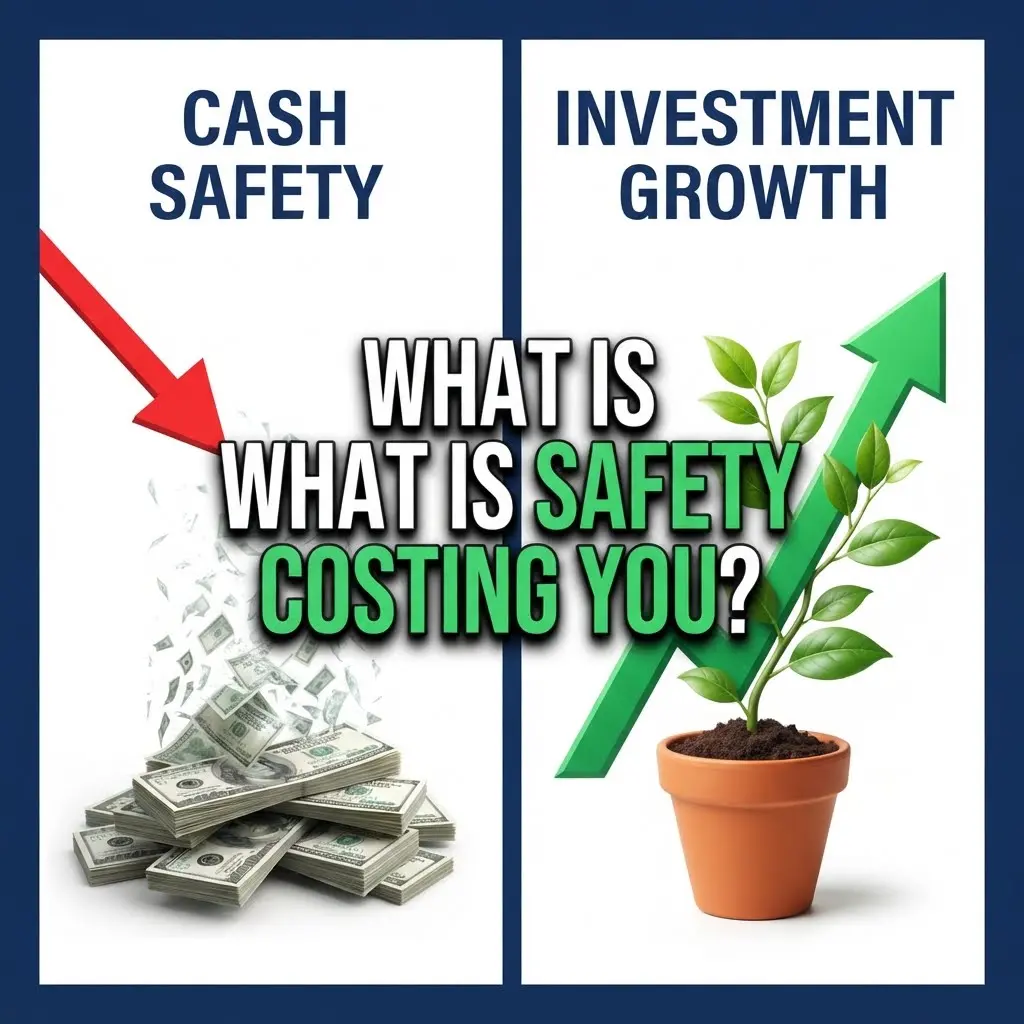
The 4% Retirement Mistake That’s Secretly Costing You Thousands
FAQs
What factors can cause a drop in buying power?
A drop in buying power can be caused by inflation, economic downturns, changes in consumer demand, or fluctuations in currency exchange rates.
How can one maintain stable dollar balances during a drop in buying power?
To maintain stable dollar balances during a drop in buying power, one can consider investing in assets that retain their value during economic downturns, diversifying their portfolio, or adjusting their spending habits to align with their reduced buying power.
Is it advisable to convert dollar balances into other currencies during a drop in buying power?
Converting dollar balances into other currencies during a drop in buying power can be risky as it exposes one to potential losses due to fluctuations in exchange rates. It is advisable to carefully consider the implications and consult with a financial advisor before making such a decision.
What role does inflation play in affecting dollar balances during a drop in buying power?
Inflation erodes the purchasing power of a currency, including the dollar, which can lead to a drop in buying power. To maintain stable dollar balances during periods of high inflation, it is important to consider investments that can outpace inflation and preserve the value of the currency.
How can one protect their dollar balances from the impact of a drop in buying power?
To protect dollar balances from the impact of a drop in buying power, one can consider investing in assets that act as a hedge against inflation, such as real estate, commodities, or Treasury Inflation-Protected Securities (TIPS). Additionally, maintaining a diversified investment portfolio can help mitigate the effects of a decrease in buying power.