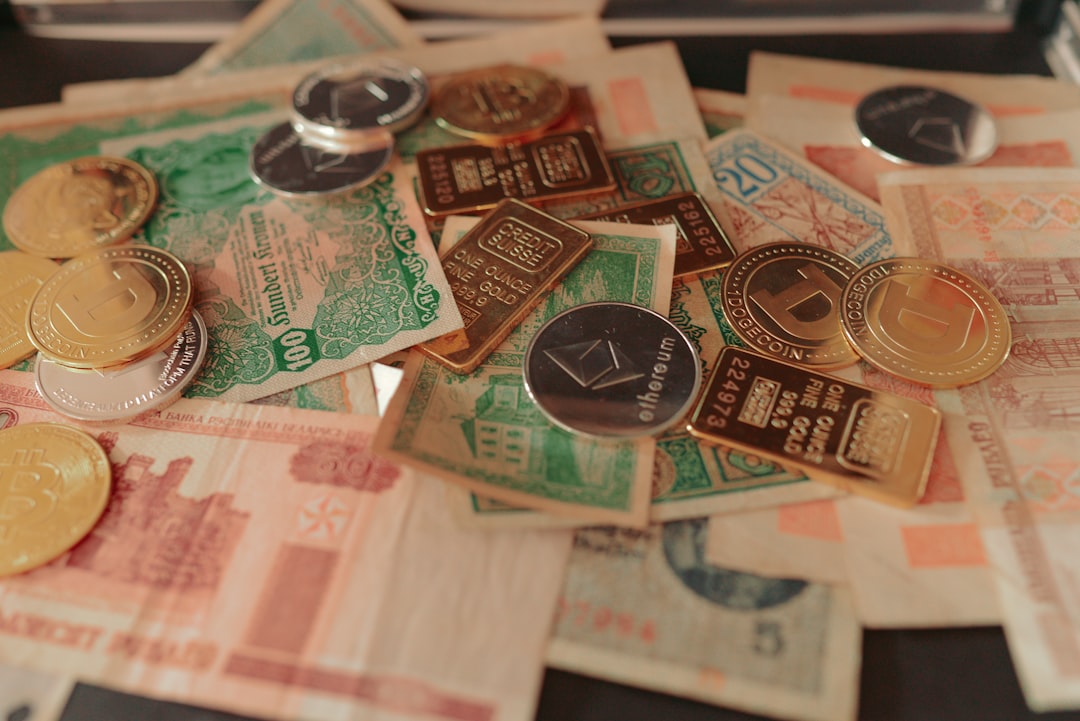
You’ve done it. You’ve reached the promised land, the summit you’ve been climbing for years, perhaps even decades. Financial Independence. The phrase itself hums with a delicious liberation. No longer are you tethered to the demands of a job for survival. No longer does your time belong to someone else’s agenda. You are, by definition, free. But what does this freedom truly look like? What adventures, what quiet joys, what profound shifts await you now that the daily grind is a relic of your past? This is the exciting, often uncharted territory of life after financial independence, and it’s time to embrace it with open arms.
Perhaps the most immediate and profound change you’ll experience is the sheer abundance of time. For so long, your days were dictated by the clock, by meetings, by deadlines. Now, the clock is your ally, not your master. This newfound temporal wealth is a treasure trove, and how you choose to spend it will shape the very essence of your post-FI life.
The Art of Intentionality: Moving Beyond “What Next?”
The initial shock of having “too much time” can be jarring. You might find yourself adrift, accustomed to the structure of work, and unsure how to fill the void. This is where intentionality becomes your guiding star. Instead of passively waiting for something to happen, you actively curate your days. This isn’t about scheduling every minute, but about consciously deciding how you want to invest your precious hours.
Rediscovering Hobbies and Passions
Think back to the things you loved to do before life got “serious.” Those forgotten hobbies, those nascent passions that were relegated to weekends or evenings, now have the space to blossom. Are you an aspiring artist? A budding musician? A history buff with a thirst for knowledge? Now is your chance to dive deep. No more guilt about spending an afternoon painting or an evening practicing an instrument. These activities are not frivolous indulgences; they are vital components of a fulfilling life.
The Joy of Unstructured Exploration
Sometimes, the greatest adventures come from not having a plan. The freedom to simply wander, to follow your curiosity, is a remarkable gift. This could mean exploring your local area with fresh eyes, taking spontaneous road trips, or simply spending an afternoon people-watching in a park. Embrace the serendipity that comes with an unscheduled life.
Cultivating Deeper Connections: Investing in Relationships
When work consumes your life, relationships often take a backseat. The exhaustion, the limited free time, can make it challenging to nurture the connections that truly matter. Financial independence liberates you from these constraints, allowing you to invest more deeply in your personal bonds.
The Gift of Presence
Being present for loved ones is a priceless gift. You can now attend your child’s school play without requesting time off, be there for your aging parents without juggling work commitments, and dedicate quality time to your partner. This isn’t just about physical presence; it’s about mental and emotional availability. You can truly listen, truly engage, and truly be there for the people you care about.
Rekindling Old Friendships and Forging New Ones
Life often pulls friends in different directions. With FI, you have the flexibility to reconnect with old friends you may have lost touch with. Plan lunch dates, weekend getaways, or even extended visits. Furthermore, your newfound freedom might also open doors to new friendships. Perhaps you’ll join a club, volunteer, or attend workshops, connecting with like-minded individuals who share your interests.
After achieving financial independence, many individuals find themselves exploring new opportunities and redefining their life goals. A related article that delves into the various paths one can take post-financial independence is available at How Wealth Grows. This resource offers insights into the different ways to utilize newfound freedom, whether it’s pursuing passions, starting a business, or engaging in philanthropic efforts, ultimately helping individuals navigate this transformative phase of life.
Purpose Beyond Profession: Redefining Your Contribution
The question “What do you do?” has always been intrinsically linked to our professions. For many, their job defines their identity and their contribution to society. But what happens when that primary source of definition is removed? This is where you get to redefine your purpose, to find meaning in ways that are no longer dictated by a paycheck.
The Power of Contribution: Giving Back in Meaningful Ways
While you no longer need to work for money, the innate human desire to contribute and make a difference remains. Financial independence allows you to channel this desire into avenues that are deeply fulfilling and aligned with your values.
Volunteering with Passion
The world is full of causes that need your time and talent. From mentoring young people to supporting environmental initiatives, from assisting at animal shelters to contributing to local community projects, the opportunities are vast. Choose causes that resonate with your heart, where you can see the tangible impact of your efforts. This is not about charity; it’s about active engagement and contributing your unique skills.
Mentorship and Knowledge Sharing
You have a wealth of experience and knowledge gained over years of work and life. This is a valuable asset that can be shared with others. Become a mentor to aspiring professionals, offer your expertise to non-profits, or even teach a skill you’ve mastered. Passing on your wisdom is a profoundly rewarding way to contribute.
Pursuing Lifelong Learning: An Endless Horizon of Knowledge
The world is a vast library, and now you have the time to explore its shelves. Lifelong learning isn’t just about acquiring new skills; it’s about expanding your mind, broadening your perspective, and satisfying your innate curiosity.
Formal Education and Skill Development
Did you always want to learn a new language? Pursue a degree in a subject that fascinates you? Master a new craft? Now is your chance. Universities offer continuing education programs, and online platforms provide access to courses on virtually any topic imaginable. This is learning for the sheer joy of it, with no pressure of career advancement.
Informal Learning and Intellectual Exploration
Beyond formal education, there’s a universe of informal learning. Read books on subjects you’ve always been curious about, attend lectures and workshops, listen to podcasts, and engage in stimulating conversations. The internet has made knowledge more accessible than ever. Embrace the role of an autodidact, a self-directed learner, constantly expanding your understanding of the world.
Health and Well-being: Prioritizing Your Physical and Mental Vitality

The relentless demands of a career can often lead to neglecting your own health. Late nights, skipped meals, and chronic stress can take a toll. With financial independence, you have the ultimate luxury: the time and resources to truly prioritize your physical and mental well-being.
The Foundation of a Fulfilling Life: Nurturing Your Body
Your body is your vessel for experiencing life. Investing in its health and vitality is paramount to enjoying the freedom you’ve earned.
Embracing a Healthy Lifestyle
This is your opportunity to build sustainable healthy habits. Experiment with different forms of exercise, find movement that you genuinely enjoy, whether it’s hiking, swimming, dancing, or yoga. Focus on nourishing your body with wholesome foods, and get adequate rest. These aren’t chores; they are acts of self-love.
Proactive Health Management and Exploration
Beyond basic wellness, you have the space to be proactive about your health. Schedule regular check-ups, explore preventative care, and delve into health and wellness topics that interest you. This could involve understanding nutrition more deeply, exploring mindfulness practices, or even experimenting with alternative therapies.
Cultivating Mental and Emotional Resilience: A Peaceful Inner Landscape
Financial independence doesn’t automatically erase life’s challenges, but it can provide a crucial buffer and the mental space to navigate them with greater ease. Prioritizing your mental and emotional well-being is just as important as your physical health.
Mindfulness and Meditation: Finding Inner Calm
The practice of mindfulness and meditation can be transformative. It allows you to observe your thoughts and emotions without judgment, fostering a sense of calm and clarity. Dedicate time each day to quiet reflection, whether through guided meditation apps, silent contemplation, or mindful breathing exercises.
Seeking Support and Continuous Growth
Therapy and counseling are not just for times of crisis. They can be powerful tools for self-discovery, emotional growth, and developing coping mechanisms. With the freedom of FI, you can invest in your mental health without the constraints of employer-provided healthcare limitations or the need to rush sessions. Consider it an ongoing investment in your inner peace.
The Art of Leisure: Redefining Relaxation and Enjoyment

For many, “leisure” is a fleeting moment stolen between work obligations. In the realm of financial independence, leisure becomes a central pillar of your life, an art form to be cultivated and enjoyed.
Experiencing the World: Travel and Exploration
The allure of exploring new horizons is often a powerful motivator for achieving FI. Now, those dreams can become your reality.
Immersive Travel Experiences
This is your chance to travel not as a tourist rushing from one landmark to another, but as an explorer immersing yourself in local cultures. Spend weeks in a foreign country, learn the language, engage with the people, and truly understand their way of life. This is about creating memories, not just collecting passport stamps.
The Joy of Slow Travel and Deep Dives
Slow travel allows you to savor each destination. Instead of a whirlwind tour, choose to spend extended periods in fewer places, allowing for deeper connections and a more profound understanding of each locale. You can also indulge in “deep dives” into specific interests while traveling – perhaps spending a month exploring the art scene in Florence or a few weeks exploring the culinary traditions of Southeast Asia.
Simple Pleasures: Appreciating the Everyday
While grand adventures are exhilarating, the true beauty of FI can also be found in the appreciation of simple pleasures.
The Ritual of Daily Life
Transform mundane activities into delightful rituals. The morning cup of coffee enjoyed in quiet contemplation, the leisurely stroll through your neighborhood, the preparation of a delicious home-cooked meal – these can all become moments of profound satisfaction when approached with intention.
Indulging in the Arts and Culture
Immerse yourself in the world of art, music, theater, and literature. Attend concerts, visit museums, explore art galleries, and delve into classic and contemporary literature. This is an opportunity to enrich your soul and expand your aesthetic appreciation.
Reaching financial independence is a significant milestone that opens up a world of possibilities, but many wonder what comes next. After achieving this goal, individuals often explore new avenues for personal growth, travel, or even starting a passion project. For those interested in understanding the various paths one can take after financial independence, a related article can provide valuable insights. You can read more about this topic in the article found here, which discusses the different ways to enjoy life once financial freedom is attained.
Financial Stewardship: Navigating Your Wealth with Wisdom
| Metrics | Details |
|---|---|
| Retirement | Many people choose to retire early or pursue a different career or passion. |
| Travel | Financially independent individuals often have the freedom to travel and explore the world. |
| Philanthropy | Some may choose to give back to their community or support charitable causes. |
| Entrepreneurship | Financial independence can provide the opportunity to start a business or invest in new ventures. |
| Personal Development | Individuals may focus on personal growth, hobbies, and self-improvement. |
While you no longer need to work for money, responsible financial stewardship remains crucial. Financial independence is not an end point; it’s a new phase that requires thoughtful management of your accumulated wealth.
Long-Term Financial Planning: Ensuring Sustained Freedom
The concept of “retirement” in the traditional sense might not apply, but the need for a robust financial plan is paramount.
Portfolio Management and Investment Strategy
You’ll need to continue managing your investments to ensure your wealth grows and provides sustainable income. This might involve working with a financial advisor, staying informed about market trends, and adjusting your strategy as needed to account for inflation and changing life circumstances.
Estate Planning and Legacy Building
Thinking about your legacy is an important aspect of long-term financial stewardship. This includes considerations for estate planning, charitable giving, and how you want your wealth to benefit future generations or causes you care about.
Financial Generosity and Philanthropy: Sharing Your Abundance
One of the most rewarding aspects of financial independence is the ability to be generous with your resources.
Strategic Philanthropy
Beyond simply donating money, you can engage in strategic philanthropy. This involves aligning your charitable giving with your values and supporting organizations that are making a real difference in areas you care about. You can also leverage your expertise to advise non-profits on financial matters.
Supporting Loved Ones and Community Initiatives
Financial independence offers the capacity to support your loved ones in meaningful ways, whether it’s helping with education, providing a financial safety net, or simply being able to offer assistance without burden. You can also contribute to local community initiatives, investing in the well-being of the places you call home.
Life after financial independence is not about idleness; it’s about an awakening. It’s about reclaiming your agency, rediscovering your passions, and investing your time and resources in a way that brings you profound joy and meaning. This is your opportunity to design a life that is truly your own, a life rich in experiences, connections, and contributions. Embrace this freedom, this vast expanse of possibility, and create a life that is not just lived, but truly savored.

You Hit $1 Million… So Why Doesn’t It Feel Like Enough?
FAQs
What is financial independence?
Financial independence is the state of having enough income and assets to live without the need to actively work for money. It means being able to cover all living expenses and maintain a desired lifestyle without relying on a traditional job.
What happens after reaching financial independence?
After reaching financial independence, individuals have the freedom to pursue their passions, hobbies, and interests without the constraints of a traditional job. They can choose to continue working, start a new business, travel, volunteer, or simply enjoy more leisure time.
How can someone maintain financial independence?
To maintain financial independence, individuals should continue to manage their expenses, investments, and income streams carefully. This may involve budgeting, investing in diverse assets, and staying informed about financial markets and opportunities.
What are some common challenges after achieving financial independence?
Common challenges after achieving financial independence may include managing unexpected expenses, adjusting to a new routine, finding purpose and fulfillment, and navigating changes in relationships and social dynamics.
What are some tips for those striving for financial independence?
Some tips for those striving for financial independence include setting clear financial goals, creating a detailed plan for saving and investing, seeking professional financial advice, and staying disciplined and patient throughout the journey.