
You’re standing at a crossroads, aren’t you? Your employer, in their infinite wisdom (or perhaps just standard policy), has presented you with a choice: a generous cash bonus, or a few extra days of paid time off. The numbers on the bonus might look enticing, a tangible reward for your hard work. But then you consider those precious days – the chance to truly disconnect, recharge, and reclaim your life. You wonder, is that abstract concept of “time off” truly worth more than the solid, undeniable feel of money in your bank account? This isn’t just a simple budgeting decision; it’s an exploration of your well-being, your productivity, and ultimately, your happiness.
Let’s delve into the fascinating dichotomy between immediate financial gratification and the long-term, often immeasurable, benefits of earned rest. You might be tempted to grab the cash, thinking you can buy yourself relaxation later. But is that the same as truly being able to step away, to be present in your own life, without the looming shadow of deadlines and emails? We’ll dissect the arguments, weigh the evidence, and help you understand why, for many, time off isn’t just a perk; it’s a vital component of a fulfilling and sustainable career.
The Hidden Costs of Constant Work
You’ve likely felt it, that gnawing sense of exhaustion that creeps in after weeks, months, or even years of relentless effort. This isn’t just about feeling a bit tired; it’s about the insidious way constant work can erode your physical, mental, and emotional reserves. You might be burning the candle at both ends, believing that this level of output is the only way to succeed. But what if this approach is actually sabotaging your long-term potential?
Burnout: The Silent Productivity Killer
Burnout isn’t a badge of honor; it’s a serious occupational phenomenon. When you’re perpetually on, your body and mind enter a state of chronic stress. This can manifest as overwhelming fatigue, cynicism towards your job, and a diminished sense of accomplishment. You might find yourself struggling to concentrate, making more mistakes, and feeling a pervasive lack of motivation. The cash bonus, while temporarily alleviating financial stress, does nothing to address the root cause of this burnout. In fact, it might even encourage you to continue pushing yourself, believing that more money will somehow compensate for the toll it takes. You’re not just losing productivity; you’re losing joy in your work and in your life.
The Erosion of Physical Well-being
Think about your physical health. When you’re constantly working, are you prioritizing sleep? Are you making time for exercise, or are you grabbing whatever quick, often unhealthy, meal is available? Chronic stress, a direct byproduct of insufficient downtime, can wreak havoc on your body. You might experience headaches, digestive issues, weakened immunity, and even increased risk of cardiovascular problems. That cash payout can’t buy you good health if you’ve already compromised it. Time off, however, offers you the opportunity to prioritize rest, prepare nourishing meals, and engage in physical activities that rejuvenate your body. It’s an investment in your long-term physical resilience.
Mental and Emotional Drain
Beyond the physical, your mental and emotional health are equally at risk. When you’re always “on,” your ability to regulate emotions can be impaired. You might find yourself more irritable, anxious, or prone to feeling overwhelmed. Your relationships can suffer as you have less energy or availability for loved ones. The constant pressure can lead to a feeling of being trapped, unable to escape the demands of your professional life. This mental and emotional drain is a significant cost that a cash bonus, however substantial, cannot truly compensate for. Time off provides the crucial space for mental decompression, allowing you to process your experiences, reconnect with yourself, and nurture your emotional well-being.
In today’s fast-paced work environment, the debate over whether time off is worth more than a cash payout has gained significant traction. Many employees are beginning to prioritize work-life balance over immediate financial rewards, leading to a shift in how companies approach employee benefits. For a deeper understanding of this topic, you can explore a related article that discusses the implications of this trend on employee satisfaction and productivity. Check it out here: How Wealth Grows.
The Transformative Power of True Downtime
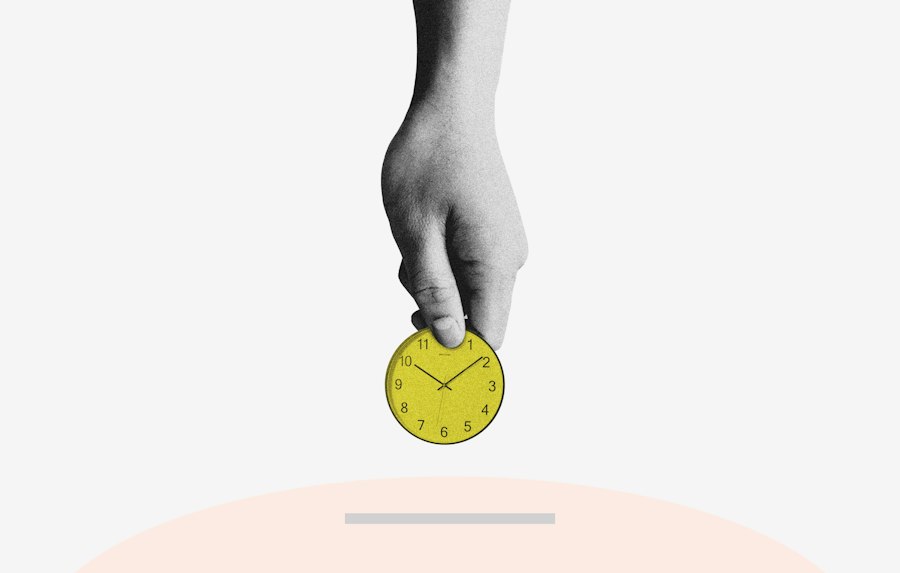
You’ve earned your rest. It’s not a luxury; it’s a necessity for sustained performance and a fulfilling life. The idea of “time off” conjures images of vacations, sure, but it encompasses so much more. It’s about the deliberate act of stepping away from your work responsibilities to recharge your batteries and rediscover your equilibrium.
Recharging Your Mental Batteries
When you’re not actively engaged in work-related tasks, your brain gets a much-needed break. This allows for cognitive rest, which is crucial for creativity, problem-solving, and overall mental clarity. Think of it like a computer that’s been running complex programs for hours; it needs to be shut down and rebooted to function optimally. During your time off, your mind can wander, make new connections, and process information in a less structured way. This can lead to breakthroughs and innovative ideas that might never surface when you’re bogged down in daily tasks. You’re not just resting; you’re actively preparing your mind for future challenges.
Rekindling Passion and Purpose
The daily grind can sometimes make you question why you even started your job in the first place. You can become so focused on deadlines and deliverables that you lose sight of the bigger picture, the passion that initially drew you to your field. Time off offers a valuable opportunity for reflection. It allows you to step back, re-evaluate your career path, and reconnect with your intrinsic motivations. Are you still fulfilled by what you do? Are you making a meaningful contribution? This period of introspection can be incredibly clarifying, helping you to recommit to your work with renewed vigor and purpose, or even to make significant career changes if necessary.
Strengthening Personal Relationships
Your personal life is just as important as your professional one, if not more so. When you’re constantly working, your relationships can suffer. You might miss important family events, have less quality time with your partner, or find yourself too exhausted to engage meaningfully with your friends. Time off provides the dedicated space to nurture these vital connections. It allows you to be present for your loved ones, create new memories, and strengthen the bonds that are essential for your overall happiness and support system. This investment in your personal life pays dividends in terms of emotional resilience and a richer, more balanced existence.
The Ripple Effect: How Time Off Boosts Productivity

You might think that taking time off would mean a drop in productivity, a period of falling behind. However, the opposite is often true. When you return from a well-deserved break, you’re not only refreshed but also more efficient and effective in your work. It’s a paradox, but a profoundly beneficial one.
Enhanced Focus and Concentration
After a period of rest and rejuvenation, your ability to focus and concentrate significantly improves. The mental fatigue that plagued you before your time off has dissipated, allowing you to tackle tasks with renewed clarity. You’re less likely to be distracted by minor issues, and your attention span is longer. This means you can get more done in less time, and the quality of your work is often higher. You’re not just working; you’re working smarter.
Increased Creativity and Innovation
When your mind is rested, it’s more open to new ideas and perspectives. Time off provides the mental space for creativity to flourish. You might find yourself approaching problems from different angles, developing innovative solutions, and contributing fresh ideas to your team. This is because your brain has had the chance to “unplug” from the constant demands of work and engage in more free-flowing, associative thinking. This can lead to significant advancements and improvements in your role and within your organization.
Reduced Errors and Improved Decision-Making
When you’re exhausted, your judgment can be impaired, leading to mistakes and poor decisions. Burnout can make you overlook crucial details or make hasty choices. By taking time off, you allow your cognitive functions to reset. You return with a clearer mind, better equipped to analyze situations, weigh options, and make sound decisions. This reduction in errors not only saves time and resources but also contributes to a more reliable and efficient work output. You’re not just preventing mistakes; you’re actively improving the quality of your contributions.
Quantifying the Intangible: When Money Falls Short
It’s easy to fall into the trap of thinking that money is the ultimate measure of value. After all, you can see it, spend it, and feel its immediate impact. But when it comes to the benefits of time off, you’re dealing with intangible assets that have a profound, albeit harder to quantify, impact on your life.
The Long-Term Investment in Well-being
A cash payout offers a short-term boost. You might use it for a new gadget, a down payment, or to pay off some bills. These are all valid and useful outcomes. However, time off is an investment in your long-term well-being. It’s an investment in your health, your relationships, and your overall quality of life. These are assets that appreciate over time and contribute to your happiness and resilience in ways that money alone cannot. You’re not just spending money; you’re building a foundation for a healthier, happier future.
The Intrinsic Value of Life Experiences
What truly enriches your life? Is it the accumulation of possessions, or the wealth of experiences you gather? Time off allows you to create memories, explore new places, learn new skills, and simply enjoy the moments that make life meaningful. These experiences shape who you are and contribute to a sense of fulfillment that transcends financial gain. The cash bonus might buy you things, but it can’t buy you the joy of a family vacation or the sense of accomplishment from mastering a new hobby. You’re not just acquiring assets; you’re living a richer life.
The Cost of Unhappiness and Burnout
Consider the true cost of unhappiness and burnout. It impacts your physical health, your mental state, your relationships, and ultimately, your overall life satisfaction. While difficult to put a price tag on, the consequences of neglecting your well-being can be far more detrimental than any financial gain. Time off is a proactive measure to prevent these costs from accumulating. It’s an investment in your present and future happiness, a crucial step in avoiding a life lived in a state of perpetual exhaustion and discontent. You’re not just choosing time; you’re choosing to avoid a significant personal deficit.
In today’s fast-paced work environment, many employees grapple with the decision of whether to take time off or opt for a cash payout. A related article discusses the potential benefits of taking time off, emphasizing how it can lead to improved mental health and productivity. You can explore this topic further in the article found here: is time off worth more than cash payout. Understanding the value of rest and recovery may help individuals make more informed choices about their benefits.
Making the Choice: Aligning Your Decision with Your Values
| Metric | Time Off | Cash Payout | Notes |
|---|---|---|---|
| Employee Satisfaction | 85% | 60% | Higher satisfaction reported with time off |
| Productivity Impact | +15% | 0% | Time off leads to increased productivity post-break |
| Cost to Employer | Variable | Fixed | Time off may reduce short-term costs but impact varies |
| Employee Health & Wellbeing | Improved | No significant change | Time off positively affects mental and physical health |
| Utilization Rate | 70% | 90% | More employees prefer cash payout but value time off |
| Retention Rate | Higher | Lower | Time off contributes to better employee retention |
Ultimately, the decision between a cash payout and time off is a deeply personal one. It requires you to look beyond the immediate and consider what truly matters to you. It’s about aligning your choices with your core values and recognizing the long-term implications of each option.
Assessing Your Current Needs and Priorities
Take a moment to honestly assess your current situation. Are you facing immediate financial pressures that a cash bonus would significantly alleviate? Or are you feeling the creeping signs of burnout, desperately needing a break to recharge and reconnect? Your answer to these questions will heavily influence which option is more beneficial for you right now. There’s no one-size-fits-all solution. You are the expert on your own life and your own needs.
The Long-Term Impact on Your Career Trajectory
While immediate financial rewards are tempting, consider the long-term impact on your career. Is taking time off to recharge and gain new perspectives going to make you a more valuable and productive employee in the long run? Will it allow you to avoid burnout and maintain a sustainable career path? Sometimes, a short-term sacrifice of immediate cash can lead to greater career growth and longevity. You’re not just making a decision for today; you’re shaping your professional future.
Empowering Yourself Through Prioritization
Choosing time off is an act of self-empowerment. It signifies that you value your well-being and recognize its importance for sustained success. It’s about taking control of your life and making choices that contribute to your overall happiness and fulfillment. The cash payout is a reward from your employer; time off is a reward you give yourself. By prioritizing your need for rest and rejuvenation, you are asserting your right to a balanced and fulfilling life. You are making a statement that your time, your health, and your happiness are valuable, perhaps even more valuable than a sum of money.
Unlimited PTO Sounds Generous—Until You Leave the Job
FAQs
1. Is taking time off more beneficial than receiving a cash payout?
It depends on individual preferences and circumstances. Some people may value time off to relax and recharge, while others may prefer the immediate financial benefit of a cash payout.
2. What are the potential benefits of choosing time off over a cash payout?
Taking time off can help reduce stress, improve mental health, increase productivity, and strengthen personal relationships. It allows individuals to rest and rejuvenate, leading to better overall well-being.
3. Are there any drawbacks to opting for time off instead of a cash payout?
One potential drawback is the loss of immediate financial compensation that a cash payout would provide. Additionally, taking time off may require planning and coordination with work responsibilities, which could be challenging for some individuals.
4. How can one determine if time off is worth more than a cash payout?
Consider factors such as current workload, personal priorities, financial needs, and overall well-being. Reflect on whether the benefits of time off, such as relaxation and stress relief, outweigh the financial gain of a cash payout in your specific situation.
5. Can employers offer alternatives such as paid time off or cash payouts to accommodate different preferences?
Yes, many employers provide options for employees to choose between taking time off or receiving a cash payout. This flexibility allows individuals to select the option that best suits their needs and preferences.