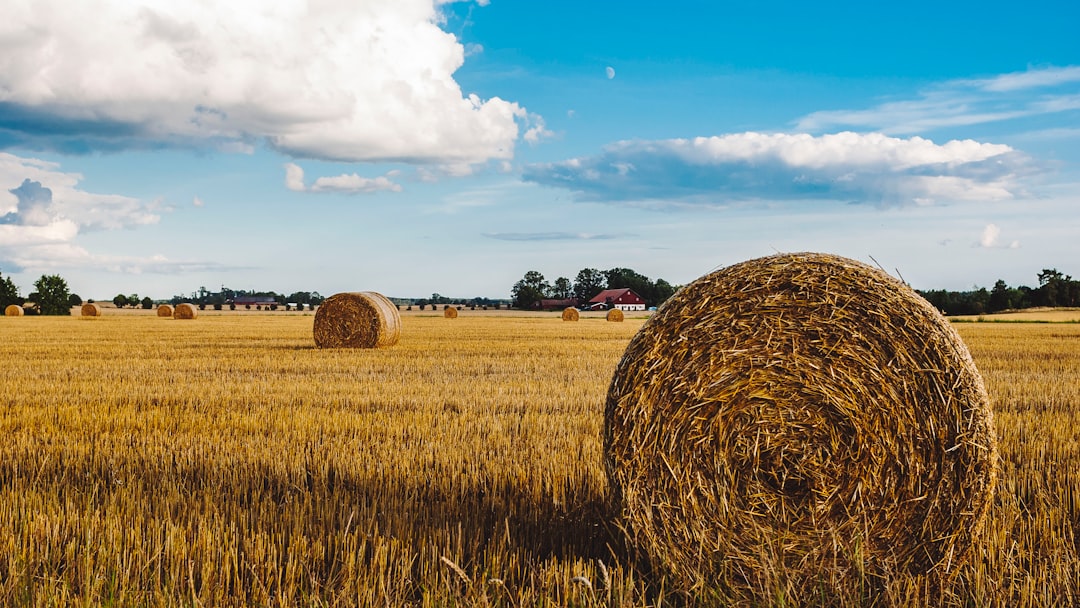
The US farmland market encompasses both historical significance and contemporary investment opportunities. Farmland has served as a fundamental component of the American economy, functioning as both a food production resource and an investment asset. Unlike financial instruments such as stocks or bonds, farmland offers tangible value and can generate returns through property appreciation and income production.
Recent years have witnessed increased market interest, raising questions about long-term sustainability and growth prospects. Analyzing the farmland market requires examination of multiple factors, including historical performance data, economic conditions, and regulatory frameworks. Farmland operates as a complex investment vehicle that responds to broader economic indicators.
For both investors seeking portfolio diversification and agricultural operators planning expansion, understanding market dynamics is critical for effective decision-making.
Key Takeaways
- US farmland prices have shown significant historical growth influenced by various economic and policy factors.
- Key drivers of farmland prices include commodity demand, interest rates, and government subsidies.
- Current market conditions differ from past bubbles, with some experts expressing caution but not consensus on a bubble.
- Government policies play a crucial role in stabilizing or inflating farmland values.
- Investing strategies focus on long-term value, diversification, and understanding regional market dynamics.
Historical Trends in Farmland Prices
When you examine historical trends in farmland prices, you will notice a pattern of steady growth punctuated by periods of volatility. Over the past few decades, farmland values have generally trended upward, driven by factors such as increasing demand for food and biofuels, as well as limited supply due to urbanization and environmental regulations. For instance, from the early 2000s to 2015, you may recall that farmland prices experienced significant appreciation, with some regions witnessing price increases of over 50%.
This trend was fueled by low-interest rates and strong commodity prices, which made agricultural investments particularly attractive. However, as you look back further in time, you will also see instances of sharp declines in farmland values. The 1980s farm crisis serves as a stark reminder of how external economic pressures can impact this market.
During that period, high interest rates and falling commodity prices led to widespread financial distress among farmers, resulting in a dramatic drop in farmland values. This historical context is crucial for understanding the current state of the market and the potential risks that lie ahead. Investing in farmland investment can provide sustainable returns and long-term growth opportunities.
Factors Driving Farmland Prices
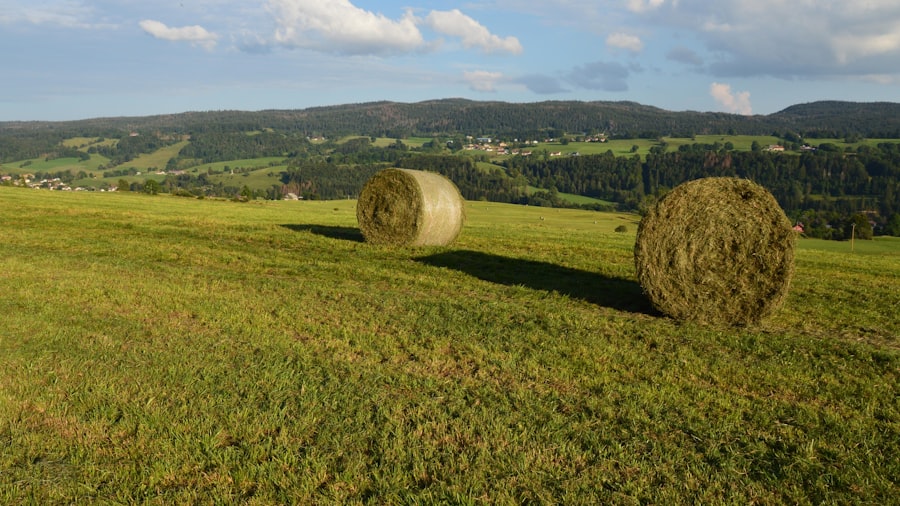
As you explore the factors driving farmland prices today, it becomes clear that multiple elements are at play. One of the most significant influences is the growing global population, which has led to increased demand for food production. With projections indicating that the world population could reach nearly 10 billion by 2050, the pressure on agricultural land is expected to intensify.
This demand creates upward pressure on farmland prices as investors seek to capitalize on the need for more efficient food production systems. In addition to demographic trends, you should consider the impact of technological advancements in agriculture. Innovations such as precision farming and genetically modified organisms (GMOs) have enhanced productivity and efficiency on existing farmland.
As these technologies continue to evolve, they may further increase the value of agricultural land by enabling higher yields and more sustainable practices. Furthermore, the rise of alternative investments, such as renewable energy projects on agricultural land, adds another layer of complexity to the pricing dynamics in this market.
Comparison to Previous Bubbles
When assessing whether the current farmland market resembles previous bubbles, it is essential to draw comparisons with historical instances of asset inflation. You might recall the dot-com bubble of the late 1990s or the housing bubble that preceded the 2008 financial crisis. In both cases, excessive speculation and unsustainable price increases ultimately led to sharp corrections.
As you analyze the current farmland market, you may find parallels in terms of investor sentiment and speculative behavior. However, it is crucial to recognize that farmland possesses unique characteristics that differentiate it from other asset classes. Unlike stocks or real estate, farmland is inherently tied to tangible resources—namely, soil and water—which cannot be manufactured or easily replicated.
This fundamental aspect provides a level of stability that may mitigate some risks associated with speculative bubbles. Nevertheless, as you consider your investment strategy, it is wise to remain vigilant about potential signs of overvaluation and market corrections.
Current State of the US Farmland Market
| Metric | Value | Notes |
|---|---|---|
| Average US Farmland Price per Acre (2023) | 4,500 | Up 5% from previous year |
| Annual Price Growth Rate (Last 5 Years) | 6% | Moderate growth compared to historical average |
| Farmland Price to Income Ratio | 35 | Higher than historical average of 25, indicating potential overvaluation |
| Farmland Cash Rent per Acre | 150 | Stable, with slight increases |
| Farmland Price to Rent Ratio | 30 | Higher than historical average of 20, suggesting price may be elevated |
| Interest Rates (Farm Loans) | 6.5% | Increased from 4% two years ago, impacting affordability |
| Farmland Sales Volume (2023) | 15 million acres | Down 10% from peak in 2021 |
| Farmland Debt to Asset Ratio | 12% | Relatively low, indicating manageable debt levels |
| Speculative Buying Activity | Moderate | Some increase in non-farming investors |
| Government Subsidies Impact | Significant | Supports farm income and land values |
As you assess the current state of the US farmland market, you will find that it remains robust despite various economic challenges. Recent data indicates that average farmland values have continued to rise, driven by strong demand from both institutional investors and individual buyers. You may notice that certain regions are experiencing particularly high levels of interest due to their agricultural productivity and favorable climate conditions.
For instance, areas in the Midwest known for corn and soybean production have seen significant price appreciation. Moreover, low-interest rates have played a pivotal role in sustaining demand for farmland investments. With borrowing costs remaining historically low, many investors are turning to agriculture as a hedge against inflation and economic uncertainty.
This trend has contributed to a competitive bidding environment for quality farmland, further driving up prices. As you navigate this landscape, it is essential to stay informed about regional variations and market dynamics that could impact your investment decisions.
Potential Risks and Concerns
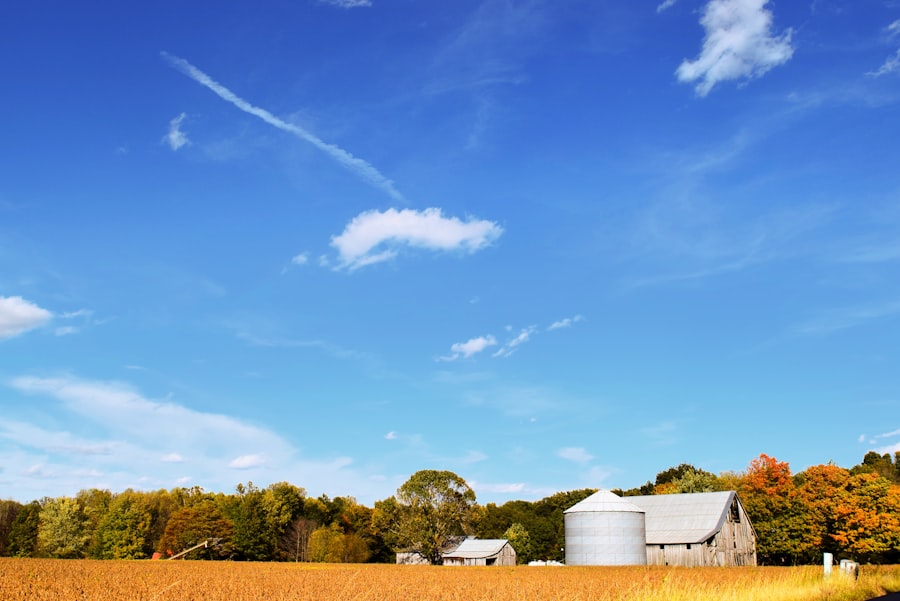
While the US farmland market presents numerous opportunities, it is not without its risks and concerns. As you consider investing in this sector, you should be aware of potential challenges that could impact your returns. One significant risk is climate change, which poses threats to agricultural productivity through extreme weather events and shifting growing conditions.
You may find that certain regions are more vulnerable than others, making it crucial to conduct thorough research before committing capital. Additionally, fluctuations in commodity prices can have a direct impact on farmland values. If crop prices were to decline significantly due to oversupply or changes in consumer preferences, you might witness a corresponding decrease in farmland values.
This volatility underscores the importance of diversifying your investment portfolio and not relying solely on agricultural land as your primary asset class.
Impact of Government Policies on Farmland Prices
Government policies play a critical role in shaping the landscape of the US farmland market. As you explore this aspect, consider how agricultural subsidies, tax incentives, and land-use regulations can influence both supply and demand dynamics. For instance, federal programs aimed at supporting farmers during periods of low commodity prices can help stabilize income levels and maintain demand for farmland investments.
Moreover, environmental regulations aimed at promoting sustainable farming practices can also impact land values. As you evaluate potential investments, it is essential to stay informed about policy changes at both federal and state levels that could affect agricultural operations and land use. Understanding these regulations will enable you to make more informed decisions regarding your investments in farmland.
Expert Opinions on the Farmland Market
To gain deeper insights into the US farmland market, it can be beneficial to consider expert opinions from industry analysts and agricultural economists. Many experts express optimism about the long-term prospects for farmland investments due to ongoing global demand for food and sustainable agricultural practices. They often highlight the resilience of farmland as an asset class during economic downturns, suggesting that it can serve as a reliable store of value.
However, some experts caution against complacency, urging investors to remain vigilant about potential risks associated with overvaluation and changing market conditions. They emphasize the importance of conducting thorough due diligence before making investment decisions and staying informed about broader economic trends that could impact agricultural markets. By considering these expert perspectives, you can better navigate the complexities of investing in farmland.
Potential Opportunities in the Farmland Market
As you explore potential opportunities within the US farmland market, consider the growing interest in sustainable agriculture and organic farming practices. With consumers increasingly prioritizing environmentally friendly products, there is a rising demand for organic produce that can drive up land values for farms practicing sustainable methods. Investing in properties that align with these trends could yield significant returns as consumer preferences continue to evolve.
Additionally, you might find opportunities in emerging markets or regions experiencing population growth and urbanization. As cities expand outward, agricultural land may become increasingly valuable due to its proximity to urban centers. Identifying areas poised for growth can provide lucrative investment opportunities as demand for local food production rises alongside population increases.
Strategies for Investing in Farmland
When considering strategies for investing in farmland, it is essential to approach this asset class with a clear plan tailored to your financial goals and risk tolerance. One effective strategy is to invest directly in agricultural land through outright purchases or partnerships with local farmers. This approach allows you to benefit from both appreciation in land value and potential rental income from farming operations.
Alternatively, you might explore indirect investment options such as real estate investment trusts (REITs) focused on agriculture or farmland-focused mutual funds. These vehicles provide exposure to farmland without requiring direct ownership while allowing for diversification across various properties and regions. Regardless of your chosen strategy, conducting thorough research and seeking professional advice can enhance your chances of success in this dynamic market.
Is the US Farmland Market a Bubble?
As you reflect on whether the US farmland market is currently experiencing a bubble, it becomes evident that this question does not have a straightforward answer. While there are signs of strong demand and rising prices reminiscent of previous bubbles, unique characteristics inherent to farmland provide a level of stability that may mitigate some risks associated with speculative behavior. Ultimately, your assessment will depend on various factors including regional dynamics, government policies, and broader economic conditions.
In conclusion, navigating the US farmland market requires careful consideration of both opportunities and risks. By staying informed about historical trends, current market conditions, and expert opinions, you can make more informed investment decisions that align with your financial goals. Whether you view this market as an opportunity or a potential bubble will depend on your perspective and willingness to engage with its complexities.
The question of whether the U.S. farmland market is experiencing a bubble has garnered significant attention from investors and analysts alike. A related article that delves into the intricacies of this topic can be found at howwealthgrows.
com/sample-page/’>this link. It explores various factors influencing farmland prices and provides insights into the sustainability of current market trends, making it a valuable resource for anyone interested in understanding the dynamics of agricultural real estate.
WATCH THIS! The Gold Rush is Over. Now, the Dirt Rush is ON. 🚜💰
FAQs
What is meant by a “bubble” in the farmland market?
A bubble in the farmland market refers to a situation where land prices are driven to unsustainable levels due to speculation, excessive demand, or other factors, and may eventually lead to a sharp decline or crash in prices.
What factors influence the US farmland market prices?
US farmland prices are influenced by factors such as crop prices, interest rates, government policies, demand for agricultural products, technological advancements, and overall economic conditions.
Has US farmland experienced rapid price increases recently?
Yes, US farmland prices have seen significant increases over the past decade, driven by strong demand, low interest rates, and favorable commodity prices, though growth rates have varied by region.
Are current US farmland prices considered overvalued?
Opinions vary among experts; some believe prices reflect strong fundamentals like high commodity prices and low interest rates, while others warn that prices may be inflated beyond intrinsic agricultural value.
What risks could lead to a correction in the US farmland market?
Risks include rising interest rates, declining commodity prices, changes in government subsidies, adverse weather events, and shifts in global trade policies that could reduce demand for US agricultural products.
How does farmland compare to other investment assets?
Farmland is often viewed as a stable, long-term investment with income potential from crop production and land appreciation, but it is less liquid and subject to agricultural and environmental risks compared to stocks or bonds.
What role do government policies play in the farmland market?
Government policies, including subsidies, tax incentives, and trade agreements, can significantly impact farmland values by influencing farm income and market demand.
Can farmland prices vary significantly by region?
Yes, farmland prices vary widely across the US depending on soil quality, climate, crop types, local demand, and infrastructure availability.
Is farmland ownership concentrated or widely distributed in the US?
Farmland ownership in the US is a mix of family farms, corporate entities, and institutional investors, with some regions seeing increased investment from non-farming entities.
What indicators should investors watch to assess the health of the farmland market?
Key indicators include commodity prices, interest rates, farm income levels, land sales volume, government policy changes, and broader economic trends affecting agriculture.