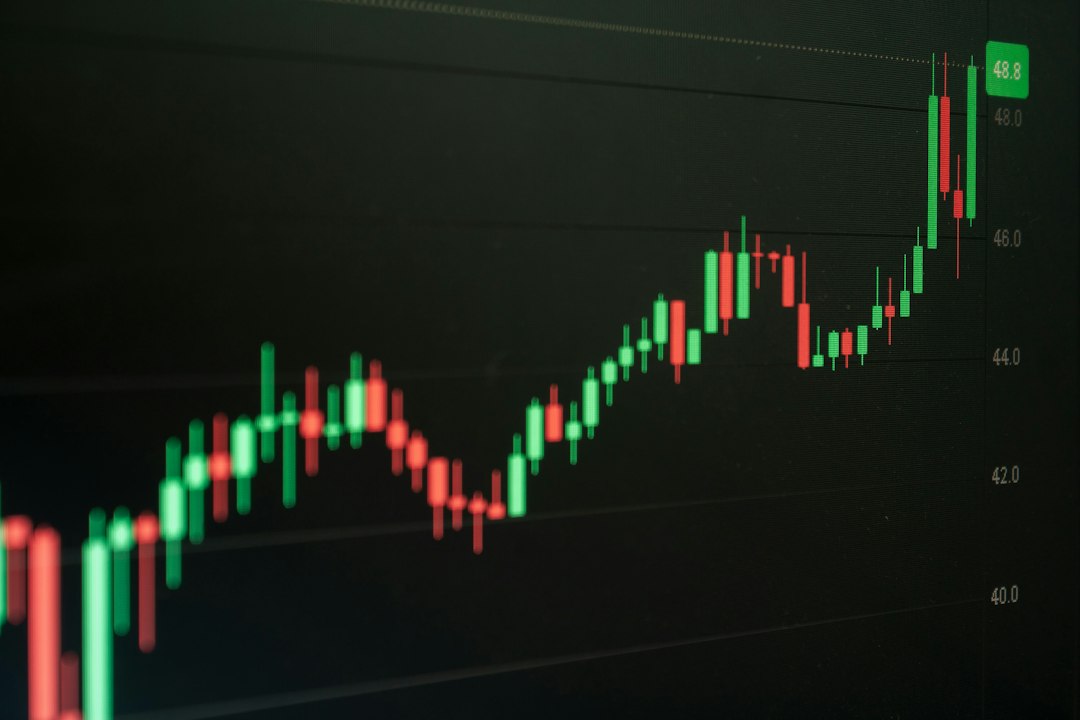
You stand at the precipice of uncertainty. The market, a usually predictable behemoth, is suddenly lurching, throwing your carefully constructed investment portfolio into a tailspin. Red numbers dominate your screen, and a knot of anxiety tightens in your stomach. This is a frightening market swing, a period that tests the mettle of even the most seasoned investor. In these volatile moments, your reactions, your emotions, can inadvertently become the architects of your financial downfall. You might think you’re protecting your capital, but the hidden costs of your behavioral responses can be far more insidious and damaging than you realize. Let’s delve into the psychology of investor behavior during these turbulent times and uncover the often-overlooked expenses that can erode your wealth.
The Emotional Rollercoaster: Fear and Greed’s Grip
When the market plummets, your primal instincts kick in. Fear, a powerful evolutionary tool designed to keep you safe from immediate physical danger, can become a devastating enemy to your long-term financial health. You see your portfolio value shrinking, and the immediate urge is to stop the bleeding, to escape the perceived threat. Conversely, when the market surges, a different, yet equally potent, emotion takes hold: greed. The allure of quick profits, the FOMO (fear of missing out) on seemingly easy gains, can lead you to make impulsive and often ill-advised decisions. Understanding these emotional drivers is the first step to mitigating their corrosive effects.
The Siren Song of Panic Selling
The most obvious manifestation of fear during a market downturn is panic selling. You witness a sharp decline, perhaps a 10%, 20%, or even larger drop in a short period. Your brain, wired for survival, screams “Danger! Get out now!” You might tell yourself you’re being prudent, cutting your losses before they become irreversible. However, the hidden cost here is profound. When you panic sell, you are locking in those losses. You are selling at the bottom of the dip, just before a potential rebound. The subsequent recovery, which historically always follows market downturns, will then happen without your capital. You miss out on the gains that could have helped you recoup your initial losses and then some. This act of capitulation is often the biggest mistake an investor can make, effectively crystallizing losses and hindering future growth. The psychological relief of selling might be temporary, but the financial consequence can be long-lasting. You’ve essentially bought high and sold low, the exact opposite of sound investment strategy.
The Allure of Chasing Gains
On the flip side, when the market is soaring and certain assets are experiencing meteoric rises, greed can lead you to chase those gains. You see a stock or a sector performing exceptionally well, and the fear of missing out on this apparent windfall becomes overwhelming. You might jump in without proper due diligence, convinced that the upward trend will continue indefinitely. The hidden cost here is twofold. Firstly, you are often buying at the peak of a parabolic move, making you highly susceptible to a sharp correction. When the bubble inevitably bursts, you are left holding the bag, having bought at an inflated price. Secondly, this chasing behavior often leads to a lack of diversification. You might pile all your capital into one or two hot assets, neglecting the risk-spreading benefits of a well-balanced portfolio. When those specific assets falter, your entire portfolio suffers disproportionately. This is the classic mistake of letting emotion dictate strategy, leading you to buy high and sell low, or worse, buy high and hold as the value plummets.
The Impact of Recency Bias
Your brain has a tendency to give more weight to recent events. This is known as recency bias, and it plays a significant role in how you react to market swings. After a prolonged period of market gains, you might become overly optimistic, assuming that this trend will continue forever. Conversely, after a period of significant losses, you might become excessively pessimistic, believing that the market will never recover. The hidden cost of recency bias is that it prevents you from seeing the bigger picture, the historical cyclical nature of markets. You might over-invest during bull markets and under-invest or panic sell during bear markets, precisely the opposite of what a disciplined, long-term investor would do. This behavioral quirk leads to suboptimal asset allocation and missed opportunities for both growth and risk management.
Investor behavior during frightening market swings can significantly impact financial outcomes, as emotions often drive decisions that may lead to costly mistakes. For a deeper understanding of how investors react in volatile conditions and strategies to mitigate losses, you can explore a related article on this topic at How Wealth Grows. This resource provides valuable insights into managing emotions and making informed investment choices during turbulent times.
The Cost of Inaction: Missed Opportunities and Stagnation

While panic selling is an active mistake, there’s also a significant hidden cost associated with inaction. Sometimes, during frightening market swings, the fear of making the wrong move can paralyze you, leading you to do nothing at all. This “deer in the headlights” approach can be just as detrimental to your financial well-being as impulsive selling.
The Erosion of Purchasing Power
When you are too scared to invest or reinvest during a market downturn, you are essentially allowing your cash to lose value due to inflation. While the market might seem risky, holding too much cash in a low-interest-rate environment means its purchasing power is steadily declining. The hidden cost here is the erosion of your wealth. The money you are hoarding today will buy less tomorrow. Furthermore, if you are waiting for the “perfect” moment to re-enter the market, you might miss out on the initial stages of a recovery, which often happen with surprising speed. By the time you feel comfortable enough to invest again, you might have already missed a significant portion of the gains. This inaction, born out of fear, can lead to a slow but steady decline in your real wealth.
The Missed Rebalancing Opportunities
Market swings also present valuable opportunities for rebalancing your portfolio. Rebalancing is the process of adjusting your portfolio back to its original asset allocation targets. When certain asset classes perform exceptionally well, they grow to represent a larger portion of your portfolio than intended, increasing your risk. Conversely, underperforming assets shrink. During a downturn, some assets will have fallen more than others. This can present an opportunity to buy more of those beaten-down assets at a lower price, effectively rebalancing your portfolio and setting yourself up for future gains. However, if you are paralyzed by fear or simply avoid looking at your portfolio during volatile times, you miss these crucial rebalancing opportunities. The hidden cost is a portfolio that becomes increasingly out of sync with your risk tolerance and investment goals, potentially exposing you to more risk than you are comfortable with when the market eventually recovers.
The Slowdown in Compounding
The magic of compounding relies on time and consistent reinvestment. When you withdraw your money out of fear or when you allow your invested capital to sit idle without reinvesting dividends or capital gains, you are effectively interrupting the compounding process. The longer your money is out of the market or not actively working for you, the less time it has to grow exponentially. The hidden cost of inaction during market swings is the lost potential for compounding. This might seem insignificant in the short term, but over the long run, the difference in wealth accumulation can be substantial. Every period of inactivity is a period where your money isn’t generating its own earnings, slowing down the growth trajectory of your entire investment portfolio.
The Pitfalls of Over-Correction and Emotional Trading

Beyond simply buying and selling, there are more nuanced behavioral pitfalls that emerge during frightening market swings. These often involve over-correcting your strategy based on immediate emotions or engaging in frequent, reactive trading.
The Trap of Frequent Trading
The temptation to “trade your way out of a downturn” can be strong. You might see sharp price movements and believe you can profit by buying low and selling high multiple times within a short period. However, for most individual investors, frequent trading is a losing game. The hidden costs are numerous: increased transaction fees (commissions, spreads), higher taxes due to short-term capital gains, and the sheer difficulty of consistently predicting short-term market movements. Professional traders with sophisticated tools and algorithms struggle to achieve consistent success with frequent trading. For the average investor, it’s a recipe for wealth destruction. You are essentially gambling with your capital, and the odds are heavily stacked against you.
The Danger of Market Timing
Market timing – the attempt to predict when the market will rise or fall and adjust your investments accordingly – is notoriously difficult, if not impossible, to do consistently. During frightening market swings, the urge to time the market becomes almost irresistible. You might try to sell before a predicted drop or buy back in after you believe the bottom has been reached. The hidden cost of market timing is that you need to be right twice: once when you get out and again when you get back in. Even a few missed trading days can significantly impact your overall returns. Historically, the best-performing days for the market often occur during periods of high volatility. If you are out of the market trying to time it, you are very likely to miss these crucial rebound days, severely hampering your long-term performance.
The Overreaction to News and Headlines
In today’s 24/7 news cycle, you are bombarded with information, often sensationalized, about market events. During frightening swings, these headlines can trigger strong emotional responses. A negative headline might lead you to sell, while a positive one might encourage you to buy without considering the broader context or your long-term strategy. The hidden cost of overreacting to news is that you are making investment decisions based on short-term noise rather than long-term fundamentals. Markets are complex and react to countless factors. Focusing on individual headlines is like trying to navigate a ship by looking at a single wave; it’s a myopic and often detrimental approach. You are essentially allowing external stimuli to dictate your financial future, which is a passive and potentially ruinous strategy.
The Long-Term Consequences of Short-Term Thinking
The decisions you make during frightening market swings, driven by emotion rather than a well-defined strategy, can have profound and lasting consequences on your ability to achieve your financial goals. The short-term relief you might feel from impulsive actions can lead to long-term financial setbacks.
The Damage to Your Long-Term Growth Trajectory
Compounding is a powerful force, but it requires time and consistent investment. When you make impulsive decisions during market swings – selling low, buying high, or sitting on the sidelines for extended periods – you disrupt the compounding process. This means your portfolio will not grow as quickly as it otherwise would have. The hidden cost is a significantly lower final wealth accumulation. Imagine two investors starting with the same amount of money. One remains disciplined through market volatility, while the other makes emotional decisions. Over decades, the disciplined investor will likely end up with substantially more wealth due to the uninterrupted power of compounding. Your short-term emotional reactions have a direct and detrimental impact on your long-term financial trajectory.
The Increased Difficulty in Reaching Retirement Goals
Many of your significant financial goals, such as retirement, are built on the assumption of steady, long-term growth. Frightening market swings, if handled poorly, can derail these plans. If you sell at a loss during a downturn and then miss out on the subsequent recovery, you may need to work longer, save more aggressively, or settle for a less comfortable retirement. The hidden cost is the delayed or diminished realization of your life goals. This isn’t just about numbers; it’s about the impact on your quality of life and your ability to enjoy the fruits of your labor. Your behavioral responses during turbulent markets directly influence your ability to secure your future.
The Potential for a Vicious Cycle of Fear and Mistrust
Once you experience significant losses due to poor decision-making during market swings, it can breed a deep-seated mistrust of the market itself. This can lead to a vicious cycle where you become overly risk-averse, unwilling to invest even when opportunities are historically favorable. The hidden cost is a life of underperformance and missed opportunities. You may choose to keep your money in very conservative assets that offer minimal growth, effectively guaranteeing that you will not outpace inflation. This fear, once ignited by poor behavioral responses, can become a permanent barrier to your financial progress, leaving you perpetually behind your potential. Breaking this cycle requires a conscious effort to reframe your understanding of market volatility and to develop a resilient, disciplined approach to investing.
Investor behavior during frightening market swings can significantly impact decision-making and overall financial outcomes. Understanding how emotions influence investment choices is crucial for navigating turbulent times. For a deeper insight into this topic, you may find it helpful to read a related article that explores the psychological aspects of investing during market volatility. This article provides valuable strategies for maintaining a level head and making informed decisions. To learn more, visit this resource.
Building Resilience: Strategies for Navigating Volatility
| Metric | Description | Typical Value | Impact on Investor Behavior |
|---|---|---|---|
| Loss Aversion | Degree to which investors prefer avoiding losses over acquiring gains | 2.25 times more sensitive to losses | Leads to panic selling during market downturns |
| Average Holding Period | Duration investors hold assets before selling | Reduced by 30-50% during market swings | Increased trading frequency, higher transaction costs |
| Emotional Trading Incidence | Percentage of trades driven by fear or panic | Up to 40% during frightening market swings | Suboptimal timing, increased losses |
| Portfolio Rebalancing Frequency | How often investors adjust asset allocation | Increases by 25% during volatile periods | Higher costs and potential tax implications |
| Opportunity Cost | Potential gains missed due to premature selling | Average 5-10% annual return lost | Reduced long-term wealth accumulation |
The good news is that you are not destined to fall victim to these behavioral pitfalls. By understanding them, you can develop strategies to build resilience and navigate frightening market swings with greater confidence and success.
The Power of a Pre-Defined Investment Plan
The single most effective tool you have against emotional decision-making is a pre-defined investment plan. Before market swings even occur, you should establish clear investment objectives, risk tolerance, and an asset allocation strategy. This plan should be based on your long-term goals, not on short-term market sentiment. When frightening swings hit, you can refer back to this plan as your compass. The hidden benefit of a plan is that it removes emotion from the equation. You have a roadmap to follow, which significantly reduces the likelihood of impulsive actions driven by fear or greed. Your plan acts as a rational anchor in a sea of emotional turbulence.
The Importance of Diversification and Rebalancing
As discussed, diversification is your first line of defense against significant losses. Spreading your investments across different asset classes, geographies, and sectors reduces the impact of any single asset’s poor performance. Furthermore, a regular rebalancing schedule is crucial. By systematically buying low and selling high, you maintain your desired risk profile and capitalize on market movements. The hidden advantage of this disciplined approach is a portfolio that is inherently more robust and better positioned to recover from downturns. You are not relying on predicting the market; you are relying on a time-tested strategy that mitigates risk and enhances returns over the long term.
Seeking Objective Advice and Continuous Education
When emotions run high, it’s easy to lose perspective. Consulting with a qualified financial advisor can provide a much-needed objective viewpoint. They can help you stick to your investment plan, provide rational guidance during volatile periods, and help you avoid costly behavioral mistakes. Equally important is continuous education. The more you understand about market history, economic cycles, and investment principles, the less susceptible you will be to fear-mongering and irrational impulses. The hidden value of objective advice and education is that it empowers you to make informed decisions, rather than reactive ones, fostering a sense of control and confidence even when the markets are at their most unpredictable. You learn to see volatility not as a threat, but as an inherent part of the investment landscape, and an opportunity for those who approach it with a disciplined and informed mindset.
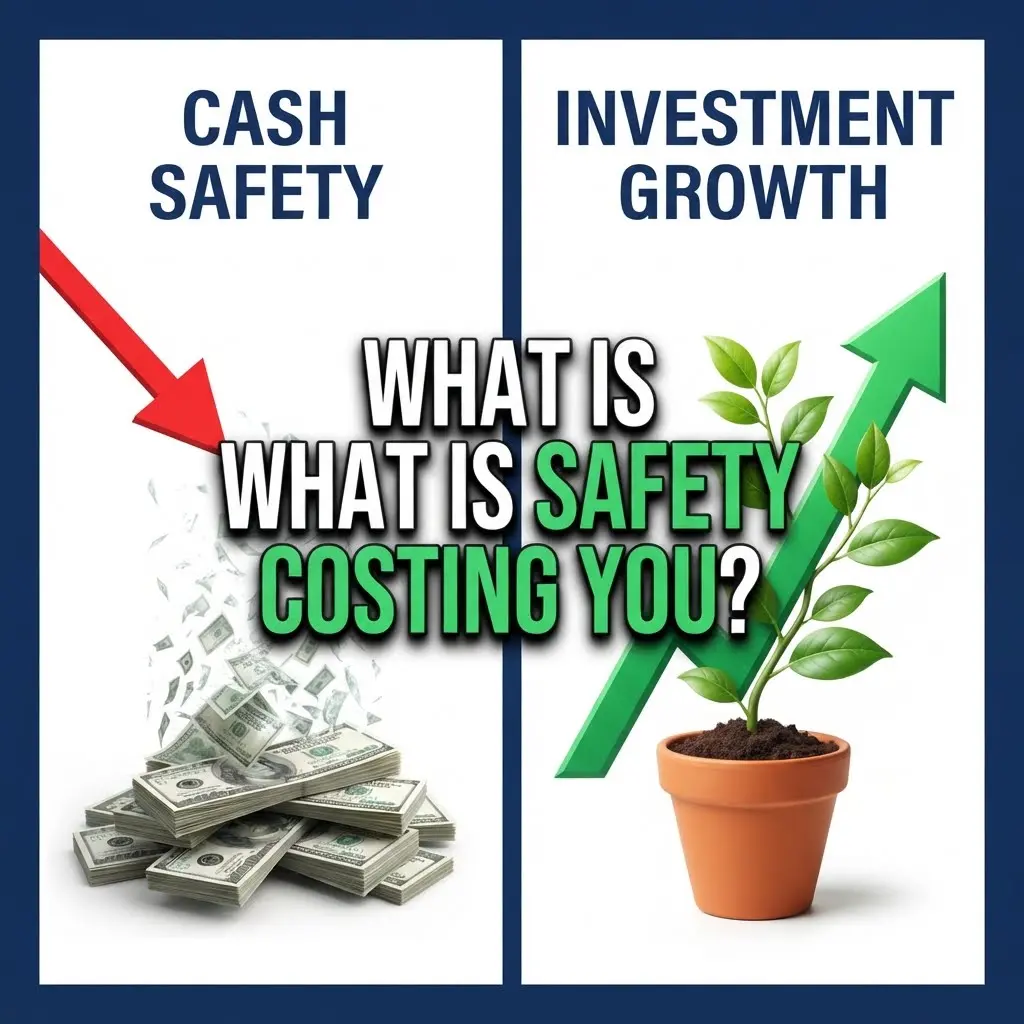
The 4% Retirement Mistake That’s Secretly Costing You Thousands
FAQs
What is investor behavior during frightening market swings?
Investor behavior during frightening market swings refers to how investors react and make decisions when the stock market experiences significant and rapid fluctuations in value.
What are some common reactions of investors during frightening market swings?
Common reactions of investors during frightening market swings include panic selling, emotional decision-making, and a tendency to follow the crowd rather than sticking to a long-term investment strategy.
How can frightening market swings impact investors financially?
Frightening market swings can impact investors financially by causing significant losses in their investment portfolios, leading to a decrease in wealth and potentially affecting their long-term financial goals.
What are some strategies that investors can use to navigate frightening market swings?
Investors can navigate frightening market swings by staying informed, maintaining a diversified portfolio, avoiding emotional decision-making, and focusing on their long-term investment goals rather than short-term fluctuations.
How does investor behavior during frightening market swings impact the overall market?
Investor behavior during frightening market swings can impact the overall market by exacerbating volatility, leading to sharp declines in stock prices, and creating a self-fulfilling prophecy as more investors react based on fear and uncertainty.