You walk into a bank, perhaps to deposit a check, withdraw cash, or apply for a loan. It feels like a straightforward transaction, a simple exchange of numbers and promises. But what you see on the surface, the polished counters and friendly tellers, is just a sliver of a much larger, more intricate financial universe. You’re about to pull back the curtain and understand how the banking system really works, a system that underpins your daily life and the global economy in ways you might not fully grasp.
The Deposit Myth: Where Does Your Money Actually Go?
When you deposit money into your bank account, it’s easy to imagine that those specific bills and coins are sitting securely in a vault, waiting for you. This is the first, and perhaps most significant, misconception about the banking system. Your money doesn’t sit idle. Instead, it enters a dynamic flow that fuels lending and investment.
Fractional Reserve Banking: The Engine of Lending
The cornerstone of modern banking is the concept of fractional reserve banking. This isn’t some shadowy conspiracy; it’s a regulated practice. When you deposit $1,000, the bank is required to hold only a fraction of that amount in reserve, a percentage determined by the central bank (in the US, the Federal Reserve). Let’s say that reserve requirement is 10%. This means the bank must keep $100 in reserve. The remaining $900? That’s now available for the bank to lend out.
Think of it as a sophisticated multiplier effect. The $900 your bank lends out doesn’t disappear from your account. You still have your $1,000 balance available to you. The borrower, in turn, uses that $900, and likely deposits it into another bank. That second bank then keeps 10% ($90) in reserve and can lend out the remaining $810. This process continues, with each subsequent loan creating new deposits and expanding the money supply. This is how banks create money, not by printing it, but by leveraging the deposits they receive.
The Illusion of Ownership: Your Balance vs. The Bank’s Assets
It’s crucial to understand that your bank balance is not a direct claim on a specific pile of cash in a vault. Instead, it’s a liability for the bank. When you see $1,000 in your account, that’s what the bank owes you. The bank, however, has lent out a significant portion of the money that originated from your deposit, along with deposits from countless others. This is why bank runs, though rare due to deposit insurance, can be devastating. If too many people try to withdraw their money simultaneously, the bank wouldn’t have enough physical cash on hand because it’s all tied up in loans.
Understanding the intricacies of the banking system is essential for anyone looking to navigate their financial landscape effectively. For a deeper dive into how the banking system really works, you can refer to this insightful article that breaks down the mechanisms of banking, lending, and the creation of money. To explore this further, visit this link for a comprehensive overview.
The Art of Lending: More Than Just Giving Money Away

Lending is the primary business of banks, and it’s far more complex than simply handing over cash. It involves risk assessment, interest calculation, and a deep understanding of economic cycles.
Credit Scoring and Risk Management: Assessing Your Worthiness
Before a bank lends you money, they conduct a thorough assessment of your creditworthiness. This is where credit scores come into play. A credit score is a numerical representation of your history of borrowing and repaying debt. Lenders use this score, along with other information like your income, employment history, and existing debts, to predict the likelihood of you repaying the loan. Higher scores indicate lower risk, allowing you to access better interest rates and loan terms.
Banks have dedicated risk management departments that analyze potential loans for all kinds of risks: credit risk (the borrower defaulting), market risk (fluctuations in interest rates or asset values affecting the loan’s collateral), operational risk (internal failures or fraud), and liquidity risk (not having enough cash to meet obligations). This meticulous evaluation is designed to protect the bank’s capital and ensure its solvency.
Interest: The Price of Borrowing and The Bank’s Profit
Interest is the lifeblood of the banking system. When you borrow money, you pay the bank a fee for the privilege of using their capital. This fee is calculated as a percentage of the loan amount, known as the interest rate. The bank, in turn, pays interest on the deposits it holds, though typically at a lower rate than it charges for loans. The difference between the interest earned on loans and the interest paid on deposits is a major source of a bank’s profit.
The interest rate is influenced by several factors, including the central bank’s policy rates, inflation, the borrower’s creditworthiness, and the overall economic climate. Banks must carefully manage their interest rate risk, balancing the need to offer competitive rates to attract borrowers with the need to generate sufficient profit to remain viable.
The Interbank Market: Banks Lending to Each Other
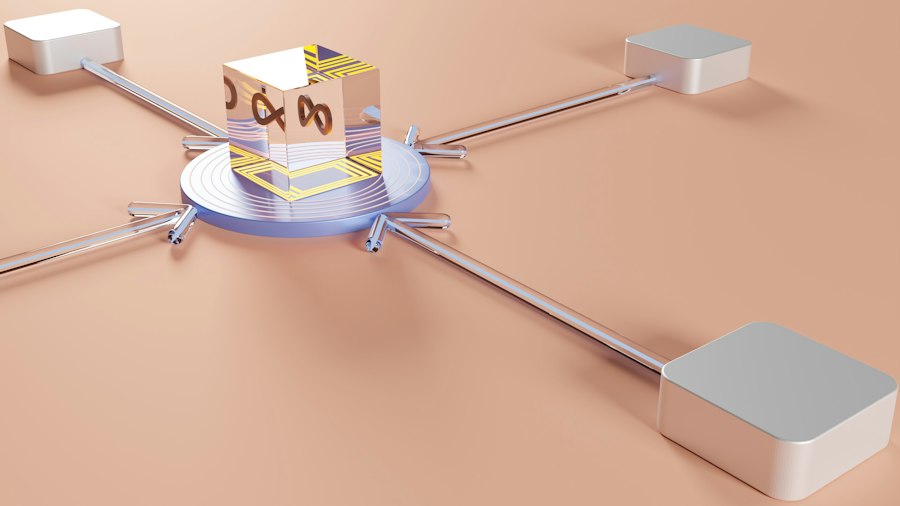
You might not see it, but banks are constantly interacting with each other in a vast, invisible marketplace. This is the interbank market, where banks lend and borrow funds from one another, usually on a short-term basis.
Overnight Loans and Liquidity Management
One of the most crucial functions of the interbank market is to manage daily liquidity. Banks receive and disburse large sums of money constantly. Sometimes, a bank might find itself with a temporary shortfall of cash to meet its immediate obligations. In such cases, it can borrow from another bank that has surplus funds. These overnight loans are typically unsecured and are priced based on prevailing market interest rates.
This constant flow of funds between banks ensures that the entire system remains liquid and operational. It’s a vital mechanism for smoothing out daily fluctuations in deposits and withdrawals, preventing any single institution from facing a liquidity crisis.
The Central Bank’s Role as a Lender of Last Resort
When the interbank market dries up, or in times of severe financial stress, the central bank steps in as the lender of last resort. This means the central bank can provide emergency loans to solvent banks that are experiencing temporary liquidity problems, preventing a domino effect of failures throughout the financial system. This role is critical for maintaining financial stability and public confidence.
Central Banks: The Guardians of the Financial System
The entities you hear about most often in relation to monetary policy – the Federal Reserve, the European Central Bank, the Bank of England – are the central banks. They are not commercial banks serving the public directly; they are the architects and overseers of the entire financial infrastructure.
Setting Interest Rates and Controlling Inflation: Monetary Policy in Action
Central banks have powerful tools at their disposal to influence the economy. The most prominent is their ability to set benchmark interest rates. By raising or lowering these rates, they affect the cost of borrowing for businesses and consumers, thereby influencing spending, investment, and ultimately, inflation. When inflation is high, central banks tend to raise interest rates to cool down the economy. Conversely, during economic downturns, they may lower rates to stimulate growth.
Beyond interest rates, central banks can also engage in open market operations – buying and selling government securities to inject or withdraw money from the financial system. They also set reserve requirements for commercial banks, influencing the amount of money banks can lend.
Regulating and Supervising: Ensuring Stability and Trust
Central banks are also responsible for regulating and supervising commercial banks. They set capital requirements, ensuring banks have enough of their own money to absorb potential losses. They conduct stress tests to assess how banks would fare under adverse economic conditions. This regulatory oversight is designed to protect depositors, maintain the integrity of the financial system, and prevent the kind of systemic risks that led to past financial crises. They are the ultimate guardians of trust in the banking world.
Understanding the intricacies of the banking system can be quite enlightening, especially when exploring how it influences our daily lives and the economy as a whole. For those interested in a deeper dive into this topic, a related article can be found at How Wealth Grows, which discusses the mechanisms behind wealth accumulation and the role banks play in that process. This resource provides valuable insights into the financial landscape and helps demystify the operations of banks, making it easier for individuals to navigate their financial journeys.
The Global Financial Network: A Web of Interconnectedness
| Metric | Description | Typical Value / Range | Impact on Banking System |
|---|---|---|---|
| Reserve Requirement Ratio | Percentage of customer deposits banks must hold as reserves, not loan out | 0% – 10% | Controls liquidity and credit creation capacity |
| Loan-to-Deposit Ratio (LDR) | Ratio of bank loans to customer deposits | 70% – 90% | Indicates bank’s lending aggressiveness and liquidity risk |
| Capital Adequacy Ratio (CAR) | Bank’s capital expressed as a percentage of its risk-weighted assets | 8% – 12% | Ensures bank can absorb losses and protects depositors |
| Fractional Reserve Banking | Banking system where banks keep only a fraction of deposits as reserves | Typically 10% or less | Enables money creation through lending |
| Money Multiplier | Amount of money the banking system generates with each unit of reserves | Varies, often 5 to 10 | Amplifies base money into broader money supply |
| Interbank Lending Rate | Interest rate at which banks lend to each other overnight | Varies by country and economic conditions | Reflects liquidity and credit risk in banking system |
| Non-Performing Loan (NPL) Ratio | Percentage of loans in default or close to default | Typically below 5% | Indicator of credit risk and bank health |
| Deposit Insurance Limit | Maximum amount insured per depositor by government or agency | Varies by country | Protects depositors and maintains confidence |
In today’s world, no banking system operates in isolation. Your local bank is part of a vast, interconnected global network, where money flows across borders with incredible speed and volume.
International Payments and Currency Exchange
When you send money to someone in another country, or when a multinational corporation conducts business overseas, complex international payment systems swing into action. These systems involve correspondent banks, where banks in one country hold accounts in other countries to facilitate cross-border transactions. Currency exchange rates are constantly fluctuating, determined by supply and demand in the foreign exchange market, and banks play a crucial role in facilitating these exchanges.
Systemic Risk and Global Crises: The Ripple Effect
The interconnectedness of the global financial system means that problems in one part of the world can quickly spread to others. This is known as systemic risk. The 2008 financial crisis, which originated in the US housing market, had a devastating impact on economies worldwide. The collapse of a major financial institution can trigger a cascade of failures as other institutions that are exposed to it suffer losses. Central banks and international regulatory bodies work to mitigate this risk through cooperation and coordinated policy responses, but the potential for global contagion remains a constant concern.
Understanding these layers of complexity – from fractional reserve banking and the interbank market to the oversight of central banks and the global financial network – demystifies the seemingly simple act of banking. It reveals a system built on trust, leverage, and constant motion, a sophisticated mechanism that, when functioning well, drives economic progress and underpins our modern lives.

Approved at Checkout… Fee the Next Morning? Why Banks Do This.
FAQs
How do banks make money?
Banks make money primarily through the interest they charge on loans and credit products they offer to customers. They also earn money through fees for services, such as account maintenance fees and overdraft fees.
What is fractional reserve banking?
Fractional reserve banking is a system in which banks are only required to hold a fraction of customer deposits on hand, while the rest can be loaned out to other customers. This allows banks to create money through the process of lending.
How does the Federal Reserve influence the banking system?
The Federal Reserve influences the banking system by setting interest rates, regulating the money supply, and acting as a lender of last resort. It also supervises and regulates banks to ensure the stability of the financial system.
What is the role of deposit insurance in the banking system?
Deposit insurance, such as the FDIC in the United States, protects depositors by guaranteeing that their deposits will be repaid up to a certain amount in the event that a bank fails. This helps maintain confidence in the banking system.
How do banks manage risks in their operations?
Banks manage risks through diversification of their loan portfolios, setting aside reserves for potential losses, and using risk management tools such as derivatives. They also undergo regular stress tests to assess their ability to withstand adverse economic conditions.