
You’re standing in your driveway, admiring your car. It’s been a good companion, a reliable set of wheels that’s taken you from countless commutes to epic road trips. But lately, a question has been nagging at you: how long is too long to keep a car? Is there a magic number, a point where you should wave goodbye and start looking for a successor? The truth is, the answer isn’t a simple one. It’s a complex dance of finances, lifestyle, and the sheer will of your vehicle to keep chugging along. This isn’t just about mileage; it’s about the entire ownership experience, and understanding that will help you make the best decision for your wallet and your peace of mind.
You probably bought your car with a budget in mind, and that budget extended beyond the initial purchase price. You anticipated fuel costs, insurance premiums, and of course, maintenance. But as the years roll by, those anticipated costs can balloon into something far more significant. It’s a subtle shift, often imperceptible at first, but it’s crucial to recognize when your car stops being an asset and starts becoming a liability.
Depreciation: The Silent Killer of Your Investment
The moment you drive a new car off the lot, it begins to lose value. This is depreciation, and it’s a harsh reality of car ownership. While it’s most aggressive in the first few years, depreciation continues to chip away at your car’s worth over time.
The Early Years: Rapid Value Loss
In the first year, you can expect a car to depreciate by as much as 20-30%. The second and third years see further significant drops, though at a slower rate. This is why leasing can be attractive for some, as they’re only paying for the depreciation during their lease term. If you’re planning to sell your car and buy a new one after a few years, understanding this initial steep depreciation is key to estimating your resale value.
Mid-Life Depreciation: Slow and Steady Decline
Once a car hits the 5-7 year mark, the rate of depreciation slows down considerably. While it still loses value, it’s no longer shedding thousands of dollars in a year. This is often when cars begin to hit their sweet spot for resale value for private sellers who are looking for a reliable used vehicle. However, this doesn’t mean the car is suddenly free of financial considerations.
The Twilight Years: Value Drops Significantly
As your car ages and accumulates mileage, its market value can plummet. At some point, the cost of repairs and upkeep may start to exceed its actual resale value. This is a critical juncture where you need to seriously evaluate whether sinking more money into the vehicle makes sense.
Maintenance Costs: The Ever-Growing Bill
This is perhaps the most significant financial factor you’ll grapple with. As cars age, components wear out, and the need for repairs becomes more frequent and often more expensive. What starts as routine oil changes can escalate to major engine work or transmission overhauls.
Routine Maintenance: The Foundation of Longevity
Regular oil changes, filter replacements, tire rotations, and brake checks are non-negotiable. Neglecting these basic tasks will accelerate wear and tear on your vehicle, leading to more costly problems down the line. Think of it as preventative medicine for your car.
The 100,000-Mile Mark: A Milestone of Potential Expenses
Crossing the 100,000-mile threshold is often seen as a turning point. While many modern cars can easily surpass this mileage with proper care, it’s also a point where certain major components might start to show their age. Timing belt replacements, suspension work, and potential exhaust system issues can become more common.
Major Repairs: When to Draw the Line
This is where you need to be brutally honest with yourself. A significant repair, like a transmission rebuild or a complete engine overhaul, can cost thousands of dollars. You need to weigh that cost against the current market value of your car and the cost of a replacement vehicle. If the repair bill is approaching, or even exceeding, half the value of your car, it’s a strong signal to consider moving on.
The Cost of Neglect: A Vicious Cycle
Skipping necessary repairs, even minor ones, can create a domino effect. A small leak can lead to corrosion, a worn part can put extra strain on another, and before you know it, you’re facing a cascade of issues that are far more expensive to fix than the initial problem would have been.
Fuel Efficiency: A Changing Landscape
Fuel prices are notoriously volatile. As your car ages, its fuel efficiency can also decline. Older engines may not be as optimized as newer ones, and worn components can further impact your MPG.
Inefficient Engines: Burning More Money
As engines age and wear, their ability to efficiently burn fuel can decrease. This means you’re spending more at the pump for the same amount of driving.
Modern Advancements: The Allure of Better MPG
Newer vehicles, particularly hybrids and electric cars, offer significantly better fuel economy. If fuel costs are a substantial part of your budget, the savings from a more efficient vehicle could offset the cost of a new purchase over time.
When considering how many years you should keep a car, it’s essential to evaluate factors such as depreciation, maintenance costs, and your personal financial situation. A related article that delves deeper into this topic can be found at How Wealth Grows, where you can explore various strategies for maximizing your vehicle investment and making informed decisions about when to sell or trade in your car.
Lifestyle Demands: Does Your Car Still Fit Your Life?
Your car isn’t just a collection of metal and moving parts; it’s a tool that facilitates your life. As your life evolves, so do your needs. What worked for you five years ago might be a frustrating compromise today.
Family Growth: Space Becomes a Premium
The arrival of children, or even the expansion of your existing family, can quickly render a compact sedan impractical. You suddenly need more seating, more cargo space, and perhaps even more robust safety features.
From Two to Four (or More): The Seating Squeeze
If your family has grown, you might be struggling to fit everyone comfortably. Cramped backseats and limited legroom can turn even short trips into an ordeal.
Cargo Capacity: Luggage and Little Ones’ Gear
Strollers, car seats, sports equipment, groceries for a growing family – these all require significant cargo space. A small trunk that once sufficed can now feel like a postage stamp.
Safety Features: Evolving Standards
As families grow, so does your focus on safety. Newer vehicles often come with advanced safety features like blind-spot monitoring, automatic emergency braking, and improved airbag systems that might not be available on your older car.
Career Changes: Commuting and Reliability
A new job might mean a longer commute, a change in terrain, or even the need to transport equipment. The demands placed on your vehicle can shift dramatically.
Longer Commutes: Durability Becomes Key
If your daily drive has doubled, your car will accumulate mileage much faster. You’ll need a vehicle that can reliably handle the increased wear and tear.
New Responsibilities: Hauling and Functionality
Do you need to transport tools for a new trade? Do you now need to pull a small trailer? Your car’s capabilities need to match your evolving professional needs.
Shifting Priorities: From Fun to Practicality (or Vice Versa)
Maybe you’ve outgrown that sporty coupe you loved in your twenties. Or perhaps you’ve decided it’s time to embrace a more eco-conscious lifestyle. Your desires and priorities can change, and your car should ideally reflect that.
The Thrill Seeker’s Farewell: When Performance Fades
If you once valued acceleration and sharp handling, but now find yourself prioritizing comfort and fuel economy, it might be time for a change.
Embracing Sustainability: The Green Shift
The growing awareness of environmental impact might lead you to consider hybrid or electric vehicles, making your current gasoline-guzzler feel out of step.
Reliability and Peace of Mind: The Intangible Benefits

Beyond the tangible costs and practical needs, there’s the immeasurable value of knowing your car will start every morning and get you where you need to go without incident. Reliability is a cornerstone of car ownership, and its erosion can be a significant factor in deciding when to let go.
The Dreaded Breakdown: When the Road Becomes an Obstacle
Nothing disrupts your day like a car breaking down. It’s not just the inconvenience; it’s the stress, the missed appointments, and the unexpected expense.
Tow Truck Tango: A Costly and Stressful Experience
Every breakdown inevitably leads to a tow. These costs add up quickly, and they don’t include the actual repair bill.
Lost Time and Missed Opportunities: The Ripple Effect
A breakdown can mean missing work, being late for important meetings, or even spoiling a planned vacation. The impact extends far beyond the car itself.
Mechanic Visits: A Frequent (and Unwelcome) Routine
If you find yourself becoming intimately familiar with your mechanic’s waiting room, it’s a sign. While regular maintenance is expected, an excessive number of visits for unexpected issues is a red flag.
The “Check Engine” Light: A Constant Source of Anxiety
That glowing symbol on your dashboard can be a source of dread. Is it a minor sensor issue, or something more serious? The uncertainty is taxing.
The “Fix-It-As-It-Breaks” Mentality: A Losing Battle
When you’re constantly addressing new problems as they arise, you’re playing a losing game. It’s a reactive approach that rarely leads to long-term satisfaction.
The Safety Net: How Old is Too Old for Critical Systems?
Modern cars are equipped with sophisticated safety systems. As your car ages, the effectiveness and reliability of these systems can degrade, and they might not meet current safety standards.
Airbags and Anti-Lock Brakes: Technology Evolves
While older systems might have been cutting-edge at their release, advancements in airbag technology, ABS, and stability control systems mean that newer cars offer enhanced protection.
Structural Integrity: The Wear and Tear on the Chassis
Over years of use, the structural integrity of a car can be compromised, especially if it’s been involved in minor accidents or subjected to harsh conditions.
The Age of Your Car: More Than Just a Number
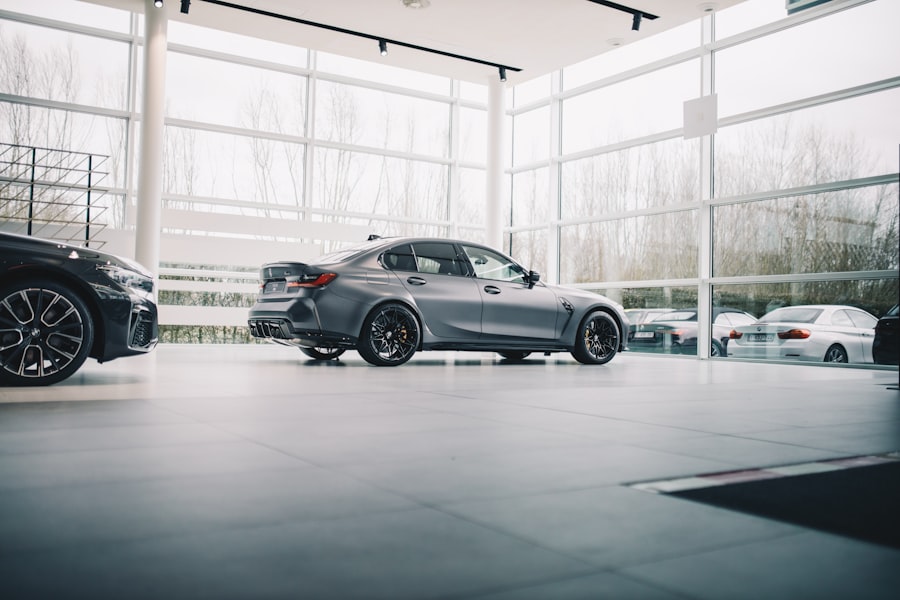
While mileage and maintenance are critical, the sheer age of your vehicle also plays a role. Rubber and plastic components degrade over time, regardless of how much they’re used.
Rubber and Plastic Degradation: The Silent Decay
Hoses, seals, belts, and various plastic components can become brittle and crack with age, even if your car has low mileage. This can lead to leaks, failures, and ultimately, more expensive repairs.
Cracking Hoses and Belts: Leading to Overheating and Breakdowns
A cracked radiator hose or a worn serpentine belt can quickly lead to engine overheating, stranding you on the side of the road.
Leaky Seals and Gaskets: Causing Fluid Loss and Contamination
Degraded seals around engines and transmissions can lead to fluid leaks, potentially causing catastrophic damage if left unchecked.
Corrosion and Rust: The Unseen Enemy
Depending on where you live, road salt and humidity can wreak havoc on a car’s body and undercarriage. Rust is an insidious problem that can compromise a vehicle’s structural integrity.
Salt Belt Woes: The Impact of De-icing Chemicals
If you live in a region that uses road salt extensively, rust is almost inevitable. This can lead to expensive bodywork and even compromise the car’s safety.
The Undercarriage: A Hidden Vulnerability
Rust often starts in less visible areas, like the frame and suspension components. This can weaken the car’s structure and lead to more serious issues down the line.
Obsolescence of Technology: Staying Connected and Safe
Car technology has advanced at a dizzying pace. What was once considered state-of-the-art can feel ancient today.
Infotainment Systems: Missing Modern Conveniences
The lack of Apple CarPlay, Android Auto, or even basic Bluetooth connectivity can be a significant drawback for many drivers.
Advanced Driver-Assistance Systems (ADAS): A Growing Gap
Features like adaptive cruise control, lane-keeping assist, and advanced parking aids are becoming standard on newer vehicles. Your older car might lack these safety and convenience features.
When considering how many years you should keep a car, it’s essential to weigh factors such as depreciation, maintenance costs, and your personal financial situation. Many experts suggest that keeping a vehicle for at least five to seven years can be beneficial, as this timeframe often allows you to maximize your investment before significant repairs become necessary. For more insights on managing your finances effectively, you might find this article on wealth growth strategies helpful. You can read it here.
The 7-10 Year Rule (and Why It’s Not Always Applicable)
| Car Age | Recommended Years to Keep |
|---|---|
| 0-3 years | 3-5 years |
| 3-5 years | 5-7 years |
| 5-7 years | 7-10 years |
| 7-10 years | 10-15 years |
| 10+ years | 15+ years |
You might have heard the general rule of thumb that you should aim to keep a car for 7 to 10 years, or around 100,000 to 150,000 miles. While this is a decent guideline, it’s far from a hard and fast rule.
The Golden Years: When Cars Often Hit Their Stride
For many cars, the period between 5 and 8 years old, and 80,000 to 120,000 miles, can be a sweet spot. They’ve depreciated significantly, are often still reliable with proper maintenance, and have most of the modern conveniences you need.
The Resale Value Sweet Spot: Maximizing Your Return
This range often represents a good balance between retaining value and avoiding excessive repair costs. You can typically sell or trade in your car for a reasonable amount.
Reliability is Still Strong: If Maintained
With a good maintenance history, a car in this age range can still offer years of trouble-free driving.
When to Push Past the Rule: The Exception to the Guideline
There are many reasons why you might want to keep a car longer than the conventional 7-10 year mark.
The Undervalued Gem: Cars Built to Last
Some vehicles are simply built with exceptional durability. Think of certain Toyota or Honda models known for their longevity. If you have one of these, and it’s well-maintained, you might be able to stretch its life considerably.
The Passion Project: Restoring or Maintaining a Classic
For car enthusiasts, an older vehicle might be a passion project. They invest time and money not just to keep it running, but to restore it to its former glory, understanding that the financial returns are secondary to the enjoyment.
The Budget-Conscious Driver: Making Every Dollar Count
If you’re on a tight budget, the prospect of a new car payment can be daunting. In such cases, a well-maintained older car, even if it requires more frequent repairs, can still be a more financially sound option than taking on significant new debt.
The Sentimental Value: More Than Just Transportation
Sometimes, a car holds immense sentimental value. It might be the car you learned to drive in, or the one that took you on your honeymoon. While practicality is important, emotional attachment can also play a role in your decision.
When to Consider an Upgrade Sooner: The Warning Signs
Conversely, there are instances where you might want to consider replacing your car before the 7-10 year mark.
Constant Breakdowns: A Sign of Imminent Failure
If your car is spending more time in the shop than on the road, it’s a clear indication that its reliability has significantly deteriorated.
Escalating Repair Costs: The Financial Bleed
When repair bills start consistently exceeding a few hundred dollars at a time, and the problems are recurring, it’s a strong signal to cut your losses.
Safety Concerns: Compromised Protection
If you have concerns about the structural integrity of your car, or if it lacks critical modern safety features that are important to you, it might be time to look for something newer.
Ultimately, the question of how many years you should keep a car is a personal one. It’s a decision that requires careful consideration of your financial situation, your lifestyle needs, and the overall condition and reliability of your vehicle. By understanding the various factors involved, you can make an informed choice that serves you best in the long run. Don’t just look at the odometer; look at the whole picture, and your car will continue to be a trusty companion for as long as it makes sense for you.

Your $800 Car Payment Could Be a $1 Million Decision
FAQs
1. What is the average lifespan of a car?
The average lifespan of a car is around 8-12 years, or approximately 150,000-200,000 miles.
2. How long should I keep a new car before replacing it?
It is generally recommended to keep a new car for at least 5-7 years to maximize its value and minimize depreciation.
3. What factors should I consider when deciding how long to keep a car?
Factors to consider include the car’s reliability, maintenance costs, resale value, and your personal financial situation.
4. When does a car typically start to require more maintenance and repairs?
Cars typically start to require more maintenance and repairs after reaching 100,000 miles, but this can vary depending on the make and model.
5. What are some signs that it may be time to replace a car?
Signs that it may be time to replace a car include frequent breakdowns, costly repairs, declining fuel efficiency, and safety concerns.