You’ve probably heard the term “deed restrictions” thrown around, especially when you’re looking at buying property. They’re those little clauses in your property deed that can dictate a surprising amount about what you can and can’t do with your land and, importantly for you, your manufactured home. This isn’t just about aesthetics; deed restrictions can significantly impact your ability to place, modify, or even sell a manufactured home. Understanding these limitations is crucial before you make a purchase, as they can determine your housing options and the long-term value of your investment.
For manufactured home owners and prospective buyers, deed restrictions can be a minefield. While they aim to maintain community standards and property values, they can also create barriers that make it difficult or impossible to own the type of home you want. This article will delve into how deed restrictions specifically affect manufactured homes, covering everything from initial placement to potential modifications and resale. We’ll break down the common types of restrictions you might encounter and offer advice on how to navigate them.
Deed restrictions, also known as covenants, conditions, and restrictions (CC&Rs), are legally binding agreements that are attached to a property’s deed. They are created by the original developer of a subdivision or by a homeowners association (HOA) to govern how property owners can use and develop their land. Think of them as a set of rules that all property owners within a particular area agree to abide by. These restrictions can vary wildly from neighborhood to neighborhood, and even from lot to lot within the same community. They are designed to ensure a certain level of uniformity and quality, which proponents argue helps to protect property values and create a more desirable living environment.
The Purpose Behind Deed Restrictions
The primary goal of deed restrictions is to preserve the character and value of a community. This can manifest in several ways. For instance, they might aim to prevent the construction of unsightly structures, maintain consistent architectural styles, or limit the types of businesses that can operate in a residential area. They can also address issues like noise levels, parking, and the upkeep of properties. The underlying philosophy is that by controlling what homeowners can and cannot do, the overall appeal and financial worth of the neighborhood are enhanced.
Legal Standing of Deed Restrictions
It’s important to understand that deed restrictions are legally enforceable. If you violate a deed restriction, the governing body (often an HOA or the original developer, if still in existence) can take legal action against you. This could involve fines, lawsuits to compel compliance, or even, in extreme cases, the forfeiture of your property. Because they are part of the deed, they “run with the land,” meaning they apply to all subsequent owners, not just the original purchaser. This makes them a permanent consideration for any property you buy.
How Deed Restrictions Are Created and Enforced
Deed restrictions are typically established during the initial development of a property. The developer writes them into the deeds of every lot being sold. Once the lots are sold, the responsibility for enforcing these restrictions often transfers to a homeowners association (HOA) that is formed by the residents. HOAs have their own governing documents and a board of directors that oversees compliance. Enforcement mechanisms usually include warning letters, fines, and the ability to seek legal remedies to ensure adherence.
Deed restrictions can significantly impact the placement and ownership of manufactured homes, often dictating where these homes can be located and under what conditions. For a deeper understanding of how these restrictions influence property rights and the overall housing market, you can read a related article at How Wealth Grows. This resource provides insights into the implications of deed restrictions and their effects on various types of housing, including manufactured homes.
Common Deed Restrictions Affecting Manufactured Homes
When it comes to manufactured homes, deed restrictions often become a significant hurdle. Many older or more traditional deed restrictions were written before manufactured housing became a widely accepted and quality-controlled housing option. As a result, they may contain language that implicitly or explicitly excludes them. You’ll frequently find clauses that refer to “site-built homes,” “stick-built homes,” or homes that meet specific foundation requirements that manufactured homes may not immediately satisfy.
Outright Prohibition of Manufactured Homes
The most straightforward and impactful restriction you might encounter is an outright prohibition of manufactured homes. These restrictions might use outdated terminology like “mobile homes” to refer to any factory-built dwelling, effectively barring you from placing one on the property. Even if the home you are considering is a modern, high-quality manufactured home built to current federal standards, a blanket prohibition in the deed restrictions will prevent its placement. This is a direct and insurmountable obstacle.
Requirements for Permanent Foundation and Site Building
Many deed restrictions stipulate that homes must be built on a permanent foundation, often requiring a basement or crawl space that is indistinguishable from a site-built home. They may also specify the method of construction, demanding that homes be built on-site, piece by piece. While many modern manufactured homes can be permanently affixed to a foundation and appear very similar to site-built homes, the restrictive language in the deed might not recognize these advancements. This can lead to situations where a manufactured home, even if properly installed, is deemed non-compliant.
Size and Appearance Standards
Beyond the fundamental type of home, deed restrictions often dictate minimum square footage requirements, roof pitch, exterior siding materials, and even window styles. Manufactured homes, by their nature, come in standardized sizes and designs. While there’s a vast array of options available, some manufactured home models might not meet the specific aesthetic or size mandates laid out in the deed restrictions. This could mean a beautiful, spacious manufactured home is still disallowed if its roofline isn’t steep enough or its exterior doesn’t match the prescribed materials.
Restrictions on Detached Structures and Additions
Even if you manage to get a manufactured home approved, deed restrictions might further limit what you can do with the property. This can include rules about building additional garages, sheds, decks, or even fencing. These restrictions can impact your ability to customize your property or add necessary amenities that are common with manufactured home living. For example, some manufactured home communities offer optional garages or carports that might be prohibited by neighborhood deed restrictions.
The “Manufactured Home” vs. “Mobile Home” Distinction
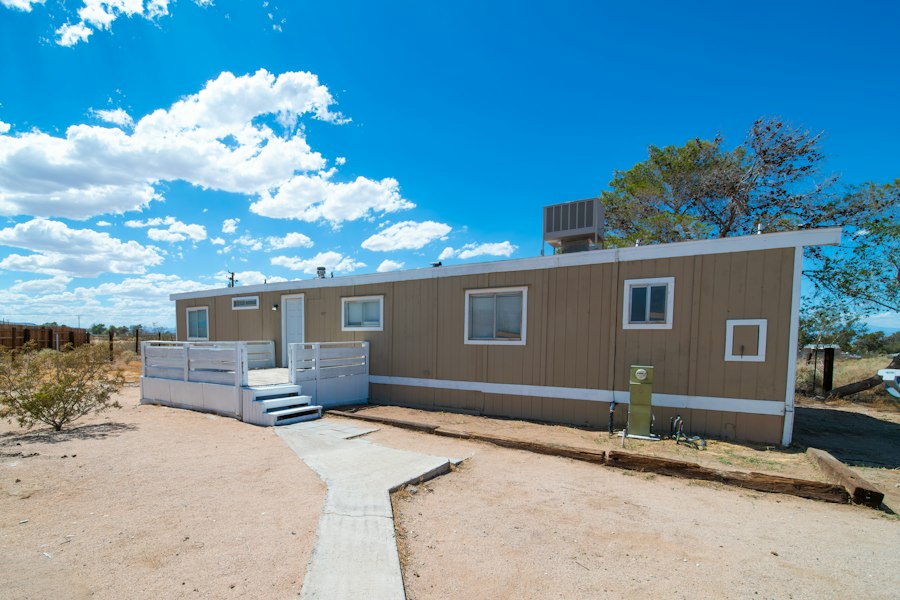
A critical point of confusion and a frequent source of conflict lies in the terminology used within deed restrictions. The term “mobile home” often conjures images of older, less durable dwellings that were designed to be moved frequently. In contrast, “manufactured home” refers to factory-built housing constructed after June 15, 1976, that adheres to the strict U.S. Department of Housing and Urban Development (HUD) code. This code sets national standards for design, construction, strength, durability, fire resistance, and energy efficiency. Many deed restrictions, particularly older ones, may not differentiate between these two terms, applying their prohibitions to all factory-built homes.
Outdated Terminology and its Impact
Many deed restrictions were written decades ago, at a time when manufactured housing was still in its infancy. The language used in these documents might reflect that era, referring to “trailers” or “mobile homes” without acknowledging the significant advancements in the industry. This outdated terminology can inadvertently create a blanket ban on modern manufactured homes, even if the intent was to exclude only the older, less desirable models.
The HUD Code as a Differentiator
The HUD code is a significant differentiator between older mobile homes and modern manufactured homes. Homes built to HUD standards are designed for greater durability and can be permanently installed, often on foundations that meet local building codes. Some deed restrictions may include language that specifically references adherence to the HUD code, which could be an avenue for proving that your manufactured home meets certain quality and safety standards. However, even with HUD compliance, the overall language of the restriction is paramount.
Navigating Ambiguous Language
When deed restrictions use ambiguous terms or fail to differentiate between mobile homes and manufactured homes, it can create significant ambiguity. This is where legal interpretation might be necessary. If you are considering a property with such restrictions, it’s wise to consult with a legal professional specializing in real estate law or HOA regulations to understand how the existing language might apply to your specific situation.
Navigating Deed Restrictions When Purchasing

The most proactive approach to dealing with deed restrictions is to thoroughly review them before you purchase a property. This might seem tedious, but it’s an essential step to avoid future headaches and potential financial losses. The information is usually readily available, and understanding it upfront can save you a lot of trouble.
Obtaining and Reviewing the Deed Restrictions
When you express interest in a property, especially in a subdivision or an area governed by an HOA, ask for a copy of the deed restrictions. These documents are typically filed with the county recorder’s office and are also usually provided by the seller or their real estate agent. Don’t just skim them; read them carefully. Pay close attention to any language that might pertain to the type of dwelling allowed, building materials, lot usage, and any specific requirements for foundations or structures.
Identifying Potential Deal-Breakers
As you read, actively look for clauses that could prevent you from owning a manufactured home or significantly limit your options. If you find an outright prohibition, it’s a clear deal-breaker unless you’re prepared to challenge the restrictions, which is a difficult and often expensive process. If the restrictions are less explicit but impose stringent requirements (e.g., specific foundation types, minimum square footage, or architectural styles), assess whether a manufactured home you’re interested in can meet those criteria.
Consulting with Professionals
If the deed restrictions are complex or ambiguous, don’t hesitate to seek professional advice. A real estate attorney can help you interpret the language and understand its implications. If the property is in an HOA, you might also be able to get clarification from the HOA board, though their interpretation may not always align with legal definitions. A reputable manufactured home dealer or builder may also have experience navigating deed restrictions and can advise on whether a particular home can be adapted to meet specific requirements.
Negotiating with the Seller or HOA
In some cases, you might be able to negotiate with the seller or the HOA. If the deed restrictions are outdated and are no longer actively enforced, the seller might be willing to make assurances. If the HOA is amenable, they might be willing to grant an exception or even vote to amend the restrictions, though this is often a lengthy and complex process. However, it’s rare for a seller or HOA to agree to significant changes to established deed restrictions solely for one buyer.
Deed restrictions can significantly impact the placement and use of manufactured homes, often dictating what homeowners can and cannot do with their properties. For a deeper understanding of how these restrictions influence the housing market and the rights of homeowners, you can explore a related article that delves into the nuances of property ownership and community regulations. This resource provides valuable insights into the challenges faced by those living in manufactured homes and how they navigate these legal constraints. To learn more, visit this article.
Modifying or Amending Deed Restrictions
| Aspect | Impact of Deed Restrictions on Manufactured Homes | Example Metrics |
|---|---|---|
| Property Value | Deed restrictions can limit modifications, potentially lowering resale value. | Average resale value decrease: 10-15% |
| Home Modifications | Restrictions often prohibit additions or exterior changes to manufactured homes. | Percentage of homes with approved modifications: 5-10% |
| Community Aesthetics | Deed restrictions maintain uniform appearance, affecting home design choices. | Compliance rate with aesthetic rules: 90% |
| Financing Options | Restrictions may limit eligibility for certain loans or insurance policies. | Loan approval rate for restricted homes: 60-70% |
| Market Demand | Deed restrictions can reduce buyer interest due to limited flexibility. | Average time on market: 45-60 days (vs. 30 days unrestricted) |
| Maintenance Requirements | Restrictions may impose strict maintenance standards on manufactured homes. | Percentage of homes meeting maintenance standards: 85% |
The prospect of changing existing deed restrictions can be daunting, as they are legally binding and designed to be stable. However, in certain circumstances, it might be possible to modify or amend them. This is not a simple undertaking and often requires a collective effort and a formal process.
The Process of Amending CC&Rs
Amending CC&Rs typically requires a vote of the property owners within the governed community. The percentage of votes needed for approval is usually outlined in the HOA’s governing documents, and it often requires a supermajority (e.g., two-thirds or three-quarters of the homeowners). This process can be lengthy and challenging, as it involves garnering support from a significant portion of your neighbors, who may have diverse opinions on the matter.
Challenges and Considerations
Amending deed restrictions faces several significant challenges. First, there’s the logistical hurdle of organizing and communicating with all property owners. Second, convincing enough people to vote in favor of the amendment can be difficult, especially if there’s any perceived risk to their property values or the established character of the neighborhood. Furthermore, the amendment process itself might involve legal fees and administrative costs.
Seeking Variance or Exception
In some situations, instead of a full amendment, you might be able to apply for a variance or an exception to a specific restriction. This is usually a request to deviate from a rule due to unique circumstances. For instance, if a restriction prohibits homes under a certain square footage, and you have a specific manufactured home model that is slightly below, you might apply for a variance. These are typically granted on a case-by-case basis and are at the discretion of the HOA or a designated architectural review board.
Legal Challenges to Restrictions
While difficult, it is sometimes possible to legally challenge deed restrictions, especially if they are deemed unreasonable, discriminatory, or have fallen into disuse. This often requires strong legal grounds and can be a costly and time-consuming endeavor. Courts may consider factors such as the age of the restrictions, the current community standards, and whether the restriction still serves its original purpose. This is a path best pursued with experienced legal counsel.
The Resale Value of Manufactured Homes Under Deed Restrictions
Deed restrictions can also have a profound impact on the resale value of your manufactured home. When you decide to sell, potential buyers will also be subject to these same restrictions, and they will be an important consideration in their purchasing decision.
Impact on Marketability
If deed restrictions heavily limit the types of homes allowed, or if they create a perception of difficulty in owning a manufactured home in the area, it can significantly reduce the marketability of your property. Buyers who are specifically looking for a manufactured home may be deterred from a community with restrictive covenants, while buyers looking for traditional site-built homes might perceive the presence of manufactured homes (even if compliant) as a negative factor affecting their investment.
Perceived Value and Buyer Perception
The perception of value is heavily influenced by community standards. If deed restrictions aim to maintain a certain aesthetic or quality level, properties that deviate from this standard, or are perceived to deviate, can be valued lower. Even if your manufactured home is well-maintained and meets all current requirements, if the neighborhood is characterized by older, less appealing factory-built homes, it might negatively impact the perceived value of your property.
Strategies for Maximizing Resale Value
To maximize the resale value of your manufactured home in an area with deed restrictions, focus on compliance and presentation. Ensure your home is in excellent condition, meets all foundation and structural requirements, and adheres to any aesthetic guidelines. Highlight any features that enhance its appeal, such as modern finishes, energy efficiency, and outdoor living spaces, while ensuring they also comply with the deed restrictions. Marketing your home effectively, emphasizing its positive attributes and its compliance with the community standards, is crucial.
In conclusion, deed restrictions are a powerful tool that can shape the landscape of housing options available to you. For manufactured home owners, understanding these restrictions is not just a matter of due diligence but a fundamental requirement for successful homeownership. By thoroughly researching, seeking professional advice, and being prepared for the complexities involved, you can navigate the world of deed restrictions and find a place where your manufactured home can thrive.
The $80,000 House You’re Not Allowed to Put Anywhere
FAQs
What are deed restrictions?
Deed restrictions are limitations placed on a property by the original owner or a homeowners’ association that dictate how the property can be used or developed.
How do deed restrictions affect manufactured homes?
Deed restrictions can impact manufactured homes by limiting where they can be placed, the size and appearance of the home, and other factors that may affect the homeowner’s ability to live in or sell the property.
Can deed restrictions prevent a manufactured home from being placed on a property?
Yes, deed restrictions can prohibit the placement of manufactured homes on a property, either entirely or in certain areas within a development or neighborhood.
Are deed restrictions legally binding?
Deed restrictions are legally binding and must be adhered to by property owners. Violating deed restrictions can result in legal action being taken against the homeowner.
Can deed restrictions be modified or removed?
Deed restrictions can sometimes be modified or removed, but this typically requires approval from the homeowners’ association or a legal process. It is important to carefully review and understand deed restrictions before purchasing a property.