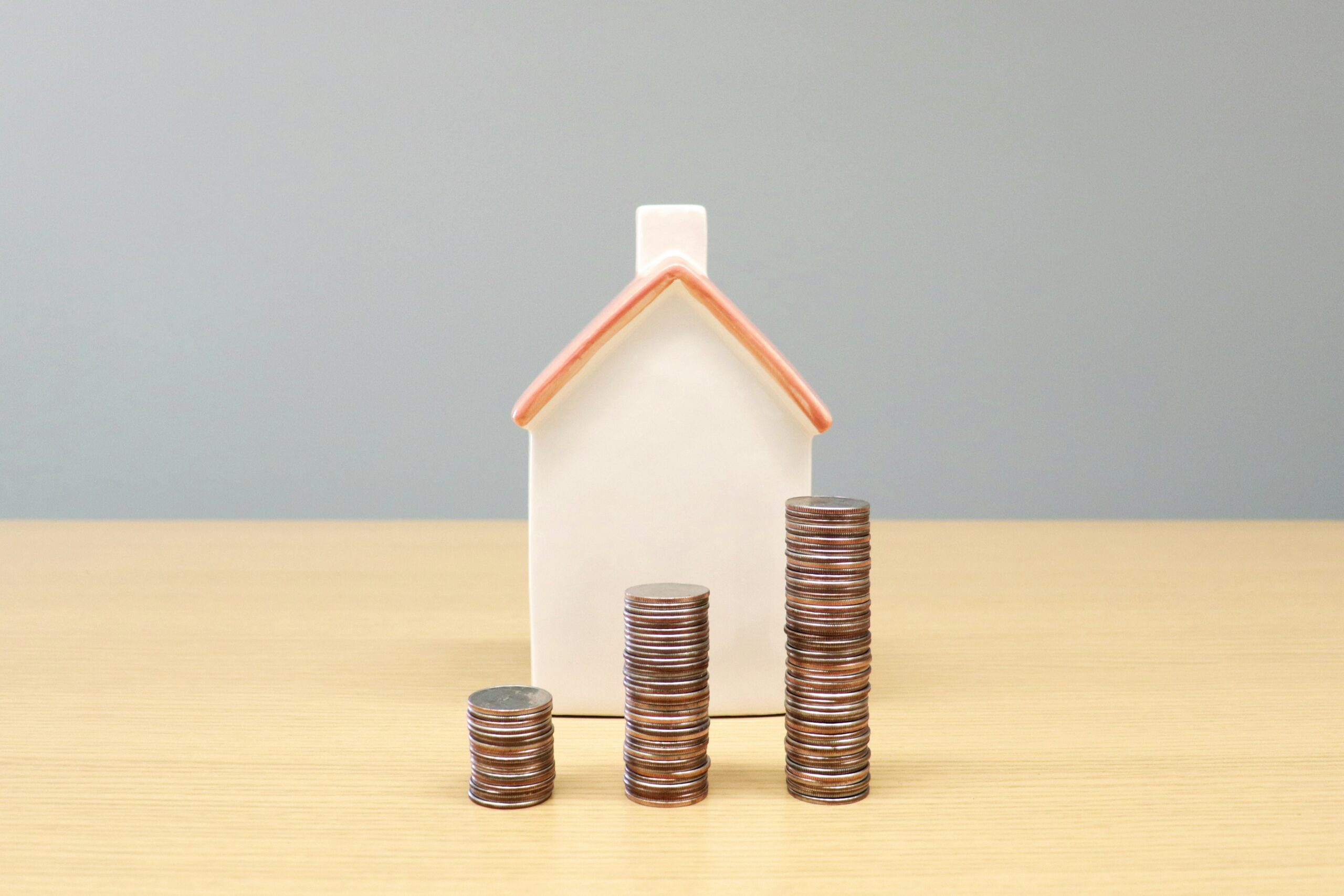
You’ve probably heard it a thousand times: homeownership is the ultimate symbol of success, the bedrock of wealth, the American Dream. And for many, it is. The pride of owning your own space, the potential for appreciation, the tax benefits – these are powerful draws. But have you ever stopped to think about how this pursuit of homeownership wealth might be impacting your journey toward true financial freedom? It’s a crucial distinction, and striking the right balance between the two is the key to a truly secure and fulfilling financial future.
Before we can even think about balancing them, you need a clear grasp of what each pillar truly represents. They’re not interchangeable, and confusing them can lead to decisions that hinder, rather than help, your overall financial well-being.
Homeownership Wealth: More Than Just a House
When you talk about homeownership wealth, you’re not just referring to the sticker price of your property. It’s a multifaceted concept encompassing several key elements that contribute to your net worth.
Equity: Your Stake in the Game
The most obvious component of homeownership wealth is your equity. This is the portion of your home’s value that you actually own, free and clear of any outstanding mortgage debt. As you make mortgage payments and as your home potentially appreciates in value, your equity grows. It’s a tangible asset that can be leveraged for future investments, emergencies, or even your retirement. Think of it as your investment in real estate, steadily building over time.
Appreciation: The Market’s Gift (or Not)
The dream of homeownership often hinges on the idea of appreciation. This is when your property’s market value increases over time. Ideally, this growth outpaces inflation and the cost of ownership, leading to a significant increase in your net worth. However, it’s vital to remember that appreciation is not guaranteed. Real estate markets can fluctuate, and a downturn can erode your equity. Relying solely on appreciation for wealth creation can be a risky gamble.
Tax Advantages: The Government’s Nod
The government offers several incentives to encourage homeownership, which can translate into financial benefits. These often include deductions for mortgage interest and property taxes, which can reduce your taxable income. In some cases, you may also benefit from capital gains tax exclusions when you sell your primary residence. These tax advantages can effectively lower the true cost of owning your home and contribute to your overall wealth.
Financial Freedom: Beyond the Mortgage
Financial freedom, on the other hand, is a broader concept. It’s about having enough financial resources to live the life you desire without being tethered to a paycheck. It’s about choices, flexibility, and the peace of mind that comes from knowing you can weather financial storms.
Income Streams: Diversification is Key
True financial freedom isn’t just about having a single, large asset. It’s about having multiple income streams that can support your lifestyle. This could include income from investments, rental properties, side hustles, or passive income generated from businesses. The goal is to have your money working for you, rather than you solely working for money.
Liquid Assets: The Power of Flexibility
While your home is an asset, it’s not a liquid one. Financial freedom often requires readily accessible cash or assets that can be easily converted to cash. This includes savings accounts, money market funds, stocks, bonds, and other investments that can be liquidated quickly when needed. Having ample liquid assets provides a safety net and allows you to seize opportunities as they arise.
Reduced Debt: The Chains You Break
A significant aspect of financial freedom is minimizing or eliminating debt. High-interest debt, in particular, acts as a constant drain on your resources and can trap you in a cycle of payments. Achieving financial freedom often involves a strategic plan to pay down or pay off liabilities, freeing up your income for savings and investments.
Lifestyle Choices: Living on Your Terms
Ultimately, financial freedom empowers you to make lifestyle choices without financial constraint. This might mean retiring early, pursuing a passion project, traveling the world, or simply having the security to leave a job you dislike. It’s about having the autonomy to design your life according to your values and aspirations.
When considering the balance between homeownership wealth and financial freedom, it’s essential to explore various perspectives on the topic. A related article that delves deeper into this subject is available at How Wealth Grows. This article provides valuable insights into how owning a home can contribute to long-term wealth accumulation while also discussing the potential trade-offs that may affect one’s overall financial independence.
The Tightrope Walk: Homeownership as an Investment vs. a Barrier
Now that you understand the distinct nature of homeownership wealth and financial freedom, let’s explore how the pursuit of one can either pave the way for the other or become a significant obstacle. This is where the “striking the right balance” truly comes into play.
Homeownership as a Wealth-Building Tool
When approached strategically, homeownership can indeed be a powerful engine for wealth creation. It’s about viewing your home not just as a place to live, but as a significant financial asset within a larger portfolio.
Strategic Acquisition: Buying Smart
The first step in leveraging homeownership for wealth is making a smart acquisition. This means thoroughly researching the market, understanding local trends, and buying in an area with strong potential for appreciation. It also involves not overextending yourself financially. A home that is too burdensome can quickly turn from an asset into a financial anchor.
Responsible Leverage: Mortgages as Tools, Not Traps
A mortgage is a tool that allows you to acquire a significant asset. However, it’s crucial to use this tool responsibly. This means not taking on more debt than you can comfortably manage, making extra payments when possible to accelerate equity building, and understanding the long-term implications of your loan terms.
Home Equity as a Stepping Stone
As your equity grows, it can serve as a stepping stone to further financial freedom. You might consider using your home equity for a down payment on an investment property, funding a business venture, or investing in a diversified portfolio of stocks and bonds. This is where homeownership wealth directly contributes to broader financial freedom.
Homeownership as a Financial Constraint
Conversely, homeownership can become a significant barrier to financial freedom if it’s not managed thoughtfully. The costs and commitments associated with owning a home can tie up capital and limit your flexibility.
The Cash Drain: Ongoing Costs of Ownership
Beyond the mortgage payment, homeownership comes with a plethora of ongoing expenses. Property taxes, homeowner’s insurance, maintenance, repairs, utilities – these costs can add up considerably and consume a substantial portion of your income. If these expenses are eating into your ability to save or invest, they are actively hindering your financial freedom.
Illiquidity: The Frozen Asset
Your home is your largest asset, but it’s also your most illiquid. Selling a home is a time-consuming and often expensive process. If you suddenly need access to a large sum of cash, your home equity is locked away. This lack of liquidity can force you into taking on debt or making suboptimal financial decisions in times of need.
Opportunity Cost: What Else Could Your Money Be Doing?
Every dollar spent on a mortgage, property taxes, or home repairs is a dollar that could have been invested elsewhere. Consider the opportunity cost: what could that down payment have earned you if invested in a diversified portfolio with potentially higher returns? What could those monthly mortgage payments have done for your investment growth? This is a critical question for those prioritizing financial freedom.
Finding Your Equilibrium: Balancing the Books

Striking the right balance between homeownership wealth and financial freedom is not about choosing one over the other. It’s about integrating them into a cohesive financial strategy that allows you to enjoy the benefits of homeownership without sacrificing your long-term financial independence.
The “Rent vs. Buy” Debate: A Nuanced Perspective
The age-old “rent vs. buy” debate is often framed as a simple binary choice. However, the reality is far more nuanced, and the “right” answer depends heavily on your individual circumstances, financial goals, and local market conditions.
Analyzing the True Costs of Renting
Renting might seem like it’s throwing money away, but it offers significant advantages, especially for those prioritizing financial freedom. Renting eliminates property taxes, insurance, maintenance, and repair costs. It also provides unparalleled flexibility, allowing you to move for job opportunities or lifestyle changes without the burden of selling a home. The money you save on these ownership costs can then be invested elsewhere.
Understanding the Long-Term Financial Implications of Buying
When you buy, you’re committing to a long-term financial obligation. You need to assess if the potential for equity growth and appreciation outweighs the ongoing costs and the opportunity cost of tying up your capital. For some, the peace of mind and stability of homeownership are paramount, even if it means a slower path to financial freedom. For others, the flexibility and investment potential of renting might be more aligned with their goals.
The Role of Debt: A Double-Edged Sword
Debt is a powerful tool that can either propel you forward or drag you down. When it comes to homeownership, understanding and managing your mortgage debt is paramount.
Mortgages as Stepping Stones to Equity
A mortgage allows you to acquire an asset that may appreciate in value. The key is to ensure your mortgage is manageable and that you’re making consistent progress in paying it down. Consider exploring mortgage options with lower interest rates or shorter terms to accelerate equity growth.
The Trap of Excessive Mortgage Debt
Taking on a mortgage that stretches your finances too thin can be detrimental to your financial freedom. High monthly payments leave less room for savings, investments, and unexpected expenses. This can lead to a constant struggle to make ends meet, negating the supposed benefits of homeownership.
The Importance of a Diversified Financial Portfolio
Your home should be one component of your overall financial picture, not the entirety of it. True financial security comes from diversification, spreading your assets across different investment vehicles.
Beyond Real Estate: Investing in Other Assets
While your home provides a significant asset, don’t neglect other avenues for wealth creation. Investing in stocks, bonds, mutual funds, and other income-generating assets can provide liquidity and potentially higher returns over the long term. This diversification can cushion you against downturns in the real estate market.
Cash Reserves: Your Financial Safety Net
Having a healthy emergency fund is crucial for financial freedom. This readily accessible cash can cover unexpected expenses like job loss, medical emergencies, or major home repairs without forcing you to tap into your long-term investments or take on high-interest debt.
Strategies for Harmonious Coexistence

Achieving a harmonious balance between homeownership wealth and financial freedom requires a proactive and strategic approach. It’s about making conscious decisions that align with your ultimate financial aspirations.
Prioritizing Financial Goals: What Truly Matters to You?
Before making any major decisions about homeownership, take the time to clearly define your financial goals. What does financial freedom look like for you? When do you want to achieve it? What lifestyle do you envision?
Defining Your “Why”: The Motivation Behind Your Decisions
Understanding your motivations is crucial. Are you driven by the desire for stability, security, or legacy? Or is your primary focus on flexibility, experiences, and early retirement? Your “why” will heavily influence how you approach the rent vs. buy decision and your overall financial strategy.
Setting Realistic Timelines and Milestones
Once your goals are defined, set realistic timelines and milestones. This might involve paying off student loans by a certain date, saving a specific amount for a down payment, or accumulating a certain level of investment income. These milestones will help you stay on track and measure your progress.
Smart Financial Planning: The Roadmap to Your Goals
A well-defined financial plan is your roadmap to achieving both homeownership wealth and financial freedom. It’s a dynamic document that you’ll revisit and adjust as your life circumstances and goals evolve.
Budgeting and Cash Flow Management: The Foundation
A robust budget is the cornerstone of any sound financial plan. It allows you to track your income and expenses, identify areas where you can save, and allocate funds towards your financial goals. Effective cash flow management ensures that your money is working for you, not against you.
Debt Management Strategies: Clearing the Path
Actively managing your debt is essential. Develop a strategy for paying down high-interest debt as quickly as possible. This frees up your income, reduces your financial burden, and accelerates your path to financial freedom.
Investment Planning: Growing Your Wealth
Beyond your home, create a comprehensive investment plan. This should include contributions to retirement accounts, taxable investment accounts, and potentially other investment vehicles based on your risk tolerance and financial goals. Diversification is key to long-term wealth growth.
When considering the balance between homeownership wealth and financial freedom, it’s important to explore various perspectives on how these concepts interact. A related article that delves into this topic can be found at How Wealth Grows, where it discusses the implications of owning property versus maintaining liquidity for investments. Understanding these dynamics can help individuals make informed decisions about their financial futures.
The Long View: Sustaining Wealth and Freedom
| Metrics | Homeownership Wealth | Financial Freedom |
|---|---|---|
| Property Value | Appreciates over time | Not directly related |
| Equity | Builds as mortgage is paid off | Can be used to generate income |
| Monthly Expenses | Stable with fixed mortgage | Can be minimized for more savings |
| Long-term Stability | Provides security and stability | Allows for more flexibility and options |
Ultimately, the goal is not just to achieve a certain level of wealth or freedom, but to sustain it throughout your life. This requires a continued commitment to sound financial principles and a willingness to adapt to changing circumstances.
Review and Reassessment: Staying on Course
Your financial plan is not a static document. Regularly review your budget, investment performance, and overall financial situation. Life changes – job promotions, family growth, unexpected expenses – and your financial plan needs to adapt accordingly.
Annual Financial Check-ups: A Health Audit for Your Finances
Treat your finances like you would your health. Schedule annual financial check-ups to review your progress, identify any areas that need adjustment, and ensure you’re still on track to meet your long-term goals. This proactive approach can prevent small issues from becoming major problems.
Adapting to Market Fluctuations and Life Events
The economic landscape is constantly changing, and you’ll experience significant life events. Be prepared to adapt your financial strategy to market fluctuations, changes in interest rates, and personal milestones. Flexibility and a willingness to adjust are crucial for sustained success.
Legacy and Generational Wealth: Thinking Beyond Yourself
For many, the pursuit of homeownership wealth and financial freedom extends beyond their own lifetimes. Thinking about your legacy and how you can build generational wealth adds another layer of purpose to your financial journey.
Estate Planning: Ensuring Your Wishes Are Met
Proper estate planning ensures that your assets are distributed according to your wishes after your passing. This includes creating a will, establishing trusts, and designating beneficiaries for your financial accounts.
Philanthropic Goals: Giving Back and Making a Difference
For some, financial freedom opens doors to philanthropic endeavors. Consider how you can use your resources to support causes you care about and make a positive impact on the world.
In conclusion, homeownership can be a magnificent component of your financial life, a source of pride and a building block of wealth. However, it is essential to view it through the lens of your overarching goal of financial freedom. By understanding the nuances, planning strategically, and maintaining a balanced perspective, you can ensure that your home empowers your journey toward true financial independence, allowing you to live a life of security, choice, and fulfillment.

Your House Went Up $200K. You Didn’t.
FAQs
What is homeownership wealth?
Homeownership wealth refers to the accumulation of equity in a home over time as the mortgage is paid down and the property appreciates in value. This can be a significant source of wealth for many homeowners.
What is financial freedom?
Financial freedom is the ability to live the lifestyle you desire without being constrained by financial limitations. It often involves having enough passive income to cover living expenses and the ability to make choices without being overly concerned about money.
How does homeownership contribute to wealth?
Homeownership can contribute to wealth in several ways. As the mortgage is paid down, the homeowner builds equity in the property. Additionally, if the property appreciates in value, the homeowner can realize a gain when selling the property.
Is homeownership wealth the same as financial freedom?
While homeownership wealth can contribute to financial stability and long-term wealth accumulation, it is not the same as financial freedom. Financial freedom involves having enough passive income and financial resources to live the lifestyle you desire, while homeownership wealth is a component of overall wealth accumulation.
What are the trade-offs between homeownership wealth and financial freedom?
The trade-offs between homeownership wealth and financial freedom can vary depending on individual circumstances. For some, investing in homeownership may limit liquidity and tie up financial resources, potentially impacting financial freedom. On the other hand, homeownership can provide stability and long-term wealth accumulation. It’s important for individuals to consider their own financial goals and priorities when making decisions about homeownership and financial freedom.