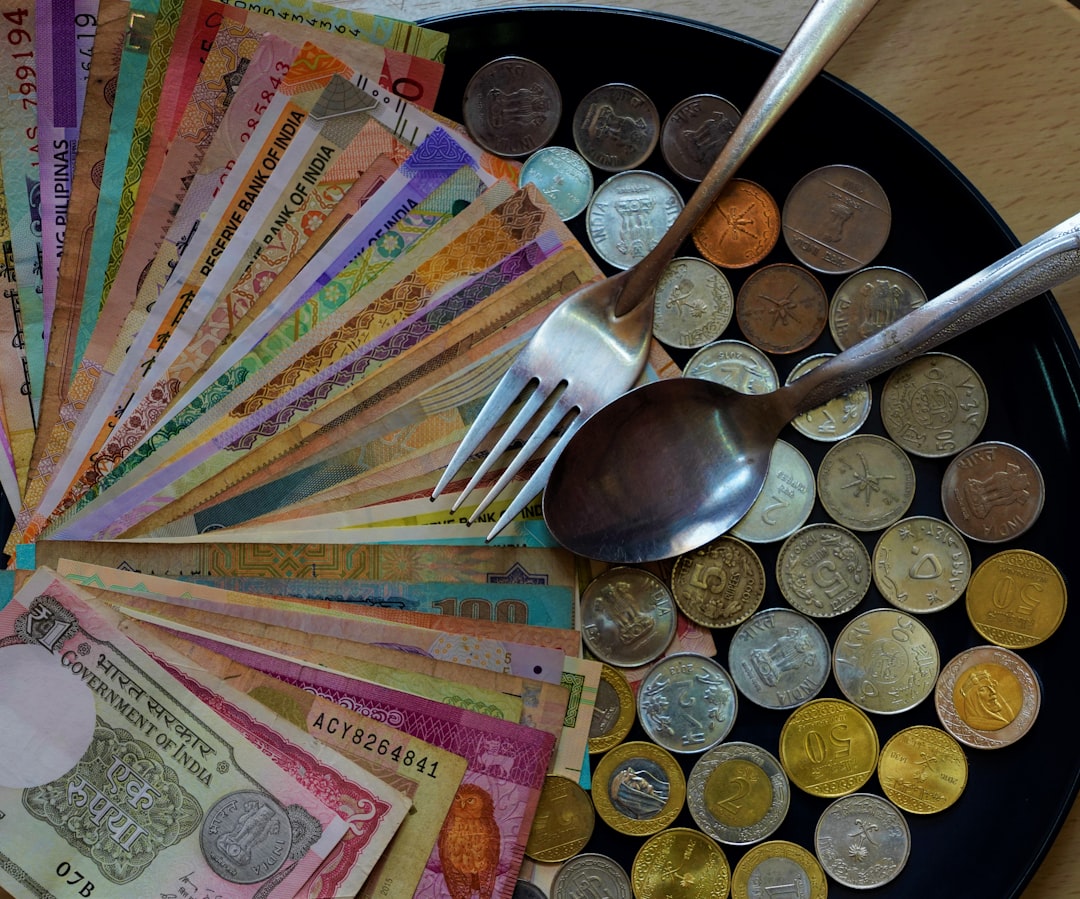
You might not think of your grocery bill as a strategic tool for understanding the national economy, but the reality is far more intricate. Governments, in their capacity as stewards of national assets and economic stability, engage in a sophisticated form of “food math” when it comes to asset pricing. This isn’t about the simple addition of items on a shopping list; rather, it’s about how the cost, availability, and consumption of food serve as foundational data points, influencing and informing the valuation of everything from agricultural land to broader market indices, and ultimately, the stability of your own financial well-being.
Your understanding of government’s involvement in asset pricing might typically conjure images of stock markets, interest rates, and real estate. However, the humble pantry, and the economic forces that govern its contents, play a subtler yet crucial role. Governments utilize the data surrounding food production, distribution, and consumption as a fundamental indicator of economic health, and this information is then woven into the complex algorithms and analyses that underpin asset pricing.
Why Food Matters in Economic Calculations
Food is a basic necessity. Its price and availability directly impact household budgets, especially for lower-income segments of the population. Fluctuations in food prices can signal larger inflationary pressures or supply chain disruptions that have ripple effects throughout the entire economy. Governments monitor these movements not just for social welfare concerns but as vital diagnostic tools.
Inflationary Signals and Consumer Price Indices (CPI)
One of the most direct ways food impacts asset pricing is through its contribution to inflation. The Consumer Price Index (CPI) is a key economic indicator, and food items constitute a significant component of its basket of goods and services. When food prices rise sharply, it contributes to a higher CPI. A consistently high or escalating CPI signals inflationary pressures to market participants, including investors. This, in turn, influences decisions about where to allocate capital. For instance, sustained inflation might lead investors to favor assets like real estate or commodities that are perceived as hedges against currency devaluation.
The Weighting of Food in the CPI Basket
The precise weighting of food within the CPI basket is determined through extensive consumer expenditure surveys. Governments meticulously track how households spend their income on various categories, and food consistently ranks as a substantial proportion, particularly for those with less disposable income. Changes in these expenditure patterns, often driven by altering food prices, necessitate adjustments in the CPI calculations, which then directly impact the signals sent to the market regarding the cost of living and economic stability.
Food Security as an Economic Stability Indicator
Beyond just price, the assurance of access to adequate and nutritious food, known as food security, is a powerful indicator of a nation’s economic stability. Widespread food insecurity can signal deep-seated economic problems, including unemployment, poverty, and inefficiencies in agricultural and distribution systems. Governments monitor these indicators because they can forecast social unrest, impacting investor confidence and the risk premium associated with investing in that nation’s assets.
International Food Prices and Their Domestic Repercussions
A nation’s economy is rarely an island. International commodity markets, including those for staple foods like wheat, corn, and rice, can have significant domestic consequences. Governments track global food prices to anticipate potential impacts on domestic inflation and supply. If global prices surge due to, say, drought in a major exporting region, governments may need to consider measures like adjusting import tariffs or releasing strategic reserves, all of which can have downstream effects on domestic asset values.
The government’s use of food math to assess asset prices is a fascinating topic that highlights the intersection of economics and consumer behavior. By analyzing food prices and their fluctuations, policymakers can gain insights into inflation trends and overall economic health. For a deeper understanding of how these concepts are interrelated, you can explore a related article that discusses the implications of food pricing on wealth and asset valuation. To read more, visit this article.
Agricultural Assets: The Direct Link to Food Math
The most overt connection between food and asset pricing lies within the agricultural sector itself. Land, equipment, and the output of farms are direct assets whose valuations are intrinsically tied to the economics of food production. Governments, through policy and data collection, significantly influence these valuations.
Land Valuation and Agricultural Productivity
The value of agricultural land is not solely determined by its geographical location or aesthetic appeal. It is fundamentally linked to its capacity to produce food and its profitability. Governments play a role here by setting agricultural policies, providing subsidies, and investing in research and development that can enhance crop yields and livestock productivity.
Government Subsidies and Their Impact on Land Prices
Direct payments, price supports, and other forms of agricultural subsidies provided by governments can significantly inflate the profitability of farming operations. This increased profitability makes agricultural land a more attractive investment, driving up its market value. Conversely, a reduction in subsidies can negatively impact land prices by diminishing the long-term income potential for farmers.
The “Yield Gap” and Technological Adoption
Governments often fund research institutions that work to bridge the “yield gap” – the difference between actual and potential crop yields. Through extension services and the promotion of new technologies, governments can encourage farmers to adopt practices that increase productivity. Higher yields translate to greater revenue for farmers, directly enhancing the value of their land as a productive asset.
Commodity Futures and the Price of Food
The global trade of agricultural commodities is heavily influenced by futures markets. Governments, through their economic policies and the information they release, can create volatility or stability in these markets, thereby impacting asset prices related to agriculture.
Speculation and Government Policy Interventions
Governments can influence commodity futures prices through various interventions. For example, decisions on trade tariffs, export bans, or strategic reserve releases can send strong signals to the market, influencing speculative activity and the forward price of food. This price discovery
FAQs

What is food math and how does the government use it to judge an asset priced world?
Food math is a concept used by the government to measure the cost of living and inflation. It involves tracking the prices of a basket of goods and services, including food, housing, transportation, and healthcare. By analyzing these prices, the government can assess the impact of inflation on people’s purchasing power and make adjustments to policies and programs accordingly.
How does food math affect asset pricing?
Food math can have an impact on asset pricing because it provides insights into the overall economy and consumer behavior. If the cost of living increases due to rising food prices, for example, consumers may have less disposable income to invest in assets such as stocks, real estate, or bonds. This can influence the demand for and valuation of these assets in the market.
What are the benefits of using food math to judge an asset priced world?
Using food math to judge an asset priced world allows the government to make informed decisions about economic policies, social programs, and financial regulations. It provides a comprehensive understanding of how inflation and cost of living changes affect people’s financial well-being and can help policymakers mitigate potential negative impacts on asset pricing and wealth accumulation.
How does the government collect data for food math analysis?
The government collects data for food math analysis through various methods, including surveys, consumer price indexes, and data from retailers and businesses. These sources provide information on the prices of essential goods and services, which are then used to calculate inflation rates and assess changes in the cost of living.
What are the limitations of using food math to judge an asset priced world?
While food math provides valuable insights into the impact of inflation on asset pricing, it has limitations. For example, it may not fully capture the diverse spending habits and preferences of different demographic groups. Additionally, it may not account for non-essential expenses or regional variations in the cost of living. As a result, policymakers must consider these limitations when using food math to inform their decisions.