
So, you’ve decided to take the plunge. You’re ready to ditch the landlord and become a homeowner. It’s a huge, exhilarating, and let’s be honest, slightly terrifying step. But fear not! This guide is designed to demystify the process, equipping you with the knowledge and confidence you need to navigate buying your first home. We’ll break it down, step by step, from dreaming to signing.
Before you even start browsing listings, the most crucial first step is to get your finances in order. This isn’t the sexiest part of homeownership, but it’s the bedrock upon which your entire journey will be built.
Understanding Your Budget
This is where the rubber meets the road. You need to know precisely how much you can realistically afford to spend. Don’t just pull a number out of thin air; a proper budget assessment is key.
Assessing Your Income and Expenses
Take a hard look at your monthly income after taxes. Then, meticulously track your current expenses for at least a few months. Categorize everything: rent, utilities, groceries, transportation, entertainment, debt payments, savings, and any other regular outgoings. This will reveal where your money is going and how much is truly available for a mortgage payment.
Accounting for Down Payment and Closing Costs
These are two significant upfront costs that many first-time buyers underestimate. Your down payment is a percentage of the home’s price that you pay upfront. While 20% is often cited as the ideal, many loan programs allow for much lower down payments. Closing costs, on the other hand, are fees associated with finalizing the mortgage and transferring ownership. These can include appraisal fees, title insurance, attorney fees, lender fees, and more. They typically range from 2% to 5% of the loan amount.
Exploring Down Payment Assistance Programs
Don’t let a limited down payment deter you. Many federal, state, and local programs exist specifically to help first-time homebuyers with this very obstacle. These can come in the form of grants, low-interest loans, or deferred payment options. Research these thoroughly; they can significantly reduce your upfront financial burden.
Improving Your Credit Score
Your credit score is a three-digit number that lenders use to assess your creditworthiness. A higher score generally means lower interest rates and a better chance of loan approval.
Checking Your Credit Reports
Obtain free copies of your credit reports from the three major credit bureaus (Equifax, Experian, and TransUnion) at AnnualCreditReport.com. Review them carefully for any errors and dispute them promptly.
Strategies for Credit Improvement
If your score isn’t where you’d like it, there are actionable steps you can take. Pay all your bills on time, every time. Reduce your credit utilization ratio (the amount of credit you’re using compared to your total available credit). Avoid opening new credit accounts just before applying for a mortgage. If you have outstanding debt, focus on paying it down.
Getting Pre-Approved for a Mortgage
This is a critical step that signals your seriousness to sellers and gives you a clear understanding of your borrowing power.
Understanding Pre-Qualification vs. Pre-Approval
Pre-qualification is a preliminary assessment based on information you provide. It’s a good starting point but isn’t a guarantee of a loan. Pre-approval, however, involves a lender reviewing your financial documents (income, assets, credit history) and issuing a letter stating how much they are willing to lend you.
Shopping Around for Lenders
Don’t just go with the first lender you speak to. Shop around at different banks, credit unions, and mortgage brokers to compare interest rates, fees, and loan terms. Even a small difference in interest rates can save you tens of thousands of dollars over the life of the loan.
Buying your first home can be an exciting yet daunting experience, filled with numerous decisions and financial considerations. To help you navigate this journey, you might find it beneficial to read a related article that offers valuable insights and tips. For more information on the home-buying process, check out this comprehensive guide on how to buy your first home at How Wealth Grows. This resource provides essential advice to ensure you make informed choices every step of the way.
The Property Hunt
Now for the exciting part! With your finances in order, you’re ready to find your dream home.
Defining Your Needs and Wants
Before you get lost in endless online listings, it’s essential to define what you’re looking for.
Location, Location, Location
Consider where you want to live. Think about commute times to work, proximity to family and friends, schools, amenities, and neighborhood atmosphere. Drive around different neighborhoods at various times of day to get a feel for them.
Size, Style, and Features
What type of home are you looking for (single-family, condo, townhouse)? How many bedrooms and bathrooms do you need? What are your “must-have” features (e.g., a yard, a modern kitchen, a home office) versus “nice-to-haves”? Be realistic about what you can afford in your desired location.
Partnering with a Real Estate Agent
A good real estate agent is invaluable, especially for first-time buyers. They have market knowledge, negotiation skills, and can guide you through the complex process.
Choosing the Right Agent
Look for an agent who specializes in first-time homebuyers and has a strong track record in your desired area. Interview a few agents before making a decision. Ask about their experience, communication style, and how they plan to help you find a home.
Your Agent’s Role
Your agent will help you find suitable properties, schedule showings, provide insights into market conditions, advise on pricing, and represent your interests during negotiations.
Attending Open Houses and Showings
This is where you’ll get to see properties in person and start to form opinions.
What to Look For
Beyond the aesthetics, pay attention to structural integrity, the condition of the roof, windows, plumbing, and electrical systems. Look for signs of water damage, mold, or foundation issues. Don’t be afraid to open cabinets, check water pressure, and flush toilets.
Making Notes and Taking Photos
It’s easy to forget details when you’re seeing multiple homes. Take notes on each property’s pros and cons, and snap photos or videos to help you remember them later.
Making an Offer and Negotiation
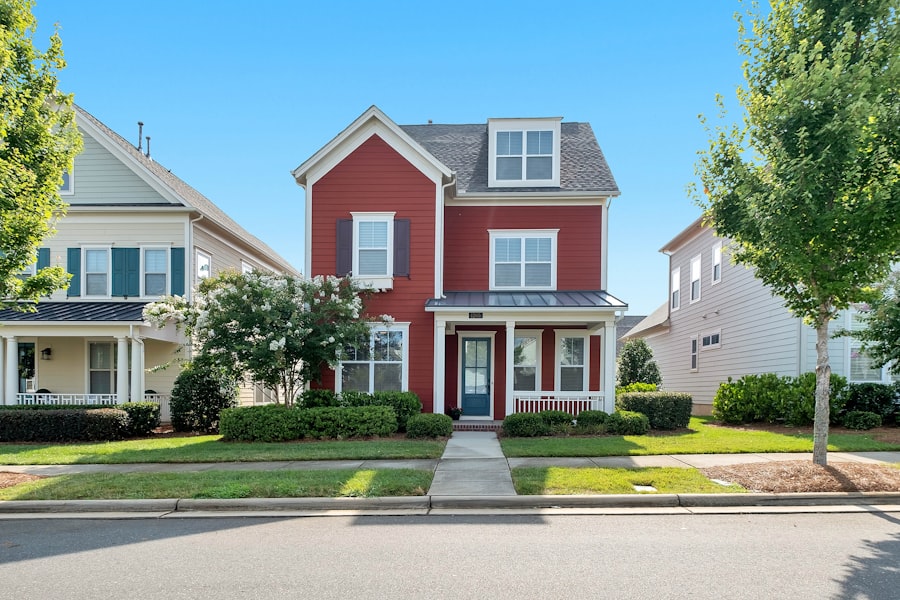
You’ve found “the one”! Now it’s time to make it yours.
Crafting a Competitive Offer
Your offer is more than just a price; it’s a package that includes various terms.
Determining Your Offer Price
Your real estate agent will help you analyze comparable sales (comps) in the area to determine a fair offer price. Consider the home’s condition, recent renovations, and current market demand.
Contingencies to Include
Contingencies are clauses that allow you to back out of the deal without losing your earnest money if certain conditions aren’t met. Common contingencies include financing (if your loan falls through), inspection (if the home has significant issues), and appraisal (if the home appraises for less than your offer).
The Negotiation Process
Sellers will likely respond to your offer with a counteroffer. This is where your negotiation skills (and your agent’s expertise) come into play.
Understanding Counteroffers
A counteroffer can involve a change in price, terms, or both. Be prepared to go back and forth, and know your “walk-away” price.
Working with Your Agent
Your agent will be your advocate during negotiations, presenting your offers and counteroffers and advising you on strategy.
Earnest Money Deposit
This is a deposit you make to show the seller you are serious about buying their home. It’s held in an escrow account and usually applied towards your down payment or closing costs at closing.
The Closing Process

This is the final stage where ownership is transferred. It can feel like a marathon, but it’s crucial to get each step right.
The Home Inspection
This is a non-negotiable step. A professional home inspector will examine the property’s structural and mechanical systems.
What an Inspector Examines
Inspectors look at the foundation, roof, plumbing, electrical, HVAC systems, insulation, windows, and doors. They’ll identify any existing problems and potential future issues.
Interpreting the Inspection Report
The inspector will provide a detailed report of their findings. Discuss this report thoroughly with your agent and the seller. You may be able to negotiate repairs or credits based on the inspection results.
The Appraisal
Lenders require an appraisal to ensure the home’s value supports the loan amount.
The Appraiser’s Role
An appraiser will evaluate the home’s condition, features, and recent sales of comparable properties in the area to determine its market value.
What Happens if the Appraisal is Low
If the appraisal comes in lower than your offer price, you have a few options. You can try to negotiate with the seller to lower the price, bring more cash to the table to cover the difference, or walk away from the deal if your appraisal contingency is in place.
Securing Homeowners Insurance
Lenders will require you to have homeowners insurance in place before closing.
Understanding Coverage
This insurance protects you against damage from events like fire, storms, and theft. It also covers liability if someone is injured on your property.
Shopping for Policies
Compare quotes from different insurance providers to find the best coverage at the most affordable price.
The Final Walk-Through
Typically done 24-48 hours before closing, this is your last chance to inspect the property.
Ensuring Agreed-Upon Repairs are Completed
Verify that any agreed-upon repairs from the inspection have been done satisfactorily.
Checking the Property’s Condition
Ensure the property is in the same condition as when you last saw it, and that all included fixtures and appliances are present and in working order.
When considering the journey of purchasing your first home, it’s essential to equip yourself with the right knowledge and resources. A great starting point is to explore various articles that provide insights into the home-buying process. For instance, you can check out this informative piece that outlines crucial steps and tips for first-time buyers. By reading more about the subject, you can better navigate the complexities of homeownership and make informed decisions. To learn more, visit this article for valuable advice.
The Official Handoff: Closing Day!
| Step | Description |
|---|---|
| 1 | Save for a down payment |
| 2 | Check your credit score |
| 3 | Get pre-approved for a mortgage |
| 4 | Find a real estate agent |
| 5 | Start house hunting |
| 6 | Make an offer |
| 7 | Get a home inspection |
| 8 | Close on the house |
This is the culmination of all your hard work!
Signing the Paperwork
You’ll meet with your real estate agent, the closing attorney or title company representative, and sometimes the seller to sign a mountain of documents.
Understanding the Closing Disclosure
This document details all the final costs associated with your loan and the transaction. It’s crucial to review it carefully and compare it to your initial Loan Estimate.
Finalizing Your Loan
You’ll sign the mortgage note, the deed of trust, and other loan-related documents.
Transferring Funds
This is when your down payment and closing costs are officially transferred to the seller and various service providers.
Wire Transfers and Certified Checks
Most lenders will require a wire transfer or a certified check for the funds needed to close.
Receiving Your Keys!
Once all the paperwork is signed and funds are disbursed, you’ll officially become a homeowner and receive the keys to your new home! Congratulations!
Buying your first home is a significant milestone. It requires patience, diligence, and a willingness to learn. By understanding each step of the process, staying organized, and leaning on the expertise of professionals, you can navigate this journey with confidence and achieve your dream of homeownership. Welcome to the neighborhood!

The Wealth Ladder Is Missing a Rung
FAQs
1. What are the steps to buying your first home?
The steps to buying your first home typically include saving for a down payment, getting pre-approved for a mortgage, finding a real estate agent, searching for homes, making an offer, getting a home inspection, and closing on the home.
2. What is a down payment and how much do I need for my first home?
A down payment is a percentage of the home’s purchase price that you pay upfront. The amount needed for a down payment can vary, but it is typically around 3-20% of the home’s purchase price.
3. What is a pre-approval for a mortgage and how do I get one?
A pre-approval for a mortgage is a lender’s conditional commitment to lend you a certain amount of money to buy a home. To get pre-approved, you will need to provide financial documents such as pay stubs, tax returns, and bank statements to a lender who will then review your financial situation and credit history.
4. What are some common mistakes to avoid when buying your first home?
Common mistakes to avoid when buying your first home include not getting pre-approved for a mortgage, not budgeting for additional costs such as closing costs and home maintenance, and not researching the neighborhood and home values.
5. What are some government programs or incentives for first-time homebuyers?
There are several government programs and incentives for first-time homebuyers, such as FHA loans, VA loans, USDA loans, and down payment assistance programs. These programs can help first-time homebuyers with lower down payments, lower interest rates, and other financial assistance.