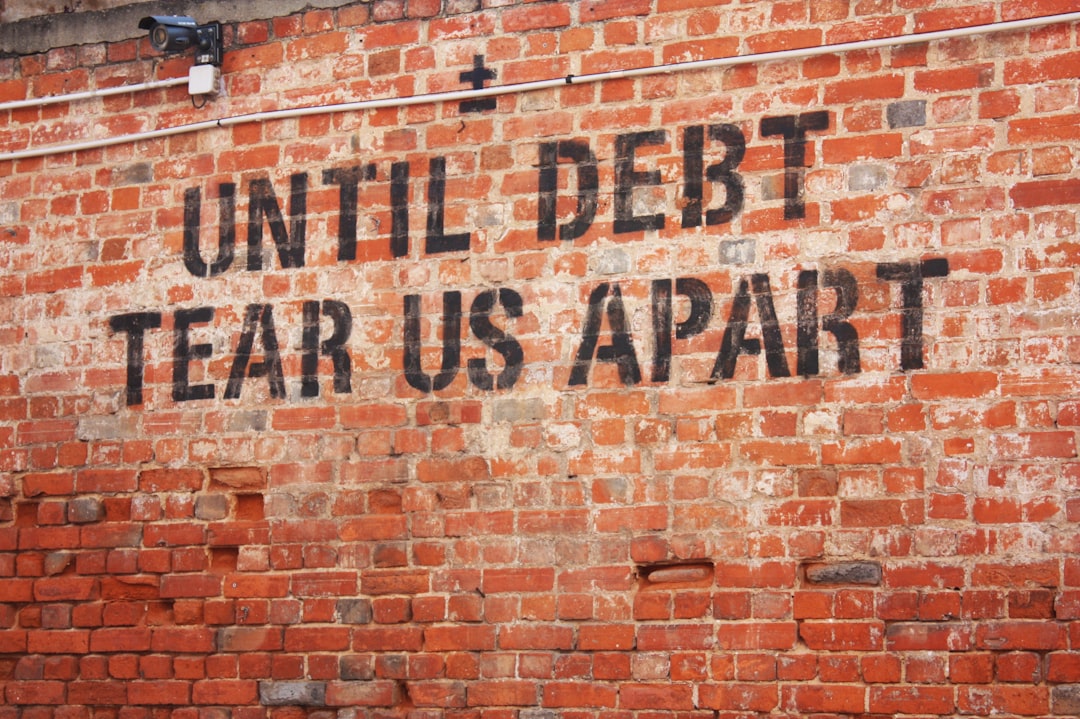
You’ve done it. You’ve achieved the financial freedom you once only dreamed of. The credit card statements are all zeros, the car loan is a distant memory, and that mortgage hanging over your head? It’s either paid off or a negligible speck in your rearview mirror. You’ve navigated the treacherous waters of consumerism, resisted the siren song of instant gratification, and emerged victorious, financially speaking. You are officially debt-free. So why, you might ask yourself, are you still feeling the familiar gnaw of stress?
This isn’t the calm, serene bliss you imagined. You thought shedding your financial obligations would be the ultimate peace-treaty for your mind. Yet, here you are, staring at the ceiling at 3 AM, mind racing, feeling just as, if not more, anxious than when you were juggling payments. You’re not alone. This paradox of being financially secure but emotionally frayed is a surprisingly common experience for many who have reached this significant milestone. Understanding this phenomenon is the first step to truly finding peace beyond the balance sheet.
You envisioned debt-free living as the ultimate destination, the finish line where all your financial worries would evaporate. It’s a powerful and understandable mental construct. We’re conditioned to believe that eliminating debt is the singular solution to financial stress. The advertisements, the self-help books, the well-meaning advice from friends and family – they all paint a picture of a tranquil existence once the shackles of debt are broken. But life, as you’re discovering, rarely adheres to such simplistic narratives.
When Expectations Meet Reality
You diligently paid off your debts. You sacrificed. You delayed gratification. You possibly endured periods of intense frugality, forgoing vacations, new clothes, or that fancy coffee you craved. You did all the right things. You expected a profound sense of relief, a feeling of lightness and liberation. Instead, you might find yourself experiencing a subtle, yet pervasive, undercurrent of unease. This dissonance between what you expected and what you’re experiencing can be a source of a unique kind of stress. It’s the stress of unmet expectations, the confusion of a puzzle piece that doesn’t quite fit.
The Debt-Free Honeymoon Phase
For some, there’s an initial period of elation, a “debt-free honeymoon.” The immediate aftermath of paying off a large debt can indeed feel euphoric. You might experience a surge of pride and a sense of accomplishment that washes over you. This phase is often characterized by enjoying the newfound freedom, perhaps by making purchases you previously couldn’t, or simply reveling in the absence of that looming monthly payment. However, this honeymoon phase is often temporary. Once the novelty wears off, the underlying stressors may resurface.
The Lingering Shadow of Financial Scarcity
Even if you’ve cleared your debts, the psychological scars of past financial hardship can linger. You might have grown accustomed to a mindset of scarcity, where you constantly feel the need to tighten your belt, even when there’s no longer a need. This internalized fear of running out of money, learned from periods of genuine scarcity, can be incredibly difficult to shake. It’s like a deeply ingrained habit that your mind continues to play out, even when the circumstances have changed.
While achieving a debt-free status can bring a sense of relief, many individuals still find themselves grappling with stress related to financial management and future planning. For those navigating this complex emotional landscape, exploring strategies to maintain financial wellness is crucial. A related article that delves into this topic can be found at How Wealth Grows, where you can discover insights on managing stress and building a sustainable financial future even after eliminating debt.
The New Frontiers of Stress: Beyond Debt
Once the weight of debt is lifted, other sources of stress, which were perhaps overshadowed, can emerge into sharp focus. It’s not that these stressors are new; it’s simply that you now have the mental bandwidth to acknowledge them. Your financial life is now clear, so the other areas of your life demanding your attention suddenly seem louder.
The Pressure of Maintaining Financial Stability
While you are debt-free, maintaining that status can itself become a source of anxiety. You might worry about unexpected large expenses, job loss, or market downturns that could derail your financial security. The fear of slipping back into debt can be a powerful motivator, but it can also create a constant state of vigilance and worry. You’ve built a solid foundation, but now you’re acutely aware of the potential for a seismic event to shake it.
The Existential Quiet After the Financial Storm
For those who poured immense energy and focus into becoming debt-free, the silence that follows can be unsettling. You might have been so consumed by the pursuit of your financial goal that other aspects of your life took a backseat. Now, with that singular focus gone, you might feel a sense of aimlessness or a lack of purpose that can manifest as stress. What do you do with this newfound freedom and mental space?
The “Keeping Up With the Joneses” Dilemma, Reimagined
The pressure to conform to societal expectations doesn’t magically disappear with debt-free status. You might still feel the subtle pull to measure your success against others, even in new ways. Perhaps it’s about the size of your savings account, your investment portfolio, or the lifestyle you can now afford. This can be particularly acute if your previous financial struggles made you feel “behind” your peers.
The Mind-Body Connection: Unpacking the Stress Response
Your body doesn’t distinguish between the stress of debt and the stress of other life events. The physiological responses – the racing heart, the difficulty sleeping, the muscle tension – are the same. Understanding how your body responds to stress is crucial for managing it, regardless of its source.
The Chronic Stress Cycle
When stress becomes chronic, your body remains in a constant state of heightened alert. This can lead to a cascade of negative health effects, impacting your immune system, your cognitive function, and your overall well-being. You might feel perpetually tired, irritable, and unable to concentrate. This isn’t just “feeling stressed”; it’s your body signaling that something needs to change.
The Role of Cortisol and Adrenaline
Your adrenal glands are designed to release stress hormones like cortisol and adrenaline in response to perceived threats. While this response is vital for survival in acute situations, prolonged exposure to these hormones can be detrimental. You might experience an increased appetite, especially for unhealthy foods, and a decline in your ability to manage emotions. Think of it as your internal alarm system being stuck in the “on” position.
Recognizing the Physical Manifestations of Stress
Pay attention to the subtle signals your body is sending you. Are you experiencing frequent headaches? Digestive issues? A persistent feeling of fatigue that rest doesn’t alleviate? These physical symptoms are your body’s way of communicating that your stress levels are too high, even if the external circumstances seem positive. Ignoring these signals is like ignoring a check engine light on your car.
Strategies for Cultivating Lasting Peace

The good news is that achieving peace beyond debt is entirely possible. It requires a shift in perspective, a commitment to self-care, and a willingness to explore the deeper layers of your well-being. You need to move past the financial victory and focus on holistic growth.
Redefining Your Concept of Wealth
Wealth isn’t just about the absence of debt or the size of your bank account. It’s about a rich and fulfilling life. This includes your health, your relationships, your passions, and your contributions to the world. By broadening your definition of wealth, you can start to acknowledge and nurture these other vital aspects of your life, which can significantly reduce stress.
Practicing Mindfulness and Self-Compassion
Mindfulness involves paying attention to the present moment without judgment. This can help you to detach from anxious thoughts about the past or future. Coupled with self-compassion – treating yourself with the same kindness and understanding you would offer a friend – it can be a powerful antidote to stress. If you’re struggling, acknowledge it without berating yourself.
The Power of Deep Breathing Exercises
Simple yet profound, deep breathing exercises can calm your nervous system almost instantly. When you feel stress bubbling up, take a moment to focus on your breath. Inhale deeply through your nose, hold for a moment, and exhale slowly through your mouth. Repeat this several times, allowing your body to relax with each exhale.
Journaling for Emotional Release
Writing down your thoughts and feelings can be an incredibly cathartic experience. It allows you to externalize your worries, gain clarity, and identify patterns in your stress triggers. You can journal about what’s causing your stress, what you’re grateful for, or simply your thoughts and observations throughout the day.
Cultivating a Growth Mindset
A growth mindset, as opposed to a fixed mindset, focuses on learning and development. Instead of seeing challenges as insurmountable obstacles, you view them as opportunities for growth. This perspective can help you approach new financial goals or unexpected life events with resilience and a sense of optimism.
Even after achieving the goal of being debt-free, many individuals still find themselves grappling with stress related to financial management and future planning. This paradox can stem from various factors, such as unexpected expenses or the pressure to maintain a certain lifestyle. For those seeking insights into managing these feelings, a related article offers valuable strategies to navigate the complexities of financial well-being. You can read more about it in this informative piece on financial health, which can be found here.
Building a Life of True Fulfillment, Beyond the Balance Sheet
| Category | Metrics |
|---|---|
| Financial | Amount of debt paid off |
| Emotional | Level of stress |
| Physical | Impact on health |
| Behavioral | Changes in spending habits |
Your journey to debt-free living was a significant accomplishment, but it was a stepping stone, not the final destination. True peace comes from cultivating a life that is rich and fulfilling in all its dimensions, not just the financial ones. This involves intentionality, self-awareness, and a commitment to your holistic well-being.
Investing in Experiences, Not Just Assets
While it’s wise to continue investing financially, don’t forget to invest in experiences. Travel, learning new skills, spending quality time with loved ones, or pursuing hobbies can create lasting memories and bring immense joy, contributing to a deeper sense of fulfillment. These are the dividends that truly enrich your life.
Nurturing Your Relationships
Strong social connections are a critical buffer against stress. Make time for your family and friends. Engage in meaningful conversations. Be present for the people you care about. these connections provide support, perspective, and a sense of belonging that is invaluable.
Finding Purpose and Meaning
Beyond financial security and personal well-being, many find that a sense of purpose and meaning is essential for lasting peace. This could involve volunteering, mentoring others, contributing to a cause you believe in, or pursuing a passion project that allows you to make a positive impact. When you feel like you’re contributing to something larger than yourself, your own stressors can often feel less overwhelming.
You’ve overcome the hurdle of debt, which is a monumental achievement. Now, you have the opportunity to build upon that foundation and create a life that is not only financially secure but also emotionally rich, mentally stimulating, and deeply fulfilling. The peace you seek is not solely in the absence of debt, but in the presence of a life well-lived. Take a deep breath. You’ve earned this. Now, go live it.

Nobody Warns You What Happens After You Pay Off Debt
FAQs
What does it mean to be debt free but still stressed?
Being debt free but still stressed means that even though a person has paid off all their debts, they still feel anxious or overwhelmed about their financial situation. This could be due to other financial responsibilities, such as saving for retirement or unexpected expenses.
What are some common reasons for feeling stressed despite being debt free?
Some common reasons for feeling stressed despite being debt free include concerns about saving for the future, managing day-to-day expenses, dealing with unexpected financial emergencies, or feeling pressure to maintain a certain lifestyle.
How can someone address financial stress even after becoming debt free?
To address financial stress after becoming debt free, individuals can create a budget, prioritize saving for the future, build an emergency fund, seek professional financial advice, and practice self-care to manage stress and anxiety.
What are some strategies for maintaining financial wellness after becoming debt free?
Strategies for maintaining financial wellness after becoming debt free include setting financial goals, tracking expenses, living within one’s means, avoiding unnecessary debt, and regularly reviewing and adjusting financial plans.
Where can someone find support for managing financial stress after becoming debt free?
Support for managing financial stress after becoming debt free can be found through financial counseling services, support groups, online resources, and community workshops focused on financial wellness and stress management.