You’re envisioning a life where homeownership feels attainable, a place that’s yours, rooted in the ground. The idea of a manufactured home with land appeals to you – the potential for affordability, customization, and the freedom of owning the parcel it sits on. This isn’t just about a house; it’s about building a life on your terms. But how do you navigate the financial landscape to make this dream a reality? This comprehensive guide is designed to walk you through every step, demystifying the process of financing a manufactured home with land.
Before you can finance it, you need to understand what you’re financing. A manufactured home, often mistakenly called a mobile home, is built in a factory to a federal building code administered by the U.S. Department of Housing and Urban Development (HUD). It’s constructed on a permanent steel chassis and then transported to your site, where it’s permanently affixed to the foundation. When you choose to finance a manufactured home with land, you’re essentially securing a loan for both the structure and the real estate it occupies. This is a crucial distinction from simply buying a manufactured home and placing it on rented land. Owning the land significantly impacts financing options, property value, and your long-term investment.
Differentiating Manufactured Homes from Mobile Homes
It’s important to clear up some common misconceptions. While often used interchangeably, “mobile home” typically refers to older homes built before the HUD code was established in 1976. These might not meet current safety and construction standards. Manufactured homes, built after 1976, are subject to rigorous HUD regulations, making them structurally sound and more akin to site-built homes in terms of durability and resale potential.
The Importance of Owning the Land
The land itself is a significant asset. When you finance a manufactured home with land, you’re not just borrowing money for a dwelling; you’re borrowing for real estate. This means:
Increased Equity and Appreciation
The land you own has the potential to appreciate in value over time, just like any other piece of real estate. This can contribute significantly to your overall home equity.
Greater Financing Flexibility
Lenders often view loans secured by both a structure and land more favorably than loans for just a structure on rented land. This can translate to better interest rates and loan terms.
Freedom and Control
Owning your land gives you the freedom to modify your property, landscape as you wish, and avoid lot rent increases or eviction concerns.
Types of Manufactured Homes: Single-Wide vs. Double-Wide (and Triple-Wide)
The size and configuration of your manufactured home will also play a role in financing.
Single-Wide Homes
These are typically narrower and have one main chassis. They are generally more affordable, both to purchase and to finance.
Double-Wide Homes
These are constructed from two sections that are joined on-site. They offer more living space and are often comparable in size to traditional site-built homes. Financing for double-wide homes might be slightly different due to the larger loan amount.
Triple-Wide Homes
Less common, these are even larger and offer extensive living space, often rivaling larger site-built homes.
If you’re considering financing a manufactured home with land, it’s essential to understand the various options available to you. A helpful resource on this topic can be found in the article on How Wealth Grows, which provides valuable insights into the financing process and tips for securing the best loan terms. For more information, you can read the article here: How to Finance a Manufactured Home with Land. This guide will help you navigate the complexities of financing and ensure you make informed decisions for your investment.
Navigating Loan Options for Manufactured Homes with Land
The path to financing your manufactured home with land involves understanding the various loan products available. The key differentiator is whether the home is considered “real property” (attached to the land and intended to be permanent) or “personal property” (movable and not considered part of the real estate). For financing purposes, you want the home to be classified as real property.
Traditional Mortgages (Fannie Mae and Freddie Mac)
If your manufactured home is built to HUD code, is permanently affixed to the foundation on land you own, and meets specific criteria, it can qualify for traditional mortgages backed by Fannie Mae and Freddie Mac. This is often the most favorable financing option due to potentially lower interest rates and longer repayment terms.
Eligibility Requirements
To qualify for a Fannie Mae or Freddie Mac loan, your manufactured home must meet several stringent requirements:
The HUD Code Compliance
The home must have been built after June 15, 1976, and bear the certification label indicating compliance with the HUD code.
Permanent Foundation
The home must be permanently attached to a permanent foundation (e.g., concrete slab, crawl space, or basement). The wheels, axles, and towing hitch must be removed.
Land Ownership
You must own the land on which the home is sited.
Size and Design
There are often specifications regarding the home’s size, layout, and construction materials to ensure it meets standards for permanent installation.
Advantages of Conventional Mortgages
If your home qualifies, these loans offer significant benefits:
Competitive Interest Rates
Rates are typically lower than other financing options.
Longer Loan Terms
You can often secure terms of 15, 20, or even 30 years, leading to lower monthly payments.
Increased Equity Building
Longer terms and potentially lower rates can help you build equity more effectively over time.
FHA Loans
The Federal Housing Administration (FHA) offers loans for manufactured homes, and importantly, they have specific programs that can finance both the home and the land, provided certain conditions are met. This can be an excellent option if you have a lower credit score or a smaller down payment.
FHA Requirements for Manufactured Homes with Land
To be eligible for an FHA loan that finances both the home and land, you’ll need to meet these criteria:
Home Must Be Classified as Real Property
Similar to conventional loans, the home must be permanently affixed to the land you own and intended to be a permanent structure.
Minimum Land Size
There may be minimum acreage requirements for the land.
Home Construction Standards
The home must meet FHA’s minimum property standards, which are often outlined in their guidelines.
Loan Limits
FHA loans have loan limits that vary by location.
Benefits of FHA Loans
The FHA program offers several advantages:
Lower Down Payment Requirements
Often as low as 3.5% down payment.
More Lenient Credit Score Requirements
Potentially accessible to borrowers with lower credit scores.
Competitive Interest Rates
While not always as low as conventional loans, FHA rates are generally favorable.
VA Loans
For eligible veterans, active-duty military personnel, and surviving spouses, VA loans can be a fantastic way to finance a manufactured home with land. The Department of Veterans Affairs (VA) guarantees a portion of the loan, reducing risk for lenders and often resulting in excellent terms for borrowers.
VA Loan Specifics for Manufactured Homes
VA loans for manufactured homes have specific requirements:
Home Must Be Considered Real Property
The home must be permanently installed on land you own. The VA requires that the home be affixed to a permanent foundation and meet specific construction standards.
Land Requirements
The VA has guidelines regarding the land, including its use and any restrictions.
No Down Payment
One of the most significant benefits of VA loans is the potential for no down payment, making homeownership more accessible.
Advantages of VA Loans
The benefits of using a VA loan are substantial:
No Down Payment Requirement
This is a huge advantage for many buyers.
Competitive Interest Rates
Often among the lowest available.
No Private Mortgage Insurance (PMI)
VA loans do not require PMI, saving you monthly costs.
Limited Closing Costs
The VA limits the closing costs you can be charged.
USDA Loans
The U.S. Department of Agriculture (USDA) offers Rural Development loans that can be used to finance manufactured homes with land in eligible rural areas. These loans are designed to promote homeownership in less populated regions and often come with excellent terms.
Eligibility for USDA Loans
To qualify for a USDA loan for a manufactured home with land:
Location, Location, Location
The property must be located in a USDA-eligible rural area. You can check eligibility on the USDA website.
Home as Real Property
The manufactured home must be permanently affixed to the land you own and meet USDA’s construction and safety standards.
Income Limits
There are income limitations for borrowers, which vary by location.
Benefits of USDA Loans
USDA loans offer compelling advantages:
No Down Payment
Similar to VA loans, USDA loans often require no down payment.
Competitive Interest Rates
Typically low and favorable.
Flexible Credit Guidelines
While creditworthiness is assessed, USDA loans can sometimes be more forgiving than conventional loans.
Chattel Loans
If your manufactured home doesn’t qualify as real property for a traditional mortgage (e.g., it’s on rented land or not permanently affixed), you might need to consider a chattel loan. These loans are secured by the home itself as personal property, not by the land. However, when financing a manufactured home with land, you will likely be seeking a loan that does classify the home as real property. This section is included to highlight the alternative and why it’s generally not the preferred route for your scenario.
When Chattel Loans Might Be Considered (and Why They’re Less Ideal for Land Ownership)
Chattel loans are typically for manufactured homes that are not permanently attached to land owned by the borrower. If you own the land, you should aim for financing that treats the home as real property.
Drawbacks of Chattel Loans for Landowners
Higher Interest Rates
Chattel loans generally have significantly higher interest rates than mortgages.
Shorter Loan Terms
The repayment period is usually much shorter, leading to higher monthly payments.
Personal Property Classification
The home is not treated as real estate, impacting your ability to build equity and potentially your ability to sell the property in the future.
Preparing Your Finances for Loan Approval
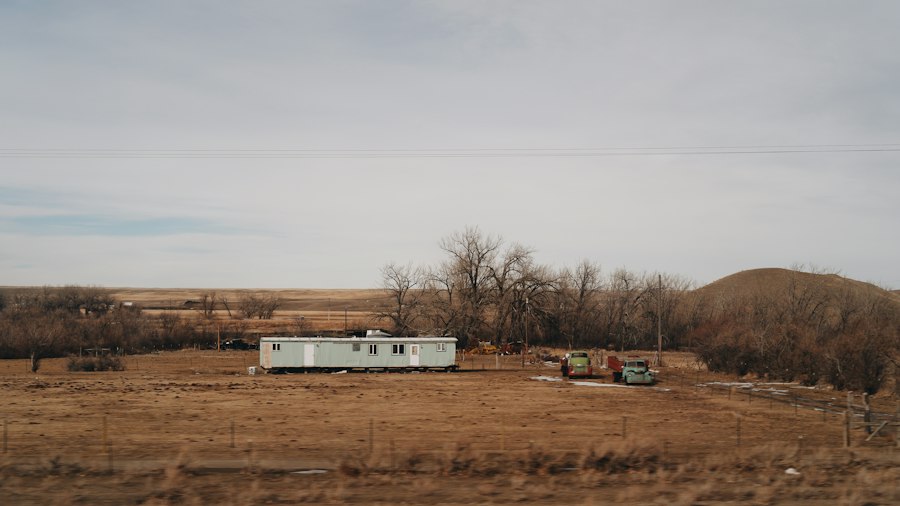
Securing financing for a manufactured home with land requires a solid financial foundation. Lenders will scrutinize your financial profile to assess your risk. Being prepared can streamline the process and increase your chances of approval.
Improving Your Credit Score
Your credit score is a primary factor lenders use to determine your creditworthiness. A higher score generally leads to better interest rates and loan terms.
Key Strategies for Credit Improvement:
Pay Bills on Time
Payment history is the most significant factor in credit scoring.
Reduce Credit Card Balances
Keep your credit utilization ratio (the amount of credit you’re using compared to your total available credit) low. Aim for below 30%.
Avoid Opening Too Many New Accounts
Each new credit application can slightly lower your score.
Check Your Credit Report for Errors
Dispute any inaccuracies you find.
Saving for a Down Payment and Closing Costs
While some loan programs (like VA and USDA) offer no down payment options, having a down payment can still be beneficial. It reduces the loan amount, lowers your monthly payments, and can sometimes secure better loan terms. Closing costs, which include fees for appraisal, title insurance, origination fees, and more, can add up and should also be budgeted for.
Understanding Down Payment Requirements
- Conventional Loans: Typically require 5-20% down, but some programs allow for lower down payments.
- FHA Loans: Often require as little as 3.5% down.
- VA Loans: Can offer 0% down for eligible borrowers.
- USDA Loans: Can offer 0% down for eligible borrowers in designated rural areas.
Estimating Closing Costs
Closing costs can range from 2% to 5% of the loan amount. It’s crucial to get an estimate from your lender early in the process.
Gathering Necessary Documentation
Lenders will require a significant amount of documentation to verify your income, assets, and liabilities.
Common Documents You’ll Need:
Proof of Income
- Pay stubs (usually for the past 30 days)
- W-2 forms (for the past two years)
- Tax returns (for the past two years)
- 1099 forms (if self-employed)
- Social Security statements
- Pension or retirement statements
Proof of Assets
- Bank statements (checking and savings accounts, usually for the past two months)
- Investment account statements
- Retirement account statements
Identification
- Driver’s license or state-issued ID
- Social Security card
Other Documents
- Proof of homeownership (if applicable, for refinancing or equity loans)
- Documentation for any significant debts (car loans, student loans, etc.)
The Process of Securing Your Loan
Once you’ve prepared your finances and chosen a loan type, the actual loan application and approval process begins. This can seem daunting, but breaking it down into steps makes it manageable.
Working with a Lender Specializing in Manufactured Homes
Not all lenders are equally experienced with manufactured home financing, especially when land is involved. Seek out lenders who have a strong track record in this specific niche.
Why Lender Specialization Matters:
Understanding of HUD Codes and Regulations
Experienced lenders will be familiar with the specific requirements for manufactured homes.
Established Relationships with Manufacturers and Retailers
This can streamline the purchase and financing process.
Knowledge of Property Appraisals for Manufactured Homes
Appraising a manufactured home with land can be different from a traditional home appraisal.
The Loan Application and Underwriting Process
This is where your gathered documentation is reviewed, and the lender assesses your risk.
Key Stages of the Loan Process:
- Pre-Approval: This is an initial assessment of your borrowing capacity based on your financial information. It gives you a strong idea of what you can afford.
- Loan Application: You’ll formally apply for the loan, submitting all required documentation.
- Underwriting: The underwriter reviews your entire application, credit history, and financial documentation to determine if you meet the lender’s and loan program’s guidelines. They may ask for additional information.
- Appraisal: An appraiser will visit the property to determine its fair market value. For manufactured homes with land, the appraisal will assess both the home and the land.
- Loan Approval: Once underwriting is complete and all conditions are met, the loan is approved.
- Closing: This is the final step where you sign all the necessary paperwork, and the loan funds are disbursed.
The Role of the Property Appraisal
The appraisal is crucial as it determines the value of the property that will secure the loan. For a manufactured home with land, the appraiser will consider:
Factors Influencing the Appraisal:
Condition of the Home
Its age, maintenance, and any upgrades.
Type of Foundation
A permanent foundation adds value.
Condition and Value of the Land
Location, size, topography, and any improvements.
Comparables (Comps)
Recent sales of similar manufactured homes with land in the area.
Permanency of Installation
How well the home is affixed to the land.
If you’re considering purchasing a manufactured home with land, understanding your financing options is crucial. A helpful resource can be found in a related article that discusses various methods to secure funding for such investments. You can explore this informative piece further by visiting this link, which provides insights into loans, grants, and other financial strategies that can assist you in making your dream home a reality.
Understanding Interest Rates and Loan Terms
| Financing Option | Typical Interest Rate | Loan Term | Down Payment | Eligibility Criteria | Notes |
|---|---|---|---|---|---|
| Conventional Mortgage | 4% – 7% | 15 – 30 years | 10% – 20% | Good credit score, stable income | Requires land and home to be financed together |
| FHA Loan (Title II) | 3.5% – 6% | 15 – 30 years | 3.5% | Credit score 580+, meets FHA guidelines | Insures loans for manufactured homes with land |
| VA Loan | 3% – 5% | 15 – 30 years | 0% | Eligible veterans and active military | No down payment required |
| USDA Loan | 3.5% – 5% | 30 years | 0% | Rural property, income limits apply | Finances home and land in eligible rural areas |
| Chattel Loan (Home Only) | 6% – 12% | 7 – 20 years | 10% – 20% | Good credit, home must be personal property | Does not finance land, higher rates |
The interest rate and loan term are the two most significant factors influencing your monthly payment and the total cost of your loan over time.
Factors Affecting Your Interest Rate:
Credit Score:
As mentioned, a higher credit score generally leads to a lower interest rate.
Loan Type:
Government-backed loans (FHA, VA, USDA) often have competitive rates, but conventional loans can sometimes offer the lowest rates for borrowers with excellent credit.
Market Conditions:
Overall economic conditions and prevailing interest rate trends in the market play a significant role.
Down Payment Amount:
A larger down payment can sometimes result in a slightly lower interest rate.
Understanding Loan Terms:
The loan term is the length of time you have to repay the loan. Common terms for mortgages are 15, 20, and 30 years.
The Trade-off Between Term Length and Monthly Payments:
Shorter Terms (e.g., 15 years):
- Higher Monthly Payments: You’re paying back the loan faster.
- Lower Total Interest Paid: You’ll save a significant amount of money on interest over the life of the loan.
Longer Terms (e.g., 30 years):
- Lower Monthly Payments: Making the loan more affordable on a monthly basis.
- Higher Total Interest Paid: You’ll pay more in interest over the life of the loan.
Beyond the Purchase: Ongoing Considerations
Financing your manufactured home with land is a major achievement, but your responsibilities don’t end at closing. Understanding ongoing costs and considerations will help you maintain your investment and financial health.
Property Taxes and Insurance
Like any homeownership, you’ll be responsible for property taxes and homeowners insurance.
Property Taxes:
These are levied by local governments and are based on the assessed value of your property (both the land and the home).
Homeowners Insurance:
This protects you against damage from fire, storms, and other covered perils. Lenders will require you to have adequate insurance coverage. For manufactured homes, specialized insurance policies may be necessary.
Maintenance and Upkeep
Regular maintenance is crucial to preserving the value of your manufactured home and land.
Home Maintenance:
This includes routine tasks like cleaning gutters, inspecting the roof, and ensuring your plumbing and electrical systems are in good working order.
Landscaping and Property Care:
Maintaining the grounds around your home adds to its curb appeal and overall value.
Refinancing Options
As market conditions change or your financial situation improves, you may consider refinancing your loan. Refinancing can allow you to:
Lower Your Interest Rate:
Potentially reduce your monthly payments and save money on interest.
Change Your Loan Term:
Shorten or lengthen your repayment period to adjust your monthly payments.
Tap into Equity:
If your home has appreciated in value, you might be able to refinance for a larger amount to access cash for other needs.
Financing a manufactured home with land is a tangible path to homeownership. By understanding the loan options, preparing your finances diligently, and navigating the process with knowledge, you are well on your way to owning a piece of the American Dream.

The $80,000 House You’re Not Allowed to Put Anywhere
FAQs
1. What is a manufactured home with land?
A manufactured home with land refers to a prefabricated home that is built off-site and then placed on a permanent foundation on a piece of land that is owned by the homeowner.
2. How can I finance a manufactured home with land?
Financing options for a manufactured home with land include traditional mortgage loans, FHA loans, VA loans, and USDA loans. It is important to research and compare different lenders to find the best financing option for your specific situation.
3. What are the eligibility requirements for financing a manufactured home with land?
Eligibility requirements for financing a manufactured home with land may vary depending on the lender and the type of loan. Generally, lenders will consider factors such as credit score, income, debt-to-income ratio, and the condition of the property.
4. Are there any specific considerations when financing a manufactured home with land?
When financing a manufactured home with land, it is important to consider factors such as the age and condition of the home, the location of the land, and any additional costs such as property taxes and insurance. It is also recommended to work with a lender who has experience with financing manufactured homes.
5. What are the benefits of financing a manufactured home with land?
Financing a manufactured home with land can offer benefits such as homeownership, affordability, and the ability to customize the home to suit your needs. Additionally, owning the land can provide stability and potential for appreciation in value over time.