You’re likely here because the hum of financial anxiety has become a constant companion. It whispers in the quiet moments, screams during unexpected expenses, and generally makes you feel like you’re constantly treading water. You’re not alone. The pursuit of financial freedom – that elusive state where money no longer dictates your decisions or induces sleepless nights – is a deeply human desire. But how do you actually get there? How do you stop worrying about money and start living the life you envision? This isn’t about winning the lottery or inheriting a fortune; it’s about building a solid foundation and then strategically expanding your financial landscape so it serves you, not the other way around. Get ready to shed the weight of financial worry, one actionable step at a time.
Before you can chart a course towards financial freedom, you need to know precisely where you stand. This isn’t a judgment; it’s a crucial diagnostic. You wouldn’t go on a road trip without knowing your starting point, would you? The same logic applies to your finances. This section is dedicated to peeling back the layers of your financial life, revealing the truths that will empower your journey.
The Unvarnished Truth: Your Net Worth Calculation
This is the bedrock of understanding your financial health. Net worth is simply what you own minus what you owe. It’s a snapshot in time that provides a clear, objective measure of your financial progress.
What You Own (Assets):
- Liquid Assets: This includes cash in checking and savings accounts, money market funds, and any readily accessible cash.
- Investments: Think about stocks, bonds, mutual funds, ETFs, cryptocurrency if you hold it, and any other investment vehicles. Don’t forget retirement accounts like 401(k)s, IRAs, and pensions.
- Real Estate: This is the market value of your home, any rental properties, or land you own. Be realistic about current market prices.
- Valuable Personal Property: While often excluded for simplicity, consider the resale value of significant assets like vehicles, art, or jewelry if they represent a substantial portion of your worth.
What You Owe (Liabilities):
- Short-Term Debt: Credit card balances, personal loans with short repayment terms, and any other money you owe that’s due within a year.
- Long-Term Debt: This includes mortgages, auto loans, student loans, and any other loans with repayment periods longer than a year.
- Other Debts: Consider things like medical bills you’re paying off or any outstanding taxes.
Performing the Calculation:
Subtract your total liabilities from your total assets. A positive net worth means you own more than you owe – a good start! A negative net worth means you owe more than you own, indicating areas for immediate attention. Regularly recalculating your net worth (quarterly or annually) will show you your progress and highlight where your efforts are paying off.
Your Cash Flow: The Lifeblood of Your Finances
Net worth tells you where you are. Cash flow tells you where you’re going. This is about understanding the money coming in and going out on a regular basis. Are you creating a surplus, or are you living paycheck to paycheck with little room to breathe?
Tracking Your Income:
List all sources of income: your primary job salary, any side hustles, rental income, investment dividends, etc. Be specific about the net amount (after taxes and deductions) you receive.
Categorizing Your Expenses:
This is where honesty is paramount. Dig into your bank statements, credit card bills, and receipts for the past few months. Group your spending into meaningful categories.
Fixed Expenses:
These are costs that generally stay the same each month and are often non-negotiable. Think rent or mortgage payments, loan repayments, insurance premiums, and subscriptions that are difficult to cancel immediately.
Variable Expenses:
These costs fluctuate from month to month and offer more flexibility for reduction. This includes groceries, utilities (though some have fixed components), dining out, entertainment, transportation costs (gas, public transport), clothing, and personal care.
Discretionary Expenses:
These are the “wants” rather than the “needs.” Hobbies, vacations, impulsive purchases, luxury items – these are often the first places to look for savings.
The Cash Flow Equation:
Income – Expenses = Cash Flow. A positive number means you have money left over, which can be allocated to savings, investments, or debt reduction. A negative number means you are spending more than you earn, which is a red flag that needs immediate correction.
Identifying Your Financial Triggers and Beliefs
Money worries aren’t purely logical; they are deeply emotional. To truly stop worrying, you need to understand the psychological underpinnings of your financial anxieties.
What Scares You Most About Money?
Is it the thought of not being able to provide for your family? The fear of becoming a burden? The embarrassment of not measuring up to societal expectations? Identifying these core fears is the first step to dismantling them.
Unearthing Past Money Experiences:
Childhood experiences, family attitudes towards money, and past financial mistakes can all shape your current relationship with it. Are you repeating patterns you absorbed growing up?
Challenging Limiting Beliefs:
“I’m not good with money.” “Rich people are greedy.” “It’s impossible for me to save.” These self-imposed narratives can sabotage your efforts before you even begin. Recognize them and actively work to reframe them with empowering thoughts.
If you’re looking for effective strategies to alleviate financial anxiety, you might find it helpful to read the article on how to stop worrying about money. This resource offers practical tips and insights that can help you shift your mindset and gain better control over your finances. To explore these strategies further, visit this article for valuable advice on managing your financial concerns.
Building Your Financial Foundation: The Pillars of Security
Once you understand where you are and why you worry, it’s time to build a strong foundation. These are the essential elements that provide a safety net and create a sense of control.
The Power of the Budget: Your Roadmap to Control

A budget isn’t a straitjacket; it’s a precisely designed roadmap that guides your spending and ensures you’re allocating your money intentionally. It’s the tool that transforms your cash flow analysis into actionable strategy.
Creating a Realistic Budget That Works for You
The most effective budget is one you’ll actually stick to. This means it needs to be flexible enough to accommodate your lifestyle while being disciplined enough to achieve your goals.
Choosing Your Budgeting Method:
- The 50/30/20 Rule: Allocate 50% of your income to needs, 30% to wants, and 20% to savings and debt repayment. It’s a simple starting point.
- Zero-Based Budgeting: Every dollar is assigned a job. Income minus expenses (including savings and debt repayment) equals zero. This requires meticulous tracking but offers maximum control.
- Envelope System: For variable expenses, physically divide cash into envelopes for different spending categories. When the envelope is empty, you stop spending in that area.
Automating Your Savings and Bill Payments:
This is a game-changer for consistency. Set up automatic transfers from your checking account to your savings and investment accounts each payday. Schedule bill payments to avoid late fees and stress. This removes the temptation to spend money that’s already earmarked for important things.
Regularly Reviewing and Adjusting Your Budget:
Life changes, and so should your budget. Review it at least monthly to track progress, identify overspending, and make adjustments as needed. Did you consistently overspend on groceries? Perhaps you need to reallocate funds or find ways to reduce grocery bills.
Tackling Debt: Unshackling Your Financial Future
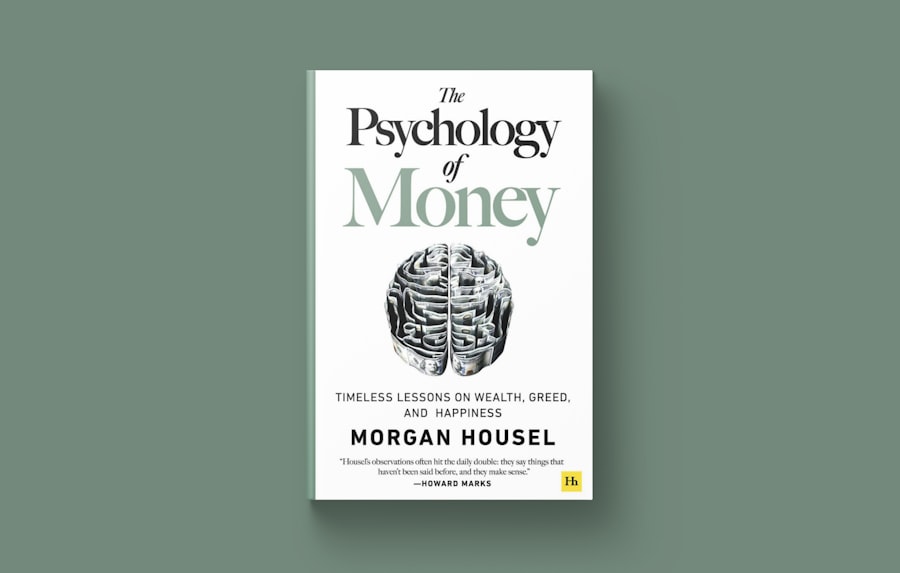
Debt is a significant source of financial worry. The interest payments can feel like a relentless drain, and the principal amount can seem insurmountable. To truly achieve freedom, you must have a plan to systematically eliminate this burden.
Strategic Debt Elimination Plans
The key is to be methodical and consistent. There isn’t one “right” way to pay off debt; the best method is the one you’ll stick with.
The Snowball Method:
Pay the minimum on all your debts except the smallest one, which you attack with extra payments. Once that debt is paid off, roll the extra payment into the next smallest debt. This provides psychological wins as you eliminate debts quickly.
The Avalanche Method:
This method prioritizes paying off debts with the highest interest rates first. While it may take longer to see debts disappear, it saves you the most money on interest over time. Mathematically, it’s the most efficient.
Negotiating With Creditors:
Don’t be afraid to contact your creditors if you’re struggling. They may be willing to work with you on a payment plan, temporarily reduce interest rates, or offer a settlement.
Preventing Future Debt Accumulation:
A crucial part of debt freedom is ensuring you don’t fall back into old habits. This involves a strong budget, an emergency fund (discussed next), and a mindful approach to spending.
If you’re looking for effective strategies to alleviate financial anxiety, you might find it helpful to explore the insights shared in a related article on managing your finances. This resource offers practical tips and techniques to help you shift your mindset about money and reduce stress. You can read more about it in this informative piece on how to stop worrying about money by visiting How Wealth Grows. Embracing these strategies can lead to a more peaceful relationship with your finances.
The Unsung Hero: Your Emergency Fund
| Metrics | Results |
|---|---|
| Savings | Increased savings by 20% in the last year |
| Income | Steady income from multiple sources |
| Expenses | Managed to reduce unnecessary expenses by 15% |
| Financial Plan | Developed a solid financial plan for the next 5 years |
| Investments | Diversified investments for long-term financial security |
An emergency fund is not a luxury; it’s a necessity. It’s your financial shock absorber, designed to protect you from the unexpected without derailing your financial progress. You cannot achieve lasting financial freedom if every minor hiccup sends you spiraling into debt or despair.
Building and Maintaining Your Safety Net
Think of this as your personal financial insurance policy. It’s there to cushion blows like job loss, unexpected medical bills, or crucial home repairs.
Determining the Right Amount for You:
- Starter Emergency Fund: Aim for $500 to $1,000 as a first goal. This can cover minor car repairs or a small medical co-pay.
- Full Emergency Fund: The general recommendation is to save 3 to 6 months of essential living expenses. If you have a variable income or a high-risk profession, consider 6 to 12 months.
Where to Keep Your Emergency Fund:
Your emergency fund needs to be accessible and safe, but not so easily accessible that you’re tempted to dip into it for non-emergencies.
High-Yield Savings Accounts:
These offer slightly better interest rates than traditional savings accounts while remaining easily accessible.
Money Market Funds:
These are low-risk investment vehicles that can offer higher returns than standard savings accounts, though they may have check-writing privileges.
Prioritizing Your Emergency Fund:
For most people, building an emergency fund should be a higher priority than aggressive investing or early debt repayment (beyond minimums). The security it provides will allow you to pursue those other goals with less anxiety.
Investing for Growth: Making Your Money Work for You
Once your foundation is solid – your budget is in place, debt is under control, and your emergency fund is robust – you can shift your focus to making your money grow. This is where you start building wealth and accelerating your journey to financial freedom.
Understanding Investment Principles and Strategies
Investing can seem daunting, but it doesn’t have to be. The key is to understand the basic principles and choose strategies that align with your goals and risk tolerance.
Diversification: Don’t Put All Your Eggs in One Basket
Spreading your investments across different asset classes (stocks, bonds, real estate, etc.) and within those classes (different industries, geographic regions) reduces your overall risk. If one investment performs poorly, others can offset the loss.
Compounding: The Eighth Wonder of the World
This is the magic of earning returns on your returns. The earlier you start investing, the more time your money has to grow exponentially. Even small, consistent contributions can yield significant results over decades.
Risk Tolerance: How Much Volatility Can You Handle?
This is a crucial personal assessment. Are you comfortable with the potential for significant fluctuations in your investment value for the sake of higher potential returns? Or do you prefer more stability, even if it means lower growth?
Exploring Investment Vehicles
There are numerous ways to invest, each with its own characteristics.
Stocks: Ownership in Companies
When you buy a stock, you’re buying a piece of a company. Their success can lead to your success through stock price appreciation and dividends.
Bonds: Lending Money to Entities
When you buy a bond, you’re lending money to a government or corporation in exchange for fixed interest payments and the return of your principal at maturity. They generally offer lower returns than stocks but are considered less risky.
Mutual Funds and ETFs: Pooled Investments
These allow you to invest in a diversified portfolio of stocks, bonds, or other assets managed by professionals. ETFs (Exchange Traded Funds) are similar but trade on exchanges like individual stocks, offering more flexibility.
Real Estate: Tangible Assets
Investing in rental properties can provide rental income and potential capital appreciation. However, it requires significant capital and management effort.
The Importance of Long-Term Perspective
Market downturns are inevitable. The key to successful investing is to avoid panicking during these periods. Stay focused on your long-term goals and trust your investment strategy. Think of it as buying things on sale.
Cultivating a Mindset of Abundance and Gratitude
Financial freedom is as much about your mindset as it is about your bank account. If you’re constantly focused on what you lack, you’ll perpetuate that scarcity. Shifting to a mindset of abundance and gratitude can transform your relationship with money and accelerate your progress.
Practicing Gratitude for What You Have
It sounds simple, but genuine gratitude can rewire your brain to focus on the positive.
Daily Gratitude Exercises:
Before you even get out of bed, take a moment to think of three things you’re grateful for. This can be as simple as a warm bed, a delicious cup of coffee, or a loved one’s smile.
Appreciating Your Current Resources:
Instead of dwelling on what you wish you had, take time to appreciate the resources you currently possess. This could be your skills, your health, your supportive relationships, or even the knowledge you’ve gained on your financial journey so far.
Embracing a Long-Term Vision
Financial freedom isn’t an overnight accomplishment. It’s a journey with milestones. Visualize yourself achieving your goals.
Setting SMART Financial Goals:
- Specific: What exactly do you want to achieve?
- Measurable: How will you track your progress?
- Achievable: Is this goal realistic for you?
- Relevant: Does this goal align with your values and overall vision?
- Time-bound: When do you want to achieve this by?
Celebrating Milestones Along the Way:
Acknowledge and celebrate your progress, no matter how small. Did you stick to your budget for a month? Did you finally pay off a credit card? Reward yourself responsibly. This positive reinforcement will keep you motivated.
Continuous Learning and Adaptation
The financial world is constantly evolving. Stay curious and committed to learning. Read books, listen to podcasts, and stay informed about personal finance. The more knowledge you gain, the more confident you’ll become in your ability to manage your money and achieve financial freedom. Your journey to stop worrying about money is an ongoing one. By understanding your current situation, building a solid foundation, actively managing your debt, securing your emergency fund, investing wisely, and cultivating a positive mindset, you can gradually, but surely, silence the whispers of financial anxiety and step into a life of greater peace and control. You have the power to rewrite your financial story. Start today.

Nobody Warns You What Happens After You Hit $1 Million
FAQs
1. Why is it important to stop worrying about money?
It is important to stop worrying about money because excessive stress and anxiety about finances can have negative effects on mental and physical health. It can also impact relationships and overall well-being.
2. What are some practical steps to stop worrying about money?
Practical steps to stop worrying about money include creating a budget, setting financial goals, building an emergency fund, seeking professional financial advice, and practicing mindfulness and gratitude.
3. How can mindfulness help in reducing money-related stress?
Mindfulness can help in reducing money-related stress by allowing individuals to focus on the present moment and develop a non-judgmental awareness of their thoughts and feelings about money. This can help in reducing anxiety and promoting a more balanced perspective on finances.
4. What are some common causes of money-related stress?
Common causes of money-related stress include living beyond one’s means, debt, job insecurity, lack of savings, and financial emergencies. Additionally, societal and cultural pressures can also contribute to money-related stress.
5. When should someone seek professional help for money-related stress?
Someone should seek professional help for money-related stress if they are experiencing severe anxiety, depression, or other mental health issues related to their financial situation. Additionally, if they are struggling to manage their finances effectively or are facing overwhelming debt, seeking the assistance of a financial advisor or counselor may be beneficial.