
Farmland prices have increased significantly in recent years, raising concerns about whether these valuations are sustainable. This phenomenon, known as the farmland bubble, has attracted attention from investors, farmers, and policymakers. While farmland is often viewed as a stable investment, the rapid price increases warrant careful analysis.
The farmland bubble extends beyond financial considerations and affects food security, environmental sustainability, and rural economic development. Several factors drive current farmland valuations, and investors should understand both the potential benefits and risks of farmland investment. Key considerations include agricultural productivity, interest rates, commodity prices, and demand for agricultural land.
By examining these elements, investors can make informed decisions that align with their financial objectives and risk tolerance.
Key Takeaways
- Farmland prices have surged, creating concerns about a potential bubble driven by multiple economic and environmental factors.
- Climate change is increasingly influencing farmland values, affecting crop yields and land usability.
- Government policies and technological advancements play significant roles in shaping farmland market dynamics.
- Investors face both risks and opportunities, requiring strategic management to navigate regional variations and market volatility.
- Experts predict continued fluctuations in farmland prices, emphasizing the need for informed decision-making in 2026.
Current Trends in Farmland Prices
As you examine the current trends in farmland prices, you will notice a remarkable upward trajectory that has persisted over the past decade. The average price of agricultural land has seen significant increases, driven by a combination of factors including low interest rates, strong demand for food production, and a growing interest in sustainable farming practices. In many regions, farmland prices have reached record highs, prompting both excitement and concern among investors and farmers alike.
However, it is essential to recognize that this upward trend is not uniform across all regions. While some areas have experienced explosive growth in farmland values, others have seen stagnation or even declines. As you analyze these trends, consider how local economic conditions, crop yields, and demographic shifts play a role in shaping farmland prices.
Understanding these regional variations will provide you with a more nuanced perspective on the overall farmland market. Investing in
Several key factors contribute to the formation of the farmland bubble that you may encounter in your research. One primary driver is the increasing global demand for food, fueled by population growth and changing dietary preferences. As more people seek access to nutritious food, the pressure on agricultural land intensifies, leading to higher prices.
Additionally, low interest rates have made borrowing more accessible for investors looking to acquire farmland, further inflating prices. Another significant factor is the rise of institutional investors in the farmland market. These entities often have substantial capital to invest and are drawn to farmland as a hedge against inflation and economic uncertainty.
Their entry into the market can create competition for available land, driving prices even higher. As you consider these factors, it becomes clear that the interplay between supply and demand is critical in understanding the dynamics of the farmland bubble.
Impact of Climate Change on Farmland Values
As you explore the impact of climate change on farmland values, you will find that this issue is multifaceted and increasingly urgent. Climate change poses significant risks to agricultural productivity through extreme weather events, shifting growing seasons, and changing pest dynamics. These challenges can lead to reduced crop yields and increased costs for farmers, ultimately affecting the value of farmland.
Moreover, as climate change continues to reshape agricultural landscapes, certain regions may become less viable for farming while others may emerge as new agricultural hubs. This shift can create disparities in farmland values across different areas. As an investor or stakeholder in agriculture, it is crucial to consider how climate resilience strategies can mitigate risks and enhance the long-term viability of farmland investments.
Government Policies and Farmland Prices
| Year | Average Farmland Price (per acre) | Price Growth Rate (%) | Farmland Demand Index | Bubble Risk Level | Key Factors Influencing Market |
|---|---|---|---|---|---|
| 2022 | 3,200 | 5.5 | 75 | Moderate | Low interest rates, strong commodity prices |
| 2023 | 3,500 | 9.4 | 80 | Elevated | Increased investor interest, supply constraints |
| 2024 | 3,850 | 10.0 | 85 | High | Speculative buying, rising input costs |
| 2025 | 4,200 | 9.1 | 90 | Very High | Credit tightening, geopolitical tensions |
| 2026 (Forecast) | 4,500 | 7.1 | 88 | High | Market correction expected, policy changes |
Government policies play a pivotal role in shaping farmland prices and influencing market dynamics. As you investigate this aspect, you will discover that subsidies, tax incentives, and land-use regulations can significantly impact agricultural land values. For instance, policies aimed at promoting sustainable farming practices or protecting environmentally sensitive areas can affect land availability and desirability.
Additionally, trade policies and international agreements can influence agricultural markets on a global scale. Changes in tariffs or trade relationships can affect crop prices and subsequently impact farmland values. As you navigate this complex landscape, staying informed about current and proposed government policies will be essential for making sound investment decisions in farmland.
Potential Risks and Opportunities for Investors
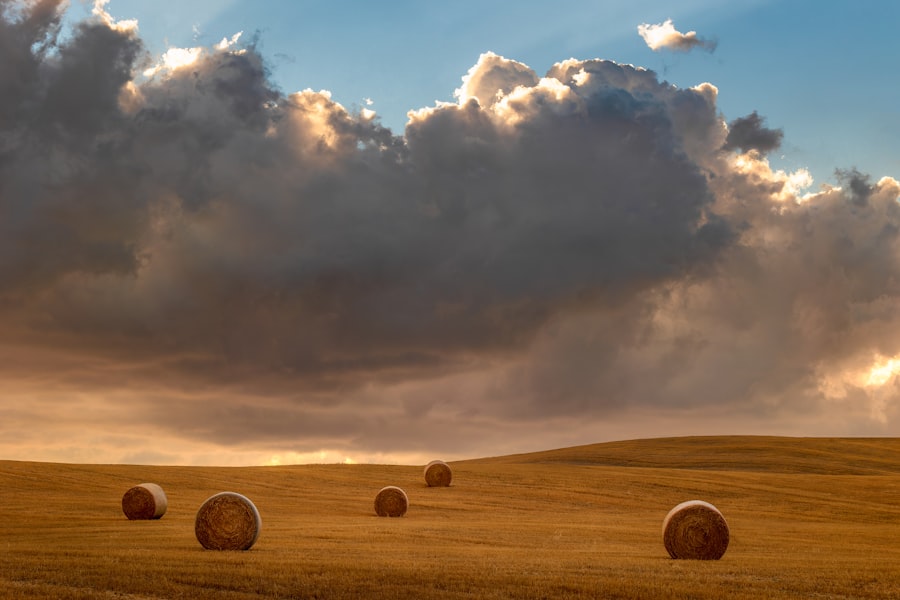
Investing in farmland presents both risks and opportunities that you should carefully weigh before making any commitments. On one hand, farmland has historically been viewed as a stable investment with potential for long-term appreciation. The growing demand for food and sustainable practices can create opportunities for investors who are willing to adapt to changing market conditions.
On the other hand, risks such as fluctuating commodity prices, adverse weather events, and regulatory changes can pose challenges to profitability. As an investor, it is vital to conduct thorough due diligence and assess your risk tolerance before entering the farmland market. Diversifying your investments and considering partnerships with experienced farmers or agricultural experts can also help mitigate potential risks while maximizing opportunities.
Regional Variations in Farmland Values
As you delve deeper into regional variations in farmland values, you will uncover a rich tapestry of factors that influence prices across different areas. For instance, regions with fertile soil and favorable climates tend to command higher prices due to their agricultural productivity potential. Conversely, areas facing environmental challenges or limited access to water resources may see lower demand for farmland.
Additionally, local economic conditions play a significant role in shaping farmland values. Regions experiencing population growth or urban expansion may witness increased competition for agricultural land as developers seek to convert it for residential or commercial use. Understanding these regional dynamics will empower you to make informed decisions about where to invest in farmland based on your investment strategy.
Technology and Innovation in Agriculture
The integration of technology and innovation into agriculture is transforming the landscape of farming and impacting farmland values in profound ways. As you explore this topic, consider how advancements such as precision agriculture, data analytics, and biotechnology are enhancing productivity and efficiency on farms.
Moreover, technology can play a crucial role in addressing some of the challenges posed by climate change. For instance, drought-resistant crops and smart irrigation systems can help farmers adapt to changing weather patterns while maintaining profitability. As an investor, staying abreast of technological advancements in agriculture will enable you to identify opportunities that align with your investment goals while contributing to a more sustainable future.
Strategies for Managing Farmland Investments
To successfully navigate the complexities of farmland investments, you will need to adopt effective management strategies that align with your objectives. One approach is to conduct thorough research on potential properties before making any purchases. This includes assessing soil quality, water availability, and local market conditions to ensure that your investment aligns with your long-term goals.
Additionally, consider forming partnerships with experienced farmers or agricultural professionals who can provide valuable insights into managing your investment effectively.
By implementing these strategies, you can position yourself for success in the ever-evolving farmland market.
Expert Predictions for the Future of Farmland Prices
As you look ahead to expert predictions regarding the future of farmland prices, it becomes evident that opinions vary widely among analysts and economists. Some experts anticipate continued growth in farmland values driven by persistent demand for food production and limited supply of arable land. Others caution that rising interest rates or economic downturns could lead to corrections in the market.
It is essential to stay informed about emerging trends and shifts within the agricultural sector as they can significantly impact future price trajectories. Engaging with industry reports, attending conferences, and networking with professionals in agriculture will provide you with valuable insights that can inform your investment decisions moving forward.
Navigating the Farmland Bubble in 2026
As you conclude your exploration of the farmland bubble and its implications for investors like yourself, it is clear that navigating this complex landscape requires careful consideration of various factors. From understanding current trends in farmland prices to recognizing regional variations and technological advancements, each element plays a crucial role in shaping your investment strategy. By staying informed about government policies, climate change impacts, and expert predictions for the future of farmland values, you can position yourself to make informed decisions that align with your financial goals while contributing positively to sustainable agriculture.
As you move forward into 2026 and beyond, embracing a proactive approach will empower you to navigate the challenges and opportunities presented by the evolving farmland market effectively.
As we look ahead to the farmland bubble forecast for 2026, it’s essential to consider various economic factors that could influence agricultural investments. A related article that delves into the intricacies of wealth growth and investment strategies can be found at How Wealth Grows. This resource provides valuable insights that may help investors navigate the complexities of the farmland market and make informed decisions in the coming years.
WATCH THIS! The Gold Rush is Over. Now, the Dirt Rush is ON. 🚜💰
FAQs
What is a farmland bubble?
A farmland bubble refers to a situation where the prices of agricultural land increase rapidly and to levels that are not supported by the underlying economic fundamentals, such as crop yields, commodity prices, or rental income. This can lead to an unsustainable market that may eventually correct sharply.
What factors influence farmland prices?
Farmland prices are influenced by factors such as commodity prices, interest rates, government policies, technological advancements in agriculture, demand for food and biofuels, inflation, and overall economic conditions.
Why is there concern about a farmland bubble in 2026?
Concerns about a farmland bubble in 2026 arise from observed rapid increases in land prices in recent years, combined with economic uncertainties such as rising interest rates, changing agricultural subsidies, and potential shifts in global demand for agricultural products that could impact land values.
How do interest rates affect farmland values?
Higher interest rates increase borrowing costs, which can reduce the affordability of purchasing farmland and lower land values. Conversely, low interest rates make borrowing cheaper, often driving up farmland prices.
What role do government policies play in the farmland market?
Government policies, including subsidies, tax incentives, and land use regulations, can significantly impact farmland demand and prices by affecting farm profitability and investment attractiveness.
Can farmland prices decline suddenly?
Yes, farmland prices can decline suddenly if there is a market correction triggered by factors such as a drop in commodity prices, increased interest rates, changes in government policy, or broader economic downturns.
How can investors protect themselves from a farmland bubble burst?
Investors can protect themselves by conducting thorough due diligence, diversifying their investment portfolios, monitoring market trends closely, and avoiding over-leveraging when purchasing farmland.
Is farmland a good long-term investment despite bubble concerns?
Farmland has historically been considered a stable long-term investment due to its intrinsic value and role in food production. However, like all investments, it carries risks, including market bubbles, and should be evaluated carefully in the context of broader economic conditions.
Where can I find reliable forecasts about farmland prices for 2026?
Reliable forecasts can be found through agricultural economic research institutions, government agricultural departments, financial analysts specializing in real estate and agriculture, and reputable market research firms.
What indicators should I watch to assess the risk of a farmland bubble?
Key indicators include rapid increases in land prices relative to farm income, rising interest rates, changes in commodity prices, shifts in government policy, and overall economic conditions affecting agriculture.