You stand at the precipice of a housing revolution. For too long, the dream of homeownership has felt like a distant mirage for many, obscured by escalating costs, lengthy construction timelines, and a system that seems inherently designed to exclude rather than include. But what if there was a smarter, faster, and more accessible way to build the homes you deserve? What if the very notion of affordable housing was about to be redefined, not through austerity, but through innovation? You’re about to discover the game-changing potential of factory-built affordable housing, a solution that is rapidly transforming how we think about shelter and making the dream of a secure, quality home a tangible reality for you.
You’ve probably seen traditional construction sites – the lumber stacks, the concrete mixers, the constant parade of workers and weather delays. It’s a familiar scene, but one that often leads to unpredictable timelines and cost overruns. Factory-built affordable housing offers a stark, yet highly attractive, contrast. Imagine your home being constructed in a controlled, climate-independent environment, a sophisticated manufacturing facility where every component is precision-engineered and assembled with meticulous care. This isn’t about flimsy prefabs of the past; this is about cutting-edge modular and panelized construction, where your future home is built in sections or as complete units, ready to be transported and assembled on your chosen site.
Precision and Efficiency in Every Panel
Within the walls of a modern factory, your home is brought to life with an unparalleled level of precision. Automated machinery and highly skilled technicians work in tandem, ensuring that every cut, every joint, and every fixture is installed to exacting standards. This eliminates the guesswork and variability inherent in on-site construction. Think of it like this: a factory floor is designed for optimal workflow, reducing wasted materials and labor. This efficiency translates directly into cost savings for you. You’re not paying for every hour a worker is exposed to the elements, nor are you footing the bill for materials damaged by rain or extreme temperatures. Instead, you benefit from a streamlined production process that prioritizes quality and speed.
Reduced Waste, Increased Sustainability
One of the most significant advantages you’ll experience with factory-built housing is its inherent sustainability. The controlled factory environment allows for precise material usage, significantly minimizing waste. Instead of discarding offcuts and scraps on a traditional construction site, excess materials in a factory are often recycled or repurposed. Furthermore, the controlled environment allows for the implementation of advanced insulation techniques and the integration of energy-efficient systems from the outset. This means your new home will be inherently more energy-efficient, leading to lower utility bills for you over the lifetime of your home. You’re not just buying a house; you’re investing in a more sustainable future, both for your wallet and for the planet.
Speed to Occupancy: Your Faster Path Home
The traditional home-building process can feel like an eternity. Permits, site preparation, framing, roofing, plumbing, electrical – the list goes on, and each step is susceptible to delays. For you, this often means months, or even years, of waiting before you can finally move into your new home. Factory-built housing dramatically accelerates this timeline. While your home is being manufactured in the factory, site preparation – the foundation, utility connections – can commence simultaneously. Once the modular sections or panels arrive, assembly on-site is remarkably swift. You can go from an empty lot to a fully habitable home in a matter of weeks, not months. This speed is a game-changer, allowing you to start building equity and enjoying your own space much sooner.
Factory-built affordable housing is gaining traction as a viable solution to the housing crisis, offering a faster and more cost-effective way to provide homes for those in need. For a deeper understanding of the implications and benefits of this innovative approach, you can read a related article that explores various aspects of factory-built homes and their potential impact on communities. Check it out here: Factory-Built Affordable Housing Insights.
Breaking Down the Cost Barrier: Affordability Redefined
The term “affordable housing” has often been met with skepticism, conjuring images of cramped spaces and subpar finishes. Factory-built housing shatters these misconceptions by offering a pathway to homeownership that is genuinely accessible. The efficiencies gained in the factory, combined with reduced labor costs and minimized waste, allow manufacturers to produce high-quality homes at significantly lower price points than traditional stick-built structures. This isn’t about compromising on quality; it’s about smart engineering and streamlined processes that make homeownership a realistic possibility for a wider range of individuals and families.
Bulk Purchasing Power and Economies of Scale
Manufacturers who specialize in factory-built housing often operate on a large scale, ordering materials in bulk. This gives them significant purchasing power, allowing them to secure lower prices from suppliers. Think of it like buying groceries in bulk at a warehouse club – you get more for less. These savings are then passed on to you, the consumer. When you choose a factory-built home, you’re benefiting from the collective buying power of the entire production line, not just the materials for your individual house. This economy of scale is a fundamental driver of affordability in this sector.
Reduced Labor Costs and Optimized Workforce
Labor is a significant component of any construction project. On a traditional job site, you have a variety of tradespeople working on different aspects of the build, often for extended periods. Factory-built housing streamlines this process. The workforce is concentrated within the factory, where tasks are specialized and optimized for efficiency. This reduces the need for extensive travel time between job sites for different trades, and it allows for a more predictable and consistent labor cost. Furthermore, the controlled environment means fewer weather-related work stoppages, which can often add to labor expenses. You pay for skilled craftsmanship, not for idle hands waiting for the rain to stop.
Standardized Designs and Streamlined Permitting
While customization is often possible, many factory-built housing solutions offer standardized designs. This doesn’t mean your home will look like everyone else’s, but rather that the core structural elements and layouts are optimized for efficient production. This standardization reduces the design and engineering time required for each project, further contributing to cost savings. Additionally, many jurisdictions are developing streamlined permitting processes specifically for factory-built housing, recognizing its potential to address housing shortages. This can further expedite the process and reduce associated fees, making your path to homeownership smoother and more affordable.
Quality and Durability: Homes Built to Last
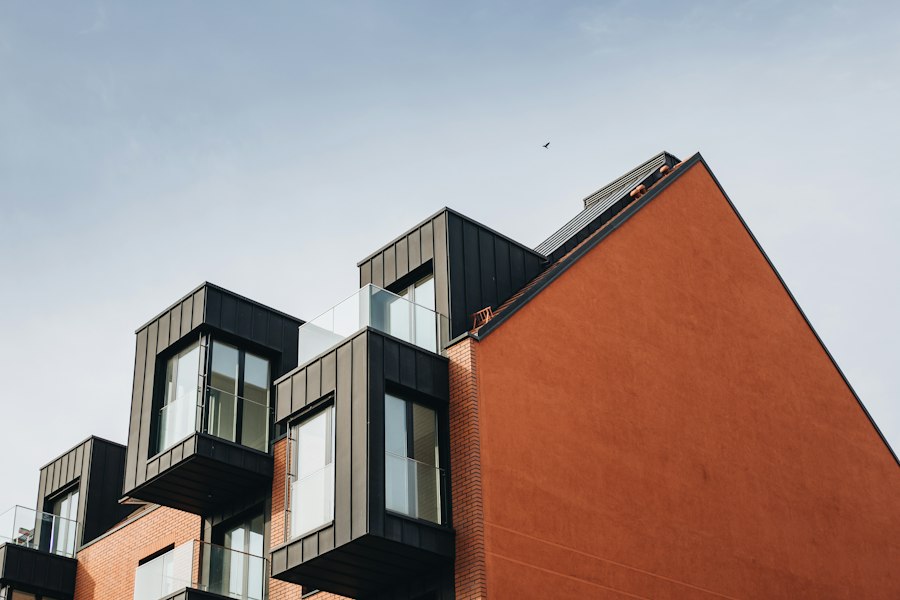
A common concern you might have is whether a factory-built home can match the quality and durability of a traditional one. The answer is a resounding yes, and often, it surpasses it. The controlled factory environment allows for rigorous quality control at every stage of construction. Your home is built to meet or exceed all relevant building codes and standards, often with certifications that guarantee its quality and safety. You can have peace of mind knowing that your home has undergone constant inspection and quality assurance, not just at the final stages.
Controlled Environment, Superior Craftsmanship
You’ve experienced it yourself – working on a project outdoors can be challenging. A controlled factory setting eliminates variables like wind, rain, and extreme temperatures, which can compromise the quality of traditional construction. This means your home’s materials are installed under optimal conditions, leading to a more robust and durable structure. Think of it like baking a cake: you get a much more consistent and perfect result in a controlled oven than trying to bake it over an open campfire. Your home’s structural integrity benefits from this same level of precision and predictability.
Advanced Materials and Building Technologies
Factory-built housing manufacturers are often at the forefront of adopting new and advanced building materials and technologies. This can include superior insulation materials that enhance energy efficiency, durable and low-maintenance exterior finishes, and innovative structural components that provide greater strength and stability. You’re not just getting a house; you’re getting a home built with the latest advancements in construction science, designed for longevity and performance. This translates into a home that requires less maintenance and offers greater comfort over the years.
Rigorous Quality Control and Inspections
Unlike a traditional site, where inspections might happen at specific milestones, factory-built housing undergoes continuous quality control. Every component, every assembly, and every finished section is inspected by dedicated quality assurance teams. This multi-layered inspection process ensures that any potential issues are identified and rectified immediately, preventing them from becoming larger problems down the line. You can be confident that your home has been built to the highest standards, with meticulous attention to detail at every step.
Design Flexibility and Customization: Your Vision, Realized

The idea that factory-built housing means sacrificing design freedom is a myth that needs to be dispelled. While standardized elements contribute to affordability, manufacturers understand that you want a home that reflects your personal style and needs. Modern factory-built housing offers a surprising degree of design flexibility and customization, allowing you to create a space that is truly yours.
Modular Design: Endless Possibilities
Modular construction involves building your home in larger, self-contained sections, or modules, in the factory. These modules are then transported to your site and assembled like building blocks. This approach offers significant design flexibility. You can choose from a variety of floor plans, room configurations, and exterior styles. The modules can be combined in numerous ways to create unique layouts, from charming bungalows to spacious multi-story residences. You can select the number of bedrooms and bathrooms you need, the layout of your kitchen, and the overall flow of your living space.
Panelized Construction: Building Blocks of Your Dream
Panelized construction, another popular factory-built method, involves manufacturing wall, floor, and roof panels in the factory. These panels are then transported to your site and assembled on your foundation. This method also offers considerable design flexibility. You can work with designers to create custom floor plans, choose various window and door placements, and select from a wide range of exterior finishes. The precision of factory-made panels ensures a tight building envelope and a high-quality finish.
Interior and Exterior Finishes: Personalizing Your Space
Beyond the structural elements, you’ll have ample opportunity to personalize your home with a selection of interior and exterior finishes. This includes choosing your flooring, cabinetry, countertops, paint colors, lighting fixtures, and even appliances. On the exterior, you can select from a variety of siding materials, roofing options, and landscaping elements. While there might be a curated selection of options to maintain production efficiency, these choices are typically extensive enough to allow you to create a home that perfectly suits your aesthetic preferences and budget.
Factory-built affordable housing is gaining traction as a viable solution to the ongoing housing crisis, offering a cost-effective and efficient way to provide homes for those in need. For a deeper understanding of the financial aspects and potential benefits of this innovative approach, you can explore a related article that discusses how such housing solutions can contribute to wealth growth and community development. This insightful piece can be found here, shedding light on the intersection of affordable housing and economic opportunity.
Addressing the Housing Crisis: A Powerful Solution for Your Community
| Metric | Value | Unit | Notes |
|---|---|---|---|
| Average Construction Time | 30-60 | Days | Compared to 6-9 months for traditional builds |
| Cost Reduction | 20-30 | Percent | Lower labor and material waste costs |
| Energy Efficiency Rating | 75-85 | HERS Index | Higher than typical site-built homes |
| Factory Defect Rate | 1-3 | Percent | Lower than traditional construction defect rates |
| Percentage of Affordable Units | 60-80 | Percent | Units priced below market rate in projects |
| Average Unit Size | 600-900 | Square Feet | Typical range for affordable housing units |
| Carbon Emission Reduction | 30-50 | Percent | Compared to traditional construction methods |
You’re not just building a home for yourself; you’re contributing to a broader solution. The escalating housing crisis affects us all, pushing up rents, making homeownership unattainable for many, and straining community resources. Factory-built affordable housing presents a powerful, scalable, and effective tool to address this crisis head-on, creating opportunities for more people to secure stable and affordable housing.
Increasing Housing Supply, Faster Than Ever
Traditional construction simply cannot keep pace with the demand for housing in many areas. The slow pace and high costs are significant bottlenecks. Factory-built housing, with its inherent speed and efficiency, can dramatically increase the rate at which new homes are built. This rapid deployment of new housing stock is crucial for alleviating pressure on the market, making homes more accessible and affordable for you and your neighbors. Imagine communities growing with well-built, affordable homes being completed in a fraction of the time it would take with traditional methods.
Creating Accessible Homeownership Opportunities
For many, the dream of homeownership has felt increasingly out of reach. Factory-built affordable housing directly tackles this by making homeownership a tangible reality for a broader segment of the population. By reducing the upfront costs and shortening the construction timelines, these homes open doors for first-time buyers, young families, essential workers, and those on moderate incomes who might otherwise be priced out of the market. You deserve the security and stability that homeownership provides, and this is a significant step towards achieving that.
Revitalizing Communities and Boosting Local Economies
The construction of factory-built housing doesn’t just mean new homes; it also means job creation and economic stimulus. The manufacturing facilities themselves provide employment, and the increased availability of affordable housing can attract new residents and businesses, revitalizing communities. Furthermore, the construction process, even when factory-based, involves local trades for site preparation, installation, and finishing touches, injecting money into the local economy. You’re not just buying a house; you’re investing in the future of your community.
You stand on the cusp of a significant shift in how homes are built and accessed. Factory-built affordable housing is not a compromise; it’s an intelligent evolution of construction. It’s a testament to how innovation, efficiency, and a focus on accessibility can come together to create a powerful solution for the challenges you face. As you explore your housing options, remember the game-changing potential of the factory. Your dream home, built smarter, faster, and more affordably, is no longer a distant fantasy – it’s a concrete reality waiting for you.
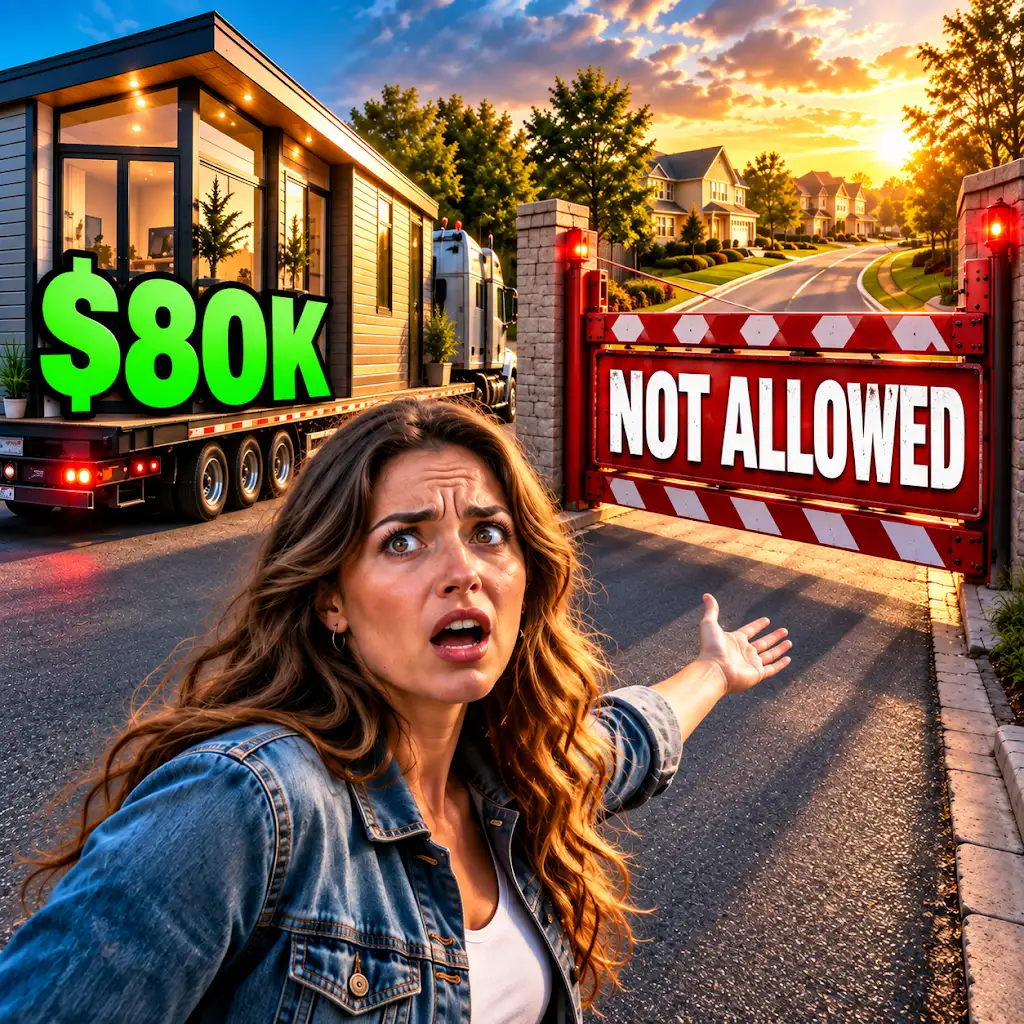
The $80,000 House You’re Not Allowed to Put Anywhere
FAQs
What is factory-built affordable housing?
Factory-built affordable housing refers to homes that are constructed off-site in a factory setting and then transported to the final location for assembly. These homes are typically more cost-effective and efficient to build compared to traditional on-site construction.
How are factory-built affordable homes different from traditional homes?
Factory-built affordable homes are constructed in a controlled environment, which allows for more precise construction and quality control. Additionally, the assembly process is quicker, resulting in faster completion times. These homes also tend to be more energy-efficient and sustainable.
What are the benefits of factory-built affordable housing?
Some benefits of factory-built affordable housing include lower construction costs, reduced construction time, higher quality control, energy efficiency, and sustainability. These homes also offer flexibility in design and customization options.
Are factory-built affordable homes durable and safe?
Yes, factory-built affordable homes are designed to meet the same building codes and safety standards as traditional homes. The materials used in construction are durable and high-quality, ensuring that these homes are safe and long-lasting.
Can factory-built affordable housing help address the affordable housing crisis?
Yes, factory-built affordable housing has the potential to help address the affordable housing crisis by providing a cost-effective and efficient solution for increasing the supply of affordable homes. These homes can be built quickly and at a lower cost, making them a viable option for addressing housing shortages in many communities.