You’re enjoying your retirement, perhaps finally having the time to pursue hobbies, travel, or simply relax. However, for many retirees, the financial landscape shifts, and understanding your tax obligations becomes crucial. One area that can cause confusion is estimated tax payments. Gone are the days of relying solely on your employer to withhold taxes from your paychecks. Now, you’re likely responsible for ensuring the government receives its due throughout the year. This guide is designed to demystify estimated tax payments for you, the retiree, in 2024, helping you navigate this process with confidence and avoid potential penalties.
Understanding the Basics of Estimated Taxes for Retirees
Estimated taxes are essentially pay-as-you-go taxes. If you expect to owe at least $1,000 in taxes for the year, and your withholding and credits won’t cover that amount, you’re generally required to make estimated tax payments. For retirees, this often arises from income sources that don’t have automatic tax withholding, such as pensions, Social Security benefits, withdrawals from retirement accounts, and income from investments or rental properties. The Internal Revenue Service (IRS) expects you to calculate your expected tax liability for the year and pay it in installments. Failure to do so, or paying too little, can result in penalties. It’s important to remember that estimated taxes are not just for active earners; they are for anyone with significant income on which taxes aren’t being withheld.
Why Estimated Taxes Apply to Your Retirement Income
Your retirement income stream might look different from your working years, and with that change comes a new set of tax considerations. While some retirement income, like certain pensions or annuities, might have withholding options available, many other common retirement income sources do not. For instance, when you withdraw funds from your traditional IRA or 401(k), those distributions are generally taxable income. If you don’t elect to have taxes withheld at the time of withdrawal, you’ll need to account for those taxes yourself. Similarly, if you’ve accumulated a portfolio of stocks or bonds, you’ll receive taxable income from dividends, interest, and capital gains when you sell appreciated assets. Rental income from a property you own is also subject to estimated tax payments. Even a portion of your Social Security benefits can be taxable, depending on your overall income. Recognizing these varied income streams is the first step in understanding your estimated tax obligations.
Common Retirement Income Sources Requiring Estimated Payments
Let’s delve into the specific types of retirement income that often necessitate estimated tax payments. Your pension payments, if they aren’t subject to mandatory withholding, will likely require you to make these payments. Withdrawals from your traditional IRAs, 401(k)s, 403(b)s, and other pre-tax retirement accounts are a significant source of taxable income for many retirees. When you take distributions, you can choose to have a percentage withheld, but if you don’t, you’ll need to factor those payments into your estimated tax calculations. Capital gains from selling stocks, bonds, or other investments are another common culprit. If you’ve been prudent and built up a portfolio, you might be realizing gains, which are taxed at varying rates depending on how long you held the asset. Rental income from any properties you own, after deducting eligible expenses, is also taxable and often requires estimated payments. Finally, as mentioned, a portion of your Social Security benefits may be subject to federal income tax, which can increase your overall tax liability and, consequently, your need for estimated tax payments.
The Penalty for Underpayment and How to Avoid It
The IRS wants its tax money throughout the year, not just at tax season. If you underpay your taxes by at least $1,000 for the year, you may be subject to an underpayment penalty. This penalty is typically calculated based on the amount of the underpayment, the period it remained unpaid, and the prevailing interest rate. The good news is that there are several ways to avoid this penalty. The most straightforward method is to pay at least 90% of the tax you owe for the current year, or 100% of the tax shown on your return for the prior year, whichever is smaller. This is often referred to as the “safe harbor” rule. For those with higher incomes, the safe harbor might be 110% of the prior year’s tax. Understanding these thresholds is key to proactively managing your tax liability and sidestepping unnecessary penalties.
For retirees navigating the complexities of their financial landscape, understanding estimated tax payments is crucial. A related article that provides valuable insights on this topic can be found at How Wealth Grows. This resource offers guidance on managing tax obligations effectively, ensuring that retirees can enjoy their golden years without the stress of unexpected tax liabilities.
Calculating Your Estimated Tax Liability for 2024

Figuring out exactly how much you’ll owe in taxes is the cornerstone of making accurate estimated tax payments. This process involves projecting your income for the entire year, considering any changes in tax laws, and then applying the relevant tax rates. It’s not always a simple calculation, especially with the various income streams retirees often have. However, by carefully reviewing your financial situation and using the available IRS resources, you can arrive at a reasonable estimate.
Projecting Your Retirement Income for the Year
The first step in calculating your estimated tax is to project all the income you anticipate receiving throughout 2024. This means looking at all your expected income sources. For pensions and annuities, check your statements to see what you’re projected to receive. For Social Security, your annual statement provides this information. If you’re planning withdrawals from your IRAs or 401(k)s, estimate the total amount you expect to take out. Don’t forget to consider any dividends, interest payments, or potential capital gains from your investment portfolio. If you have rental properties, project your expected rental income and factor in any anticipated deductible expenses. It’s crucial to be as accurate as possible in this projection.
Estimating Your Deductions and Credits
Once you have a clear picture of your projected income, you need to consider your deductions and credits. Deductions reduce your taxable income, while credits directly reduce your tax liability. As a retiree, you may be eligible for certain deductions and credits that can significantly impact your tax bill. For example, if you itemize deductions, you’ll need to estimate your expected medical expenses, charitable contributions, and any state and local taxes you anticipate paying. Many retirees can deduct a portion of their Social Security benefits if they meet certain income thresholds. Other potential credits might include those for energy efficiency improvements to your home or for specific medical expenses. Reviewing your prior year’s tax return can be a helpful starting point for estimating these items.
Utilizing IRS Forms and Worksheets
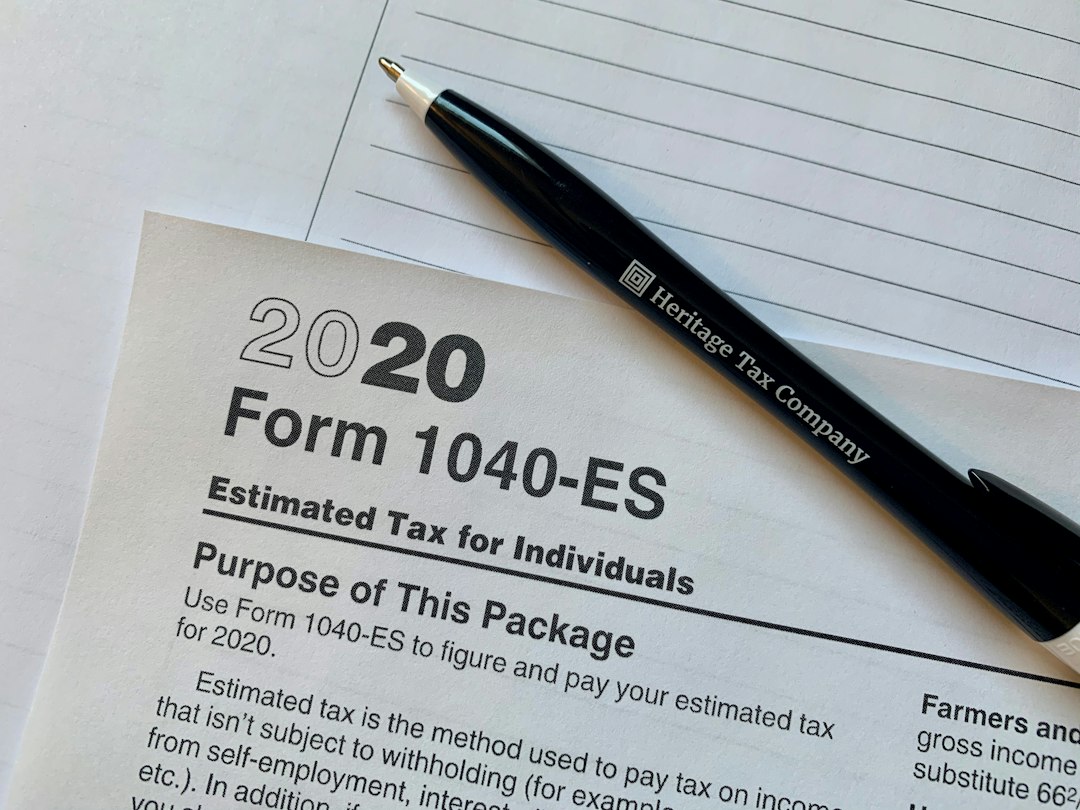
The IRS provides specific forms and worksheets to help you calculate your estimated tax liability. The most important of these is Form 1040-ES, Estimated Tax for Individuals. This form includes a worksheet that guides you through the process of projecting your income, deductions, and credits to arrive at your estimated tax for the year. It also helps you determine the amount of each quarterly payment. While the worksheet can seem a bit complex, it’s designed to be comprehensive. Don’t hesitate to use it as your primary tool. You can find Form 1040-ES and its accompanying worksheet on the IRS website, www.irs.gov.
Making Your Estimated Tax Payments
Once you’ve calculated your estimated tax liability, the next crucial step is to make the payments. The IRS offers several convenient methods for submitting these payments, ensuring you can choose the one that best suits your preferences and technological comfort level. Making timely payments is essential to avoid penalties, so understanding these options is vital.
Understanding the Payment Due Dates
Estimated taxes are paid in four installments throughout the year. These are not necessarily spread evenly across the calendar year. The due dates are as follows:
- Payment 1: April 15th (for income earned January 1st to March 31st)
- Payment 2: June 15th (for income earned April 1st to May 31st)
- Payment 3: September 15th (for income earned June 1st to August 31st)
- Payment 4: January 15th of the following year (for income earned September 1st to December 31st)
It’s important to note that if a due date falls on a weekend or holiday, the deadline is pushed to the next business day. Keeping these dates in mind will help you stay organized and avoid missing a payment.
Choosing Your Payment Method
The IRS provides several convenient ways to pay your estimated taxes. You can choose the method that is most comfortable and efficient for you.
Paying Online Through IRS Direct Pay
IRS Direct Pay is a free, secure, and popular option for making electronic payments directly from your bank account (checking or savings). You can schedule payments in advance, and it provides immediate confirmation. You can access IRS Direct Pay through the IRS website. This is often the fastest and most convenient method for many retirees.
Using the Electronic Federal Tax Payment System (EFTPS)
EFTPS is another free, secure, and reliable electronic payment system. It allows you to make tax payments for various types of federal taxes, including estimated taxes. You can make one-time payments or schedule recurring payments. Enrollment is required, and it can take a few days to get your login credentials, so it’s best to set this up in advance if you plan to use it.
Mailing a Check or Money Order
If you prefer to pay by mail, you can send a check or money order made payable to the U.S. Treasury. You’ll need to include the payment voucher from Form 1040-ES with your payment. Be sure to mail your payment well in advance of the due date to ensure it’s received on time. You can find the mailing address on the instructions for Form 1040-ES.
Paying by Phone or with a Debit/Credit Card
The IRS also offers options to pay by phone or by using a debit or credit card through third-party payment processors. While these methods are convenient, they typically involve processing fees. You can find more information about these payment options on the IRS website.
Adjusting Your Estimated Payments Throughout the Year
Your financial situation in retirement isn’t always static. You might experience unexpected income events, or your expenses could change. Therefore, it’s crucial to understand that your estimated tax liability is not set in stone. Periodically reviewing your income and expenses and adjusting your payments accordingly is a wise practice to ensure you’re not overpaying or underpaying.
When to Re-evaluate Your Estimated Tax Calculations
You should re-evaluate your estimated tax calculations if there are significant changes in your income or expenses. For example, if you receive a large, unexpected inheritance that you plan to invest, this will increase your projected income and potentially your tax liability. Conversely, if you have a major medical event that results in substantial deductible medical expenses, your taxable income may decrease. Similarly, if you sell a significant investment and realize a large capital gain, you’ll need to adjust your payments. Major life events, such as a change in marital status, can also impact your tax situation and necessitate a review of your estimated taxes.
How to Adjust Your Payments
If you find that your initial estimate is too high or too low, you can adjust your subsequent payments. If you’ve overestimated, you can simply reduce the amount of your remaining quarterly payments. If you’ve underestimated, you’ll need to increase your remaining payments to catch up. You can use the Form 1040-ES worksheet again to recalculate your estimated tax for the rest of the year based on your updated information. It’s generally best to make up any underpayment as soon as you realize it to minimize potential penalties. The IRS does not penalize you for overpaying your estimated taxes; you’ll receive a refund.
The Impact of Changes in Tax Law
While less common for mid-year adjustments, it’s always prudent to be aware of any significant changes in federal tax laws that might affect your retirement income or tax obligations. Major legislative changes can alter tax rates, deduction eligibility, or the taxability of certain retirement income. If the government enacts substantial tax reform, you may need to revise your estimated tax calculations accordingly for the remainder of the year. Staying informed through reputable financial news sources or consulting with a tax professional can help you anticipate and adapt to such changes.
For retirees navigating their financial landscape, understanding estimated tax payments is crucial to maintaining their financial health. A related article that delves deeper into this topic can be found here, where you can explore various strategies and insights that can help retirees manage their tax obligations effectively. By staying informed, retirees can ensure they are prepared for any potential tax liabilities and make the most of their retirement savings. For more information, check out the article on estimated tax payments for retirees.
Seeking Professional Guidance for Your Estimated Taxes
| Metric | Description | Typical Range | Notes |
|---|---|---|---|
| Estimated Tax Payment Frequency | Number of payments retirees typically make per year | 4 times (quarterly) | Payments due in April, June, September, and January |
| Income Sources Considered | Types of income included in estimated tax calculations | Social Security, pensions, IRA distributions, investment income | Social Security may be partially taxable depending on total income |
| Safe Harbor Rule | Amount of tax paid to avoid penalties | 100% of prior year tax or 90% of current year tax | Varies if adjusted gross income exceeds certain thresholds |
| Penalty Threshold | Minimum underpayment amount that triggers penalty | Less than 1,000 in underpayment | Underpayments below this amount typically avoid penalties |
| Estimated Tax Payment Calculation | Method to calculate estimated payments | Taxable income x tax rate – withholding | Retirees often adjust for withholding from pensions or IRA |
Navigating the complexities of tax regulations can be daunting, especially as you transition into and manage your retirement. While you can certainly manage estimated tax payments on your own, there are many benefits to seeking professional guidance. A qualified tax professional can provide personalized advice, ensure accuracy, and help you optimize your tax strategy.
When to Consider Consulting a Tax Professional
If you have a complex financial situation, with multiple income streams, significant investments, or are unsure about any aspect of estimated tax payments, consulting a tax professional is highly recommended. This includes situations where you have substantial capital gains, rental properties with complex deductions, or are receiving distributions from various types of retirement accounts. If you’ve received an IRS notice related to estimated taxes or feel overwhelmed by the process, a professional can offer clarity and peace of mind. Even if your situation seems straightforward, a tax professional can help you identify potential tax-saving opportunities you might have missed.
Benefits of Working with a Tax Advisor
A tax advisor, such as a Certified Public Accountant (CPA) or an Enrolled Agent (EA), can offer several advantages. They possess up-to-date knowledge of tax laws and can accurately calculate your estimated tax liability, minimizing the risk of underpayment penalties. They can help you identify all eligible deductions and credits, potentially reducing your tax burden. Furthermore, they can assist in developing a tax strategy that aligns with your retirement goals, such as managing the tax implications of Social Security benefits, IRA withdrawals, and investment sales. They can also help you navigate the complexities of tax planning and ensure you’re meeting all your tax obligations efficiently.
Questions to Ask Your Tax Professional
When you meet with a tax professional, come prepared with specific questions to ensure you get the most out of the consultation. Some key questions to consider include:
- “Based on my current income and expenses, what is my estimated tax liability for 2024?”
- “Are there any deductions or credits I might be eligible for that I’m currently overlooking?”
- “What is the safest way for me to avoid underpayment penalties?”
- “How should I adjust my estimated tax payments if my income or expenses change significantly?”
- “What are the tax implications of my planned withdrawals from my retirement accounts?”
- “Can you help me develop a long-term tax strategy for my retirement?”
By asking these questions and being transparent about your financial situation, you can empower yourself to make informed decisions about your estimated tax payments and enjoy a more financially secure retirement.

Your 401(k) Withdrawal Can Make More of Your Social Security Taxable
FAQs
1. What are estimated tax payments for retirees?
Estimated tax payments for retirees are quarterly payments made to the IRS to cover income tax liabilities on income that is not subject to withholding, such as retirement account distributions, investment income, or self-employment income.
2. Who is required to make estimated tax payments as a retiree?
Retirees who expect to owe $1,000 or more in taxes after withholding and credits, and who do not have enough taxes withheld from their income, are generally required to make estimated tax payments to avoid penalties.
3. How are estimated tax payments calculated for retirees?
Retirees can calculate their estimated tax payments by estimating their total annual income subject to tax, subtracting any withholding or credits, and then dividing the remaining tax liability by four to determine the quarterly payment amount.
4. When are the due dates for estimated tax payments for retirees?
Estimated tax payments for retirees are typically due on April 15th, June 15th, September 15th, and January 15th of the following year. If the due date falls on a weekend or holiday, the payment is due on the next business day.
5. What happens if retirees fail to make estimated tax payments?
If retirees fail to make the required estimated tax payments, they may be subject to penalties and interest on the underpaid amount. It is important for retirees to stay current on their estimated tax payments to avoid these additional costs.