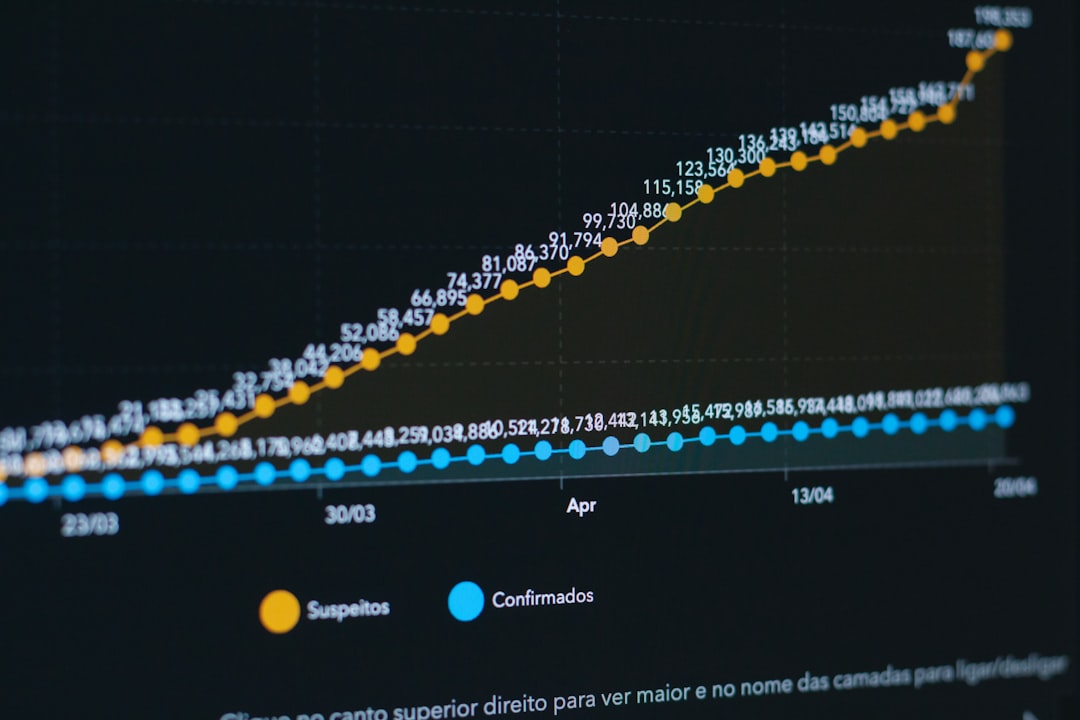
You’re familiar with it, the creeping unease. The numbers on your bills are higher than they were last year, and the year before that. Your paycheck, while it might have seen a nominal increase, feels like it’s not stretching as far. This is the consumer price index (CPI) trap, a gradual erosion of your purchasing power that can subtly sabotage your long-term financial goals. It’s not a sudden crisis, but a persistent drag that, left unaddressed, can leave you feeling perpetually behind, chasing your tail as prices outpace your income. Understanding this insidious phenomenon is the first step towards reclaiming your financial agency.
Understanding the Inflationary Headwind
The CPI, in essence, is a measure of the average change over time in the prices paid by urban consumers for a market basket of consumer goods and services. When the CPI rises, it means that, on average, the cost of living is increasing. This affects you directly. That cup of coffee you buy every morning, the groceries on your table, the gas in your car – all of it feels the pinch. While inflation is a natural part of a growing economy, unchecked or excessive inflation can be detrimental, especially if your income isn’t keeping pace.
The Stealthy Nature of Price Increases
The problem with CPI increases is their often-incremental nature. A few cents here, a dollar there. It’s rarely a single, dramatic jump that shocks you into action. Instead, it’s a slow, steady climb that, over time, significantly alters your spending landscape. You might adjust your everyday habits, perhaps cutting back on discretionary purchases, without fully realizing the systemic cause. This gradual adjustment can mask the true impact of inflation on your ability to save and invest.
Why Your Savings Feel Less Valuable
You’ve worked hard to accumulate savings, a buffer against unexpected expenses and a foundation for future dreams. However, inflation acts like a slow leak in that foundation. If your savings are held in accounts that yield a return lower than the rate of inflation, your money is actually losing purchasing power. The dollars you’ve set aside today will buy less tomorrow. This realization can be deeply demotivating, making you question the efficacy of your saving efforts.
If you’re looking for strategies to escape the consumer price index trap, you might find it helpful to read a related article that delves into effective investment strategies and financial planning. This article provides insights on how to protect your wealth from inflation and rising living costs. For more information, you can check out this resource: How Wealth Grows.
Rethinking Your Income Strategy
Tackling the CPI trap requires more than just cutting expenses. It necessitates a proactive approach to enhancing your income. Simply accepting a static income in the face of rising costs is a recipe for financial stagnation. You need to explore avenues that allow your earnings to grow, ideally at a rate that outpaces inflation.
The Power of High-Demand Skills
In today’s dynamic job market, certain skills are consistently in demand and command higher remuneration. Identifying these skills and investing in their development can significantly boost your earning potential. This could involve acquiring certifications, pursuing further education, or simply staying abreast of industry trends that lead to new opportunities.
Upskilling and Reskilling for the Future
The landscape of work is constantly evolving. Industries that were once dominant may be superseded by new technologies and methodologies. Your focus should be on acquiring skills that are future-proof or in sectors experiencing robust growth. This might mean learning to code, delving into data analytics, or mastering digital marketing techniques. The investment in acquiring these abilities will likely yield returns far exceeding the cost.
Leveraging Your Existing Expertise
You possess a unique set of skills and experiences. It’s essential to identify how you can leverage these to generate additional income. This could involve freelancing in your current field, offering consulting services, or even building a small business around your expertise. The beauty of this approach is that the learning curve is less steep, and you can often begin earning sooner.
The Gig Economy as a Supplement
The rise of the gig economy has created numerous opportunities for individuals to monetize their skills outside of traditional employment. Platforms connect freelancers with clients for a wide range of projects, from writing and graphic design to virtual assistance and tutoring. This can be an excellent way to supplement your primary income, gain new experiences, and build a diverse financial portfolio.
Negotiating for Higher Compensation
Often, individuals accept their initial salary offers without question and remain in the same pay bracket for years. This passive approach to compensation is a direct surrender to the CPI trap. You must become an advocate for your own financial worth.
Mastering Salary Negotiation Tactics
Negotiating your salary effectively requires preparation and confidence. Research average salaries for your role and experience level in your geographic area. Clearly articulate your value to the company, highlighting your accomplishments and contributions. Be prepared to present a compelling case for why you deserve a higher salary.
Strategic Investment for Growth
Simply hoarding your money is an invitation to inflation’s erosion. To effectively escape the CPI trap, you must put your money to work, allowing it to grow at a rate that not only keeps pace with inflation but surpasses it. This means embracing strategic investment.
Diversification as a Cornerstone
A well-diversified investment portfolio is crucial for mitigating risk and maximizing potential returns. Spreading your investments across different asset classes – stocks, bonds, real estate, and even alternative investments – can help cushion the impact of downturns in any single sector.
Understanding Different Asset Classes
Each asset class has its own risk and reward profile. Stocks, for instance, offer the potential for high growth but also come with higher volatility. Bonds, while generally considered safer, typically offer lower returns. Real estate can provide rental income and capital appreciation, but requires significant upfront capital and ongoing management. A balanced approach considers your risk tolerance and financial goals.
Exploring Growth-Oriented Investments
While some investments are designed for stability and income generation, others are geared towards capital appreciation. Identifying and investing in companies or sectors with strong growth potential can be a powerful tool in your fight against inflation.
The Role of Equities in a Growth Portfolio
Stocks represent ownership in companies. When those companies grow and become more profitable, the value of their stock tends to increase. Investing in a diversified portfolio of stocks, particularly those in innovative and expanding industries, can provide a significant hedge against inflation over the long term.
Real Estate as an Inflation Hedge
Real estate has historically been a reliable inflation hedge. Properties generally appreciate in value over time, and rental income can also increase to keep pace with rising costs. While it requires a substantial initial investment, real estate can be a valuable component of a diversified portfolio.
Understanding Rental Property Returns
If you’re considering rental properties, carefully assess potential locations, property management costs, and expected rental yields. Factors such as property taxes, insurance, and maintenance expenses need to be factored into your calculations to ensure a net positive return that outpaces inflation.
Prudent Debt Management
Debt can be a double-edged sword. While some debt can be strategic, unmanaged or high-interest debt can exacerbate the effects of inflation and hinder your financial progress. Escaping the CPI trap involves a disciplined approach to your borrowing.
Prioritizing High-Interest Debt Reduction
Credit card debt, payday loans, and other forms of high-interest debt are particularly damaging in an inflationary environment. The interest rates on these debts can quickly outstrip any gains you might make on your investments, effectively pushing you further into the trap.
Creating a Debt Payoff Strategy
Develop a clear plan for systematically eliminating your high-interest debt. This might involve the “debt snowball” method, where you pay off your smallest debts first, or the “debt avalanche” method, where you tackle the highest-interest debts first for maximum interest savings.
Understanding the Value of Low-Interest Debt
Not all debt is created equal. Strategic use of low-interest debt, such as a mortgage on a property that is appreciating or a loan for education that significantly increases your earning potential, can sometimes be beneficial, especially when the interest rate is below the rate of inflation.
The Strategic Use of Leverage
Leverage, when used wisely, can amplify your returns. However, it also amplifies your risk. It’s crucial to understand the terms of any loan and ensure that the potential returns on your investment significantly outweigh the cost of borrowing.
Many individuals find themselves caught in the consumer price index trap, struggling to maintain their purchasing power as inflation rises. To navigate this challenge effectively, it’s essential to explore strategies that can help safeguard your finances. A related article that offers valuable insights on this topic can be found at How Wealth Grows, where you can discover practical tips and approaches to enhance your financial resilience in an inflationary environment. By understanding these strategies, you can take proactive steps to escape the pitfalls of the consumer price index and secure a more stable financial future.
Cultivating a Mindset of Financial Resilience
Beyond specific strategies, developing a resilient financial mindset is critical for long-term success. This involves a commitment to continuous learning, disciplined behavior, and a long-term perspective.
Continuous Financial Education
The financial world is not static. Staying informed about economic trends, investment opportunities, and new financial tools is essential. Make a conscious effort to educate yourself regularly.
Staying Informed About Economic Indicators
Understanding how inflation is measured, what factors influence interest rates, and broader economic trends can empower you to make more informed financial decisions. Read reputable financial news and analyses.
Building an Emergency Fund
A robust emergency fund is your first line of defense against unforeseen circumstances. It prevents you from having to dip into your investments or take on high-interest debt when unexpected expenses arise, thereby protecting your long-term financial plan.
The Importance of a Sufficient Safety Net
Aim to have at least three to six months of living expenses saved in an easily accessible account. This fund provides peace of mind and allows you to weather unexpected job loss, medical emergencies, or significant home repairs without derailing your progress.
Practicing Delayed Gratification
In a culture that often encourages instant gratification, consciously practicing delayed gratification is a powerful tool for financial freedom. This means foregoing immediate wants for greater long-term rewards.
The Long-Term Benefits of Patience
Resisting the urge for immediate purchases and instead allocating those funds towards savings and investments will compound over time, leading to significantly greater wealth accumulation than if you had succumbed to short-term desires. Your financial future will thank you for your patience.
FAQs
What is the Consumer Price Index (CPI) trap?
The Consumer Price Index (CPI) trap refers to the situation where individuals or households experience a decrease in their purchasing power due to inflation, which causes the prices of goods and services to rise faster than their income.
How does the CPI trap affect consumers?
The CPI trap affects consumers by reducing their ability to afford the same quantity of goods and services with their income, leading to a decrease in their standard of living and financial well-being.
What are some strategies to escape the CPI trap?
Some strategies to escape the CPI trap include investing in assets that have the potential to outpace inflation, seeking higher-paying job opportunities, reducing expenses, and diversifying sources of income.
How does the CPI trap impact the economy?
The CPI trap can impact the economy by reducing consumer spending, which can lead to decreased demand for goods and services, potentially slowing down economic growth and affecting businesses and employment.
What role does the government play in addressing the CPI trap?
The government can address the CPI trap by implementing policies to control inflation, providing financial assistance to low-income individuals and families, and promoting economic growth and stability through monetary and fiscal measures.