You stand at the precipice of a rapidly shifting economic landscape, a terrain where the foundations of wealth creation and preservation are being reshaped by forces you can no longer afford to ignore. The traditional pillars of wealth – steady employment, predictable market growth, and a clear path to retirement – are being challenged by a dynamism that demands your immediate attention and adaptation. This article is your guide, illuminating the emerging economic trends that are fundamentally impacting what wealth means and how you can not only protect it but actively grow it in this new era.
You’ve likely felt the tremors of this shift. The static, one-size-fits-all career path is becoming a relic. The way you earn your living and, consequently, how you accumulate wealth, is undergoing a profound transformation. This isn’t just about job titles; it’s about the very nature of work and its relationship to income and wealth-building.
The Rise of the Gig Economy and Portfolio Careers
Gone are the days when loyalty to a single employer for decades was the norm. You’re increasingly recognizing the appeal and, in many cases, the necessity of the gig economy. This isn’t just about freelance coding or graphic design. From consulting and specialized trades to creative endeavors and even short-term project management, the gig economy offers unparalleled flexibility.
However, this flexibility comes with its own set of challenges for wealth accumulation. Unlike traditional employment with its predictable salary, benefits, and retirement plans, the gig economy demands a more proactive approach to financial planning. Your income stream might be more variable, requiring you to become a skilled budgeter and saver. You’ll need to be adept at managing fluctuating income, setting aside funds for taxes, insurance, and crucially, for your long-term financial goals like retirement.
Furthermore, you’re likely building a portfolio of skills and experiences rather than a linear career progression. This means actively investing in your own professional development, staying ahead of industry trends, and strategically marketing your diverse skillset. Your “employment” might be a mosaic of projects, clients, and even complementary income streams. Understanding how to monetize these diverse engagements and channel the earnings effectively into wealth growth is paramount. This might involve establishing separate savings vehicles for different income sources, or creating a robust financial buffer to smooth out income volatility.
The Growing Importance of Skills over Credentials
While formal education remains valuable, you’re witnessing a tangible shift towards valuing demonstrable skills, often acquired through alternative learning pathways, over traditional degrees alone. Bootcamps, online certifications, and project-based learning are producing highly sought-after professionals.
For your wealth, this translates to a continuous need for upskilling and reskilling. Your earning potential and future economic security are increasingly tied to your ability to adapt and acquire new competencies. This means viewing education not as a one-time event, but as an ongoing investment in yourself. When it comes to your finances, this translates into allocating a portion of your income towards professional development, ensuring your skills remain valuable in a rapidly evolving job market. Ignoring this trend could lead to a devaluation of your human capital, impacting your earning capacity and, by extension, your ability to generate wealth. The long-term strategy involves identifying skills in high demand and proactively acquiring them, potentially opening up new income streams or enhancing your value in your current role.
In recent discussions about economic trends affecting wealth, it’s essential to consider the insights provided in the article found at How Wealth Grows. This article delves into the various factors influencing wealth accumulation, such as market fluctuations, investment strategies, and the impact of inflation. By understanding these dynamics, individuals can better navigate their financial futures and make informed decisions that align with their long-term wealth-building goals.
Shifting Investment Paradigms: Beyond Traditional Assets
The way you’ve historically approached investments is no longer a guaranteed path to wealth growth. You’re navigating a landscape where traditional asset classes are facing new pressures, and novel investment opportunities are emerging from the digital ether.
The Tech Revolution and Digital Assets
You’ve seen it everywhere – the pervasive influence of technology. This isn’t just transforming how you live and work, but also how you can invest. The rise of cryptocurrencies and decentralized finance (DeFi) represents a radical departure from traditional financial systems. While volatile, these digital assets offer potential for significant returns, but also carry inherent risks.
For your wealth, this means understanding the fundamentals of this new asset class. It requires diligent research, a keen understanding of risk management, and a willingness to embrace new financial paradigms. You need to educate yourself on blockchain technology, the specific use cases of different cryptocurrencies, and the regulatory landscape surrounding them. Diversification is key here, and for many, digital assets represent a small, albeit potentially high-growth, portion of their overall investment portfolio. The challenge is to approach this with informed caution, rather than speculative fervor. You might consider allocating a percentage of your investment capital based on your risk tolerance and your commitment to understanding the underlying technology.
Beyond cryptocurrencies, the tech revolution is also reshaping traditional markets. Think about companies at the forefront of AI, biotechnology, renewable energy, and space exploration. Investing in these sectors, whether directly or through diversified funds, can offer significant growth potential. However, it requires you to understand the disruptive forces at play and the long-term viability of these technologies. You’ll need to conduct thorough due diligence, looking beyond the hype to assess the underlying business models and competitive advantages. This might involve investing in specialized ETFs or actively researching individual stock performance.
The Growing Appeal of Alternative Investments
You’re also noticing a wider array of investment options beyond stocks and bonds. Alternative investments, once the domain of institutional investors, are becoming more accessible to individuals like you. These can include real estate crowdfunding, peer-to-peer lending, private equity, and venture capital.
These avenues can offer the potential for higher returns and diversification, but often come with lower liquidity and higher risk. You’ll need to thoroughly understand the terms and conditions of any alternative investment. This might involve consulting with financial advisors who specialize in these areas. For example, real estate crowdfunding platforms allow you to invest in properties with smaller amounts of capital, but you need to understand the platform’s track record, the property’s potential, and the associated fees. Similarly, peer-to-peer lending involves understanding the creditworthiness of borrowers and the risk of default. Your approach should be one of informed diversification, allocating a portion of your wealth to these avenues that align with your risk appetite and financial goals, after careful due diligence.
The Inflationary Environment and Its Wealth Implications

You’re currently living through an economic period marked by rising prices. Inflation isn’t a new concept, but its persistent presence has significant implications for the purchasing power of your wealth and your ability to grow it over time.
Preserving Purchasing Power: The Battle Against Eroding Value
Inflation is essentially the silent thief of your wealth. If your money isn’t growing at a rate faster than inflation, its real value is diminishing. You feel this when your grocery bills increase, your fuel costs rise, and the cost of everyday goods and services climbs.
For your investments, this means you can’t afford to be passive. Simply holding cash or low-interest savings accounts will lead to a gradual erosion of your wealth’s purchasing power. You need to actively seek investments that have the potential to outpace inflation. This often leads to a renewed focus on growth-oriented assets, such as equities, real estate, and perhaps inflation-protected securities. Understanding the historical performance of different asset classes during inflationary periods is crucial in guiding your investment decisions. You might consider increasing your exposure to assets that have historically demonstrated resilience in inflationary environments, or even exploring commodities as a potential hedge against rising prices, albeit with careful consideration of their inherent volatility.
The Impact on Debt and Savings
Inflation also impacts debt and savings in contrasting ways. For you, as a borrower, rising inflation can make your existing fixed-rate debt become less burdensome over time, as you repay it with money that’s worth less in real terms. However, for lenders, this erosion of value is detrimental.
For your savings, inflation is a clear adversary. The interest you earn on your savings accounts will likely lag behind the rate of price increases, meaning your savings are losing ground. This reinforces the need to move beyond basic savings and explore investment avenues that offer higher potential returns. You might consider optimizing your debt management strategy, prioritizing paying down high-interest variable debt while perhaps leveraging your existing fixed-rate debt if circumstances allow. Simultaneously, you need to be aggressive in seeking investment opportunities that not only generate returns but actively preserve and grow the real value of your capital. Your savings are no longer just a safety net; they are a crucial engine for wealth growth and must be deployed strategically to combat the erosive effects of inflation.
The Global Shift and Geopolitical Uncertainties
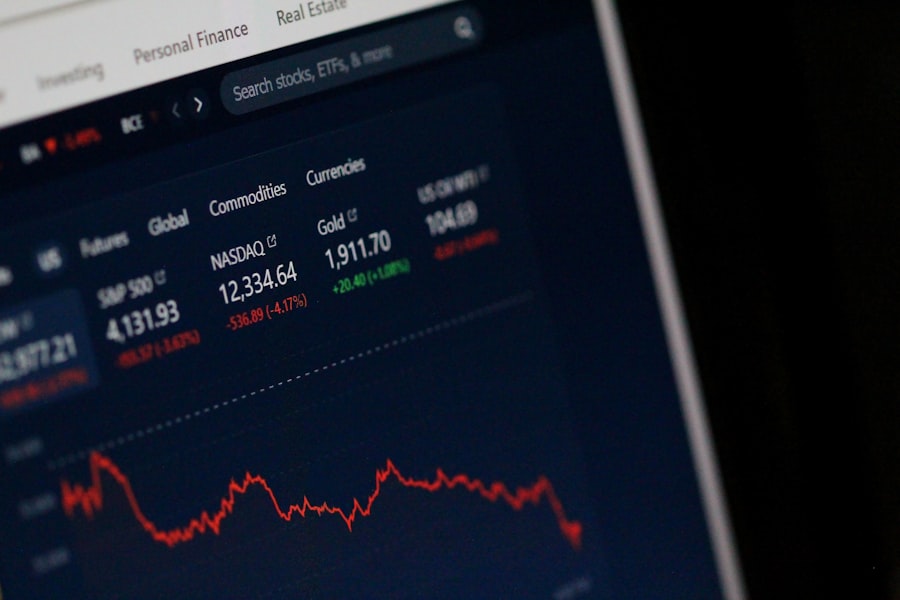
You cannot isolate your financial well-being from the broader global stage. Geopolitical shifts, trade disputes, and international conflicts are creating ripple effects that directly impact your wealth.
Supply Chain Disruptions and Their Economic Fallout
You’ve witnessed firsthand how disruptions to global supply chains can impact the availability and cost of goods and services. This has a direct bearing on inflation and the profitability of companies you might be invested in.
This trend necessitates a more nuanced understanding of your investments. You need to consider the resilience of companies to supply chain shocks. Does a company rely heavily on a single source for critical components? Is it geographically diversified in its production and distribution? For your wealth, this means diversifying your investment portfolio not just across asset classes, but also across industries and geographies that are less susceptible to these disruptions. You might also consider investing in companies that are actively working to build more resilient and diversified supply chains, or those that are well-positioned to benefit from localized production or near-shoring trends. Understanding these vulnerabilities can help you make more informed decisions about where your money is working best.
The Rise of Economic Nationalism and Trade Wars
The increasing trend towards economic nationalism and the imposition of trade barriers can create volatility in global markets. This can impact the profitability of multinational corporations and alter the landscape of international trade, affecting various sectors of the economy.
For your wealth, this means being aware of how geopolitical tensions and trade policies can influence your investments. You might need to adjust your exposure to certain countries or industries that are particularly vulnerable to these shifts. Diversification across different economic blocs and regions becomes even more critical. Furthermore, you should stay informed about political developments and their potential economic consequences. This might involve seeking out investment opportunities in companies and sectors that are less exposed to international trade disputes or that are poised to benefit from domestic economic growth initiatives. Your financial strategy must be adaptable to these evolving geopolitical realities, ensuring your wealth is not unduly exposed to the fallout of trade wars or nationalistic policies.
In recent years, various economic trends have significantly impacted wealth distribution across different demographics, leading to a growing conversation about financial equity. A related article discusses these trends in detail, highlighting how shifts in the job market and inflation rates are reshaping the financial landscape. For those interested in exploring this topic further, you can read more about it in this insightful piece on wealth dynamics at How Wealth Grows. Understanding these factors is crucial for anyone looking to navigate the complexities of modern finance.
Thematic Investing and Sustainability: Aligning Values with Returns
| Metrics | Data |
|---|---|
| GDP Growth Rate | 3.2% |
| Unemployment Rate | 5.5% |
| Inflation Rate | 2.3% |
| Income Inequality Index | 0.45 |
You’re no longer solely focused on maximizing returns at any cost. A growing segment of individuals like you are looking to align their investments with their personal values, leading to the rise of thematic and sustainable investing.
The ESG Revolution: Investing with a Conscience
Environmental, Social, and Governance (ESG) investing is no longer a niche concept; it’s becoming mainstream. You’re increasingly looking for companies that demonstrate strong ethical practices, social responsibility, and a commitment to environmental sustainability.
For your wealth, this means understanding that ESG factors can not only align with your values but also contribute to long-term financial performance. Companies with strong ESG profiles often exhibit better risk management, stronger brand reputation, and greater innovation potential. You can research ESG funds, exchange-traded funds (ETFs), and individual companies that prioritize these factors. This might involve investing in renewable energy companies, businesses with fair labor practices, or organizations that actively work to reduce their environmental impact. The challenge is to conduct thorough due diligence, ensuring that any ESG investment is not just a marketing ploy but a genuine commitment to these principles, and that it offers competitive financial returns. This involves looking beyond superficial claims and examining the tangible impacts and accountability of companies.
Thematic Investing: Capitalizing on Future Trends
Beyond ESG, you’re also embracing thematic investing, which focuses on specific trends or sectors that are expected to experience significant growth. This could include areas like artificial intelligence, cybersecurity, clean water, or the aging population.
This approach allows you to capitalize on long-term societal and technological shifts. It requires you to identify these emerging trends, understand their potential impact, and invest in companies or funds that are well-positioned to benefit from them. For example, if you believe that the demand for clean energy will continue to rise, you might invest in companies involved in solar power, wind energy, or energy storage technologies. The key is to conduct thorough research and to have a long-term perspective, as thematic investments can take time to mature. You’ll need to be attuned to the broader economic and social forces shaping the future, and strategically allocate your wealth to capitalize on these evolving landscapes. This might involve investing in specialized ETFs that track specific themes or directly investing in companies at the forefront of these transformative industries.
In conclusion, the economic landscape you inhabit is in constant flux. The trends discussed here – the re-evaluation of work, the evolution of investment paradigms, the persistent threat of inflation, the interconnectedness of global economies, and the rise of value-aligned investing – are not isolated phenomena. They are interconnected forces that are reshaping the very definition of wealth and the strategies you must employ to build and preserve it. By understanding these emerging trends and proactively adapting your approach, you can navigate this dynamic environment with confidence, safeguarding your current assets and strategically positioning yourself for future prosperity. Your wealth is not static; it is a living entity that requires informed stewardship and strategic cultivation in the face of these evolving economic realities.

The Rules Changed. Your Financial Advice Didn’t.
FAQs
What are some current economic trends affecting wealth?
Some current economic trends affecting wealth include income inequality, rising housing costs, increasing healthcare expenses, and the impact of automation on job opportunities.
How does income inequality impact wealth?
Income inequality can impact wealth by creating a wider gap between the rich and the poor, making it more difficult for lower-income individuals to accumulate wealth and assets.
What role do rising housing costs play in wealth accumulation?
Rising housing costs can make it more challenging for individuals to afford homeownership, leading to a decrease in wealth accumulation and potentially contributing to a cycle of renting and limited asset growth.
How do increasing healthcare expenses affect wealth?
Increasing healthcare expenses can erode wealth through high out-of-pocket costs, medical debt, and the potential for reduced savings and investment opportunities.
What is the impact of automation on job opportunities and wealth?
Automation can lead to job displacement and a shift in the types of available employment, potentially impacting individuals’ ability to earn income and accumulate wealth.