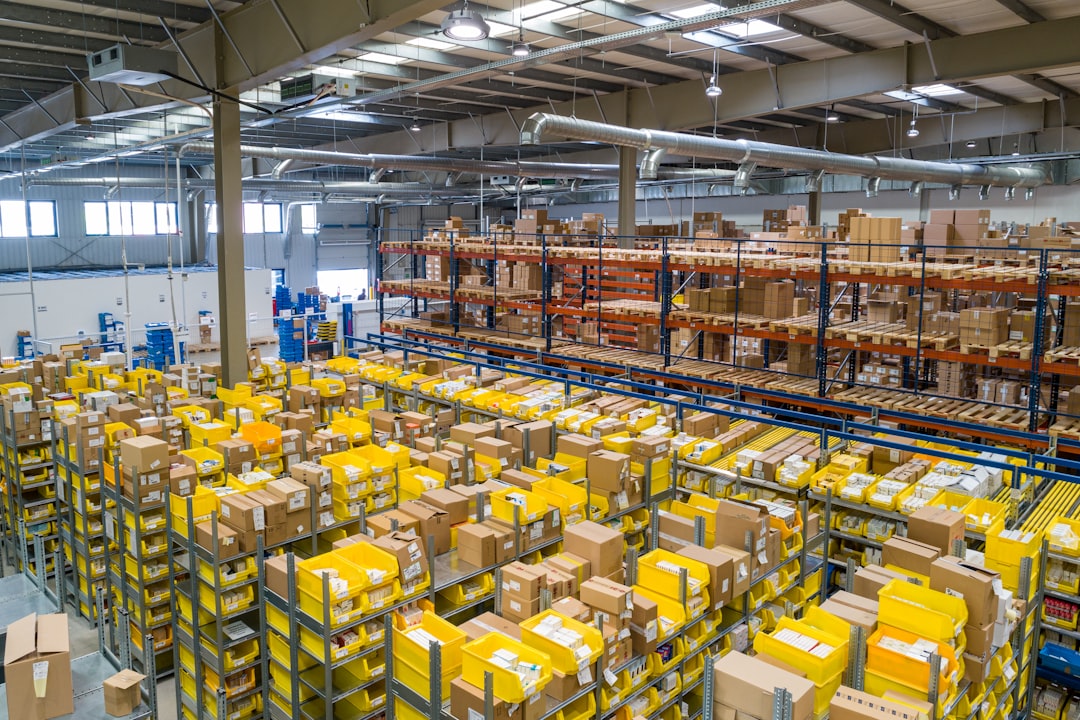
Efficient construction logistics are fundamental to successful project execution in the construction industry. Construction projects involve complex networks of stakeholders, multi-tiered supply chains, and diverse materials and equipment requirements. Effective logistics management enables projects to meet scheduled timelines and budget constraints while maximizing productivity and minimizing waste.
Inadequate logistics management leads to project delays, cost overruns, and quality issues that can compromise overall project success. Construction managers and stakeholders must therefore prioritize logistics planning and execution. Efficient construction logistics also support project sustainability objectives.
Optimized material and resource flows reduce environmental impact through decreased transportation emissions, minimized material waste, and improved resource utilization efficiency. As sustainability becomes increasingly important in construction practices, effective logistics management serves both operational and environmental goals. Construction logistics management represents a critical component of successful project delivery and sustainable construction practices.
Key Takeaways
- Efficient construction logistics, including well-managed staging yards, are crucial for project success and cost control.
- Proper location and organization of staging yards enhance material handling and reduce delays.
- Technology integration improves staging yard operations, inventory management, and safety protocols.
- Staging yards support just-in-time delivery, minimizing onsite storage needs and waste.
- Environmental sustainability and future trends are shaping the evolution of staging yard practices in construction.
What Are Staging Yards and How Do They Contribute to Success?
Staging yards are designated areas where materials, equipment, and supplies are organized and stored before being transported to the construction site. These yards serve as critical hubs in the construction logistics chain, facilitating the smooth flow of resources and ensuring that everything needed for a project is readily available when required. By centralizing materials in staging yards, construction teams can streamline operations, reduce transportation times, and enhance overall efficiency.
The contribution of staging yards to project success is multifaceted. First and foremost, they help mitigate delays caused by material shortages or mismanagement. When materials are pre-staged at a nearby location, construction teams can quickly access what they need without wasting time searching for supplies or waiting for deliveries.
Additionally, staging yards allow for better inventory management, enabling project managers to track materials more effectively and ensure that they are used efficiently. This proactive approach not only saves time but also reduces costs associated with last-minute orders or emergency deliveries.
Selecting the Right Location for Staging Yards

Choosing the right location for staging yards is crucial for maximizing their effectiveness. Several factors must be considered when determining the ideal site, including proximity to the construction site, accessibility for delivery vehicles, and available space for storage. A staging yard located too far from the construction site can lead to increased transportation times and costs, negating the benefits of having a centralized storage area.
Therefore, finding a balance between accessibility and distance is essential. In addition to proximity, the characteristics of the site itself play a significant role in its suitability as a staging yard. The terrain should be stable enough to support heavy equipment and materials, while also providing adequate space for organizing supplies efficiently.
Furthermore, local regulations and zoning laws must be taken into account to ensure compliance with legal requirements. By carefully evaluating these factors, construction managers can select staging yard locations that enhance operational efficiency and contribute to the overall success of their projects.
Organizing Staging Yards for Maximum Efficiency
Once a staging yard has been established, organizing it effectively is paramount for maximizing efficiency. A well-organized staging yard allows for quick access to materials and equipment, reducing downtime and streamlining operations. One effective strategy is to categorize materials based on their type or usage frequency.
For instance, frequently used items should be placed closer to the exit for easy access, while less commonly used materials can be stored further back in the yard.
Labels should indicate not only the type of material but also its quantity and any specific handling instructions.
This clarity helps workers quickly locate what they need without confusion or delay. Furthermore, regular audits of inventory levels can ensure that materials are replenished as needed, preventing shortages that could disrupt construction timelines. By prioritizing organization within staging yards, construction teams can create an environment that fosters efficiency and productivity.
Utilizing Technology to Streamline Staging Yard Operations
| Metric | Description | Typical Value / Range | Unit |
|---|---|---|---|
| Yard Size | Total area allocated for staging yard | 5,000 – 50,000 | Square meters |
| Storage Capacity | Maximum volume of materials stored | 1,000 – 10,000 | Cubic meters |
| Number of Loading Docks | Number of docks for loading/unloading materials | 2 – 10 | Count |
| Average Turnaround Time | Time taken for vehicles to load/unload and exit yard | 15 – 45 | Minutes |
| Material Handling Equipment | Types of equipment used (e.g., forklifts, cranes) | Forklifts, Cranes, Pallet Jacks | List |
| Security Measures | Security protocols implemented in yard | Fencing, CCTV, Access Control | List |
| Number of Staff | Personnel managing yard operations | 5 – 20 | Count |
| Operating Hours | Hours during which yard is operational | 8 – 24 | Hours per day |
| Distance to Construction Site | Proximity of staging yard to main construction site | 0.5 – 10 | Kilometers |
| Environmental Controls | Measures to control dust, noise, and waste | Water Sprays, Noise Barriers, Waste Bins | List |
In today’s digital age, technology plays an increasingly vital role in streamlining staging yard operations. Various software solutions and tools can enhance inventory management, track materials in real-time, and facilitate communication among team members. For instance, using RFID (Radio Frequency Identification) technology allows construction managers to monitor the movement of materials within the staging yard accurately.
This real-time tracking enables teams to identify potential bottlenecks and address them proactively. Moreover, project management software can integrate staging yard operations with overall project timelines and schedules. By aligning material availability with construction phases, teams can ensure that everything is in place when needed.
Additionally, mobile applications enable workers on-site to access information about inventory levels and material locations instantly. This connectivity fosters collaboration among team members and enhances decision-making processes. Embracing technology in staging yard operations not only improves efficiency but also positions construction companies to adapt to evolving industry demands.
Best Practices for Managing Inventory in Staging Yards

Effective inventory management is essential for maintaining smooth operations within staging yards. One best practice involves implementing a first-in-first-out (FIFO) system for materials that have expiration dates or limited shelf lives. This approach ensures that older materials are used before newer ones, reducing waste and ensuring compliance with safety standards.
Additionally, regular inventory audits should be conducted to assess stock levels accurately and identify any discrepancies. Another critical aspect of inventory management is establishing clear communication channels among team members regarding material usage and availability. Regular meetings or updates can help keep everyone informed about inventory levels and any upcoming deliveries or shortages.
Furthermore, utilizing digital tools for inventory tracking can enhance accuracy and reduce manual errors associated with traditional methods. By adopting these best practices, construction teams can optimize their inventory management processes within staging yards, ultimately contributing to project success.
Implementing Safety Protocols in Staging Yards
Safety is paramount in any construction environment, including staging yards where heavy equipment and materials are stored. Implementing robust safety protocols is essential to protect workers from potential hazards associated with material handling and equipment operation. One fundamental practice involves conducting regular safety training sessions for all personnel working in or around the staging yard.
These sessions should cover topics such as proper lifting techniques, equipment operation guidelines, and emergency response procedures. Additionally, establishing clear signage throughout the staging yard can help reinforce safety protocols. Signs indicating hazardous areas, proper material handling procedures, and personal protective equipment (PPE) requirements serve as constant reminders for workers to prioritize safety.
Regular inspections of equipment and storage areas should also be conducted to identify potential hazards before they escalate into accidents. By fostering a culture of safety within staging yards, construction companies can minimize risks and create a safer working environment for all employees.
The Role of Staging Yards in Just-in-Time Delivery
Staging yards play a crucial role in facilitating just-in-time (JIT) delivery systems within the construction industry. JIT delivery aims to minimize inventory levels by ensuring that materials arrive precisely when needed on-site rather than being stockpiled in advance. This approach reduces storage costs and minimizes waste associated with excess inventory.
Staging yards serve as strategic points where materials can be temporarily stored before being dispatched to the construction site at optimal times. By utilizing staging yards effectively within JIT delivery frameworks, construction teams can enhance their responsiveness to changing project demands. For instance, if unexpected delays occur or project timelines shift, having a nearby staging yard allows teams to adjust their material delivery schedules accordingly without significant disruptions.
This flexibility not only improves overall project efficiency but also fosters better relationships with suppliers who appreciate timely communication regarding material needs.
Environmental Considerations for Staging Yards
As sustainability becomes an increasingly pressing concern within the construction industry, environmental considerations for staging yards cannot be overlooked. Construction companies must strive to minimize their ecological footprint by implementing eco-friendly practices within their staging operations. One approach involves utilizing sustainable materials for storage solutions and infrastructure within the yard itself.
For example, using recycled or repurposed materials for shelving or barriers can significantly reduce waste. Additionally, optimizing transportation routes from staging yards to construction sites can help lower carbon emissions associated with material deliveries. By strategically planning delivery schedules based on traffic patterns or peak hours, companies can minimize fuel consumption while ensuring timely arrivals at job sites.
Furthermore, incorporating green practices such as rainwater harvesting or solar energy utilization within staging yards contributes positively to environmental sustainability efforts in the industry.
Case Studies: Successful Implementation of Staging Yards in Construction Projects
Examining case studies of successful implementation of staging yards provides valuable insights into best practices and strategies that have proven effective in real-world scenarios. One notable example involves a large-scale infrastructure project where a strategically located staging yard significantly reduced transportation times for critical materials such as concrete and steel beams. By pre-staging these items close to the job site, the project team was able to maintain momentum despite unforeseen delays caused by weather conditions.
Another case study highlights how a construction company utilized advanced inventory management software within its staging yard operations to streamline processes further. By integrating real-time tracking capabilities with their existing project management tools, they achieved unprecedented visibility into material availability and usage patterns. This proactive approach allowed them to anticipate shortages before they became critical issues while also optimizing their procurement strategies based on actual demand rather than estimates alone.
Future Trends in Construction Logistics and Staging Yards
As the construction industry continues to evolve, several trends are emerging that will shape the future of logistics and staging yards. One significant trend is the increasing adoption of automation technologies within staging operations. Automated systems for inventory tracking and material handling are becoming more prevalent as companies seek ways to enhance efficiency while reducing labor costs.
Additionally, sustainability will remain at the forefront of industry priorities as environmental regulations become stricter and public awareness grows regarding climate change impacts. Future staging yards may incorporate more green technologies such as electric vehicles for material transport or renewable energy sources for powering operations. In conclusion, efficient construction logistics are essential for successful project execution, with staging yards playing a critical role in this process.
By selecting optimal locations, organizing effectively, leveraging technology, managing inventory wisely, implementing safety protocols, supporting just-in-time delivery systems, considering environmental impacts, learning from case studies, and staying attuned to future trends—construction companies can position themselves for success in an increasingly competitive landscape.
In the realm of construction logistics, staging yards play a crucial role in optimizing the flow of materials and equipment on-site. For a deeper understanding of how effective staging can enhance project efficiency, you can refer to this insightful article on construction logistics. To explore more about this topic, visit howwealthgrows.
com/’>this link.
WATCH THIS! 🚨 I Tracked $50 Billion That Became $127 Billion (Here’s Where It Went)
FAQs
What are construction logistics staging yards?
Construction logistics staging yards are designated areas where materials, equipment, and supplies are stored and organized before being transported to a construction site. They serve as centralized hubs to streamline the delivery and distribution process.
Why are staging yards important in construction logistics?
Staging yards help improve efficiency by reducing on-site congestion, enabling better inventory management, and facilitating timely delivery of materials. This leads to smoother project workflows and can reduce overall construction time and costs.
Where are staging yards typically located?
Staging yards are usually located near the construction site but in areas with sufficient space for storage and vehicle maneuvering. Proximity to major transportation routes is also important to facilitate easy access for delivery trucks.
What types of materials are stored in staging yards?
Staging yards can store a wide range of construction materials including steel, lumber, concrete, piping, machinery, and prefabricated components. The specific materials depend on the nature of the construction project.
How do staging yards contribute to safety on construction sites?
By keeping materials and equipment organized and off the main construction site, staging yards reduce clutter and hazards. This helps minimize accidents and improves overall site safety.
What factors should be considered when planning a staging yard?
Key factors include location accessibility, size and layout, security measures, environmental impact, and the types of materials to be stored. Efficient traffic flow and compliance with local regulations are also important.
Can staging yards be used for multiple projects?
Yes, staging yards can be designed to serve multiple projects, especially in large construction programs. This can optimize resource use and reduce costs by sharing storage and logistics infrastructure.
How do staging yards impact construction project timelines?
By ensuring materials are readily available and deliveries are well-coordinated, staging yards help prevent delays caused by material shortages or logistical issues, thereby supporting timely project completion.
Are there environmental considerations for staging yards?
Yes, staging yards must manage waste, control dust and noise, and prevent soil or water contamination. Proper planning and environmental controls are necessary to minimize the ecological footprint.
What technologies are used in managing construction logistics staging yards?
Technologies such as inventory management software, GPS tracking, automated scheduling systems, and drones for site monitoring are increasingly used to enhance the efficiency and accuracy of staging yard operations.