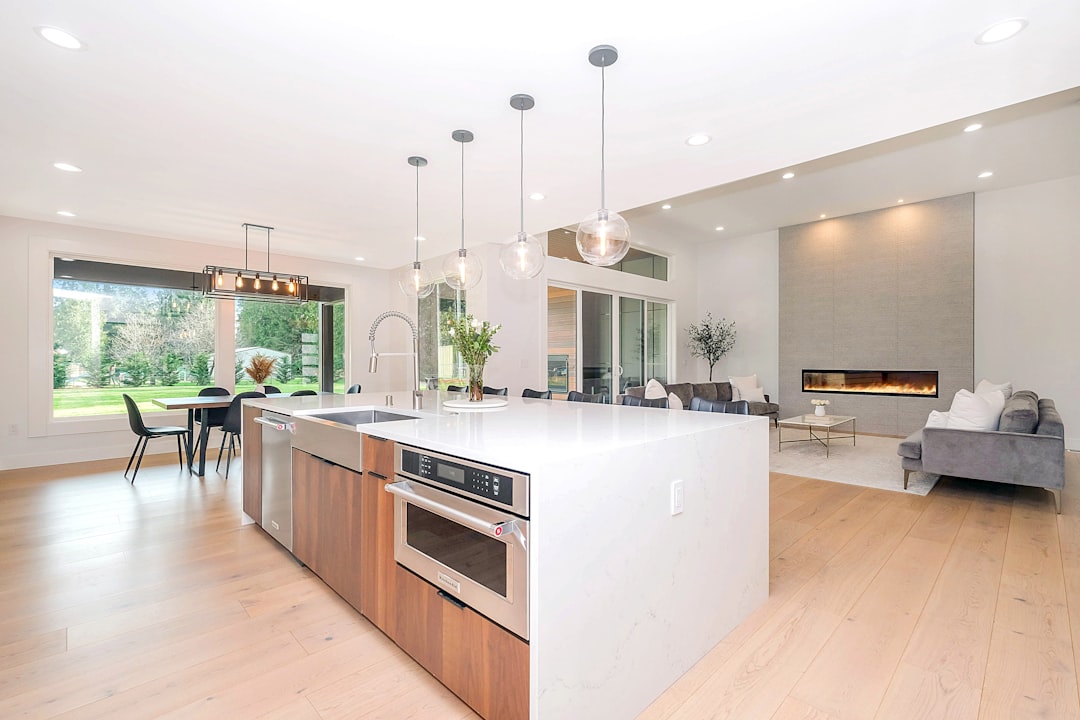
Does Buying a Mansion Make You Poorer?
It’s a common fantasy, isn’t it? You picture yourself gliding through vast, sun-drenched rooms, entertaining effortlessly in a grand ballroom, and waking up every morning in a bedroom that feels more like a suite. The allure of a mansion, a symbol of ultimate success and opulence, is undeniably strong. But have you ever paused to consider the flip side of this dream? Beyond the initial sticker shock, what does owning such a colossal residence truly cost you, not just in terms of currency, but in other, perhaps more impactful, ways? Does buying a mansion, in the long run, actually make you poorer? This isn’t just about affording the mortgage; it’s about the ongoing, pervasive drain on your resources and your life.
The sheer price tag of a mansion is often the first hurdle. While you might have secured financing or have a significant chunk of capital ready, understanding the true upfront cost involves delving far deeper than the advertised selling price. This is where the illusion of affordability can begin to crack.
Hidden Costs of Acquisition
Beyond the down payment and the mortgage principal, there are a multitude of expenses that can significantly inflate the initial outlay for a mansion.
Closing Costs and Fees
These are the unavoidable administrative and legal expenses that accompany any real estate transaction, but on a larger scale, they become considerably more substantial. You’ll be looking at a higher property transfer tax, potentially larger legal fees due to the complexity of the transaction, title insurance that covers a more valuable asset, and appraisal fees that are commensurate with the property’s immense worth. Don’t underestimate the cumulative effect of these percentages; they can add up to tens, if not hundreds, of thousands of dollars.
Immediate Renovations and Personalization
Very rarely does a mansion, even a recently built one, perfectly align with your aesthetic and functional needs from day one. Expect to invest heavily in immediate renovations. This could range from redecorating entire wings to match your personal style, to updating outdated kitchen and bathroom fixtures that feel woefully inadequate for a modern luxury home. Perhaps the swimming pool needs resurfacing, or the landscaping requires a complete overhaul to achieve the manicured perfection befitting a grand estate. These aren’t optional luxuries; they often become necessities to make the house truly yours and habitable.
Furnishing the Extravaganza
Consider the sheer volume of furniture required to fill a mansion. You’re not just buying a sofa; you’re buying multiple sofas, several dining tables, numerous beds, wardrobes, and countless decorative items for rooms that might sit largely unused for extended periods. This is a substantial ongoing expenditure that can easily rival the cost of a decent starter home itself. High-end furniture, suitable for the scale and grandeur of a mansion, comes with a premium price tag.
When considering the financial implications of purchasing an expensive house, it’s essential to evaluate how such a decision can impact your overall wealth. An insightful article that delves into this topic is available at How Wealth Grows, which explores the potential pitfalls of overextending your budget in the housing market. The article discusses how high mortgage payments, maintenance costs, and property taxes can contribute to financial strain, ultimately making you poorer despite the allure of owning a luxurious home.
The Ever-Present Avalanche of Maintenance and Upkeep
This is arguably where the true financial strain of mansion ownership begins to manifest. The ongoing costs of maintaining such a large and complex property are not merely high; they are relentless and can quickly become a bottomless pit for your finances.
Structural and Systemic Burdens
The sheer scale of a mansion means that its structural integrity and its complex internal systems are constantly under stress.
Building Envelope Woes
The roof of a mansion is not a single, manageable surface. It’s a vast expanse that will require frequent inspections and, inevitably, costly repairs or complete replacement much sooner than in a smaller home. The same applies to the exterior walls – think of the acres of siding, brickwork, or stone that need to be maintained, repointed, or replaced. Windows, often numerous and large, can be a significant source of heat loss and require specialized, expensive cleaning and repair.
The Insatiable Appetite of Utilities
Heating and cooling a mansion is a colossal undertaking. Imagine the energy required to maintain a comfortable temperature across thousands of square feet, often with high ceilings and extensive window coverage. Your utility bills for electricity, gas, and water will be astronomical. These aren’t just numbers; they represent a constant drain on your disposable income, significantly impacting your ability to save or invest elsewhere.
The Hidden World of Infrastructure
Beyond what you see, there’s a complex network of pipes, wiring, and HVAC systems that are all on a grand scale. A minor leak in a sprawling basement can turn into a major, expensive repair. A failing furnace or air conditioning unit in a mansion isn’t a simple fix; it’s a significant investment in a system designed for a much larger load. These are not costs you can easily defer; they require immediate attention to prevent more severe damage.
The Human Element: A Constant Cost
Unless you have an extensive personal staff, the sheer amount of work involved in maintaining a mansion is overwhelming. This translates into significant costs for external services.
Landscaping and Groundskeeping
You’re not just mowing a lawn; you’re managing acres of land. This involves regular lawn mowing, hedge trimming, tree care, garden maintenance, and potentially irrigation systems. Hiring professional landscaping services for a property of this scale is not a luxury; it’s a necessity, and it comes with a substantial monthly or annual fee. In winter, you’ll be paying for snow removal on extensive driveways and pathways.
Cleaning and Housekeeping
Keeping a mansion clean and presentable is a full-time job for multiple people. Professional cleaning services are often employed, and their rates are based on the size and complexity of the property. This is a recurring expense that can easily amount to thousands of dollars per month, especially if you entertain frequently.
Specialized Services
Mansion ownership often necessitates specialized services. Think about pool maintenance, security system monitoring, pest control for a larger area, and even professional window cleaning for those hard-to-reach upper floors. Each of these adds another layer of recurring expenditure.
The Erosion of Liquidity: When Your Money is Tied Up
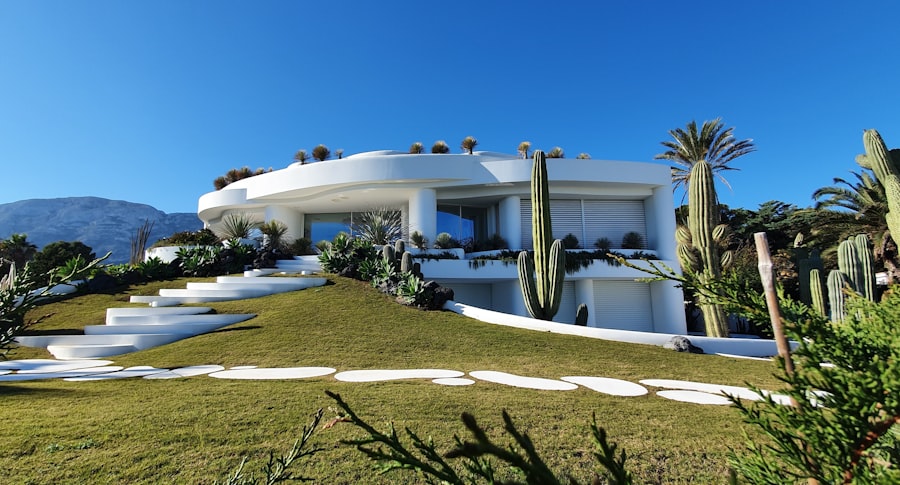
Owning a mansion can significantly impact your financial flexibility. The substantial capital invested, coupled with the ongoing costs, can tie up your wealth in ways that limit your ability to pursue other opportunities or weather financial storms.
The Immobilization of Capital
Your mansion represents a significant portion of your net worth, but it’s not a liquid asset. You can’t easily access the equity for emergencies or investments without taking on debt.
Property Taxes: A Constant Burden
Property taxes are calculated as a percentage of the assessed value of your home. For a mansion, this percentage applied to an exceptionally high valuation results in substantial annual tax bills. These taxes are not optional; they are a mandatory payment that can significantly eat into your annual income.
Insurance Premiums: A Reflection of Value and Risk
Insuring a mansion is a complex and expensive undertaking. The sheer value of the property, coupled with the potential for significant damage from natural disasters or accidents, leads to very high insurance premiums. You’re not just insuring a structure; you’re insuring a collection of valuable assets, potentially including art, antiques, and extensive landscaping.
The Opportunity Cost of Idle Assets
The money spent on a mansion and its upkeep could have been invested elsewhere, generating returns or providing greater financial security.
Missed Investment Opportunities
Every dollar spent on a mansion’s mortgage, property taxes, or maintenance is a dollar that could have been invested in stocks, bonds, or other ventures that could grow your wealth. The potential returns from these investments are lost when your capital is locked into a depreciating or slow-appreciating asset.
The Stagnation of Your Financial Growth
While a mansion might appreciate in value over time, its growth is often slower and less predictable than that of actively managed investments. The combination of high upfront costs and ongoing expenses can create a drag on your overall financial growth, making you effectively poorer in terms of your net worth’s potential.
The Psychological Toll: More Than Just Financial Stress

The financial burden of owning a mansion often extends beyond the balance sheet, creating significant psychological strain and impacting your overall quality of life.
The Pressure to Maintain the Image
Owning a mansion often comes with an unspoken expectation to live a certain lifestyle. This can create immense pressure to entertain frequently, to maintain impeccable grounds, and to project an image of effortless prosperity, even when you might be struggling financially behind the scenes.
The Social Expectations
You might feel compelled to host lavish parties, attend exclusive events, and keep up appearances with peers who also own grand properties. This can lead to a constant feeling of being “on display” and a fear of not measuring up, even if your finances are stretched thin.
The Burden of Perfection
The sheer scale of a mansion can be overwhelming. The constant need to maintain its pristine condition can be exhausting and stressful. You might find yourself constantly worrying about minor imperfections, spills, or wear and tear, which detracts from your enjoyment of your home.
The Loss of Freedom and Flexibility
The responsibilities and financial commitments associated with a mansion can significantly limit your personal freedom.
Travel Restrictions
The thought of leaving a large, valuable property unattended for extended periods can be a deterrent to spontaneous travel or extended vacations. You might feel obligated to arrange for caretakers or security, adding another layer of complexity and cost to your time away.
Reduced Disposable Income for Personal Pursuits
The significant portion of your income dedicated to mansion upkeep leaves less for personal passions, hobbies, or the pursuit of new experiences. This can lead to a feeling of being trapped by your home, rather than enjoying the freedom it was supposed to represent.
When considering the financial implications of purchasing an expensive house, it’s important to reflect on how such a decision can impact your overall wealth. A related article discusses the potential pitfalls of high-end real estate investments and how they can sometimes lead to financial strain rather than prosperity. For more insights on this topic, you can read the article here. Understanding these dynamics can help you make more informed choices about your property investments and their long-term effects on your financial health.
The Diminishing Returns: Is the Dream Worth the Reality?
| Income Level | Expensive House Purchase | Impact on Wealth |
|---|---|---|
| Low | Yes | May lead to higher mortgage payments and less disposable income |
| Medium | Yes | Could result in higher housing expenses and less savings |
| High | Yes | May not significantly impact wealth, but could limit investment opportunities |
Ultimately, the question of whether buying a mansion makes you poorer hinges on a realistic assessment of its true costs versus the perceived benefits. For many, the dream of owning a mansion can quickly become a financial and psychological burden that outweighs the tangible advantages.
Re-evaluating the Definition of Wealth
True wealth isn’t solely measured by the size of your home or the perceived grandeur of your possessions. It’s about financial security, freedom, and the ability to pursue a life of fulfillment. A mansion, for all its outward splendor, can sometimes undermine these fundamental aspects of wealth.
The Case for Prudence and Practicality
Before succumbing to the allure of a mansion, a thorough and brutally honest financial assessment is crucial. Consider the long-term implications, the hidden costs, and the potential impact on your overall financial well-being and lifestyle. Often, a smaller, more manageable, and well-maintained home, coupled with sound financial investments and a healthy disposable income, offers a far greater return on your resources and a more genuinely wealthy existence. You might find that true luxury lies not in square footage, but in financial peace of mind and the freedom to live the life you truly desire, unburdened by the relentless demands of an oversized estate. The dream of a mansion can be intoxicating, but the reality often leads to a slower, steadier path towards financial depletion, leaving you, in essence, poorer for the experience.

They Earned the Same $150K. One Became a Millionaire.
FAQs
1. What are the factors to consider when buying an expensive house?
When considering buying an expensive house, it’s important to take into account factors such as the overall cost of ownership, including property taxes, maintenance, and potential resale value. It’s also important to consider your long-term financial goals and whether the purchase aligns with them.
2. How does buying an expensive house impact your overall financial situation?
Buying an expensive house can impact your overall financial situation in several ways. It can tie up a significant portion of your wealth in a single asset, potentially limiting your ability to invest in other opportunities. It can also increase your monthly expenses, leaving less room for saving and investing.
3. Can buying an expensive house lead to being poorer?
While buying an expensive house can potentially impact your overall financial situation, it doesn’t necessarily mean you will become poorer. However, if the purchase leaves you with little financial flexibility or if it stretches your budget to the point of financial strain, it can hinder your ability to build wealth and achieve other financial goals.
4. What are some potential drawbacks of buying an expensive house?
Some potential drawbacks of buying an expensive house include higher mortgage payments, increased property taxes, higher maintenance costs, and potential difficulty in selling the property if the market shifts. Additionally, tying up a large portion of your wealth in a single asset can limit your ability to diversify and invest in other opportunities.
5. How can someone mitigate the financial impact of buying an expensive house?
To mitigate the financial impact of buying an expensive house, it’s important to carefully consider the overall cost of ownership, including ongoing expenses and potential resale value. It’s also important to ensure that the purchase aligns with your long-term financial goals and doesn’t leave you financially strained. Additionally, maintaining a strong financial cushion and diversifying your investments can help offset the potential impact of buying an expensive house.