You’re standing in front of the checkout screen, that tempting “Buy Now, Pay Later” option glowing invitingly. You’ve been eyeing that new gadget, or perhaps a whole new wardrobe, and suddenly, the prospect of owning it now without the immediate sting of a full payment feels incredibly appealing. But as you hover your mouse over that button, a question lingers: does this seemingly magical payment solution actually encourage you to spend more than you would have otherwise? The answer, for many, is a resounding, and often unconscious, yes.
You’ve likely seen it everywhere – plastered across online retailers, offered at the point of sale in brick-and-mortar stores, and even advertised on social media. Buy Now, Pay Later (BNPL) services have exploded in popularity, transforming how many people approach their purchasing decisions. These services, often in partnership with various retailers, allow you to split the cost of your purchases into a series of smaller, interest-free (usually) installments. It feels like a modern-day layaway plan, but with instant gratification.
The Psychology of “Free” Money
The core of BNPL’s persuasive power lies in its psychological appeal. When you see the total price of an item, your brain immediately registers that as a significant outlay. However, when that same price is broken down into a few manageable, seemingly “free” payments (often advertised as 0% interest for a set period), the perceived cost dramatically diminishes. It taps into a primal desire for immediate reward, overriding the rational part of your brain that might be considering your long-term financial health.
The Illusion of Affordability
Let’s be honest, that $500 television suddenly feels much more attainable when it’s presented as four payments of $125. Your mind subconsciously translates the large sum into a series of smaller, less daunting figures. This creates an illusion of affordability, making items that might have been out of your immediate budget suddenly feel within reach. You might not even question if you truly need the item, or if you can comfortably afford those four installments within your existing budget. The “affordability” blinds you to the overall financial commitment.
The Discounting of Future Pain
BNPL plays on a well-documented psychological phenomenon known as hyperbolic discounting. Essentially, humans tend to value immediate rewards far more than future rewards, even if the future reward is objectively greater. The “pain” of paying for something is shifted to the future. The immediate joy of acquiring the item outweighs the future, less tangible pain of making those installment payments. You’re essentially bribing your present self with the promise of a less painful future, which often doesn’t materialize as smoothly as you’d hoped.
Instant Gratification and Impulse Buying
In a world already geared towards instant gratification, BNPL acts as an accelerant. The internet has already trained us to expect things immediately, from information to entertainment. BNPL perfectly complements this by allowing you to satisfy your immediate desires without the traditional barrier of waiting until you have the full amount saved.
The “Treat Yourself” Mentality
BNPL services can inadvertently foster a “treat yourself” mentality that can become unsustainable. It becomes easier to justify impulse purchases as small “treats” when the immediate financial impact is minimal. You might not have planned to buy those designer shoes, but seeing them and realizing you can split the cost makes them feel like a well-deserved reward for a hard week. This can lead to a cycle of impulsive spending, where you’re constantly treating yourself without proper financial planning.
Reduced Friction in the Buying Process
The ease and speed with which you can complete a purchase with BNPL are significant factors. The application process is often quick and seamless, requiring minimal information. This lack of friction removes a crucial mental hurdle that might otherwise prompt you to pause and reconsider your purchase. The faster and easier it is to buy, the less likely you are to engage in thoughtful deliberation.
The concept of “Buy Now, Pay Later” (BNPL) has sparked considerable debate regarding its impact on consumer spending habits. Many experts argue that this payment option can lead to increased spending, as it allows consumers to make purchases without immediate financial constraints. For a deeper understanding of this phenomenon and its implications, you can read a related article that explores the intricacies of BNPL and its effects on personal finance. Check it out here: How Wealth Grows.
The Subtle Expansion of Your Spending Threshold
BNPL doesn’t just make existing purchases easier; it actively encourages you to consider purchases that were previously beyond your perceived financial reach. It subtly expands your spending threshold, making you comfortable with higher ticket items.
Reaching for Higher-Priced Goods
Imagine you’re looking for a new laptop. Your initial budget might be around $800. However, with BNPL, a $1200 laptop suddenly becomes a viable option. You can split that into manageable installments, and the perceived increase in price feels less significant when spread over several months. This leads you to explore and consider higher-priced goods that you might have previously dismissed.
The “Upgrade” Temptation
BNPL often makes upgrading to a better, more expensive version of a product an easy decision. Why settle for the basic model when you can have the premium one for just a few extra dollars per installment? This can lead you down a path of consistently choosing the more expensive option, gradually increasing your overall spending without a proportional increase in your income.
The Shifting Definition of “Necessity”
When you can easily finance larger purchases, the line between what you “need” and what you “want” can blur. Items that you might have considered luxuries can start to feel like necessities when they are readily accessible through BNPL. This can lead to a lifestyle inflation, where your spending habits escalate to match your newfound ability to finance purchases.
The Accumulation of Multiple Small Debts
While individual BNPL installments might seem small and manageable, the real danger lies in the accumulation of multiple such plans. You might have one for your new sofa, another for a gaming console, and a third for a vacation. Before you know it, you have several separate payment schedules to keep track of, each chipping away at your monthly budget.
The Complexity of Managing Multiple Plans
Each BNPL service has its own terms, payment dates, and potential late fees. Juggling multiple plans can become a logistical nightmare, increasing the likelihood of missed payments. The initial simplicity of “just a few small payments” can quickly transform into a tangled web of financial obligations.
The Hidden Cost of Late Fees and Interest
While many BNPL plans are advertised as interest-free, this often comes with a significant caveat: you must make all payments on time. Missing a single installment can trigger hefty late fees and, in some cases, the full repayment of the outstanding balance at a high-interest rate. These penalties can quickly negate any perceived savings and significantly increase the total cost of your purchases.
The Illusion of Financial Control

BNPL services can create a false sense of financial control. The ability to defer payments can make you feel like you have more discretionary income than you actually do, leading to overspending.
Masking Underlying Budgetary Issues
If you’re consistently relying on BNPL to make purchases, it can mask underlying issues with your budgeting and financial planning. Instead of addressing a shortfall in your income or overspending in other areas, you’re simply deferring the problem. This can prevent you from identifying and rectifying the root causes of your financial struggles.
The “Out of Sight, Out of Mind” Trap
The deferred nature of BNPL payments can create an “out of sight, out of mind” mentality. You’re not seeing the full amount deducted from your bank account immediately, which can make it easier to forget about the impending obligations. This can lead to surprise when the payment due dates arrive and you find your cash flow tighter than you expected.
The Delayed Confrontation with Reality
BNPL delays the inevitable confrontation with your actual financial situation. Instead of facing the reality of your spending habits in real-time, you’re pushing it further down the road. This delay can make it harder to course-correct once the debt starts to accumulate.
The Normalization of Debt
The widespread availability and acceptance of BNPL can contribute to the normalization of consumer debt. When everyone around you is using it, and it’s presented as a standard payment method, it becomes less of a financial tool and more of a routine part of shopping. This can lower your personal barrier to taking on debt, even for non-essential items.
The Erosion of Saving Habits
If you can always buy now and pay later, the incentive to save for purchases diminishes. Why wait and diligently put money aside when you can have it now? This can erode good saving habits, which are crucial for long-term financial security, emergency preparedness, and achieving larger financial goals.
The Peer Pressure Factor
Social media and the constant exposure to others’ purchases can create a subtle form of peer pressure. When you see friends or influencers using BNPL to acquire the latest trends or products, it can make you feel like you should be doing the same, even if it stretches your budget.
The Long-Term Financial Repercussions

While the immediate convenience of BNPL is appealing, the long-term financial repercussions can be significant and detrimental if not managed carefully.
The Vicious Cycle of Debt
The most significant risk associated with BNPL is falling into a vicious cycle of debt. If you find yourself relying on BNPL for multiple purchases and then struggle to meet the installment payments, you might resort to using BNPL again to cover those missed payments or to finance other needs. This creates a snowball effect, where your debt grows exponentially.
The Impact on Credit Scores
While some BNPL providers report to credit bureaus, the impact on your credit score can vary. However, missed payments and high utilization of credit can negatively affect your creditworthiness. This can make it harder to obtain loans, mortgages, or even rent an apartment in the future.
The Financial Stress and Anxiety
Living with significant consumer debt can lead to immense financial stress and anxiety. The constant worry about making payments, the fear of late fees, and the pressure of accumulating debt can take a toll on your mental and emotional well-being.
Missed Opportunities for Financial Growth
When your income is constantly being funneled into paying off past purchases, you miss out on opportunities for financial growth. This includes investing, saving for retirement, or building an emergency fund. These are the activities that build long-term wealth and security.
The Opportunity Cost of Debt Repayment
Every dollar you spend on paying off BNPL debt is a dollar that could have been invested or used for other, more productive financial goals. This opportunity cost can be substantial over time, hindering your ability to build wealth and achieve your financial aspirations.
The Inability to Seize Investment Opportunities
When you’re financially stretched due to BNPL obligations, you may not have the liquidity to take advantage of investment opportunities that arise. This can mean missing out on potential gains that could significantly boost your financial future.
The rise of buy now pay later services has sparked a debate about their impact on consumer spending habits. Many people wonder if these payment options encourage overspending, leading to financial strain in the long run. A related article discusses the psychological effects of deferred payments and how they can alter purchasing behavior. For more insights on this topic, you can read the article here: How Wealth Grows. Understanding these dynamics can help consumers make more informed financial decisions.
So, Does Buy Now Pay Later Increase Spending?
| Metric | Value | Source/Study | Notes |
|---|---|---|---|
| Increase in Average Order Value (AOV) | 20-30% | Afterpay Consumer Report 2022 | Buy Now Pay Later (BNPL) users tend to spend more per transaction. |
| Percentage of BNPL users who spend more | 56% | Finder Survey 2023 | More than half of BNPL users admit to spending more than they normally would. |
| Increase in impulse purchases | 35% | McKinsey & Company 2021 | BNPL availability leads to more unplanned purchases. |
| Average additional spend per BNPL transaction | 45 | UBS Evidence Lab 2022 | Consumers spend this much more on average when using BNPL. |
| Percentage of BNPL users who regret purchases | 25% | Credit Karma Survey 2023 | One in four BNPL users regret spending more than intended. |
The evidence strongly suggests that yes, Buy Now Pay Later services do increase your spending. They do this by:
- Creating an illusion of affordability: Breaking down large costs into smaller installments makes them seem less daunting.
- Facilitating impulse purchases: The ease and speed of BNPL reduce the friction that might lead to reconsideration.
- Expanding your spending threshold: Making higher-priced items seem accessible.
- Normalizing debt: Making it a routine part of the shopping experience.
- Masking underlying financial issues: Delaying the confrontation with reality.
While BNPL can be a useful tool for managing cash flow for planned, essential purchases, its inherent design preys on psychological triggers that encourage more spending than you might otherwise engage in. It’s a powerful incentive to buy now, but the “pay later” part often comes with a higher cost – not just financially, but in terms of your overall financial well-being and peace of mind. Understanding these psychological mechanisms and potential pitfalls is crucial for you to make informed decisions and avoid the seductive trap of overspending.
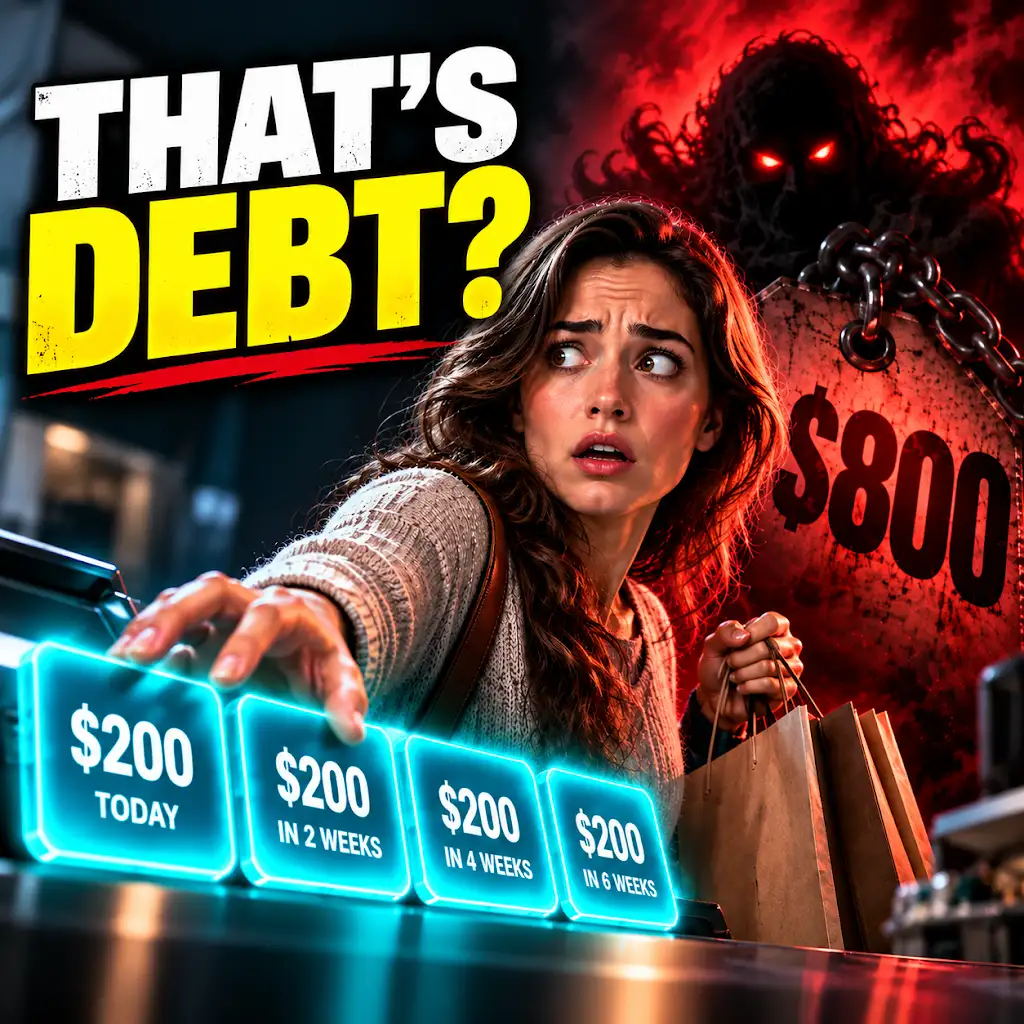
Why $800 Doesn’t Feel Like $800 Anymore
FAQs
What is Buy Now Pay Later (BNPL)?
Buy Now Pay Later (BNPL) is a payment option that allows consumers to make a purchase and pay for it in installments over time, typically with no interest.
How does Buy Now Pay Later affect spending habits?
Studies have shown that using Buy Now Pay Later can lead to increased spending as it allows consumers to make purchases without having to pay the full amount upfront.
Are there any risks associated with using Buy Now Pay Later?
While Buy Now Pay Later can be convenient, it can also lead to overspending and accumulating debt if not managed responsibly. Missing payments can result in late fees and negatively impact credit scores.
Does Buy Now Pay Later impact financial responsibility?
Some experts argue that Buy Now Pay Later can encourage impulse buying and make it easier for consumers to overspend, potentially leading to financial strain if not used wisely.
What are some tips for using Buy Now Pay Later responsibly?
To use Buy Now Pay Later responsibly, it’s important to set a budget, only make purchases that are necessary, and keep track of payment due dates to avoid late fees.