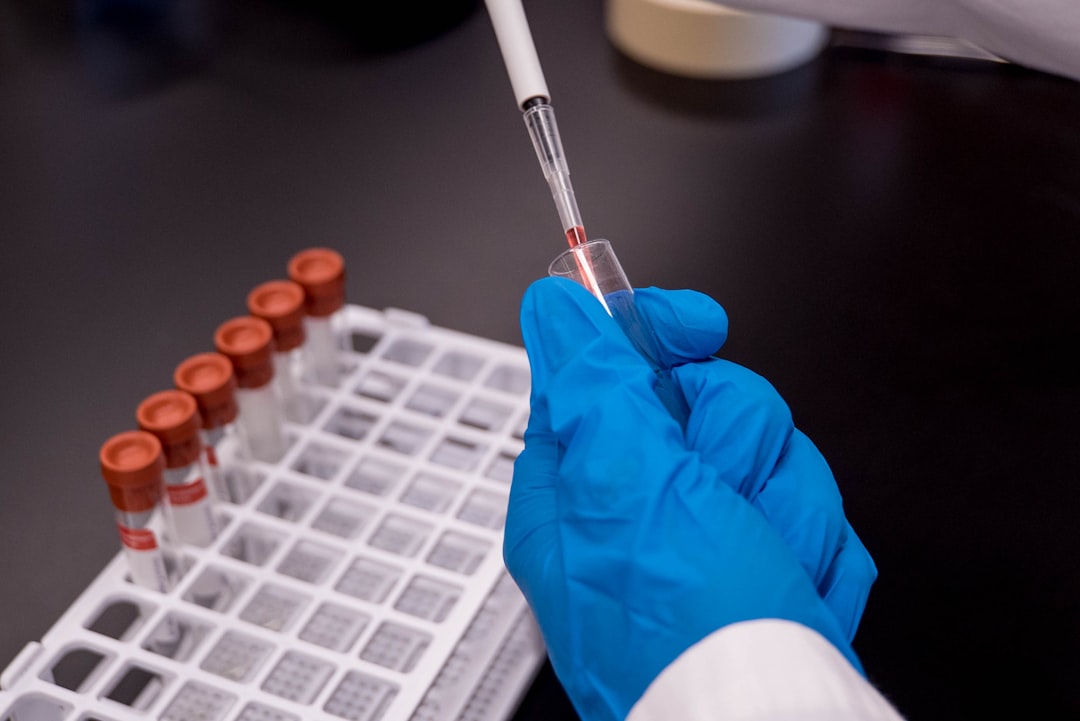
As you delve into the topic of DNA kit disposal, you’re approaching a subject that requires precision, careful consideration, and a firm understanding of the biological and ethical implications involved. You’ve likely purchased a direct-to-consumer DNA testing kit, perhaps for ancestry research, health predisposition insights, or even to identify a distant relative. Now, the time has come to move beyond the initial excitement and address what happens next with the biological material you’ve submitted. This isn’t merely about tossing a cardboard box in the recycling bin; it’s about ensuring the responsible destruction of your genetic blueprint.
Understanding the Significance of Your Biological Sample
Your DNA is, in essence, the instruction manual for your entire being. It contains a vast amount of information, not all of which you may have intended to share or even be aware of. When you submit a saliva sample, buccal swab, or blood spot for DNA analysis, you are providing access to this deeply personal information.
What Information Does Your DNA Contain?
- Ancestry and Genealogy: This is often the primary motivation for many individuals. Your DNA can reveal your ethnic origins, migration patterns of your ancestors across millennia, and connections to individuals who share common ancestors. This data can paint a detailed picture of your historical lineage.
- Genetic Traits and Predispositions: Beyond ancestry, your DNA holds clues about a myriad of traits. This can range from physical characteristics like eye color and hair texture to predispositions for certain health conditions, athletic abilities, or even sensory perceptions like your ability to taste cilantro.
- Family Relationships: DNA testing is a powerful tool for identifying biological relatives. Companies often maintain vast databases, allowing users to find potential matches with others who have previously submitted their DNA. This can lead to the discovery of long-lost family members or a deeper understanding of your extended family tree.
- Potential for Misuse: It’s crucial to acknowledge that the information contained within your DNA can be used for purposes beyond your initial intent. This can include research by third parties (with varying levels of anonymization), potential identification in forensic investigations if your DNA is present at a crime scene, or even the sale of anonymized data to other entities for research or marketing purposes, depending on the company’s privacy policy.
The Importance of Responsible Disposal
Because of the sensitive and deeply personal nature of your genetic information, proper disposal of any remaining biological samples is not just a matter of convenience; it’s an ethical imperative. Improper disposal can inadvertently leave your genetic material vulnerable to unauthorized access, unintended use, or even identity theft in a broader sense. You are, in effect, safeguarding your genetic privacy and that of your potential relatives from unforeseen consequences.
In the realm of biological research, the proper disposal of DNA kits is crucial to maintaining the integrity of scientific practices. For those interested in understanding the best methods for destroying biological samples and DNA kits, a related article can provide valuable insights. You can explore this topic further by visiting the following link: How Wealth Grows. This resource offers guidance on ensuring that sensitive materials are disposed of safely and responsibly, thereby preventing any potential misuse or contamination.
Methods of DNA Sample Disposal: What Companies Typically Provide
When you receive your DNA testing kit, you’ll find specific instructions for collecting your sample. Similarly, most reputable DNA testing companies offer guidelines on how to handle the return of your used collection kit. Understanding these provided methods is your first step towards responsible disposal.
Returning the Sample to the Company
The most common method recommended by DNA testing companies involves returning the used collection device and any associated packaging directly to them.
Instructions for Sealing and Packaging
- Secure Closure: Ensure that the container holding your biological sample (e.g., saliva tube, swab envelope) is tightly sealed. Many kits come with tamper-evident seals or caps that are designed to prevent leakage and unauthorized access during transit. You should verify that these seals are properly engaged to provide the intended level of security.
- Original Packaging: Utilize the original packaging provided with your kit whenever possible. This packaging is often designed to protect the sample during shipping and may also contain specific labels or instructions required by the courier service or postal system. If the original packaging is damaged, contact the company for replacements or alternative authorized packaging.
- Return Shipping Label: Most kits include a prepaid return shipping label. Affix this label securely to the outside of your package. Ensure that it is clearly visible and not obscured by other labels or tape. Improperly affixed labels can lead to shipping delays or misdirected packages.
Understanding the Company’s Role in Disposal
- Processing and Analysis: Once the company receives your sample, they will proceed with the DNA extraction and analysis process. This involves sophisticated laboratory techniques to read your genetic code.
- Sample Retention Policies: It is crucial to review the company’s privacy policy and terms of service regarding sample retention. Many companies have policies that outline how long they will store your biological sample after analysis. Some may store it indefinitely for future research (with varying degrees of anonymization), while others may offer options for you to request its destruction.
- On-Site Destruction Procedures: Reputable companies will have established procedures for the secure destruction of biological samples once they are no longer needed for analysis or retention, as per their policies and your requests. These procedures typically involve methods that render the DNA unreadable and unrecoverable.
Why Returning is Often Recommended
- Controlled Destruction: Returning the sample ensures that it is handled by the company that has the expertise and necessary facilities for its secure and complete destruction. They are equipped to deal with biological materials in a manner compliant with laboratory standards and privacy regulations.
- Traceability: Returning the sample allows for a degree of traceability. While not always explicit, it signifies your intent to have the sample processed and then disposed of according to the company’s protocols.
- Minimizing Risk: By returning the sample, you reduce the risk of it falling into the wrong hands through accidental loss or mishandling during transit if you were to attempt disposal yourself.
Destroying Remaining Biological Material: Beyond the Kit
While returning the primary sample to the company is the standard procedure, you may find yourself with residual biological material or a desire for further assurance. This section explores how you can take additional steps to ensure complete destruction.
If You Choose Not to Return the Sample
It’s important to acknowledge that some individuals may choose not to return their collected sample to the DNA testing company. This could be due to privacy concerns, a change of mind, or any other personal reason. In such cases, you bear the responsibility for the secure and complete destruction of the biological material.
Secure Segregation of the Sample
- Isolate the Sample: If you decide not to return the kit, the first step is to meticulously isolate the container with your biological sample. Do not mix it with general household waste or recyclables at this stage.
- Prevent Accidental Exposure: Store the segregated sample in a manner that prevents accidental leakage or exposure to others or pets. A sealed plastic bag, for instance, can provide an initial layer of containment.
Methods for Physical Destruction (DIY)
When you are responsible for destroying the biological sample yourself, you need to employ methods that render the DNA uninterpretable. This requires a deliberate and thorough approach.
- Mechanical Disruption: For saliva samples, this might involve significant agitation or shaking of the collection tube if it contains a stabilizing solution. For swabs, physical shredding or forceful crushing can start the process of breaking down the cellular structure. However, relying solely on mechanical means is generally insufficient for complete DNA destruction.
- Chemical Denaturation: Introducing specific chemicals can effectively break down DNA strands.
- Bleach (Sodium Hypochlorite): A common household bleach solution (typically 5-10% sodium hypochlorite) can be effective. You would need to ensure the bleach saturates the biological material thoroughly. Allow for a significant contact time (e.g., several hours) for full denaturation.
- Detergents and Solvents: Strong detergents can disrupt cell membranes, and certain organic solvents can degrade DNA. However, these are often less readily available to the average consumer and may require specific handling precautions.
- Ethanol or Isopropanol: While high concentrations of alcohol can preserve DNA, lower concentrations or prolonged exposure might contribute to degradation. However, this is unlikely to achieve complete destruction on its own without other methods.
- Thermal Degradation: High temperatures can irreversibly damage DNA.
- Boiling: Boiling the sample for an extended period can be a method for denaturing DNA. Ensure the sample is fully submerged and that the boiling is sustained.
- Incineration: If you have access to a safe and controlled method of incineration (e.g., a fire pit or furnace), this is a highly effective way to destroy biological material. Extreme caution and adherence to local regulations regarding burning are paramount.
Combining Methods for Maximum Effectiveness
The most robust DIY destruction involves a combination of methods. For instance, you might first mechanically disrupt the sample, then expose it to a strong chemical agent like bleach, and finally, if possible, subject it to high heat. This multi-pronged approach significantly increases the likelihood of complete DNA degradation.
Understanding DNA Degradation and What It Means
Denaturing DNA means breaking down the long, complex molecules that carry your genetic code into smaller, unreadable fragments. This is the ultimate goal of destruction.
The Structure of DNA
DNA is composed of two complementary strands that form a double helix. Each strand is a polymer of nucleotide bases (Adenine, Thymine, Guanine, Cytosine). The sequence of these bases contains your genetic information.
Agents of Degradation
- Physical Forces: Mechanical stress, such as grinding, shearing, or high-frequency sound waves, can physically break the phosphodiester bonds that link the nucleotides together.
- Chemical Agents:
- Hydrolysis: Acids and bases can hydrolyze the phosphodiester backbone of DNA. Strong acids can also hydrolyze the glycosidic bonds attaching the bases to the sugar molecules.
- Oxidizing Agents: Chemicals like hydroxyl radicals can cause oxidative damage to the DNA bases and the sugar-phosphate backbone. Bleach (hypochlorite) is an example of an oxidizing agent.
- Enzymes (DNases): While not relevant for DIY destruction, laboratory settings use enzymes called DNases that specifically cleave DNA.
- Heat: High temperatures can cause thermal denaturation, breaking the hydrogen bonds between bases and leading to strand separation, and at even higher temperatures or with prolonged exposure, can cause chemical degradation of the DNA molecule.
Achieving Irreversibility
The key to effective destruction is irreversibility. Simply rinsing a sample might remove superficial traces, but the DNA material itself could remain intact. You need to employ methods that fundamentally alter the DNA molecule, rendering it incapable of being sequenced or interpreted by any known technology.
When handling sensitive biological samples, it is crucial to ensure that DNA kits are properly destroyed to prevent any potential misuse of genetic material. For a comprehensive guide on the best practices for safely disposing of these kits, you can refer to a related article that provides valuable insights. Understanding the methods for effective destruction not only protects privacy but also maintains the integrity of scientific research. For more detailed information, check out this helpful resource.
Legal and Ethical Considerations in Disposal
Beyond the practical methods, you should be aware of the broader legal and ethical landscape surrounding your genetic information.
Privacy Laws and Regulations
- HIPAA (Health Insurance Portability and Accountability Act): While primarily applicable to healthcare providers and health insurance companies, HIPAA sets a precedent for the protection of sensitive health information, which includes genetic data. Although direct-to-consumer DNA companies may not always be directly regulated by HIPAA, the principles of data protection are relevant.
- GDPR (General Data Protection Regulation): For individuals in the European Union, the GDPR provides strong protections for personal data, including genetic data, which is classified as a special category of sensitive data. Companies handling EU residents’ data must comply with strict rules regarding consent, processing, and data minimization.
- State-Specific Laws: Some states within the United States have enacted specific laws governing the use and disclosure of genetic information, adding another layer of regulatory complexity.
Company Privacy Policies and Terms of Service
- Read Carefully: You are responsible for understanding the privacy policies and terms of service of the DNA testing company you use. These documents will detail how your data is stored, used, and potentially shared. Crucially, they should also outline the company’s policy on sample retention and destruction.
- Consent and Opt-Outs: Pay attention to consent requirements. You may have options to opt out of certain data usage or to request the deletion of your DNA data or sample. These options are your safeguard for controlling your genetic information.
Ethical Implications of DNA Data
- Familial Privacy: Your DNA is not solely your own; it is shared with your biological relatives. When you submit your DNA, you could inadvertently reveal information about your parents, siblings, children, and even more distant cousins. Consider the potential impact on their privacy and genetic information.
- Future Research: Some companies may use anonymized or aggregated DNA data for research purposes. While this can lead to scientific advancements, it’s essential to be aware of and consent to such usage, understanding the potential implications of your genetic data contributing to broader datasets.
- Forensic Databases: Law enforcement agencies can sometimes request access to DNA databases for criminal investigations. Your genetic information, even if submitted for genealogical purposes, could potentially be accessed in such scenarios, depending on the company’s policies and legal frameworks.
When to Consider Professional Destruction Services
For most individuals submitting standard DTC DNA kits, DIY destruction or returning the sample to the company is sufficient. However, there are scenarios where you might consider professional destruction services.
Exceptional Circumstances for Professional Disposal
- Highly Sensitive Personal Data: If you have submitted DNA for highly specialized or sensitive genetic testing, or if you have significant concerns about the potential misuse of your specific genetic profile, you might seek out professional services that specialize in biological waste destruction.
- Large Quantities of Samples: If you are dealing with multiple DNA samples beyond your own, or if you represent an organization that generates biological waste containing genetic material, professional services become a more practical and legally compliant option.
- Regulatory Requirements: Certain industries or research institutions are subject to stringent regulations regarding the disposal of biological materials. In these cases, certified professional services are often mandatory.
Identifying Reputable Services
- Specialization in Biohazardous Waste: Look for companies that are licensed and certified to handle biohazardous waste. They will have the necessary infrastructure, trained personnel, and adherence to safety protocols.
- Destruction Methods: Inquire about their destruction methods. They should utilize proven techniques such as autoclaving (high-pressure steam sterilization), incineration, or chemical inactivation that meet established standards for rendering genetic material unusable.
- Documentation and Certification: Reputable services will provide documentation confirming the destruction of the biological material, often including a certificate of destruction. This can offer an added layer of assurance.
- Legal Compliance: Ensure the service provider is familiar with and adheres to all relevant local, state, and federal regulations regarding the disposal of biological waste.
The Process with Professional Services
- Consultation and Quoting: The initial step involves consulting with the service provider to understand their offerings, receive a quote, and discuss your specific needs.
- Sample Collection and Transport: Depending on the service, they may arrange for pick-up of the waste material, or you may need to package and ship it to them according to their strict guidelines. This process will be heavily regulated for safety and security.
- On-Site Destruction: The biological material is then transported to their facility for certified destruction.
- Issuance of Certificate: Upon completion, you will receive official documentation confirming the destruction of the material.
By understanding the multifaceted nature of DNA kit disposal, you are empowered to make informed decisions that prioritize genetic privacy and responsible handling of your biological information. Whether you choose to return the sample to the company, undertake thorough DIY destruction, or engage professional services, your proactive approach ensures that your genetic legacy is managed with the respect and security it deserves.
FAQs
1. What are biological samples DNA kits used for?
Biological samples DNA kits are used to collect and preserve DNA samples from various sources such as blood, saliva, hair, and tissue for genetic testing, forensic analysis, and research purposes.
2. Why would someone want to destroy biological samples DNA kits?
There are various reasons why someone may want to destroy biological samples DNA kits, including privacy concerns, legal requirements, or the need to dispose of outdated or unused samples.
3. How can biological samples DNA kits be destroyed effectively?
Biological samples DNA kits can be effectively destroyed by using methods such as incineration, chemical treatment, or autoclaving to ensure that the DNA samples are completely degraded and rendered unusable.
4. Are there any regulations or guidelines for the destruction of biological samples DNA kits?
Yes, there are regulations and guidelines for the destruction of biological samples DNA kits, particularly when it comes to handling and disposing of potentially hazardous biological materials. It is important to follow local, state, and federal regulations, as well as any specific guidelines provided by the DNA kit manufacturer.
5. What are the potential risks of not properly destroying biological samples DNA kits?
The potential risks of not properly destroying biological samples DNA kits include unauthorized access to sensitive genetic information, legal liabilities, and ethical concerns related to the privacy and security of individuals’ genetic data. It is important to ensure that DNA samples are securely and irreversibly destroyed to mitigate these risks.