You’re looking at your electricity bill and scratching your head. Those numbers for “large load” tariffs seem to be a whole different beast than the simple per-kilowatt-hour rate you’re used to. You’re not alone. For many businesses, understanding these complex tariffs can feel like deciphering an ancient code. But it doesn’t have to be that way. This guide is designed to demystify large load electricity tariffs, break down the jargon, and empower you to make informed decisions that can significantly impact your bottom line.
Before diving into the specifics of large load tariffs, it’s crucial to grasp the fundamental principles that govern how electricity is priced. Your electricity provider isn’t just selling you raw power; they’re selling you a service that involves generation, transmission, distribution, and maintenance. These costs are then bundled into various tariff structures.
The Basics: Metered Consumption
Metered Consumption: The Cornerstone
At its core, all electricity tariffs are based on the amount of electricity you consume. This is measured in kilowatt-hours (kWh), a unit representing the energy used by a 1,000-watt appliance running for one hour. Your electricity meter meticulously tracks this consumption, and your bill will invariably reflect a charge for the total kWh used over a billing period.
The Components of an Electricity Bill
Generation Costs
The electricity you use has to be produced somewhere. This involves power plants that burn fossil fuels, harness renewable energy sources like wind and solar, or utilize nuclear power. The cost of fuel, plant maintenance, and operational expenses all contribute to the generation cost component of your tariff.
Transmission and Distribution Costs
Once electricity is generated, it needs to travel to your doorstep. The high-voltage transmission lines carry power over long distances from power plants to substations, while lower-voltage distribution lines bring it to individual homes and businesses. The infrastructure required for this, including substations, poles, wires, and maintenance, incurs significant costs that are passed on to consumers.
Fixed Charges and Service Fees
Beyond the energy consumed, you’ll likely encounter fixed charges on your bill. These often cover the cost of maintaining the connection to the grid, the meter itself, and administrative expenses incurred by the utility company. Think of them as the price of admission to having reliable electricity access.
The Shift to Large Load Tariffs
As your business grows and your electricity needs increase, you often transition from standard residential or small commercial tariffs to specialized large load tariffs. This isn’t arbitrary; it’s a recognition of the different demands and impacts large consumers have on the electricity grid.
For a deeper understanding of large load electricity tariffs and how they can impact businesses, you may find the article on energy management strategies particularly insightful. This resource delves into various approaches that companies can adopt to optimize their energy consumption and reduce costs associated with large load tariffs. To explore this further, visit the article at How Wealth Grows.
Why Large Load Tariffs Exist: The Grid’s Perspective
Large load tariffs are designed to reflect the unique characteristics and demands that high-energy consumers place on the electricity grid. Your consumption patterns and the sheer volume of energy you require necessitate different considerations for your utility provider.
The Impact of Demand on the Grid
Peak Demand vs. Average Demand
This is arguably the most critical factor differentiating large load tariffs. While your total kWh consumption is important, your peak demand – the maximum rate at which you consume electricity at any given point – has a far greater impact on the grid’s infrastructure. Imagine a highway: it needs to be built to handle rush hour traffic, even if most of the day is relatively light. Utilities must build and maintain generation and transmission capacity to meet these peak demands from all their customers, including large ones.
Infrastructure Stress and Investment
When a large business draws significant amounts of power, it puts a strain on the local distribution network and can even affect wider transmission lines. Utilities must invest in more robust infrastructure, including larger transformers, thicker cables, and upgraded substations, to reliably serve these high-consumption sites. Large load tariffs help to recoup these substantial infrastructure investments.
Reliability and Grid Stability
Large industrial users often have continuous operations, meaning their demand for electricity is less fluctuating than residential or small commercial customers. However, the sheer scale of their consumption means that any interruption in their power supply can have significant economic consequences. Utilities must ensure a high level of reliability for these customers, which can involve dedicated lines or priority supply arrangements, all of which come with associated costs.
The Economics of Scale for Utilities
Bulk Purchasing Power
When utilities purchase electricity from generators, they can often negotiate better rates for larger volumes. This economy of scale can sometimes be passed on to large consumers in the form of lower per-unit electricity costs, but it’s balanced against the other factors.
Dedicated Infrastructure and Services
For very large consumers, utilities might invest in dedicated infrastructure, such as direct transmission lines or specialized substations. These are significant investments that are factored into the tariff structure.
Deconstructing the Components of Large Load Tariffs
Now that you understand why large load tariffs exist, let’s break down the typical components you’ll find on your bill. This is where the complexity often lies, but by understanding each element, you can begin to manage your electricity costs more effectively.
Demand Charges: The Big Ticket Item
Understanding Kilovolt-Amperes (kVA) and Kilowatts (kW)
This is the most significant differentiator for large load tariffs. Instead of just paying for kWh, you’ll often be charged based on your demand, which is measured in kilowatts (kW) or, in some cases, kilovolt-amperes (kVA).
- Kilowatts (kW): This is the measure of actual power consumed at any given moment. It’s like the speed at which you’re using electricity.
- Kilovolt-Amperes (kVA): This is a measure of apparent power, which includes both real power (kW) and reactive power. Reactive power is necessary for certain electrical equipment (like motors) to operate but doesn’t do “work” in the same way as real power. Utilities often charge based on kVA because it still contributes to the load on their transformers and distribution systems. The relationship between kW and kVA is governed by the power factor.
The Concept of Peak Demand
Identifying Your Peak Demand Period
Your electricity bill will likely show a “peak demand” charge. This refers to the highest rate of electricity consumption you recorded during a specific period (e.g., the month, a previous 12-month period). Utilities often use a “ratchet clause” which means your demand charge for the current month might be based on your highest peak demand from the previous 11 months, or a percentage of that peak, whichever is higher. This is to ensure that you are contributing to the cost of maintaining the infrastructure that can support your highest historical usage, even if your current usage is lower.
How Demand Charges are Calculated
The Demand Charge Rate
You’ll see a specific rate applied to your peak demand, usually expressed in dollars per kW or dollars per kVA. For example, if your peak demand in a billing period was 500 kW and the demand charge rate is $15 per kW, your demand charge would be $7,500. This single component can often dwarf your energy consumption charges.
Time-of-Use (TOU) Pricing: When You Use Power Matters
Understanding Peak, Off-Peak, and Shoulder Hours
Many large load tariffs incorporate Time-of-Use (TOU) pricing. This means the price of electricity varies depending on the time of day and day of the week.
- Peak Hours: These are the times of highest electricity demand across the grid, typically during weekdays in the late afternoon and early evening. Electricity is most expensive during these periods.
- Off-Peak Hours: These are the times of lowest electricity demand, usually overnight and on weekends. Electricity is cheapest during these periods.
- Shoulder Hours: These are the periods in between peak and off-peak, often in the morning and late evening.
The Impact of TOU on Your Bill
Shifting Consumption for Savings
If your business operations can be flexible, shifting non-essential electricity usage to off-peak hours can lead to significant savings. This might involve scheduling certain heavy machinery to run overnight or during weekends.
Reactive Power Charges: The Unseen Factor
What is Reactive Power?
As mentioned earlier, reactive power is a component of apparent power (kVA) that doesn’t perform useful work but is essential for the operation of inductive loads like motors, transformers, and fluorescent lighting. While it doesn’t consume energy in the same way as real power, it still contributes to the load on the grid.
Power Factor and its Importance
Understanding Power Factor
Your power factor is a ratio of real power (kW) to apparent power (kVA). A power factor of 1 (or 100%) means that all the power being supplied is being used for useful work. As the power factor drops below 1, it indicates a higher proportion of reactive power is being drawn. Utilities often impose penalties if your power factor falls below a certain threshold (e.g., 0.9 or 0.95).
Avoiding Reactive Power Penalties
Improving Your Power Factor
You can improve your power factor by installing power factor correction equipment, such as capacitors. This can reduce your kVA demand and potentially avoid penalties. Consulting with an electrical engineer can help you assess your needs and implement appropriate solutions.
Strategies for Optimizing Your Large Load Electricity Costs
Understanding the components of your large load tariff is the first step. The next is to actively manage your consumption and leverage opportunities for savings.
Demand Management: Your Most Powerful Tool
Load Shifting: Moving Consumption Strategically
Scheduling High-Energy Tasks
Analyze your operations and identify any processes that consume significant amounts of electricity but can be shifted to off-peak hours. This could include:
- Manufacturing processes
- Cooling or heating systems
- Battery charging for electric vehicles or equipment
- Water heating
Demand Response Programs
Participating in Utility Programs
Many utilities offer demand response programs where they incentivize large consumers to voluntarily reduce their electricity usage during peak demand periods. This often involves a financial reward for curtailing consumption when the grid is under stress. Understanding the terms and potential benefits of these programs is crucial.
On-Site Generation and Storage
Exploring Renewable Energy Options
Installing on-site renewable energy sources like solar panels or wind turbines can offset your reliance on grid electricity, especially during peak hours. This can significantly reduce your overall energy consumption and demand charges.
Battery Energy Storage Systems (BESS)
Peak Shaving with Batteries
Battery storage systems can be used to “peak shave” – meaning they discharge stored energy during peak demand periods, thereby reducing your demand charges from the utility. They can also be used for load shifting, storing energy when it’s cheap and discharging it when it’s expensive.
Energy Efficiency Improvements: The Foundation of Savings
Auditing Your Energy Usage
Conducting a Professional Energy Audit
A professional energy audit is essential to identify areas of inefficiency in your facility. Auditors will analyze your equipment, lighting, HVAC systems, and operational practices to pinpoint where energy is being wasted.
Upgrading to Energy-Efficient Equipment
Lighting Upgrades
Switching to LED lighting can offer significant savings compared to older incandescent or fluorescent technologies.
HVAC Optimization
Modernizing your heating, ventilation, and air conditioning (HVAC) systems with high-efficiency units and smart controls can drastically reduce energy consumption.
Motor and Industrial Equipment Efficiency
If your business relies on motors and other industrial machinery, consider upgrading to more energy-efficient models. Variable frequency drives (VFDs) can also be a valuable investment for optimizing motor performance and reducing energy use.
Understanding large load electricity tariffs can be quite complex, but it is essential for businesses looking to manage their energy costs effectively. For a deeper insight into this topic, you might find it helpful to read a related article that breaks down the various factors influencing these tariffs. This informative piece can provide clarity on how demand charges, time-of-use rates, and other elements impact your overall electricity expenses. To explore this further, check out the article on how wealth grows.
Navigating the Contractual Landscape of Large Load Tariffs
| Electricity Tariff | Usage | Cost per kWh |
|---|---|---|
| Standard | Up to 1000 kWh | 0.12 |
| Large Load | Above 1000 kWh | 0.08 |
Your electricity tariff is not just a price list; it’s a contract. Understanding the terms and conditions is paramount to ensuring you’re getting the best deal and avoiding unexpected costs.
Understanding Your Electricity Supply Agreement
Key Clauses to Scrutinize
Term Length and Renewal Options
Be aware of the duration of your contract and the conditions for renewal. Early termination clauses and penalties should also be clearly understood.
Exit Clauses and Fees
If you anticipate needing to change suppliers or alter your consumption patterns significantly, understand the contractual obligations and any associated fees for exiting the agreement.
Escalation Clauses
Some contracts may include escalation clauses that allow the utility to increase prices based on certain market conditions or indices.
The Role of an Energy Broker or Consultant
Leveraging Expertise for Better Deals
For many businesses, engaging an independent energy broker or consultant can be invaluable. These professionals have in-depth knowledge of the energy market and can:
- Negotiate better tariff rates on your behalf.
- Analyze complex contracts and identify potential pitfalls.
- Advise on the best strategies for cost optimization.
- Stay abreast of market trends and regulatory changes.
Comparing Different Tariff Structures
Different Providers, Different Offers
Don’t assume all electricity providers offer the same tariff structures. Shop around and compare offers from various utilities and independent energy suppliers. Highlight your specific consumption patterns and needs when soliciting proposals.
Fixed vs. Variable Rate Tariffs
Predictability vs. Potential Savings
- Fixed Rate Tariffs: Offer predictable pricing for a set period, providing budget certainty. This can be beneficial if you anticipate rising energy prices.
- Variable Rate Tariffs: Prices fluctuate based on market conditions. While they can offer lower rates during periods of low energy prices, they also carry the risk of higher costs during periods of market volatility.
The Future of Large Load Electricity Tariffs
The energy landscape is constantly evolving. As we move towards a more sustainable and technologically advanced future, large load electricity tariffs will likely continue to adapt.
The Rise of Smart Grids and Demand Flexibility
Empowering Consumers with Data
Smart grids provide real-time data on energy consumption and grid conditions, empowering businesses to make more informed decisions about their energy usage. This increased visibility will drive further adoption of demand-flexible strategies.
Integration of Distributed Energy Resources (DERs)
The Role of Rooftop Solar and Microgrids
The increasing deployment of DERs, such as rooftop solar, small wind turbines, and microgrids, will change the dynamics of electricity supply and demand. Large consumers may have more options for sourcing their power and managing their grid interaction.
Decarbonization and Green Energy Tariffs
The Growing Demand for Sustainable Energy
As environmental concerns become more prominent, there’s a growing demand for electricity sourced from renewable and sustainable resources. This will likely lead to the development of “green” energy tariffs, offering businesses the opportunity to power their operations with cleaner energy.
Evolving Pricing Models
Beyond Traditional Tariffs
We may see the emergence of more sophisticated pricing models that better reflect the true cost of grid services, incentivize specific behaviors (like load shifting), and encourage innovation in energy management. This could include dynamic pricing that responds to real-time grid conditions or tariffs that reward businesses for providing grid services.
By demystifying large load electricity tariffs, you’re not just deciphering a bill; you’re gaining a crucial understanding of your business’s energy consumption and unlocking significant opportunities for cost savings and operational efficiency. Take the time to understand these components, explore optimization strategies, and consider seeking expert advice. Your bottom line will thank you.
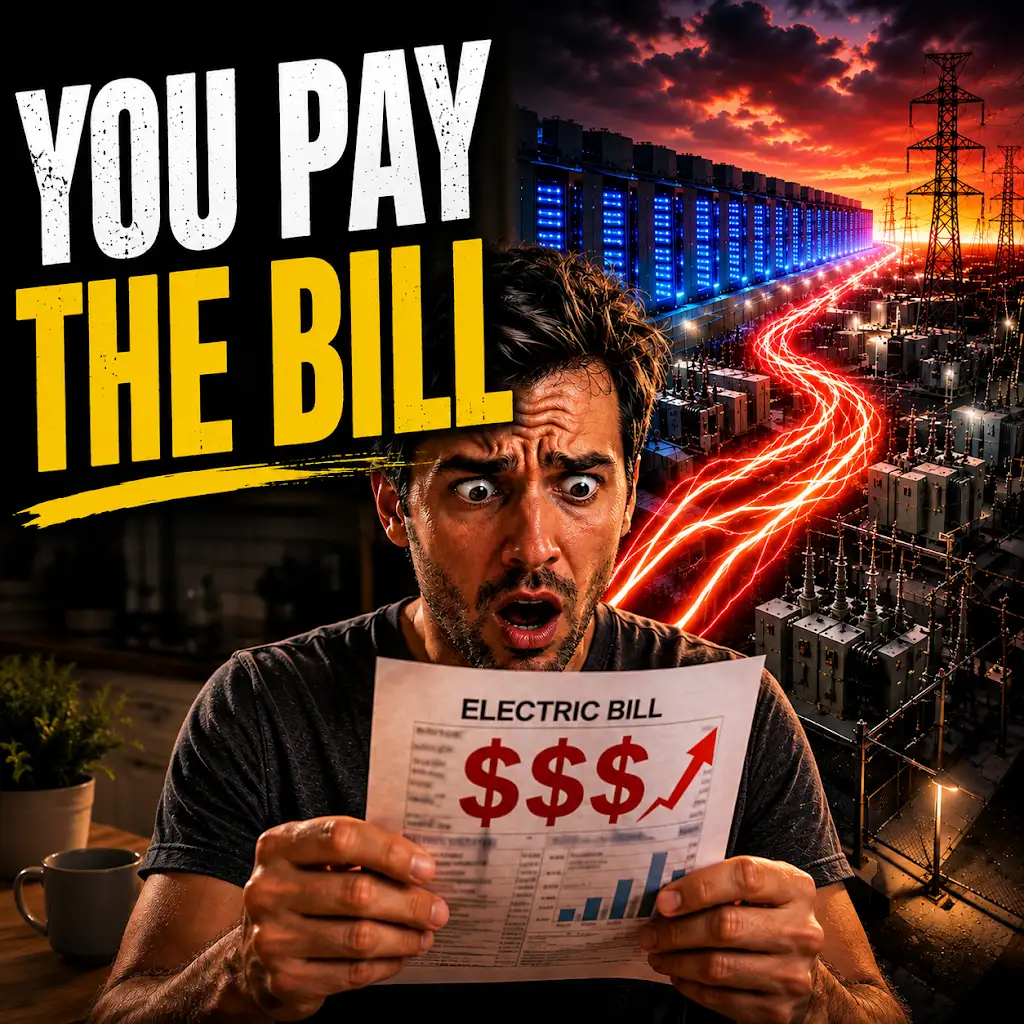
Is AI About to Make Your Electric Bill Even Higher?
FAQs
What are large load electricity tariffs?
Large load electricity tariffs are special pricing structures designed for businesses and industries that consume a significant amount of electricity. These tariffs are typically tailored to the specific needs and usage patterns of large energy consumers.
How do large load electricity tariffs differ from standard tariffs?
Large load electricity tariffs differ from standard tariffs in several ways. They often offer more flexibility in pricing structures, allowing businesses to choose options that align with their specific energy usage patterns. Additionally, large load tariffs may include demand charges, which are based on the highest level of electricity usage during a billing period.
What factors determine the cost of large load electricity tariffs?
The cost of large load electricity tariffs is determined by several factors, including the overall energy consumption of the business, the demand for electricity during peak periods, the specific pricing structure chosen, and any additional fees or charges associated with the tariff.
How can businesses benefit from large load electricity tariffs?
Businesses can benefit from large load electricity tariffs by potentially reducing their overall energy costs. These tariffs offer the opportunity to customize pricing structures to better align with the business’s energy usage patterns, potentially leading to cost savings and improved efficiency.
What should businesses consider before opting for a large load electricity tariff?
Before opting for a large load electricity tariff, businesses should carefully consider their energy usage patterns, peak demand periods, and overall electricity consumption. It’s important to evaluate the potential cost savings and benefits of the tariff compared to standard pricing structures, as well as any potential risks or drawbacks. Consulting with an energy advisor or expert can also be beneficial in making an informed decision.