
You’re holding it in your hand, that plastic rectangle that unlocks a world of possibilities. It’s more than just a payment tool; it’s a gateway to rewards, a carefully crafted economic ecosystem designed to incentivize your spending. But have you ever stopped to truly understand how these rewards work, the intricate dance of economics that makes them possible, and, most importantly, how you can maximize their value? This isn’t about simply swiping and forgetting; it’s about decoding the economics of your credit card rewards.
When you use your credit card, a complex transaction unfolds behind the scenes. It’s not just you and the merchant. There are at least three key players, each with their own economic interests, and understanding their roles is the first step in deciphering the rewards game.
The Cardholder: You, The Consumer
At the forefront of this economic equation, you are the consumer. Your primary motivation for using a rewards credit card is often the tangible benefit you receive – cashback, travel miles, points, or other perks. You’re looking for value, for something that offsets the cost of your spending or enables you to experience something new.
Your Spending Habits: The Foundation of Rewards
Your purchasing behavior is the bedrock upon which the entire rewards system is built. The more you spend, and the types of purchases you make, directly influence the rewards you accrue. Credit card companies analyze your spending patterns to tailor offers and rewards programs, hoping to keep you engaged and loyal.
Your Credit Score: The Gatekeeper to Premium Rewards
Your creditworthiness is paramount. A strong credit score makes you a desirable customer for card issuers. This is because a good score indicates a lower risk of default, allowing them to offer you more attractive rewards programs and higher credit limits. A lower credit score might limit your access to the most lucrative rewards cards.
The Merchant: The Point of Sale’s Partner
Every time you swipe, insert, or tap your card, a merchant is involved. They accept your card as a form of payment, and in doing so, they agree to a set of terms, including the fees they pay. These merchant fees are a crucial component of the credit card economics, as they are the primary source of revenue for the card networks and issuers.
Merchant Discount Fees: The Cost of Doing Business
When a merchant accepts a credit card payment, they typically pay a “merchant discount fee” or “interchange fee” to the card-issuing bank. This fee is a percentage of the transaction amount, plus a small fixed fee. These fees can range from 1% to 3.5% or more, depending on the type of card, the merchant’s industry, and their transaction volume. It’s this fee that ultimately funds the rewards you earn.
Increased Sales Volume: The Merchant’s Incentive
While paying fees might seem like a cost, merchants accept credit cards because the convenience and perceived security they offer often lead to increased sales volume. Customers are more likely to spend more when they have the flexibility of using a credit card, and they may even choose to shop at businesses that accept their preferred payment method. This increased revenue stream helps offset the cost of the fees.
The Card Issuer and Network: The Architects of the System
This is where the magic, or rather, the complex economic engine, truly resides. The card issuer (e.g., Chase, American Express, Capital One) and the card network (e.g., Visa, Mastercard) are the entities that design, manage, and profit from the entire rewards ecosystem.
Interchange Fees: The Issuer’s Revenue Stream
A significant portion of the merchant discount fee flows back to the card issuer. These “interchange fees” are the primary source of revenue for banks that issue credit cards. This revenue is then used to cover the costs of operating the card program, including fraud prevention, customer service, and, crucially, funding the rewards you enjoy.
Network Fees: The Backbone of Transactions
Card networks like Visa and Mastercard charge their own fees to both the issuing banks and the acquiring banks (the merchant’s bank). These “network fees” cover the cost of operating the vast payment infrastructure, ensuring secure and efficient transactions globally.
Profitability Through Volume and Interest: The Ultimate Goal
Ultimately, card issuers and networks aim for profitability. This is achieved through a combination of interchange fees generated from a high volume of transactions and, for issuers, through interest charged on outstanding balances if you don’t pay your bill in full each month. Rewards programs are designed to encourage spending and loyalty, which in turn drives both transaction volume and, for some cardholders, interest revenue.
For those interested in understanding the intricacies of credit card rewards and their economic implications, a related article that delves deeper into this topic can be found at How Wealth Grows. This article provides valuable insights into how credit card rewards programs operate, the psychology behind consumer spending, and strategies for maximizing benefits while minimizing costs.
Decoding the Rewards Mechanism: How Your Spending Translates to Perks
Now that you understand the players, let’s delve into the mechanics of how your spending actually generates rewards. It’s a system designed to incentivize specific behaviors and foster loyalty.
The Points, Miles, and Cashback Engine: A Three-Pronged Approach
Credit card rewards generally fall into three main categories, each with its own underlying economic calculation.
Cashback: The Direct Discount
Cashback is the most straightforward reward. You spend a dollar, and a percentage of that dollar comes back to you as cash or a statement credit.
The Math of Cashback: Simple Percentage Play
If you have a 2% cashback card, for every $100 you spend, you earn $2 back. The card issuer essentially takes a portion of the interchange fee they receive from the merchant and passes it back to you. For example, if the interchange fee is 2.5%, and they give you 2%, they still have 0.5% as profit from that transaction, before other operational costs.
Bonus Categories: Strategic Spending for Higher Returns
Many cards offer bonus categories, such as 3% or 5% cashback on groceries, gas, or dining. This is an economic incentive to direct your spending towards merchants where the issuer might have a stronger partnership or where the interchange fees are higher. By encouraging you to spend more in these categories, they increase their overall revenue and your engagement.
Travel Miles: The Gateway to Getaways
Travel miles, often associated with airline or hotel loyalty programs, are another popular reward. These can be redeemed for flights, hotel stays, car rentals, and other travel-related expenses.
The Valuation Game: How Much is a Mile Worth?
The perceived value of a travel mile can fluctuate significantly. While a mile might be advertised as having a certain cent value (e.g., 1 cent per mile), the actual redemption value can be higher or lower depending on how you use it. Redeeming for a premium cabin on a flight or during peak travel times might yield a higher value per mile than redeeming for a less desirable option. Card issuers leverage this perceived value to encourage spending.
Transfer Partners: Maximizing Redemption Potential
Many travel rewards cards partner with various airlines and hotel chains. This allows you to transfer your points to these partners, often unlocking more lucrative redemption opportunities. Card issuers negotiate these transfer ratios, aiming to provide flexibility and value to cardholders while maintaining their own profitability.
Points Programs: The Flexible Currency
Points programs, like Chase Ultimate Rewards or Amex Membership Rewards, offer the greatest flexibility. These points can often be redeemed for a variety of options, including cashback, travel, gift cards, or merchandise.
Redemption Options and Their Economic Implications
The economic value you get from points depends entirely on your redemption choice. Redeeming points for statement credits might offer a fixed value (e.g., 1 cent per point), while redeeming them for travel through the issuer’s portal or transferring them to a partner airline might yield a higher value per point. Issuers strategically set these redemption rates to guide your choices and maintain profitability.
The Economics of Incentives: Why Card Companies Offer Rewards
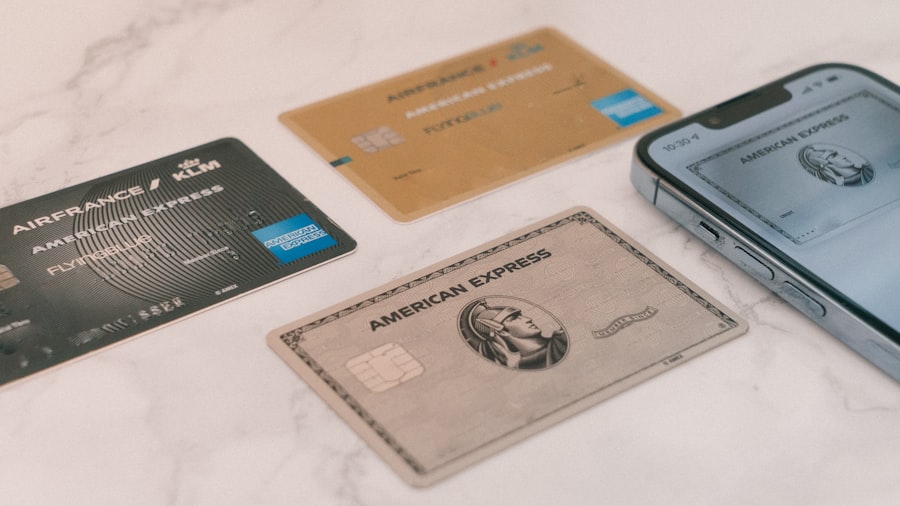
You might wonder why credit card companies are so eager to give you free money (or its equivalent). The answer lies in a sophisticated understanding of consumer behavior and market dynamics. Rewards are not a giveaway; they are a strategic investment.
Driving Spending Volume: The More You Spend, The More They Earn
The fundamental economic driver behind rewards programs is to increase your spending. Every transaction generates revenue for the card issuer and network through interchange fees. The more you use their card, the more revenue they generate.
Acquisition Costs vs. Long-Term Revenue
Issuing a new credit card involves costs for marketing, application processing, and fraud checks. Rewards are a powerful tool to attract new customers and incentivize them to use the card frequently, recouping these acquisition costs and generating significant long-term revenue through transaction fees and potential interest.
Encouraging Higher Ticket Purchases
Rewards can also encourage you to make larger purchases. If you know you’ll earn more rewards on a big purchase, you might be more inclined to go through with it, benefiting both you and the card issuer.
Fostering Loyalty and Reducing Churn: Keeping You in Their Ecosystem
In a competitive market, retaining customers is crucial. Rewards programs are designed to make you less likely to switch to a competitor.
The “Stickiness” of Rewards
Once you’ve accumulated a significant balance of points or miles, you become less likely to close the account or switch to a card with a less rewarding program. The thought of losing those accumulated rewards acts as a powerful deterrent, creating customer “stickiness.”
Competitive Advantage in the Marketplace
Offering attractive rewards is a key differentiator in the credit card industry. To attract and retain desirable customers, issuers must continuously innovate and offer compelling rewards that stand out from the competition.
Data Collection and Personalization: Understanding Your Financial Life
Every transaction you make on your credit card generates data. This data is incredibly valuable to card issuers.
Behavioral Analytics: Tailoring Offers for Maximum Impact
By analyzing your spending habits, card issuers can identify your preferences and tailor specific offers and rewards programs to you. This personalized approach increases the likelihood of you engaging with their products and spending more. They can predict what categories you’re likely to spend more in and offer bonuses accordingly.
Targeted Marketing and Product Development
The data collected helps card issuers understand broader consumer trends, enabling them to develop new products and marketing campaigns that are more likely to resonate with their target audience.
Maximizing Your Rewards: Strategies for the Savvy Consumer

Understanding the economics is only half the battle. The other half is actively employing strategies to maximize the value you receive from your credit card rewards.
Strategic Card Selection: Choosing the Right Tools for Your Spending
Not all rewards cards are created equal, and the best card for you depends entirely on your spending habits and financial goals.
Aligning Cards with Your Spending Patterns
If you spend a lot on groceries and gas, a card with high bonus categories in those areas will be more beneficial than a travel card with flat-rate rewards. Conversely, if you travel frequently, a travel-focused card with perks like lounge access and travel insurance will be more valuable.
Considering Annual Fees and Their Value Proposition
Many premium rewards cards come with annual fees. It’s crucial to assess whether the value of the rewards and perks you receive outweighs the annual fee. Calculate the potential rewards you can earn and compare it to the fee. Sometimes, a card with a higher fee can be more cost-effective if you leverage its benefits fully.
Smart Redemption Strategies: Getting the Most Bang for Your Buck
How you redeem your rewards can significantly impact their value.
Prioritizing High-Value Redemptions
Research the best redemption options for your points or miles. Often, redeeming for travel, especially in premium cabins or during peak seasons, can yield a higher value per point than redeeming for statement credits or merchandise.
Leveraging Transfer Partners for Enhanced Value
If your card offers the ability to transfer points to airline or hotel partners, explore these options. You might find that transferring your points can unlock more lucrative redemptions than using the issuer’s direct redemption portal.
Responsible Credit Card Usage: The Foundation of Rewards Earning
The most effective rewards strategies are built on a foundation of responsible credit card usage.
Paying Your Balance in Full: Avoiding Interest Charges
The most crucial aspect of credit card rewards economics is avoiding interest charges. If you carry a balance, the interest you pay will almost certainly outweigh the value of the rewards you earn. Always aim to pay your statement balance in full and on time each month.
Maintaining a Good Credit Score: Accessing Premium Rewards
Your credit score is your key to unlocking the most lucrative rewards cards. Consistently paying your bills on time, keeping credit utilization low, and avoiding excessive credit applications are essential for maintaining a strong credit score.
Understanding the intricacies of credit card rewards can significantly enhance your financial strategy, and a related article that delves deeper into this topic can be found at How Wealth Grows. This resource offers valuable insights into how to maximize the benefits of various rewards programs, helping you make informed decisions that align with your spending habits. By exploring the economics behind these rewards, you can better navigate the world of credit cards and ultimately improve your financial well-being.
The Future of Rewards: Evolving Economics and Consumer Expectations
| Category | Metrics |
|---|---|
| Annual Fee | Cost of holding the card for a year |
| APR | Annual Percentage Rate for interest on balances |
| Rewards Rate | Percentage of rewards earned on purchases |
| Sign-up Bonus | Extra rewards for new cardholders |
| Redemption Options | Ways to use earned rewards (cash back, travel, merchandise, etc.) |
The credit card rewards landscape is constantly evolving, driven by technological advancements, shifting consumer expectations, and the ongoing pursuit of profitability by card issuers.
The Rise of Digital Wallets and Contactless Payments
The increasing adoption of digital wallets and contactless payment methods is changing how transactions are processed and data is collected. This may lead to new ways of integrating rewards into the payment experience.
Seamless Integration and Real-Time Rewards
Expect to see more seamless integration of rewards into digital wallets, potentially offering real-time redemption options or personalized offers as you shop.
Enhanced Data Analytics and Personalization
The wealth of data generated through digital payments will allow for even more sophisticated analytics, leading to highly personalized rewards and offers tailored to your individual needs and preferences.
Sustainability and Ethical Considerations in Rewards Programs
Consumers are increasingly aware of the environmental and social impact of their spending. This is beginning to influence the design of rewards programs.
Rewards for Sustainable Choices
We might see more rewards programs that incentivize sustainable purchasing decisions, such as offering bonus points for shopping at eco-friendly businesses or for using public transportation.
Transparency and Ethical Sourcing
There may also be a greater emphasis on transparency regarding the economics of rewards programs and a demand for ethically sourced rewards and partnerships.
The Ongoing Arms Race for Customer Loyalty
The competition for customer loyalty in the credit card industry will continue to intensify. This will likely lead to ongoing innovation in rewards programs, with issuers constantly seeking new ways to attract and retain cardholders.
Unique Perks and Experiential Rewards
Beyond traditional cashback and travel, expect to see a rise in unique perks and experiential rewards that cater to niche interests and offer a sense of exclusivity.
Gamification and Engagement Strategies
Card issuers may also explore gamification strategies to make earning and redeeming rewards more engaging and enjoyable, further strengthening customer loyalty.
In conclusion, understanding the economics of your credit card rewards is not just an academic exercise; it’s a practical skill that can save you money and unlock valuable benefits. By recognizing the players involved, deciphering the reward mechanisms, and employing smart strategies, you can transform that plastic rectangle in your hand into a powerful tool for financial gain. The game is set up to benefit the issuers, but with knowledge and strategic thinking, you can ensure you’re playing to win.

How Airlines Make Billions Without Flying You
FAQs
What are credit card rewards?
Credit card rewards are incentives offered by credit card companies to encourage cardholders to make purchases using their credit cards. These rewards can come in the form of cash back, points, or miles that can be redeemed for various benefits such as travel, merchandise, or statement credits.
How do credit card companies afford to offer rewards?
Credit card companies afford to offer rewards by charging merchants interchange fees for processing credit card transactions. These fees are typically a percentage of the transaction amount and are used to fund the rewards programs. Additionally, some credit card companies may also charge annual fees and interest on balances to help cover the costs of offering rewards.
What are the economics behind credit card rewards?
The economics behind credit card rewards involve a complex interplay of interchange fees, annual fees, interest charges, and redemption costs. Credit card companies carefully calculate the costs and benefits of offering rewards to ensure that they can attract and retain cardholders while still generating profits.
How do consumers benefit from credit card rewards?
Consumers benefit from credit card rewards by earning valuable incentives for their everyday spending. These rewards can help offset the cost of purchases, provide travel perks, or even contribute to savings goals. When used responsibly, credit card rewards can provide significant value to consumers.
What should consumers consider when choosing a credit card with rewards?
When choosing a credit card with rewards, consumers should consider factors such as the types of rewards offered, the redemption options available, annual fees, interest rates, and any limitations or restrictions on earning and redeeming rewards. It’s important for consumers to select a credit card that aligns with their spending habits and financial goals.