
You’re standing at the airport, luggage in tow, a familiar sense of anticipation bubbling. Before you even reach check-in, your mind’s already buzzing with the thought of that status tier, those precious miles. But have you ever stopped to wonder about the intricate machinery behind that seemingly simple act of earning and redeeming? You’re about to embark on a journey, not through the skies, but through the complex and fascinating business model of airline loyalty programs. It’s a world where customer acquisition, retention, and revenue generation are intricately woven into the fabric of your frequent flyer account.
At its core, a loyalty program is a powerful tool for airlines to cultivate a dedicated customer base. It’s an investment in your continued patronage, a strategic move to keep you flying their routes, choosing their aircraft, and ultimately, spending your hard-earned money with them. Think of it as a sophisticated courtship, designed to foster a long-term relationship.
The Psychology of Rewards: Why You Keep Coming Back
The appeal of loyalty programs is deeply rooted in human psychology. You’re not just collecting points; you’re collecting aspirations.
The Desire for Recognition and Status
That little silver or gold card isn’t just a piece of plastic; it’s a symbol. It signifies that you’re more than just a passenger; you’re a valued customer, someone the airline recognizes and appreciates. This sense of prestige can be incredibly motivating. You strive to reach higher tiers, not just for the tangible benefits, but for the intrinsic reward of being acknowledged. This is the “status seeker” in you, craving elevation and distinction.
The Power of Perceived Value and Savings
Every mile earned, every point accumulated, feels like a win. It’s a tangible representation of your spending, a promise of future rewards. Even if the actual cash value of those rewards is sometimes debated, the perceived value is immense. You feel like you’re getting something for free, or at least getting a better deal than someone who isn’t enrolled. This sense of saving money, even if it’s a deferred saving, is a powerful motivator.
The Habit Formation Loop: Earning and Redeeming
Loyalty programs are masters of habit formation. The simple act of booking a flight, entering your frequent flyer number, and seeing your balance tick up creates a positive feedback loop. This loop is reinforced when you then redeem those points for a flight upgrade, a free ticket, or a hotel stay. This cycle of earning and redeeming becomes ingrained in your travel planning, making it almost automatic to choose the airline that offers you these rewards.
Beyond Air Travel: Expanding the Loyalty Ecosystem
Airlines understand that your loyalty extends beyond just hopping on a plane. They’ve strategically broadened their loyalty programs to encompass a vast ecosystem of partners, creating multiple touchpoints for you to engage and earn.
Co-Branded Credit Cards: Your Gateway to Accelerated Earning
These are arguably the most crucial components of modern loyalty programs. Your co-branded credit card allows you to earn miles on everyday spending, transforming mundane purchases into potential flight rewards. This constant accumulation, even when you’re not flying, keeps the airline top-of-mind and significantly accelerates your earning potential, making those dream vacations feel more attainable.
Hotel and Car Rental Partnerships: Seamless Integration
When you book a hotel or rent a car, you’re often presented with the option to earn airline miles. This integration makes your travel experience feel cohesive. You’re not just earning for the flight; you’re earning for the entire journey. This convenience and the added benefit of accumulating miles on every aspect of your trip further entrench you within the airline’s loyalty orbit.
Retail and Dining Collaborations: Everyday Earning Opportunities
The reach of loyalty programs extends into your daily life. From shopping online through dedicated portals to dining at partner restaurants, you can earn miles on virtually anything. This constant drip-feed of points keeps the loyalty program alive and relevant, even during periods when you’re not actively traveling.
The airline loyalty program business model has become a crucial aspect of the travel industry, driving customer retention and enhancing revenue streams. For a deeper understanding of how these programs operate and their impact on consumer behavior, you can explore a related article that delves into the intricacies of loyalty schemes and their financial implications. Check out this insightful piece at How Wealth Grows for more information.
The Revenue Engine: How Loyalty Programs Make Money
While it feels like you’re getting a great deal, airlines are not operating these programs out of pure altruism. Loyalty programs are sophisticated revenue-generating machines, designed to create value for the airline in several key areas.
The Value of the Liability: Selling Miles to Partners
This is perhaps the most counterintuitive, yet most significant, revenue stream for loyalty programs. Airlines don’t just give away miles; they sell them. When you use your co-branded credit card, the airline essentially buys those miles from the credit card company at a predetermined rate. This means the airline receives upfront cash for miles that haven’t even been redeemed yet.
Credit Card Partnerships: A Lucrative Alliance
The relationship with credit card companies is a symbiotic one. The credit card companies gain access to a massive customer base and a strong incentive for cardholders to spend more. The airline, in turn, receives a steady stream of revenue from these transactions. This partnership is a cornerstone of the loyalty program business model.
Other Partner Sales: Expanding the Market
Beyond credit cards, airlines sell miles to a wide array of partners, including hotels, car rental companies, and retailers. These partners buy miles to offer as incentives to their own customers, effectively outsourcing their loyalty initiatives to the airline. This diversification of mile sales creates a robust and consistent revenue stream.
Driving Incremental Revenue: Encouraging Higher Spending and Loyalty
Loyalty programs are designed to nudge you towards spending more and choosing the airline over competitors, even if it means a slightly higher cost.
Encouraging Premium Products and Services
As you climb the loyalty tiers, you become eligible for perks like upgrades, lounge access, and priority boarding. These benefits are often tied to purchasing premium cabin fares or more expensive travel options. The allure of these rewards incentivizes you to spend more to achieve them.
The “Lock-In” Effect: Reducing Price Sensitivity
Once you’ve accumulated a significant number of miles or achieved a high status, you’re less likely to switch to a competitor for a slightly cheaper fare. The thought of losing your accumulated benefits or starting from scratch with a new program becomes a powerful deterrent. This “lock-in” effect reduces your price sensitivity and makes you a more predictable and profitable customer.
Ancillary Revenue Generation: The Upsell Opportunity
Loyalty programs create numerous opportunities for airlines to upsell ancillary services. From paying for extra legroom to purchasing Wi-Fi or onboard meals, you’re often presented with options to spend a little extra to enhance your travel experience, and sometimes, these purchases can even earn you more miles.
Data Collection and Monetization: The Unseen Value
Every interaction you have with an airline’s loyalty program generates valuable data. This data is gold for airlines, providing insights into your travel habits, preferences, and spending patterns.
Understanding Customer Behavior: Tailoring Offers
By analyzing your booking history, redemption patterns, and partner usage, airlines can build a detailed profile of your behavior. This allows them to tailor marketing campaigns, offer personalized promotions, and anticipate your future travel needs. This data-driven approach leads to more effective marketing and higher conversion rates.
Targeted Advertising and Partnerships: Monetizing Insights
The anonymized and aggregated data collected can be incredibly valuable to third-party advertisers and businesses looking to reach specific consumer segments. While airlines are often hesitant to directly sell your personal data, they can leverage these insights to strike lucrative advertising deals or form strategic partnerships that align with the travel interests of their members.
The Operational Maze: Managing the Program

Running a successful loyalty program is a complex logistical and operational undertaking. It requires sophisticated IT systems, careful financial management, and a deep understanding of customer service.
The Technology Backbone: Systems and Infrastructure
At the heart of any loyalty program lies a robust technological infrastructure. This system must track every mile earned and redeemed, manage various tiers and benefits, and integrate seamlessly with partner systems.
Software and Database Management: The Engine Room
Sophisticated software is essential for managing the intricate calculations of earning and redemption. Large databases store millions of member profiles, transaction histories, and reward inventories. Ensuring the security and accuracy of this data is paramount.
Integration with Third Parties: A Web of Connections
The ability to integrate with a multitude of partners – credit card processors, hotel booking systems, car rental platforms, and retail portals – is crucial. This requires complex APIs and ongoing maintenance to ensure smooth data flow and accurate reward accrual.
Financial Management: Balancing the Books
The financial management of a loyalty program is a delicate balancing act. Airlines must ensure that the value of accrued miles doesn’t exceed the revenue generated from their sale and that the program remains profitable.
Actuarial Modeling: Predicting Redemption Rates
Airlines employ actuaries to model redemption rates, understanding how many miles members are likely to redeem and when. This helps them forecast their liabilities and manage their financial exposure.
Cost Control: Optimizing Reward Fulfillment
Careful management of reward fulfillment is essential. This includes negotiating favorable rates with suppliers for flights, hotels, and other rewards, and optimizing the redemption process to minimize operational costs.
Customer Service and Support: The Human Element
While technology is crucial, the human element of customer service remains vital. Members with questions about their accounts, redemptions, or benefits need prompt and efficient support.
Dedicated Support Teams: Addressing Member Queries
Loyalty programs often have dedicated customer service teams trained to handle the unique queries of frequent flyer members. This ensures that members feel supported and valued, even when encountering issues.
Managing Expectations: The Nuances of Rewards
Clearly communicating the terms and conditions of the program, including blackout dates and reward availability, is crucial for managing customer expectations and minimizing dissatisfaction.
The Future of Airline Loyalty: Evolution and Innovation
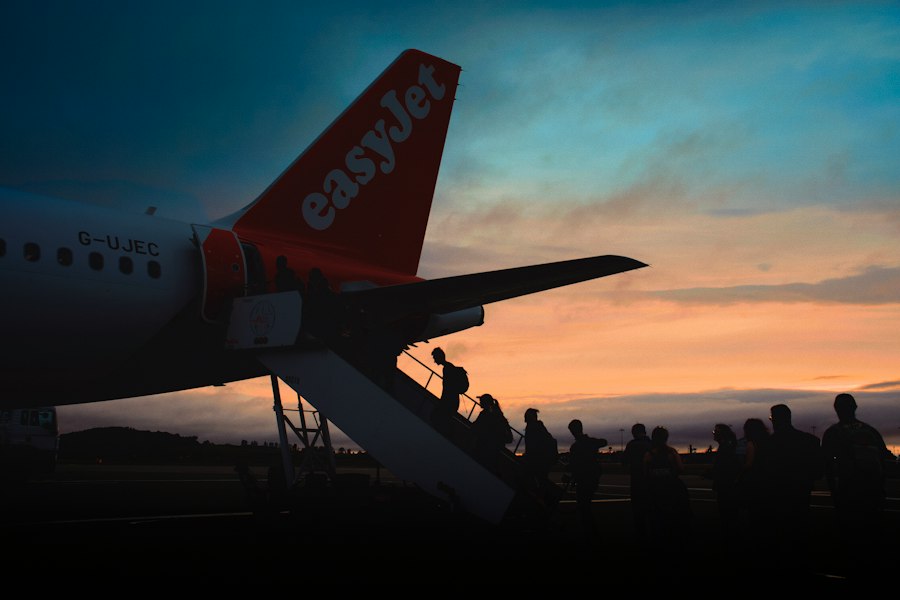
The airline loyalty landscape is constantly evolving. Airlines are continuously innovating to stay ahead of the curve and to adapt to changing consumer behaviors and technological advancements.
Personalization and Hyper-Targeting: Beyond Generic Offers
The future of loyalty lies in hyper-personalization. Airlines are moving away from one-size-fits-all offers and towards highly tailored experiences.
AI and Machine Learning: Understanding Individual Needs
Artificial intelligence and machine learning are being used to analyze vast amounts of data and predict individual member needs. This allows for the delivery of highly relevant offers, personalized travel recommendations, and customized reward options.
Dynamic Pricing and Rewards: Flexibility is Key
Expect to see more dynamic pricing for rewards, where the mileage cost of a flight can fluctuate based on demand. This allows airlines to better manage their reward inventory and offer more flexibility to members.
Experiential Rewards: More Than Just Flights
The focus is shifting from purely transactional rewards to experiential ones. Airlines are recognizing that some members value unique experiences over simply accumulating more miles.
Exclusive Events and Access: Beyond the Ordinary
This could include access to VIP events, behind-the-scenes tours, or even opportunities to meet pilots or airline executives. These “money-can’t-buy” experiences create a unique emotional connection with the brand.
Charitable Donations and Social Impact: Giving Back
Some programs are incorporating options for members to donate their miles to charitable causes or to participate in social impact initiatives, appealing to a growing desire for purpose-driven engagement.
Sustainability and ESG: A Growing Consideration
As environmental concerns rise, loyalty programs are beginning to incorporate sustainability initiatives.
Carbon Offsetting Options: Reducing Your Footprint
Members may soon have the option to offset the carbon footprint of their flights using their miles or through additional contributions, aligning with a growing consumer demand for eco-conscious choices.
Partnerships with Sustainable Brands: Conscious Consumption
Airlines might partner with sustainable brands, allowing members to earn miles on eco-friendly purchases, further integrating sustainability into the loyalty ecosystem.
The intricacies of airline loyalty programs are fascinating, as they play a crucial role in the business model of airlines, driving customer retention and revenue. For a deeper understanding of how these programs work and their impact on consumer behavior, you can explore a related article that delves into the various strategies employed by airlines to enhance customer loyalty. This insightful piece can be found here, providing valuable information on the subject.
The Bottom Line: A Win-Win (Mostly) Scenario
| Key Metrics | Description |
|---|---|
| Number of Members | The total number of customers enrolled in the loyalty program. |
| Revenue from Loyalty Program | The total revenue generated from the loyalty program, including membership fees and points purchases. |
| Redemption Rate | The percentage of points or miles redeemed by members compared to the total points or miles issued. |
| Engagement Rate | The percentage of active members who regularly participate in the loyalty program activities. |
| Cost per Acquisition | The average cost to acquire a new member for the loyalty program. |
Ultimately, the airline loyalty program business model is a sophisticated ecosystem designed for mutual benefit. You, the traveler, gain access to a world of rewards, recognition, and a more enriched travel experience. You get to feel like a VIP, enjoy the thrill of earning, and the satisfaction of redeeming. For the airlines, these programs are powerful engines of customer acquisition and retention, driving significant revenue through mile sales, encouraging higher spending, and providing invaluable data insights. It’s a carefully orchestrated dance between your desire for more and their strategic need to keep you flying their way. So, the next time you flash your frequent flyer card, remember the intricate business model that makes it all possible – a testament to the enduring power of loyalty in the skies.

How Airlines Make Billions Without Flying You
FAQs
What is an airline loyalty program?
An airline loyalty program is a marketing strategy designed to encourage customers to continue using the services of a particular airline. Customers earn points or miles for their travel with the airline, which can be redeemed for rewards such as free flights, upgrades, and other benefits.
How do airline loyalty programs make money?
Airline loyalty programs make money through a variety of channels, including selling miles to partner companies such as credit card issuers and hotels, as well as through the sale of miles to members for the purpose of redeeming rewards. Additionally, airlines generate revenue from the increased customer loyalty and repeat business that loyalty programs foster.
What are the benefits of an airline loyalty program for customers?
Customers benefit from airline loyalty programs by earning points or miles for their travel, which can be redeemed for free flights, upgrades, priority boarding, lounge access, and other perks. Loyalty program members also receive exclusive offers and promotions, as well as the opportunity to earn elite status with the airline for additional benefits.
How do airlines use data from loyalty programs?
Airlines use data from loyalty programs to gain insights into customer behavior, preferences, and travel patterns. This data allows airlines to tailor marketing efforts, personalize offers, and improve the overall customer experience. Additionally, airlines can use loyalty program data to identify and target high-value customers for special promotions and incentives.
What are some examples of airline loyalty programs?
Examples of airline loyalty programs include American Airlines AAdvantage, Delta SkyMiles, United MileagePlus, and Southwest Rapid Rewards. These programs are offered by major airlines and provide members with the opportunity to earn and redeem points or miles for travel rewards.