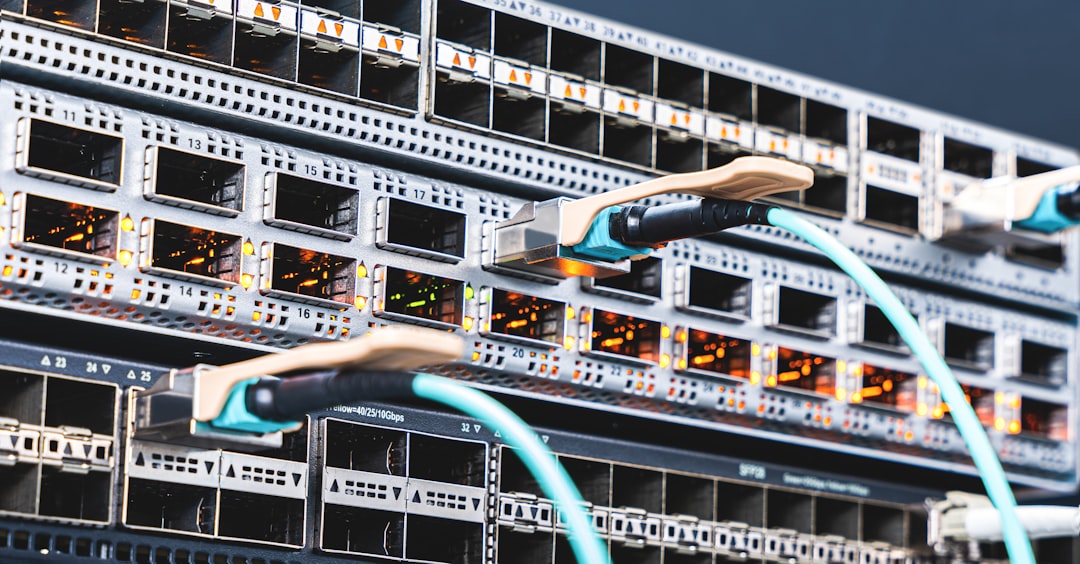
Your world hums with invisible energy. Every click, every swipe, every stream relies on a vast, often unseen, network of data centers. These digital fortresses are the backbone of our modern lives, but their insatiable appetite for power is placing an unprecedented strain on the very grids that fuel them. You are experiencing this firsthand, as the demand for data grows exponentially, so too does the pressure on our electrical infrastructure. This isn’t a problem for some distant future; it’s a challenge you face today, demanding innovative solutions to ensure your digital future doesn’t dim your lights.
You might not think about it, but every time you access a website, stream a movie, or participate in a video conference, you’re contributing to the energy demand of a data center. These massive facilities, packed with servers, cooling systems, and sophisticated networking equipment, are the engines of the digital age. Their power consumption isn’t just a minor detail; it’s a significant and rapidly growing component of global electricity demand.
The Scale of the Problem: A Growing Appetite for Electricity
Imagine a single data center. It’s not just a few computers in a room; it’s a sprawling campus, often the size of multiple football fields, housing tens of thousands, if not millions, of servers. Each server, along with its associated cooling mechanisms and power distribution units, consumes a substantial amount of electricity. When you multiply this by the thousands of data centers operating globally, the numbers become staggering.
Servers and Processors: The Heart of the Demand
At the core of a data center’s power usage are the servers themselves. These machines are constantly working, processing requests, storing data, and running complex algorithms. The processors within these servers generate heat, which in turn requires energy-intensive cooling systems to maintain optimal operating temperatures. The more processing power you demand from the digital world, the more power these servers consume. This includes everything from the artificial intelligence models that are revolutionizing industries to the simple act of sending an email.
Cooling Systems: A Constant Battle Against Heat
Data centers generate an immense amount of heat. This heat is the byproduct of all those processors working tirelessly. To prevent equipment failure and ensure optimal performance, these facilities employ sophisticated cooling systems. These can range from traditional air conditioning units to more advanced liquid cooling solutions. Regardless of the method, these cooling systems are responsible for a significant portion of a data center’s overall energy consumption. In some cases, cooling can account for as much as 40% of a data center’s total energy bill.
Power Distribution and Ancillary Equipment: The Unseen Consumers
Beyond the servers and cooling systems, data centers also have a multitude of other power-consuming components. This includes Uninterruptible Power Supplies (UPS), which provide backup power in case of grid outages, generators, lighting, security systems, and networking equipment. While individually these might seem less significant, collectively they add to the overall energy burden. The efficiency of the power distribution infrastructure within the data center itself also plays a crucial role in determining its total energy footprint.
The increasing demand for data centers has significant implications for grid infrastructure, as highlighted in a related article that discusses the challenges and opportunities presented by this growing sector. As data centers consume vast amounts of energy, their impact on local and national power grids becomes a critical concern for energy providers and policymakers alike. For more insights on how data centers are reshaping energy consumption and infrastructure, you can read the article here: How Wealth Grows.
The Strain on Grid Infrastructure: Challenges You’re Already Feeling
The rapid growth of data centers, coupled with their substantial power demands, is not occurring in a vacuum. It’s directly impacting the existing electrical grid infrastructure, leading to a host of challenges that you are beginning to experience and will increasingly face. The grid, designed for a different era of energy consumption, is struggling to keep pace.
Increased Demand and Peak Load: Pushing the Limits
The most immediate impact of data center growth is the sheer increase in electricity demand. This isn’t just a steady increase; it’s often concentrated in specific geographic areas where data centers are clustered. This surge in demand can push the grid to its limits, especially during peak hours when overall electricity consumption is already high.
Geographic Concentration: Localized Stress Points
Data centers are not distributed evenly. They tend to cluster in areas with reliable power supplies, access to fiber optic networks, and sometimes favorable economic incentives. This geographic concentration means that certain regions of the grid are experiencing disproportionately high demand increases. This can lead to localized grid congestion, voltage instability, and an increased risk of blackouts. You might notice this as brownouts or more frequent power interruptions in areas with a high density of data centers.
Peak Load Management: The Balancing Act
The grid operates on a delicate balance between supply and demand. When demand spikes, particularly during peak times (e.g., hot summer afternoons when everyone is running air conditioners), the grid operators have to work hard to ensure there’s enough electricity to go around. The addition of massive data center loads exacerbates this challenge, making it more difficult to manage peak demand and increasing the reliance on less efficient or more expensive peaker plants.
Grid Stability and Reliability: The Risk of Instability
The introduction of large, fluctuating loads like data centers can have a significant impact on the stability and reliability of the entire electrical grid. Subtle imbalances can cascade into larger problems, potentially leading to widespread outages.
Voltage Fluctuations: A Subtle but Serious Threat
The massive power draw of data centers can cause voltage fluctuations on the grid. If these fluctuations are not properly managed, they can damage sensitive electronic equipment, including the very servers within the data center, as well as other businesses and homes connected to the same grid. You might not directly perceive voltage fluctuations, but they can contribute to the premature failure of your electronic devices.
Grid Congestion and Bottlenecks: The Flow of Power
Similar to traffic jams on a highway, the electrical grid can experience congestion. When demand in a particular area exceeds the capacity of the transmission lines, power flow can be restricted. Data centers, with their immense and often constant power needs, can create significant bottlenecks, preventing electricity from reaching other areas where it’s needed. This can lead to inefficiencies and increased energy costs for everyone.
The Need for Upgrades: A Costly Undertaking
The existing grid infrastructure in many areas was not designed to accommodate the scale of power consumption required by modern data centers. This necessitates significant and costly upgrades to transformers, substations, and transmission lines. These upgrades represent a substantial investment, and the question of who bears these costs – data center operators, utilities, or consumers – is a complex one.
Solutions on the Horizon: Powering the Digital Future Responsibly
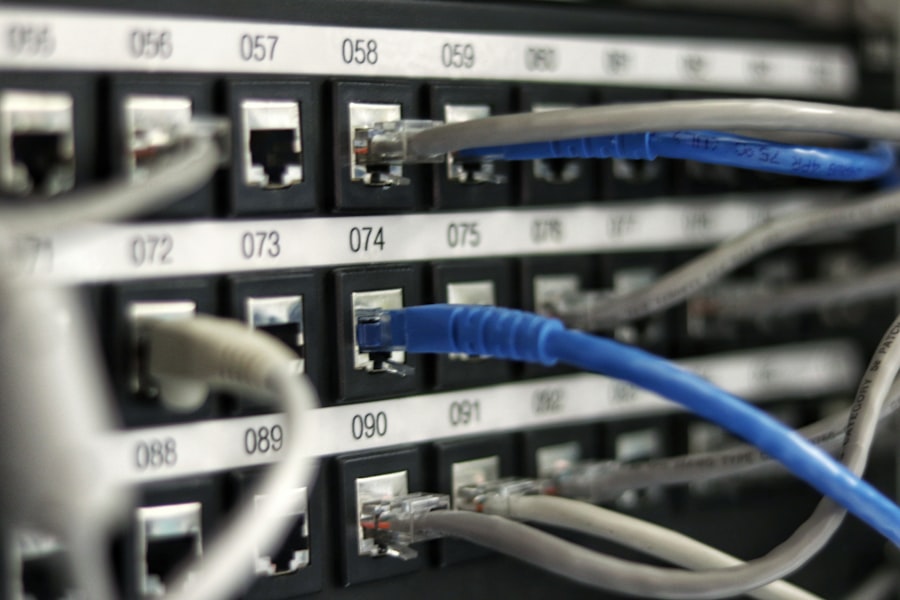
The challenges posed by data center power consumption are undeniable, but they are not insurmountable. A multi-faceted approach, involving technological innovation, smart policy, and collaborative efforts, is essential to ensure your digital future is sustainable and reliable.
Renewable Energy Integration: A Greener Grid
The most impactful solution lies in shifting the energy source for data centers away from fossil fuels and towards renewable energy. This not only reduces the carbon footprint but can also alleviate some of the strain on traditional grid infrastructure.
Power Purchase Agreements (PPAs): Securing Clean Energy
Many data center operators are now entering into Power Purchase Agreements (PPAs) with renewable energy developers. These agreements allow data centers to directly purchase electricity from solar or wind farms, effectively committing to consume clean energy. This provides a stable revenue stream for renewable projects and allows data centers to achieve their sustainability goals.
On-site Generation: Decentralized Power
Some forward-thinking data centers are exploring on-site renewable energy generation. This could involve installing solar panels on the facility’s roof or exploring microgrid solutions that combine various renewable sources with battery storage. This not only provides a direct source of clean power but also enhances energy resilience.
Grid-Scale Renewables: A Collective Effort
Beyond individual data centers, there’s a growing emphasis on increasing the overall proportion of renewable energy on the grid itself. As more renewable energy sources are integrated, the grid becomes inherently cleaner and more sustainable, benefiting all consumers, including data centers.
Energy Efficiency Measures: Doing More with Less
Reducing the energy consumption within data centers themselves is a critical component of the solution. This involves optimizing existing infrastructure and adopting new, more efficient technologies.
Advanced Cooling Technologies: Smarter Heat Management
Innovations in cooling are paramount. This includes exploring techniques like free cooling (using outside air to cool equipment when ambient temperatures are low), liquid cooling (which is more efficient than air cooling), and sophisticated airflow management within the data center. The goal is to reduce the energy spent on simply keeping the servers cool.
Server Virtualization and Optimization: Maximizing Resource Utilization
Server virtualization allows multiple virtual servers to run on a single physical server. This significantly reduces the number of physical servers needed, thereby lowering power consumption. Furthermore, optimizing software and workloads to run more efficiently can also lead to substantial energy savings.
Data Center Design and Location: Strategic Placement
The design of a data center itself can impact its energy efficiency. Features like optimized airflow, efficient lighting, and smart power distribution systems can make a difference. Strategic location is also important, considering factors like proximity to renewable energy sources and the capacity of the local grid.
Smart Grid Technologies: The Intelligent Network
The evolution of the electrical grid itself, often referred to as the “smart grid,” offers crucial solutions for managing the complex demands of data centers.
Demand Response Programs: Shifting the Load
Demand response programs incentivize large energy consumers, like data centers, to reduce their electricity consumption during periods of high grid stress. This can involve temporarily throttling back non-essential operations or shifting workloads to times when grid demand is lower.
Energy Storage Solutions: Buffering the Fluctuations
Battery energy storage systems (BESS) are becoming increasingly important. They can store excess renewable energy and discharge it when needed, helping to stabilize the grid and meet peak demand. For data centers, BESS can also provide critical backup power, further enhancing reliability.
Grid Modernization and Automation: Enhanced Control
Smart grids employ advanced sensors, communication networks, and automated control systems. This allows grid operators to monitor power flow in real-time, identify potential issues, and respond more effectively to changing conditions. This enhanced visibility and control are essential for managing the complex interplay between data centers and the grid.
Policy and Regulation: Guiding the Digital Evolution
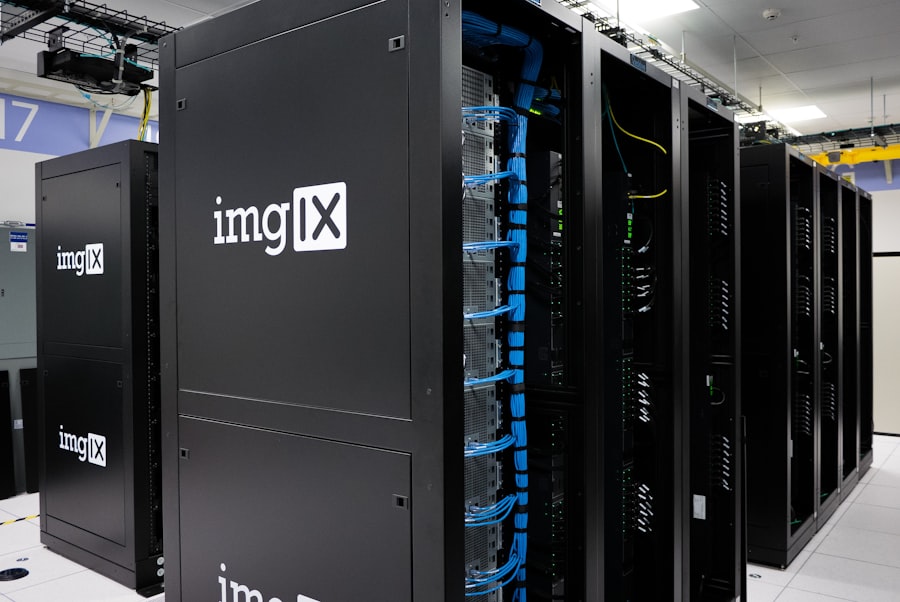
The transition to a sustainable data center ecosystem cannot happen organically. Effective policy and regulation play a vital role in incentivizing responsible practices and ensuring equitable outcomes.
Incentivizing Sustainability: The Carrot and the Stick
Governments and regulatory bodies can implement policies that encourage data centers to adopt sustainable practices. This can include tax incentives for investing in renewable energy and energy efficiency, as well as stricter emissions standards.
Renewable Energy Mandates: Setting Clear Goals
Implementing renewable energy mandates for data centers can drive significant investment in clean energy infrastructure. These mandates can set clear targets for the percentage of electricity that data centers must source from renewable sources, pushing the industry towards decarbonization.
Energy Efficiency Standards: Benchmarking Performance
Establishing energy efficiency standards for data centers can help to create a baseline for performance and encourage continuous improvement. These standards can cover various aspects, from cooling efficiency to server utilization.
Grid Planning and Investment: Future-Proofing the Infrastructure
Effective grid planning is crucial to ensure that the infrastructure can support future energy demands, including those from data centers. This requires collaboration between utilities, data center operators, and policymakers.
Long-Term Infrastructure Development: Proactive Investment
Utilities need to invest proactively in grid upgrades and expansions to accommodate the growing demand from data centers and the increasing integration of renewable energy. This long-term planning is essential to avoid future bottlenecks and ensure grid reliability.
Interconnection Standards and Processes: Streamlining the Process
The process for connecting new data centers to the grid can often be lengthy and complex. Streamlining interconnection standards and processes can help to accelerate the deployment of data centers while ensuring that they are connected in a grid-friendly manner.
Collaboration and Information Sharing: A United Front
Addressing the challenges of data center impact on the grid requires unprecedented collaboration between various stakeholders. Open communication and the sharing of best practices are essential.
Industry Best Practices: Learning from Each Other
Data center operators, utilities, and technology providers can benefit from sharing knowledge about successful energy efficiency strategies, renewable energy integration methods, and grid management techniques. This fosters a culture of continuous improvement across the industry.
Public-Private Partnerships: Driving Innovation
Forming public-private partnerships can accelerate the development and deployment of innovative solutions. These collaborations can leverage the resources and expertise of both sectors to address complex challenges.
The increasing demand for data centers has significant implications for grid infrastructure, as they require substantial amounts of energy to operate efficiently. A recent article explores how the integration of renewable energy sources can help mitigate the strain on electrical grids caused by these facilities. For more insights on this topic, you can read the full article here. Understanding the relationship between data centers and energy consumption is crucial for developing sustainable solutions that benefit both technology and the environment.
The Future of Power: Your Role in a Sustainable Digital World
| Metrics | Data Center Impact on Grid Infrastructure |
|---|---|
| Energy Consumption | Increased demand for electricity from the grid |
| Peak Load | Higher peak loads during data center operation hours |
| Grid Stability | Potential strain on grid stability due to data center power usage |
| Renewable Energy Integration | Possibility of integrating renewable energy sources to offset data center energy consumption |
You are not just a passive observer in this evolving landscape. Your choices, your awareness, and your engagement can all contribute to a more sustainable digital future. The decisions made today regarding data center power consumption will shape the energy landscape for generations to come.
Consumer Awareness and Demand: Driving Change
As consumers, your growing awareness of the environmental impact of digital technologies can drive change. When you choose services from companies that prioritize sustainability or advocate for greener policies, you send a clear message.
Digital Footprint Consciousness: Understanding Your Impact
Understanding your own digital footprint – the amount of data you generate and consume – can lead to more mindful usage. While individual actions might seem small, collectively they can create a significant shift.
Supporting Sustainable Businesses: Voting with Your Wallet
By supporting companies that are demonstrably committed to renewable energy and energy efficiency in their data center operations, you directly influence market demand and encourage greater adoption of sustainable practices.
Policy Advocacy and Engagement: Shaping the Future
Your voice matters in shaping policies and regulations that govern data center development and grid infrastructure. Engaging with your elected officials and participating in public discourse are crucial.
Advocating for Smart Grid Investment: Prioritizing Modernization
Advocating for increased investment in smart grid technologies and renewable energy infrastructure ensures that our power systems are equipped to handle the demands of the digital age.
Supporting Data Center Sustainability Initiatives: Encouraging Responsible Growth
Supporting policies that incentivize data center sustainability, such as renewable energy mandates and energy efficiency standards, helps to guide the industry towards a more responsible growth trajectory.
Innovation and Adaptation: Embracing New Technologies
The rapid pace of technological advancement means that new solutions will continue to emerge. Staying informed and adaptable is key to navigating this evolving landscape.
Embracing Energy-Efficient Devices: A Small Step, Big Impact
Even the devices you use daily can contribute to energy efficiency. Choosing energy-efficient appliances and electronics, and ensuring they are properly maintained, can collectively reduce overall electricity demand.
Anticipating Future Trends: The Evolving Data Landscape
The demand for data is only expected to grow, driven by advancements in AI, the Internet of Things (IoT), and immersive technologies. Understanding these trends allows for proactive planning and adaptation of both data center operations and grid infrastructure.
The relationship between your digital life and the electrical grid is symbiotic. As you increasingly rely on data, the grid must adapt. By understanding the challenges, embracing the solutions, and actively participating in the conversation, you can help ensure that your digital future is powered not just efficiently, but also sustainably, illuminating your world without dimming its prospects.
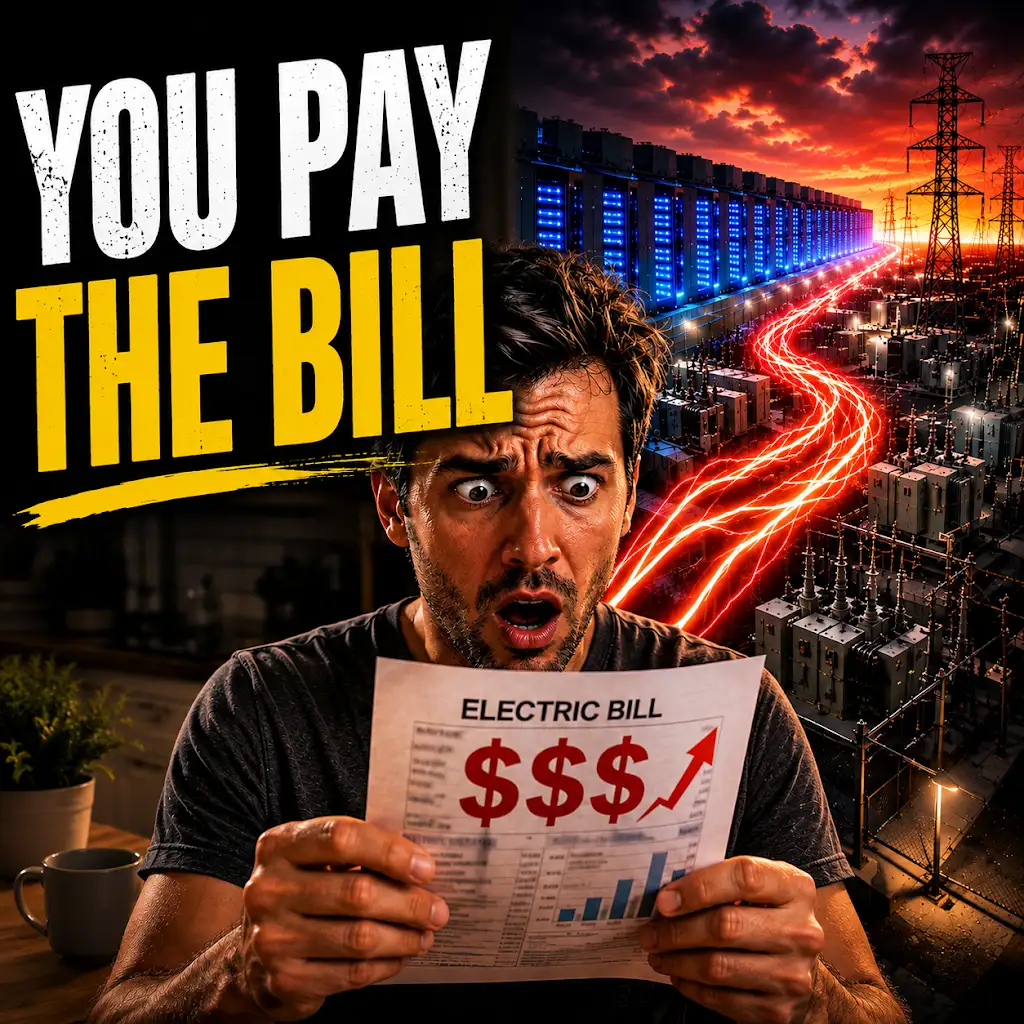
Is AI About to Make Your Electric Bill Even Higher?
FAQs
What is the impact of data centers on grid infrastructure?
Data centers can have a significant impact on grid infrastructure due to their high energy consumption. The demand for power from data centers can strain the grid, leading to potential power outages and increased costs for grid operators.
How do data centers affect the reliability of the grid?
Data centers can affect the reliability of the grid by placing a heavy demand on the power supply. This can lead to overloads and potential disruptions in the grid, impacting the reliability of electricity supply to other users.
What are the challenges for grid operators in managing data center energy consumption?
Grid operators face challenges in managing data center energy consumption, including the need to balance supply and demand, integrate renewable energy sources, and ensure grid stability in the face of fluctuating data center power needs.
What are some potential solutions to mitigate the impact of data centers on grid infrastructure?
Potential solutions to mitigate the impact of data centers on grid infrastructure include improving energy efficiency in data centers, implementing demand response programs, and deploying energy storage systems to help manage peak power demands.
How can data centers and grid operators work together to address these challenges?
Data centers and grid operators can work together to address these challenges by collaborating on energy management strategies, exploring the use of smart grid technologies, and investing in infrastructure upgrades to support the growing demand for data center power.