You’ve invested heavily in your data center – cutting-edge hardware, robust networking, and a secure, controlled environment. But have you truly considered the unseen, yet ever-present, force that fuels it all: electricity? The cost of that power isn’t just a line item on your budget; it’s a dynamic factor that profoundly impacts every facet of your data center’s operations, from strategic planning to day-to-day efficiency. Navigating these electricity rates is more than just paying a bill; it’s about understanding a fundamental driver of your business’s technological backbone.
The Fundamental Cost of Keeping the Lights On
Electricity is the lifeblood of your data center. Without a constant, reliable flow of power, your servers go dark, your networks collapse, and your business grinds to a halt. This fundamental reliance translates directly into a significant operational expense, and it’s here that you first encounter the complexities of data center electricity rates. These rates are not static; they fluctuate based on a multitude of factors, and understanding these influences is crucial for effective cost management and operational resilience.
Understanding the Components of Your Electricity Bill
Your monthly electricity bill for the data center isn’t a simple per-kilowatt-hour charge. It’s a layered structure designed to reflect the cost of generating, transmitting, and distributing power, as well as the demand you place on the grid.
Energy Charges: The Direct Cost of Consumption
At its core, this is the cost associated with the actual amount of electricity you consume, measured in kilowatt-hours (kWh). This seems straightforward, but even here, nuances exist. The price per kWh can vary significantly based on your utility provider, your location, and the time of day you consume the most power. Understanding your peak and off-peak usage patterns can reveal opportunities for savings.
Demand Charges: The Cost of Peak Load
This is where the true impact on data center operations becomes apparent. Demand charges are levied based on your highest electricity usage within a specific billing period (often a month). Even if your average consumption is relatively low, a single surge in power demand can result in a disproportionately high charge for that month. For a data center, where the constant hum of thousands of servers and critical cooling systems creates a significant and sustained load, demand charges can be a substantial portion of your overall bill. This directly influences how you design and manage your power infrastructure.
Transmission and Distribution Charges: The Infrastructure Investment
These charges cover the costs associated with getting electricity from the power plant to your data center. This includes maintaining the high-voltage transmission lines and the local distribution networks. While you have little direct control over these components, their costs are factored into the overall rate you pay, reflecting the utility’s investment in keeping the grid operational.
Ancillary Services and Other Fees: The Grid’s Support System
Beyond the direct energy and demand costs, your bill may include charges for various ancillary services that ensure the stability and reliability of the electricity grid. These can include fees for frequency regulation, voltage support, and capacity reserves. These are often a smaller percentage of the total bill but contribute to the overall cost structure.
For those interested in understanding the relationship between data centers and electricity rates, a comprehensive article can be found at this link: How Wealth Grows. This resource delves into the factors influencing electricity costs for data centers, including energy efficiency measures and the impact of renewable energy sources. By exploring these aspects, readers can gain valuable insights into how data centers can optimize their operations while managing electricity expenses effectively.
The Location Factor: Geographical Influences on Electricity Rates
Where your data center is situated is a powerful determinant of your electricity costs. Utilities operate within different regulatory frameworks, draw from diverse energy mixes, and serve distinct geographical regions, all of which contribute to varying rate structures.
Utility Provider Structures and Regulations
Each utility company has its own rate schedules, often approved by state public utility commissions. These schedules are designed to recover their operational costs, invest in infrastructure, and meet regulatory requirements. You’ll find significant differences in how utilities structure their commercial and industrial rates, including the application of demand charges, time-of-use pricing, and special programs for large energy consumers.
State and Local Policies on Energy
Government policies at the state and local level can have a profound impact on electricity prices. Some states actively promote renewable energy, which can influence the cost of power. Others may have specific taxes or surcharges related to energy consumption or infrastructure development. Understanding the regulatory landscape in your chosen location is paramount.
Proximity to Generation Sources and Grid Infrastructure
Data centers located closer to power generation facilities or major transmission hubs might benefit from lower transmission costs. Conversely, a data center in a remote location, requiring extensive new infrastructure to connect to the grid, could face higher distribution charges. This proximity also influences reliability and the speed of response in case of outages.
Regional Energy Mixes: The Cost of Different Power Sources
The primary sources of electricity in a region significantly influence its overall cost.
Fossil Fuels: Volatility and Environmental Costs
Regions heavily reliant on natural gas or coal may experience more volatile electricity prices, as these commodities are subject to global market fluctuations and geopolitical events. While historically often cheaper, the environmental costs and increasing regulations surrounding fossil fuels are gradually shifting this balance.
Renewable Energy: Growing Accessibility and Long-Term Stability
As renewable energy sources like solar and wind become more prevalent, they can offer more stable and predictable electricity prices, especially when secured through long-term power purchase agreements (PPAs). However, the initial investment in renewable infrastructure and the intermittent nature of some renewables can also influence initial costs.
Nuclear Power: High Upfront Costs, Low Operating Expenses
Nuclear power plants have very high upfront construction costs but generally low and stable operating costs. Regions with a significant nuclear presence may benefit from consistent, lower-cost electricity, though the long-term management and security of nuclear facilities are also factored into the overall energy landscape.
Operational Impacts: How Rates Shape Your Data Center’s Design and Management
The electricity rates you face are not merely a financial consideration; they actively shape how you design, build, and operate your data center. These costs can influence everything from your initial site selection to your ongoing cooling strategies.
Site Selection and Facility Design
The electricity rate environment is a critical factor in deciding where to build or expand a data center.
Power Availability and Cost as a Primary Driver
When considering new sites, the availability of affordable and reliable power is often the first criterion. Data center developers will meticulously analyze the electricity rates and future projections of various locations to ensure long-term cost viability. This can lead to concentrations of data centers in regions with historically low power costs, like the Pacific Northwest or parts of the Midwest.
Infrastructure Requirements and Grid Capacity
Beyond just the rate, you need to ensure the local grid has the capacity to handle your significant power demands. Building a data center in an area with insufficient infrastructure will likely lead to higher connection fees and potential reliability issues.
Power Management Strategies: Minimizing Consumption and Cost
Understanding your electricity rate structure empowers you to implement intelligent power management strategies.
Optimizing Server Utilization and Load Balancing
Maximizing the utilization of your existing server hardware is a direct way to reduce overall electricity consumption. Efficient load balancing ensures that your servers are not idling unnecessarily and that workloads are distributed to minimize peak demand.
Implementing Power-Efficient Hardware and Technologies
Investing in servers, storage, and networking equipment that is designed for energy efficiency can yield significant long-term savings. Newer generations of hardware often offer improved performance per watt.
Advanced Cooling Techniques and Efficiency
Cooling systems are a massive consumer of electricity in a data center. Implementing advanced cooling techniques, such as free cooling (using outside air), liquid cooling, or optimizing airflow, can dramatically reduce power consumption and, consequently, your electricity bills.
Predicting and Mitigating Fluctuations
The inherent volatility of electricity prices necessitates proactive planning and risk mitigation.
Forecasting Future Electricity Costs
Accurate forecasting of future electricity prices is essential for long-term budgeting and strategic decision-making. This involves analyzing historical data, understanding market trends, and considering potential regulatory changes.
Exploring Power Purchase Agreements (PPAs) and Hedging Strategies
For large data center operators, entering into long-term PPAs with utility providers or renewable energy developers can lock in electricity prices for extended periods, providing crucial cost stability and predictability. Hedging strategies can also be employed to mitigate exposure to price volatility.
The Role of Energy Efficiency: A Data Center’s Best Friend
In the context of electricity rates, energy efficiency is not just a buzzword; it’s a direct pathway to operational savings and a more sustainable data center. Every watt saved is a watt you don’t have to pay for, and in the data center world, those watts add up quickly.
Measuring and Monitoring Energy Consumption
You can’t manage what you don’t measure. Implementing robust energy monitoring systems is the first step to understanding where your power is going.
Power Usage Effectiveness (PUE): The Key Metric
PUE is a widely accepted metric for measuring the energy efficiency of a data center. It is calculated by dividing the total energy entering the data center by the energy delivered to the IT equipment. A PUE of 1.0 represents perfect efficiency (which is practically unattainable). Lower PUE values indicate higher efficiency. Your goal is to consistently strive for lower PUE.
Granular Monitoring of IT and Facility Systems
Beyond overall PUE, you need to monitor the energy consumption of individual server racks, cooling units, and other facility components. This granular data allows you to identify specific areas of inefficiency and target your improvement efforts.
Implementing Efficiency Best Practices
Once you have a clear understanding of your energy consumption, you can implement a range of best practices to improve efficiency.
Virtualization and Consolidation
Virtualizing your servers allows you to run multiple virtual machines on a single physical server. This significantly reduces the number of physical servers required, leading to less power consumption, less heat generation, and lower cooling needs. Server consolidation initiatives are a continuous effort to optimize hardware utilization.
Optimizing Cooling Systems
As mentioned earlier, cooling is a major power draw. This includes:
- Right-sizing cooling units: Ensuring your cooling capacity matches your actual heat load, avoiding over-provisioning.
- Variable speed drives (VSDs): Allowing fans and pumps to adjust their speed based on demand, rather than running at full power constantly.
- Hot and cold aisle containment: Physically separating the cold air supply from the hot air exhaust to prevent mixing and improve cooling efficiency.
- Higher temperature setpoints: Gradually increasing the operating temperature of your data center, within safe limits, can significantly reduce cooling load.
Utilizing Renewable Energy Sources
Integrating renewable energy sources into your power supply can not only reduce your carbon footprint but also offer more stable and predictable electricity costs, especially if you secure long-term contracts. This might involve direct procurement of renewable energy, investing in on-site generation, or purchasing renewable energy credits (RECs).
The Business Case for Efficiency: Beyond Cost Savings
While cost savings are a primary driver, energy efficiency in data centers offers broader benefits.
Environmental, Social, and Governance (ESG) Benefits
Increasingly, investors, customers, and regulators are scrutinizing a company’s ESG performance. Demonstrating a commitment to energy efficiency and sustainability enhances your brand reputation and can attract socially responsible investment.
Enhanced Reliability and Uptime
Efficiently managed power systems are often more reliable. When you reduce strain on your power infrastructure and cooling systems, you decrease the likelihood of equipment failure and unexpected downtime, which is critical for business continuity.
As the demand for data centers continues to rise, understanding the relationship between their operational costs and electricity rates becomes increasingly important. A recent article explores how fluctuations in energy prices can significantly impact the overall expenses of running these facilities. For a deeper insight into this topic, you can read more about it in this informative piece on electricity rates and data centers. This research highlights the strategies that data center operators can implement to mitigate rising costs while maintaining efficiency.
Future Trends and Considerations: What Lies Ahead for Data Center Electricity
The landscape of data center electricity is constantly evolving. You need to stay informed about emerging trends to ensure your operations remain competitive and resilient.
The Rise of Green Electricity and Sustainability Initiatives
There’s a growing global push towards decarbonization and the use of renewable energy. Many hyperscale cloud providers are setting ambitious goals for 100% renewable energy usage, influencing the broader industry.
Corporate Power Purchase Agreements (PPAs)
These agreements, where organizations directly contract with renewable energy developers to purchase power, are becoming increasingly popular. They offer price certainty and support the development of new renewable energy projects.
On-site Renewable Energy Generation
While still challenging for large-scale data centers, exploring options for on-site solar or wind generation, where feasible, can offer significant benefits in terms of cost control and energy independence.
Advancements in Power Technology
Innovation in power delivery and management is ongoing, promising new efficiencies and capabilities.
Battery Storage Solutions
Battery storage is becoming more cost-effective and can be used to manage peak demand, provide backup power, and integrate renewable energy more effectively. This can help mitigate the impact of high demand charges.
Smart Grid Integration and Demand Response Programs
As grids become smarter, data centers can participate in demand response programs. These programs allow utilities to temporarily reduce power consumption during peak demand events, often in exchange for financial incentives. This can be a valuable tool for managing demand charges.
More Efficient Power Conversion and Distribution
Developments in power electronics are leading to more efficient power supplies, uninterruptible power supplies (UPSs), and power distribution units (PDUs), all of which contribute to reducing overall energy waste.
The Impact of Emerging Technologies
New technologies, while offering incredible potential, also introduce new power demands that you need to anticipate.
Artificial Intelligence (AI) and Machine Learning (ML) Workloads
The computational demands of AI and ML are significant. Training and running these complex models require substantial processing power, which translates directly into increased electricity consumption. You’ll need to factor this into your capacity planning and power infrastructure.
Edge Computing and Distributed Data Centers
As computing moves closer to the end-user with edge computing, the number of smaller, distributed data centers will increase. Managing the electricity costs and efficiency of these numerous smaller sites will present a new set of challenges.
In conclusion, your data center’s electricity rates are far more than a simple expense. They are a fundamental driver that influences your facility’s design, your operational strategies, your financial planning, and your long-term sustainability. By understanding the intricacies of these rates, embracing energy efficiency, and staying abreast of future trends, you can effectively manage this critical aspect of your data center operations and ensure your business remains powered, resilient, and cost-effective in the years to come.
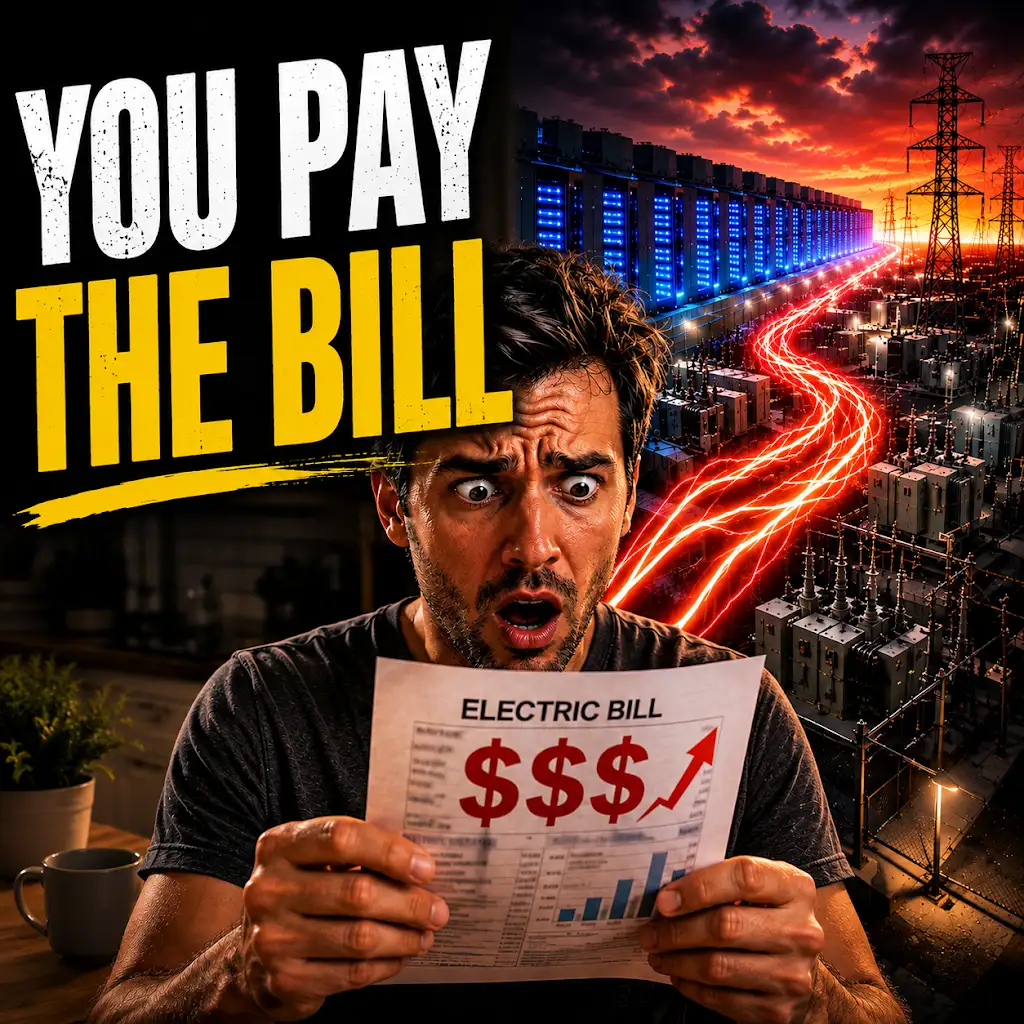
Is AI About to Make Your Electric Bill Even Higher?
FAQs
What is the current research on data centers and electricity rates?
The current research on data centers and electricity rates focuses on understanding the impact of data centers on electricity consumption and the associated costs. Researchers are also exploring ways to improve energy efficiency in data centers to reduce electricity usage and costs.
What are the key findings of the research on data centers and electricity rates?
Key findings of the research include the significant electricity consumption of data centers, the impact of electricity rates on operational costs, and the potential for energy-saving measures to reduce electricity expenses.
How do data centers contribute to electricity consumption and rates?
Data centers contribute to electricity consumption and rates through their high demand for power to operate servers, cooling systems, and other infrastructure. This increased demand can lead to higher electricity rates for both data center operators and the surrounding community.
What are some strategies for improving energy efficiency in data centers?
Strategies for improving energy efficiency in data centers include using energy-efficient IT equipment, optimizing cooling systems, implementing virtualization and consolidation techniques, and adopting renewable energy sources.
What are the implications of the research on data centers and electricity rates?
The implications of the research include the need for data center operators to prioritize energy efficiency, the potential for cost savings through energy-saving measures, and the broader impact of data centers on local and regional electricity rates.