
You’re probably here because the dream of homeownership, and maybe even the necessity of it, has you staring at real estate listings, your heart doing a nervous little flutter. The question on your mind, the one keeping you up at night (or at least prompting this search), is a big one: “What’s the current cost of buying a house?” You want to know about today’s market prices, and you want answers that feel tangible, useful, and, frankly, a little less terrifying than that national news report you just saw.
Well, you’ve come to the right place. Let’s cut through the jargon and dive into what you need to know to navigate the current housing market. We’ll break it down, piece by piece, so you can get a clearer picture of what it will take to unlock the door to your own home.
The first thing you need to understand is that the housing market isn’t a monolithic entity. It’s a constantly shifting landscape, influenced by a complex interplay of economic forces, local demand, and even global events. Right now, you’re likely hearing a lot of buzz about rates, inflation, and affordability. These are all critical pieces of the puzzle, and they directly impact the price tags you’re seeing on houses.
Interest Rates: The Silent Driver of Affordability
You can’t talk about buying a house today without talking about interest rates. These seemingly small percentages have a colossal impact on your monthly payments. Even a fractional increase can add hundreds of dollars to your mortgage each month, significantly altering how much house you can afford. You’ve probably seen headlines about the Federal Reserve’s actions and how they trickle down to mortgage rates. It’s a delicate balancing act; when rates are high, borrowing money becomes more expensive, which can cool demand and, in turn, potentially impact prices. Conversely, lower rates tend to fuel demand and can push prices upwards.
Federal Reserve’s Influence: Understanding Monetary Policy
The Federal Reserve, often referred to as “the Fed,” is the central bank of the United States. Its primary goals include maximizing employment, stabilizing prices, and moderating long-term interest rates. To achieve these, the Fed has tools at its disposal, the most prominent being the federal funds rate. When the Fed raises this rate, it becomes more expensive for banks to borrow money from each other. This cost is then passed on to consumers in the form of higher interest rates on everything from credit cards to, crucially, mortgages. You’ll want to keep an eye on any pronouncements from the Fed, as they are powerful indicators of future rate trends.
Mortgage Rate Fluctuations: What You See Today Might Change Tomorrow
It’s crucial to remember that mortgage rates aren’t static. They can and do fluctuate daily, sometimes even hourly. This can be frustrating, especially when you’re trying to budget and get pre-approved. Lenders price their mortgages based on a variety of factors, including the overall bond market, the lender’s own costs, and perceived risk. Therefore, the rate you’re quoted today might be different from the rate you secure next week. This volatility underscores the importance of shopping around with multiple lenders and potentially locking in a rate when it feels favorable.
Inflation and its Ripple Effects: A Broader Economic Context
Inflation is another major player in today’s financial arena. When the general price level of goods and services rises, your purchasing power decreases. This means that the money you have today buys less than it did yesterday. For homeowners, this can mean higher costs for everything from maintenance to property taxes. For potential buyers, inflation can make it harder to save for a down payment and can also contribute to the overall cost of construction and materials, which can indirectly affect housing prices.
Purchasing Power: How Inflation Affects Your Savings
Imagine you’ve diligently saved enough for a down payment. If inflation has been high, the value of those savings might have eroded, meaning you might need to save even more to reach your initial goal relative to the rising cost of the home itself. This can be disheartening, but understanding this dynamic is key to setting realistic expectations.
Construction Costs and Material Prices: The Building Blocks of Value
The cost of building a new home, or even renovating an existing one, is heavily influenced by inflation. Prices for lumber, concrete, steel, and labor can all rise, making new construction more expensive. This cost then gets factored into the selling price of new homes, and it can also indirectly influence the value of existing homes as buyers consider the cost of replacement.
The cost of buying a house today has become a significant concern for many potential homeowners, as rising interest rates and limited inventory continue to impact the housing market. For those looking to navigate these challenges and make informed decisions, a related article provides valuable insights on the current trends and factors influencing home prices. You can read more about this topic in the article found here: Understanding the Cost of Buying a House Today.
Regional Variations: A Tale of Two Cities (and Many More)
When we talk about “market prices,” it’s vital to understand that there’s no single national average that truly reflects your reality. The cost of buying a house is intensely localized. What’s considered affordable in one state can be astronomically expensive in another. You need to zoom in on your specific target geography.
Major Metropolitan Areas: The Pricey Epicenter
Large, bustling cities often command the highest housing prices. Think of places like San Francisco, New York City, or Seattle. These areas tend to have high demand due to job opportunities, amenities, and cultural attractions. Limited land availability also plays a significant role in driving up prices. You’ll likely see the biggest numbers here, and they can often be daunting.
High Demand, Limited Supply: The Classic Economic Equation
The fundamental principle of supply and demand is at play here. When many people want to buy homes in an area where there aren’t many homes available, prices naturally go up. This is particularly true in desirable metropolitan areas with strong economies.
Suburban and Rural Markets: Seeking Space and Value
As you move away from the core of major cities, you’ll typically start to see more affordable housing options. Suburbs can offer a good balance of commuter access and more space for your money. Rural areas, while potentially offering the most bang for your buck in terms of square footage, can come with different considerations, such as longer commutes or fewer amenities.
Commuter Towns: Balancing Cost and Convenience
Many people choose to live in suburban towns that are within a reasonable commuting distance to a major city. This allows them to access job markets and cultural hubs while potentially finding more affordable housing. The desirability and therefore the price of these towns are often closely tied to their proximity to major employment centers.
Lifestyle Choices in Rural Settings: Different Priorities, Different Prices
Buying a home in a rural setting often reflects a different set of priorities. You might be drawn to a more peaceful lifestyle, more land, or a lower cost of living. However, you’ll also need to consider factors like the availability of services, internet access, and the distance to essential amenities.
The Price of Entry: Understanding Down Payments and Closing Costs

Beyond the sticker price of the house itself, you need to be prepared for other significant upfront costs. These are often underestimated by first-time buyers and can represent a substantial hurdle.
Down Payments: Your Stake in the Property
The down payment is the portion of the home’s purchase price that you pay upfront, usually with cash. The size of your down payment can significantly impact your loan terms and even your eligibility for certain loan programs. While 20% is often cited as the ideal, it’s not a hard and fast rule for everyone.
The 20% Myth (and Reality): Is It Always Necessary?
For many years, a 20% down payment was considered the standard. If you put down 20%, you could avoid paying Private Mortgage Insurance (PMI). However, many loan programs today allow for much lower down payments, sometimes as little as 3% or even 0% for eligible borrowers (like those with VA loans). While lower down payments can help you get into a home sooner, they do mean you’ll be borrowing more, and you’ll likely have to pay PMI.
PMI: Understanding the Protection (and the Cost)
Private Mortgage Insurance (PMI) is an insurance policy that protects the lender if you default on your mortgage. It’s typically required when your down payment is less than 20% of the home’s purchase price. While it serves a purpose for the lender, it adds to your monthly mortgage payment. Fortunately, once you reach a certain equity level (usually around 20%), you can typically request to have PMI removed.
Closing Costs: The Array of Fees and Expenses
Closing costs are a collection of fees and expenses that are incurred when you finalize a real estate transaction. These can include appraisal fees, title insurance, loan origination fees, attorney fees, and more. They typically range from 2% to 5% of the loan amount.
Appraisal and Inspection Fees: Confirming Value and Condition
An appraisal is an independent assessment of a property’s value. Lenders require this to ensure the loan amount doesn’t exceed the home’s worth. A home inspection is a crucial step where a professional examines the property’s condition to identify any potential issues, from structural problems to faulty plumbing. These are essential for your protection.
Title Insurance and Escrow Fees: Securing Ownership and Facilitating the Transaction
Title insurance protects you and the lender against any historical claims or defects in the property’s title. Escrow is a neutral third party that holds funds and documents until all conditions of the sale are met, ensuring a smooth transfer of ownership.
Affordability Challenges: Navigating Economic Hurdles
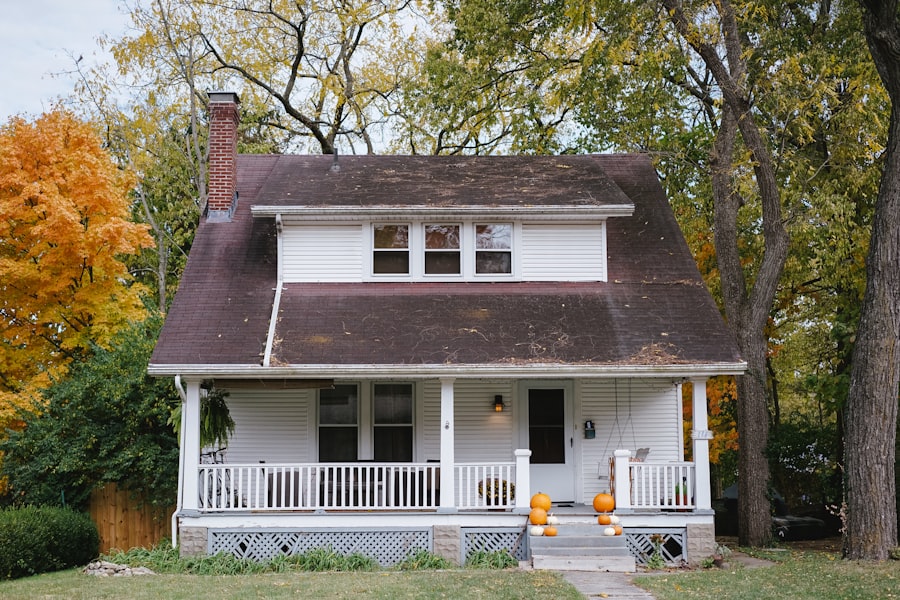
For many aspiring homeowners, the current market presents significant affordability challenges. The combination of rising prices and interest rates can make the dream of homeownership seem out of reach.
The Affordability Gap: When Prices Outpace Income Growth
You’ve likely heard the term “affordability gap.” This refers to the increasing disparity between home prices and average incomes. In many areas, home prices have risen much faster than wages, making it harder for individuals and families to enter the housing market. This means you might need to significantly adjust your expectations or find ways to increase your income or savings.
Income-to-Price Ratios: A Key Metric for Buyers
Financial experts often use income-to-price ratios to assess housing affordability. This metric compares the median home price in an area to the median household income. A higher ratio indicates that housing is less affordable. Understanding this ratio for your target market can give you a realistic sense of the challenge.
Saving for a Down Payment in a High-Cost Environment: The Long Game
Saving for a substantial down payment can feel like an uphill battle when home prices are high. You’ll need to be disciplined and strategic with your savings. This might involve cutting back on discretionary spending, exploring additional income streams, or taking advantage of any government programs or first-time homebuyer assistance you might qualify for.
Budgeting Strategies: Making Every Dollar Count
Creating a detailed budget is paramount. You’ll need to track your income and expenses meticulously. Identify areas where you can reduce spending and redirect those funds towards your down payment savings. Even small, consistent savings can add up significantly over time.
First-Time Homebuyer Programs and Assistance: Resources to Explore
Don’t overlook the various programs designed to help first-time homebuyers. These can include down payment assistance grants, low-interest loans, and tax credits. Research what’s available in your state and local area. These programs are there to help you bridge the affordability gap.
As the cost of buying a house today continues to rise, many potential homeowners are feeling the pressure of the real estate market. Factors such as interest rates, supply chain issues, and inflation have all contributed to this trend, making it essential for buyers to stay informed. For those looking to understand the broader implications of these changes, a related article can be found at How Wealth Grows, which explores the financial aspects of homeownership in today’s economy.
The Future Outlook: What to Expect and How to Prepare
| City | Average House Price | Median Income | Down Payment |
|---|---|---|---|
| New York | 1,200,000 | 60,000 | 240,000 |
| Los Angeles | 800,000 | 55,000 | 160,000 |
| Chicago | 400,000 | 50,000 | 80,000 |
While the current market can feel overwhelming, it’s also important to have a forward-looking perspective. The housing market is cyclical, and conditions can and will change.
Long-Term Trends: Understanding Market Cycles
Housing markets don’t move in a straight line. They experience periods of growth, plateaus, and downturns. Understanding historical market cycles can provide context, but it’s crucial to remember that past performance is not indicative of future results. Factors like economic growth, demographics, and government policy all play a role in shaping future trends.
Economic Indicators to Watch: Signs of Change
Keep an eye on key economic indicators such as inflation rates, unemployment numbers, consumer confidence, and GDP growth. These can all provide clues about the direction of the economy and, by extension, the housing market.
Strategies for Navigating a Volatile Market: Be Prepared and Adaptable
The best way to navigate a volatile market is to be prepared, informed, and adaptable. This means doing your homework, understanding your financial situation thoroughly, and being willing to adjust your plans as needed.
Work with a Real Estate Agent: Your Local Expert
A good real estate agent is an invaluable asset. They have in-depth knowledge of your local market, can provide insights into pricing trends, and can guide you through the complexities of the buying process. They can also be a tremendous help in identifying properties that fit your budget and needs.
Get Pre-Approved for a Mortgage: Know Your Budget
Before you even start seriously house hunting, get pre-approved for a mortgage. This process involves a lender reviewing your financial information to determine how much they are willing to lend you. This gives you a clear understanding of your budget and makes you a more attractive buyer to sellers.
Be Patient and Persistent: The Journey to Homeownership
Buying a house is often a marathon, not a sprint. There will be ups and downs, and you might face setbacks. The key is to remain patient and persistent. Continue to educate yourself, explore your options, and don’t be discouraged by the immediate challenges. Your dream of homeownership is achievable, and with careful planning and a realistic understanding of today’s market prices, you can navigate the path to securing your own piece of the world.

The House You Can Afford—but Can’t Leave
FAQs
What are the typical costs associated with buying a house today?
The typical costs associated with buying a house today include the down payment, closing costs, home inspection fees, appraisal fees, and property taxes.
What is the average down payment required when buying a house today?
The average down payment required when buying a house today is around 20% of the purchase price. However, there are options for lower down payments, such as FHA loans which require as little as 3.5% down.
What are closing costs and how much do they typically amount to?
Closing costs are fees associated with the purchase of a home, including loan origination fees, title insurance, and attorney fees. These costs typically amount to 2% to 5% of the purchase price of the home.
What are some additional expenses to consider when buying a house today?
Additional expenses to consider when buying a house today include home insurance, property taxes, homeowners association fees, and ongoing maintenance and repairs.
How can I estimate the total cost of buying a house today?
To estimate the total cost of buying a house today, you can use online calculators to factor in the purchase price, down payment, closing costs, and ongoing expenses such as property taxes and insurance. It’s also important to consider your individual financial situation and consult with a real estate professional for personalized advice.