Compound Interest: The Key to Long-Term Wealth Growth
You’ve likely heard the phrase “compound interest” thrown around, perhaps in hushed tones by financially savvy relatives or as a seemingly magical incantation in online articles. But do you truly grasp its profound power? This isn’t some obscure financial jargon; it’s the fundamental engine that drives sustained wealth creation. Understanding and harnessing compound interest is not just a smart financial move; it’s arguably the most crucial step you can take towards achieving your long-term financial aspirations.
Imagine your money isn’t just sitting there, but actively working for you, reproducing itself, and then having those reproductions also work to create more. That’s the essence of compounding. It’s the snowball effect for your finances, starting small but growing exponentially over time. The earlier you start, the more dramatic the results. The longer you let it work, the more astonishing the outcome. This article will demystify compound interest, revealing its mechanics, illustrating its impact, and equipping you with the knowledge to make it your most powerful ally in building lasting wealth.
At its core, compound interest is interest earned on both the initial principal and the accumulated interest from previous periods. Think of it as “interest on interest.” This distinction is absolutely critical because it’s what separates mere saving from true wealth building.
The Simple Interest Foundation
Before diving into compounding, it’s essential to understand simple interest. With simple interest, you earn interest only on the initial amount you invested (the principal).
Calculating Simple Interest
The formula for simple interest is straightforward:
- Simple Interest = Principal × Rate × Time
Let’s say you invest $1,000 at an annual interest rate of 5% for 10 years. With simple interest, you would earn:
- $1,000 × 0.05 × 10 = $500 in total interest.
Your total balance at the end of 10 years would be $1,000 (principal) + $500 (interest) = $1,500. While this is a gain, it’s a linear one. The amount of interest you earn each year remains constant.
The Exponential Leap: Compound Interest in Action
Compound interest, on the other hand, is dynamic. The interest you earn in each period is added to your principal, and then the next period’s interest is calculated on this new, larger sum.
The Compounding Formula
The formula for compound interest is slightly more complex but reveals its exponential nature:
- Future Value (FV) = P (1 + r/n)^(nt)
Where:
- P = Principal amount (the initial investment)
- r = Annual interest rate (as a decimal)
- n = Number of times that interest is compounded per year
- t = Number of years the money is invested or borrowed for
Let’s revisit our $1,000 investment at 5% annual interest for 10 years, but this time, let’s assume the interest is compounded annually (n=1).
- FV = $1,000 (1 + 0.05/1)^(1*10)
- FV = $1,000 (1.05)^10
- FV ≈ $1,628.89
Notice the difference: $1,628.89 with compound interest versus $1,500 with simple interest. That extra $128.89 might not seem earth-shattering at first, but this is just the beginning of its power. The magic truly unfolds over longer periods and with more frequent compounding.
The Impact of Compounding Frequency
The value of ‘n’ in the compound interest formula is incredibly important. The more frequently your interest is compounded, the faster your money grows.
Annual vs. Monthly Compounding
Let’s see the impact of compounding frequency on our $1,000 at 5% for 10 years:
- Compounded Annually (n=1): ≈ $1,628.89
- Compounded Semi-Annually (n=2): FV = $1,000 (1 + 0.05/2)^(2*10) ≈ $1,638.62
- Compounded Quarterly (n=4): FV = $1,000 (1 + 0.05/4)^(4*10) ≈ $1,643.62
- Compounded Monthly (n=12): FV = $1,000 (1 + 0.05/12)^(12*10) ≈ $1,647.01
- Compounded Daily (n=365): FV = $1,000 (1 + 0.05/365)^(365*10) ≈ $1,648.61
Even with a seemingly small difference in frequency, the total amount earned increases. While the gains from daily compounding might seem marginal compared to monthly in this short timeframe, over decades, these small differences become significant.
Understanding how compound interest works is crucial for anyone looking to build wealth over time. It allows your investments to grow exponentially, as interest is earned on both the initial principal and the accumulated interest from previous periods. For a deeper dive into this topic, you can read a related article that explains the principles of compound interest and its long-term benefits at How Wealth Grows. This resource provides valuable insights into how even small, consistent investments can lead to significant financial growth over the years.
The Power of Time: Why Early Investing Wins
Time is your most valuable asset when it comes to compound interest. The longer your money has to grow, the more dramatic the compounding effect becomes. This is why starting to invest as early as possible is often cited as the golden rule of personal finance.
The Snowball Effect in Action Over Decades
Let’s extend our previous example. Imagine you start with $1,000 and contribute an additional $100 per month, with an average annual return of 7% compounded monthly.
Starting at 25 vs. 35
- If you start at age 25 and invest until age 65 (40 years): Your total contributions would be $100/month 12 months/year 40 years = $48,000. Your estimated final balance could be well over $200,000.
- If you start at age 35 and invest until age 65 (30 years): Your total contributions would be $100/month 12 months/year 30 years = $36,000. Your estimated final balance might only reach around $100,000.
Even though the person who started at 35 contributed less overall ($36,000 vs. $48,000), they end up with significantly less money. This is the stark reality of compound interest’s reliance on time. The extra 10 years of compounding for the earlier investor allowed their earnings to grow and then earn more earnings, creating a much larger sum.
The Cost of Procrastination
The flip side of the “early bird gets the worm” adage is the “procrastinator loses out” reality. Delaying your investment journey means missing out on crucial compounding periods.
A Stark Illustration
Consider two individuals, both aiming to have $1 million by age 65.
- Investor A starts at 25: They might need to save and invest approximately $300 per month to reach their goal, assuming a 7% annual return.
- Investor B starts at 35: To reach the same $1 million goal by age 65, they would likely need to save and invest closer to $700 per month, assuming the same 7% return.
The difference in monthly savings is substantial, but the difference in the amount of “work” your money does for you is even more profound. Investor A’s money has 10 extra years to grow and compound, significantly reducing their personal savings burden.
The Long Horizon Advantage
When you invest for the long term, you smooth out the inevitable ups and downs of the market. Short-term volatility becomes less of a concern when you have decades for your investments to recover and grow.
Riding Out Market Swings
Think of the stock market. There will be years where it declines. If you’re investing for retirement in 30 years, a 10% drop in one year is a temporary setback. Your compounding engine, fueled by your continued contributions and reinvested dividends, will work to recover that loss and then some over the subsequent years. If you were investing for a down payment next year, that same 10% drop would be catastrophic. The long horizon allows compound interest to overcome these short-term fluctuations.
Harnessing Compound Interest: Practical Strategies
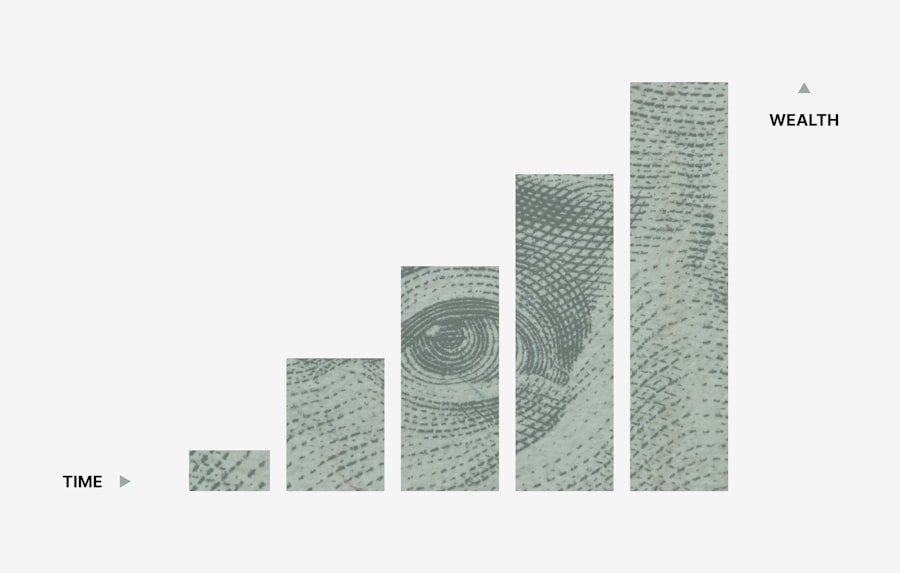
Understanding compound interest is one thing; actively leveraging it is another. Fortunately, there are several straightforward strategies you can employ to make this powerful force work for you.
Consistent Saving and Investing
The most fundamental strategy is to consistently put money aside and invest it. The more you invest, and the more consistently you do it, the more fuel you provide for the compounding engine.
Dollar-Cost Averaging
A powerful technique for consistent investing is dollar-cost averaging. This involves investing a fixed amount of money at regular intervals, regardless of market conditions.
- How it works: When prices are high, your fixed amount buys fewer shares. When prices are low, your fixed amount buys more shares. Over time, this can lead to a lower average cost per share than trying to time the market. It also removes the emotional burden of deciding when to buy. For example, committing to investing $500 every month, no matter what the stock market is doing, ensures you are always participating and benefiting from the compounding of your investments.
Reinvesting Your Returns
This is where the “interest on interest” truly comes into play. If your investments generate dividends or interest payments, reinvesting these back into the same investment is crucial for accelerating compounding.
The Dividend Reinvestment Plan (DRIP)
Many brokerage accounts and dividend-paying stocks offer Dividend Reinvestment Plans (DRIPs).
- How it works: Instead of receiving cash dividends, the dividends are automatically used to purchase more shares of the same stock, often commission-free. This means your dividend earnings begin earning their own dividends, supercharging your growth. Even if you don’t have a formal DRIP, you can manually reinvest your dividends and interest payments.
Choosing the Right Investment Vehicles
The type of account you use and the assets you invest in significantly impact how effectively compound interest works.
Tax-Advantaged Accounts
Utilizing tax-advantaged retirement accounts is a smart way to boost your compounding power.
- 401(k)s and IRAs: These accounts offer tax benefits that allow your investments to grow more efficiently. For instance, in a Roth IRA, your earnings grow tax-free, and qualified withdrawals in retirement are also tax-free. In a traditional 401(k) or IRA, you get a tax deduction on your contributions, allowing more money to be invested and compound. The tax deferral alone provides a significant advantage, as you’re not paying taxes on your gains year after year, allowing them to be reinvested.
Growth-Oriented Investments
While not all investments are suitable for everyone, assets with the potential for higher returns will experience more significant compounding.
- Stocks and Stock Funds: Historically, stocks have provided higher average returns than bonds or savings accounts over the long term. Investing in well-diversified stock mutual funds or exchange-traded funds (ETFs) allows you to participate in the growth of numerous companies, benefiting from their collective success and the reinvestment of their dividends. However, it’s crucial to remember that higher potential returns come with higher risk.
The Impact of Compound Interest on Debt

While compound interest is celebrated for wealth creation, it’s equally important to understand its destructive potential when applied to debt. The same principles of compounding that build wealth can rapidly erode it when you’re on the other side of the transaction.
Understanding High-Interest Debt
Credit cards, payday loans, and some personal loans often carry alarmingly high interest rates. When you carry a balance on these, you’re not just paying back what you borrowed; you’re paying substantial interest.
The Credit Card Trap
Imagine you have a $5,000 balance on a credit card with a 20% annual interest rate, compounded monthly.
- Monthly Interest: (20% / 12) * $5,000 ≈ $83.33.
- Annual Interest: If you make only the minimum payment and don’t add any new charges, the interest alone for the year would be over $1,000. This means your debt is growing significantly each month, even if you’re making payments.
The Snowball Effect in Reverse
Just as compound interest can make your savings grow exponentially, it can make your debt grow exponentially. If you only make minimum payments on high-interest debt, it can take years, sometimes decades, to pay off the principal, all while paying a small fortune in interest.
Strategies to Combat Compound Debt
The key to conquering compound debt is to prioritize paying it down aggressively, especially the debt with the highest interest rates.
The Debt Snowball Method
This method focuses on paying off the smallest debts first, regardless of interest rate, to gain psychological wins and build momentum.
- How it works: List all your debts from smallest balance to largest. Pay the minimum on all debts except the smallest. Put any extra money towards the smallest debt until it’s paid off. Then, take the money you were paying on that debt (minimum payment + extra) and add it to the minimum payment of the next smallest debt. This creates a “snowball” effect as the amount you’re paying towards each subsequent debt increases.
The Debt Avalanche Method
This method prioritizes paying off debts with the highest interest rates first. Mathematically, it’s the most efficient way to save money on interest.
- How it works: List all your debts from highest interest rate to lowest. Pay the minimum on all debts except the one with the highest interest rate. Put any extra money towards that highest-interest debt until it’s paid off. Then, take the money you were paying on that debt and add it to the minimum payment of the debt with the next highest interest rate. This method saves you the most money in interest over time.
The Importance of Financial Literacy
Understanding how compound interest works on both sides of the financial coin is crucial for making informed decisions. It empowers you to avoid the pitfalls of debt and maximize the benefits of saving and investing.
Educate Yourself Continuously
Don’t stop learning about personal finance. The more you understand about interest, inflation, investment strategies, and debt management, the better equipped you will be to build and protect your wealth. Resources like books, reputable financial websites, and even workshops can be invaluable.
Understanding how compound interest builds wealth over time is crucial for anyone looking to secure their financial future. By reinvesting earnings, individuals can see their investments grow exponentially, making it a powerful tool for wealth accumulation. For a deeper dive into this concept, you can explore a related article that illustrates these principles in action. Check out this insightful resource on how wealth grows over time by visiting this page.
The Long Game: Building Generational Wealth
| Year | Initial Investment | Interest Rate | Ending Balance |
|---|---|---|---|
| 1 | 1000 | 5% | 1050 |
| 2 | 1050 | 5% | 1102.50 |
| 3 | 1102.50 | 5% | 1157.63 |
| 4 | 1157.63 | 5% | 1215.51 |
| 5 | 1215.51 | 5% | 1276.28 |
Compound interest isn’t just about your personal retirement nest egg; it’s a fundamental tool for building wealth that can benefit future generations. The longer your wealth has to grow, the more substantial it can become, potentially creating a legacy.
Investing for the Future You’ll Never See
This might seem abstract, but the principles are the same. By consistently investing and allowing compound interest to work its magic over extended periods, you can create a substantial sum that can support family members, fund educational endeavors, or support charitable causes long after you’re gone.
The Power of Legacy Planning
Integrating compound interest into your long-term financial planning can lead to significant generational wealth.
- Trusts and Estates: Properly structured trusts can ensure that inherited assets continue to grow through reinvestment, benefiting multiple generations. For instance, a trust could be set up to fund college education for grandchildren, with the remaining assets to be passed on. The initial principal, combined with decades of compounding, can provide substantial resources.
The Compounding Impact on Inflation
While compound interest boosts your returns, it’s also important to consider inflation, which erodes the purchasing power of money over time. Your goal should be for your compound interest returns to outpace inflation.
Real vs. Nominal Returns
- Nominal Return: This is the stated rate of return, before accounting for inflation.
- Real Return: This is your nominal return minus the rate of inflation.
If you earn 7% on your investments but inflation is 3%, your real return is only 4%. This is still positive growth, but it highlights the importance of seeking returns that are sufficiently higher than the inflation rate to achieve true wealth accumulation. Compound interest helps you achieve this by providing a growing base from which to earn even more.
The Mindset Shift: From Consumer to Investor
Ultimately, harnessing compound interest requires a shift in your mindset. It means moving from a purely consumerist approach to money (spending it as it comes in) to an investor’s mindset (making your money work for you).
Delayed Gratification
The most significant barrier to effective compounding is often the desire for immediate gratification. Resisting the urge to spend money on non-essential items and instead channeling it into investments allows compound interest to work its magic. This requires discipline and a long-term vision.
Patience and Persistence
Building wealth through compound interest is not a get-rich-quick scheme. It’s a marathon, not a sprint. You need patience to let your investments grow and persistence to continue investing even during market downturns. The rewards of this long-term commitment are immeasurable.
Compound interest is not a secret code for the elite; it’s a fundamental economic principle accessible to everyone. By understanding its mechanics, embracing the power of time, implementing smart strategies, and avoiding the pitfalls of debt, you can harness this incredible force to build a secure and prosperous financial future for yourself and potentially for generations to come. Start today, stay consistent, and watch your wealth grow.

They Earned the Same $150K. One Became a Millionaire.
FAQs
What is compound interest?
Compound interest is the interest calculated on the initial principal and also on the accumulated interest of previous periods. This means that interest is earned on both the initial amount of money and on the interest that has been added to the principal.
How does compound interest build wealth over time?
Compound interest allows for exponential growth of wealth over time. As interest is earned on both the initial principal and the accumulated interest, the amount of money grows at an increasing rate, leading to significant growth over long periods of time.
Why is it important to start investing early to take advantage of compound interest?
Starting to invest early allows for a longer period of time for compound interest to work its magic. The longer the money is allowed to grow, the greater the impact of compound interest on building wealth.
What are some examples of how compound interest can benefit an individual’s financial situation?
An individual who starts investing early and consistently contributes to their investments can see significant growth in their wealth over time. For example, a person who invests $1000 per year at a 7% annual interest rate can accumulate over $100,000 in 30 years.
What are some strategies for maximizing the benefits of compound interest?
To maximize the benefits of compound interest, it is important to start investing early, consistently contribute to investments, and reinvest any earned interest. Additionally, seeking out investments with higher interest rates can also lead to greater wealth accumulation over time.