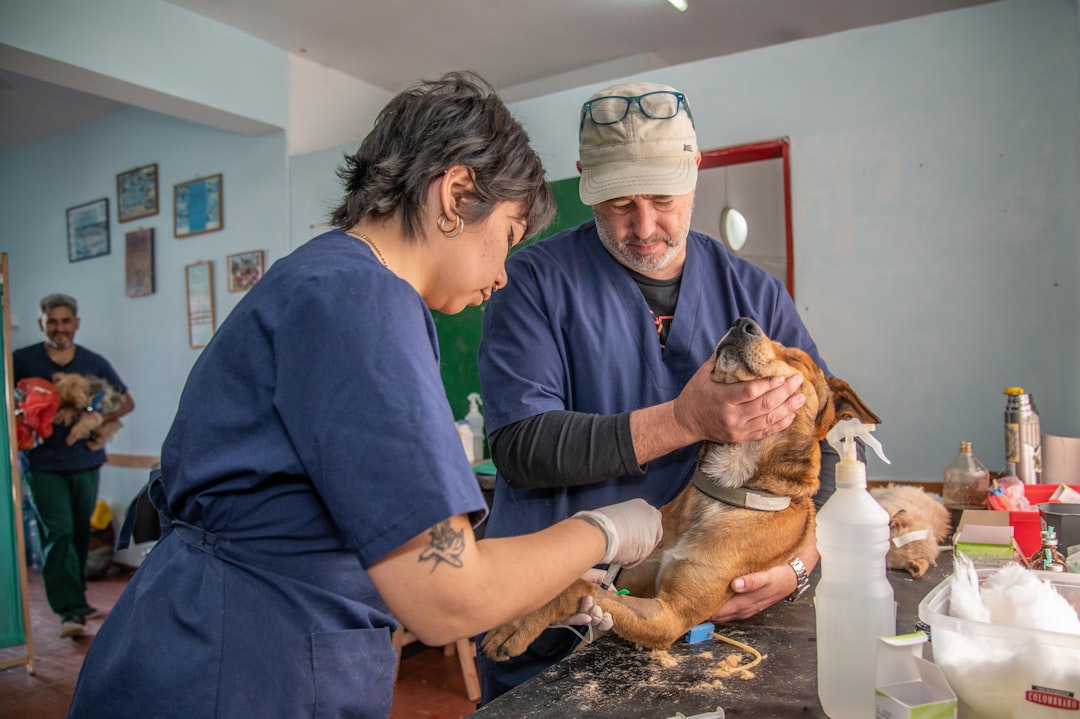
Thinking about how to best look after your furry friend’s health and manage those unexpected vet bills? You’ve probably come across two big options: pet insurance and veterinary wellness plans. It’s a common question, and the short answer is they serve different purposes. Think of insurance as your safety net for the unexpected big stuff, and wellness plans as your proactive strategy for the expected regular care. Let’s break down what each one actually does and help you figure out which, if either, is right for you and your pet.
At its core, pet insurance is designed to help you pay for unexpected accidents and illnesses. This isn’t about routine check-ups; it’s about covering costs when something goes seriously wrong. It’s a lot like health insurance for people, but for your pets.
How it Works: The Basics
You’ll pay a monthly premium to an insurance company. If your pet has an accident (like getting hit by a car or eating something they shouldn’t) or develops an illness (like cancer, diabetes, or a skin condition), you take them to the vet. You pay the vet bill upfront, then submit a claim to the insurance company for reimbursement. They’ll pay back a portion of the covered costs, according to the terms of your policy.
What Typically Gets Covered
Different plans have different levels of coverage, but generally, pet insurance is good for:
- Accidents: Broken bones, cuts, poisoning, swallowed foreign objects, burns, etc.
- Illnesses: Cancer, diabetes, heart disease, kidney issues, urinary tract infections, digestive problems, allergies, etc.
- Diagnostics: X-rays, ultrasounds, blood tests, MRIs, CT scans, biopsies related to accidents or illnesses.
- Surgery: When surgery is needed to treat an accident or illness.
- Hospitalization: Overnight stays for treatment.
- Prescription Medications: For covered conditions.
- Rehabilitation: Physical therapy if it’s necessary for a covered condition.
What is Usually Excluded
This is an important area to understand. Most pet insurance policies will not cover:
- Pre-existing Conditions: Any condition your pet had before you enrolled in the plan. This is a major point of distinction.
- Routine and Preventive Care: Vaccinations, flea and tick prevention, heartworm prevention, spaying/neutering, routine dental cleanings.
- Elective Procedures: Tail docking, ear cropping, declawing.
- Breeding-Related Costs: Pregnancy, whelping, or treatment for hereditary conditions that are a direct result of breeding practices.
- Certain Hereditary or Congenital Conditions: These can be tricky. Some policies cover them after a waiting period if they weren’t present or symptomatic before enrollment, while others might exclude them entirely based on breed.
- Experimental Treatments: Treatments not considered standard veterinary practice.
- Behavioral Therapy: While some innovative plans are starting to offer this, it’s often a separate add-on or not covered.
Understanding Deductibles, Reimbursement Rates, and Limits
These are key figures that impact how much you’ll pay out-of-pocket:
- Deductible: This is the amount you pay before your insurance coverage kicks in. It can be annual (you pay it once a year, no matter how many claims) or per-incident (you pay it for each separate condition or accident). Annual deductibles are more common now.
- Reimbursement Rate: This is the percentage of the covered veterinary bill that the insurance company will pay back after you’ve met your deductible. Common rates are 70%, 80%, or 90%. So, if your bill is $1000 and your deductible is $200, and your reimbursement rate is 80%, the insurance company would pay $640 ($800 x 0.80).
- Annual Maximum Limit: This is the most the insurance company will pay out in a year. Once you hit this limit, you’re responsible for 100% of any further covered expenses. Some plans offer unlimited payouts, which can be appealing for peace of mind.
When considering the best options for managing your pet’s healthcare costs, it’s essential to understand the differences between veterinary wellness plans and pet insurance. A related article that delves deeper into this topic can be found at How Wealth Grows, where you can explore the benefits and drawbacks of each option to make an informed decision for your furry friend.
What Exactly is a Veterinary Wellness Plan?
A wellness plan is essentially a way to budget for your pet’s routine, preventive veterinary care over the course of a year. It’s not about covering the big, scary emergencies. It’s about making those predictable vet visits and treatments more affordable and easier to manage.
How it Works: The Budgeting Approach
You’ll typically pay a monthly fee directly to your veterinary clinic, or sometimes through a third-party provider that partners with your clinic. This fee covers a predetermined set of services. The idea is to spread out the cost of what you’d likely be doing over the year into manageable monthly payments.
What Typically Gets Covered
Wellness plans are focused on keeping your pet healthy and catching potential issues early. Common services included are:
- Annual or Semi-Annual Physical Exams: Essential for a thorough check-up.
- Vaccinations: Core vaccines relevant to your pet’s lifestyle and location.
- Deworming: Treatment for intestinal parasites.
- Flea and Tick Prevention: Often includes a discount or a supply of medication.
- Heartworm Prevention: Similar to flea and tick, usually a supply or discount.
- Routine Blood Work: To screen for common health issues.
- Urinalysis: To check kidney and bladder health.
- Stool Sample Analysis: To check for internal parasites.
- Annual Wellness Checks: Sometimes includes things like nail trims or ear cleaning discussions.
- Discounts on Other Services: Many plans will offer a percentage off non-covered services like dental cleanings, spaying/neutering, or even certain diagnostic tests.
What is Usually Excluded
This is key: wellness plans do not cover accidents or illnesses. They are strictly for preventive care. So, you won’t find coverage for:
- Emergency Vet Visits: For accidents or sudden illnesses.
- Illness Treatment: For any diagnosed sickness, whether chronic or acute.
- Surgery: To correct injuries or treat diseases.
- Diagnostics for Illnesses or Accidents: Like X-rays, ultrasounds, or biopsies related to unexplained symptoms or injuries.
- Prescription Medications: Unless directly related to preventive care covered by the plan (which is rare).
- Specialist Visits: For complex conditions requiring a specialist.
Plan Variations and Add-ons
Just like insurance, wellness plans come in different tiers. You might see “puppy” or “kitten” plans that include more vaccinations and spay/neuter discounts, or “adult” and “senior” plans with different diagnostic recommendations. Some plans might allow you to add on things like dental cleanings for an extra fee.
Key Differences: Insurance vs. Wellness Plans

The most fundamental difference boils down to what they protect against. It’s not about which is “better,” but which need you’re trying to meet.
The “What If” vs. The “What Will Be”
- Pet Insurance: This is for the “what if” scenarios. What if your dog bolts out the door and gets hit by a car? What if your cat suddenly develops a serious kidney disease? Insurance provides a financial buffer for these unpredictable, often expensive, events.
- Wellness Plans: This is for the “what will be” scenarios. You know your pet will need vaccinations this year. You know they need their flea and tick prevention. Wellness plans help you budget and save money on these predictable costs.
Coverage Scope: Broad & Reactive vs. Narrow & Proactive
- Pet Insurance: Offers broad coverage that can apply to a wide array of unexpected problems, both accidental and illness-related. It’s reactive in the sense that you use it after something happens.
- Wellness Plans: Offer a narrow, specific list of preventive services. They are inherently proactive, aiming to keep your pet healthy in the first place and prevent future issues (or catch them early).
Cost Structure and Premiums
- Pet Insurance: Premiums are calculated based on factors like your pet’s age, breed, species, where you live, and the coverage you choose (deductible, reimbursement rate, annual limit). This means premiums can vary significantly.
- Wellness Plans: Costs are usually tiered based on the age of the pet and the services included. They are often a flat monthly fee that’s less variable month-to-month.
Provider Relationship
- Pet Insurance: You pay a premium to an insurance company. You can go to any licensed veterinarian you choose, and you submit claims to the insurance provider.
- Wellness Plans: You typically purchase these directly from your veterinary clinic or through a provider affiliated with your clinic. The services are then rendered by that specific veterinary practice.
Who Benefits Most from Each?

The ideal choice, or combination of choices, depends entirely on your individual circumstances, your pet’s health, and your risk tolerance.
For Pet Insurance:
- The “Peace of Mind” Owner: If the thought of a massive vet bill for an unexpected emergency keeps you up at night, insurance offers that security.
- Owners of Specific Breeds: Certain breeds are predisposed to specific health issues (e.g., hip dysplasia in large breeds, heart conditions in certain small breeds) that can be costly to treat. Insurance can be a good hedge against these potential breed-related conditions.
- Those with Limited Emergency Savings: If you don’t have a substantial emergency fund readily available to cover a $5,000 surgery, insurance can be a lifesaver.
- People Who Want to Maximize Treatment Options: With insurance, you might feel more comfortable opting for an advanced diagnostic test or a specialized surgery if it significantly improves your pet’s quality of life, without the immediate financial burden.
For Wellness Plans:
- The Budget-Conscious Owner Who Prioritizes Preventive Care: If you’re diligent with your pet’s regular vet visits and want to make those costs more predictable, a wellness plan is ideal.
- New Pet Owners: Puppies and kittens need a lot of initial vet care (vaccinations, deworming, check-ups). A wellness plan can help manage these early costs.
- Pet Owners Who Want to Ease Payments: Spreading the cost of yearly check-ups and preventatives over 12 months makes budgeting much simpler.
- Veterinary Clinic Supporters: If you have a trusted vet you adore and want to ensure you’re utilizing their recommended preventive care services, their clinic’s wellness plan is a natural fit.
When considering the best options for your pet’s health, it’s essential to understand the differences between veterinary wellness plans and pet insurance. A related article that delves deeper into this topic can be found at How Wealth Grows, where you can explore the benefits and limitations of each option. By educating yourself on these plans, you can make a more informed decision that ensures your furry friend receives the best possible care throughout their life.
Can You Have Both? Synergistic Coverage
| Comparison | Veterinary Wellness Plans | Pet Insurance |
|---|---|---|
| Coverage | Focuses on preventive care such as vaccinations, check-ups, and routine treatments | Covers unexpected accidents, illnesses, and sometimes preventive care |
| Cost | Usually paid through a monthly or annual fee | Monthly premiums based on coverage level and pet’s age/breed |
| Claims Process | May not involve claims; benefits are often used for routine care | Requires filing claims for reimbursement of covered expenses |
| Benefit Limits | May have annual or lifetime limits on coverage | May have annual, per-incident, or lifetime limits on coverage |
| Exclusions | May not cover pre-existing conditions or certain breeds | May have waiting periods and exclusions for pre-existing conditions |
Yes, absolutely. Many pet owners find that having both a pet wellness plan and pet insurance offers the most comprehensive approach to their pet’s health and their financial planning. They are not mutually exclusive; they are complementary.
How They Work Together: A Two-Pronged Approach
- Wellness Plan Handles the Knowns: Your wellness plan covers your annual exams, vaccinations, parasite prevention, and routine screenings. You pay a predictable monthly fee for these essential services.
- Insurance Handles the Unknowns: If your pet has an accident, like a nasty fall that requires surgery, or develops an illness like diabetes that needs ongoing medication and monitoring, your pet insurance kicks in after you’ve met your deductible and within the reimbursement parameters.
When Combining Makes Sense
- Comprehensive Care: You’re covered for both the routine upkeep and the unexpected crises.
- Financial Stability: You’re not forced to choose between essential regular care and potentially life-saving emergency treatment due to cost.
- Reduced Stress: Knowing you have both bases covered can significantly reduce anxiety about your pet’s health and your finances.
Things to Consider When Combining
- Overlap: Be mindful that some veterinary clinics might offer discounts on services like dental cleanings as part of their wellness plan, and these same services might be eligible for reimbursement through your insurance if they are deemed medically necessary due to a covered condition (e.g., treating severe periodontal disease that’s causing pain or infection). However, routine dental cleanings as part of a wellness plan are generally not covered by insurance. Clarify this with both your vet and your insurance provider.
- Cost: Two financial commitments mean higher overall monthly expenses. However, the combined cost might still be less than the potential out-of-pocket expenses for major medical events without either.
- Which to Choose First: If you have to prioritize due to budget, and your pet is young and healthy, a wellness plan might feel more immediately beneficial for managing known costs. However, if you’re worried about the catastrophic financial impact of a severe accident or illness, insurance might be the primary consideration. Eventually, many people aim for both.
Making the Right Choice for Your Pet
Ultimately, there’s no one-size-fits-all answer. The best approach for your pet will depend on a few key factors.
Assess Your Pet’s Needs and Risks
- Age: Younger pets generally have fewer health issues but require more vaccinations. Older pets are more prone to chronic conditions.
- Breed: Research any breed-specific health predispositions. Some breeds are at higher risk for certain costly conditions.
- Lifestyle: Is your pet an indoor-only cat, or an adventurous dog who loves hiking in the woods? A more active lifestyle might increase the risk of accidental injury.
- Existing Health Conditions: If your pet already has a chronic condition, insurance will likely exclude it. A wellness plan can still be beneficial for managing routine care for that condition, if the plan allows.
Evaluate Your Financial Situation and Risk Tolerance
- Emergency Fund: How substantial is your savings for unexpected expenses? If it’s not enough to cover a few thousand dollars in vet bills, insurance becomes much more attractive.
- Monthly Budget: Can you comfortably afford monthly premiums for insurance, a monthly fee for a wellness plan, or both?
- Peace of Mind Value: How much is financial peace of mind worth to you when it comes to your pet’s well-being?
Do Your Homework on Providers
- For Insurance: Compare quotes from different companies. Read the fine print carefully, paying close attention to exclusions, waiting periods, and how pre-existing conditions are defined. Look at reviews and customer service reputation.
- For Wellness Plans: Talk to your veterinarian. Ask detailed questions about what’s included, any potential exclusions, and if there are different tiers or add-ons. Understand how the plan is administered.
By carefully considering these points, you can make an informed decision that best supports your pet’s health and your financial well-being. It’s about proactive planning for the predictable and preparing for the unpredictable, ensuring your beloved companion enjoys a long and healthy life with you by their side.
FAQs
What is a veterinary wellness plan?
A veterinary wellness plan is a package of preventive care services for pets, typically offered by veterinary clinics. These plans often include routine exams, vaccinations, parasite prevention, and sometimes dental care.
What is pet insurance?
Pet insurance is a type of insurance policy that helps cover the cost of veterinary treatment for unexpected illnesses or injuries. It can also sometimes cover preventive care, depending on the specific policy.
What are the key differences between veterinary wellness plans and pet insurance?
The main difference is that veterinary wellness plans focus on preventive care, while pet insurance is designed to help with unexpected medical expenses. Wellness plans are typically paid for through a monthly or annual fee, while pet insurance involves paying a premium for coverage.
Can I have both a veterinary wellness plan and pet insurance for my pet?
Yes, it is possible to have both a veterinary wellness plan and pet insurance for your pet. This can provide comprehensive coverage for both preventive care and unexpected medical expenses.
Which option is better for my pet, a veterinary wellness plan or pet insurance?
The best option for your pet depends on your individual circumstances, including your pet’s age, breed, and health history, as well as your budget and preferences. It may be beneficial to discuss both options with your veterinarian and an insurance provider to determine the best choice for your pet.