You’re holding the keys to your brand-new car, the scent of fresh upholstery a potent perfume, and that intoxicating feeling of a clean slate washes over you. It’s exhilarating, isn’t it? But then, not too far down the road – perhaps a year, maybe two – that familiar itch starts to creep in. The latest model boasts a feature you didn’t even know you needed, a lease deal appears miraculously attractive, or maybe life circumstances simply shift, making your current ride feel… less than ideal. The question then becomes: how often is too often when it comes to buying a new car? It’s a question that straddles financial prudence, emotional satisfaction, and the ever-present siren song of automotive innovation.
Let’s be honest, the allure of a new car is powerful. It’s not just about transportation; it’s about status, comfort, and the sheer joy of driving something cutting-edge. This desire to upgrade can stem from a variety of motivations, some practical, others more intangible. Understanding these drivers is the first step in assessing whether your current craving for a new set of wheels is truly justifiable.
The Shiny New Factor: The Dopamine Hit of the Latest Model
There’s an undeniable psychological element at play. The latest models often come with sleeker designs, advanced technology, and improved performance. Your brain registers this newness as exciting and desirable. It’s a form of consumer gratification, a tangible reward for… well, for wanting something new. This “shiny new car syndrome” can be particularly potent when marketing campaigns highlight groundbreaking features or when friends and colleagues are flaunting their latest acquisitions. The feeling of being current and technologically in sync can be a significant motivator.
The Gadget Guy/Gal in You: Embracing New Tech
Modern cars are essentially computers on wheels. From sophisticated infotainment systems and advanced driver-assistance features to over-the-air software updates that can transform your vehicle’s capabilities, the technological advancements are constant. If you’re someone who thrives on having the latest gadgets, a car that’s even a few years old can start to feel decidedly archaic. You might be tempted to upgrade for features like a larger touchscreen, wireless Apple CarPlay/Android Auto, a panoramic sunroof, or a more robust suite of safety sensors.
Aesthetically Pleasing: The Love at First Sight Syndrome
Beyond the technology, the visual appeal of a car plays a huge role. Manufacturers invest heavily in design, and each new generation often brings a refreshed look. You might find yourself drawn to the sharper lines of a new SUV, the more aggressive stance of a sports sedan, or the futuristic silhouette of an electric vehicle. This aesthetic appreciation can lead to a desire to replace a car that, while perfectly functional, no longer sparks joy when you look at it.
Practicality or Justification? When Your Needs Evolve
Sometimes, the desire for a new car isn’t purely about wanting something new, but about needing something different. Life rarely stays static, and your automotive needs can change dramatically over relatively short periods. This is where the line between genuine necessity and perceived convenience can become blurred.
The Growing Family: From Compact to Crossover
Perhaps you’ve welcomed a new addition or two to your family. That zippy compact car that once served you well now feels cramped and impractical. You might be eyeing larger sedans, spacious SUVs, or even minivans to accommodate car seats, strollers, and extra luggage. The need for more passenger and cargo space is a legitimate reason to consider a new vehicle.
Shifting Lifestyle: From City Commuter to Outdoors Enthusiast
Your hobbies and lifestyle can also dictate your vehicle choice. If you’ve recently embraced a more adventurous lifestyle, perhaps involving camping, hiking, or cycling in remote areas, your current commuter car might not be up to the task. You might find yourself looking for a vehicle with all-wheel drive, higher ground clearance, or specialized features like roof racks or a tow hitch.
The Workhorse Dilemma: Demanding More from Your Ride
If your car plays a crucial role in your profession, a change in job or responsibilities could necessitate an upgrade. Perhaps you now need a more reliable vehicle for frequent business trips, a truck with greater hauling capacity, or a more fuel-efficient option to manage rising operational costs.
When considering how often you should buy a new car, it’s essential to evaluate various factors such as your financial situation, vehicle depreciation, and personal preferences. A related article that provides valuable insights on this topic can be found at How Wealth Grows, where you can explore the implications of car ownership and the best practices for making a purchase that aligns with your financial goals.
The Financial Reality: The True Cost of Frequent Car Buying
This is where the rubber truly meets the road. While the emotional and practical reasons for buying a new car can be compelling, the financial implications of doing so too often are significant and often underestimated. You need to be honest with yourself about your budget and the long-term financial health of your household.
Depreciation: The Silent Killer of Your Investment
The most significant financial drain of frequent car buying is depreciation. New cars lose a substantial portion of their value the moment they are driven off the lot. This depreciation continues rapidly in the first few years of ownership. If you’re buying a new car every two or three years, you are essentially throwing away a significant chunk of its value repeatedly.
The First Year Drop: A Harsh Reality
Imagine buying a car for $30,000. In its first year, it could easily depreciate by 15-20%, meaning it’s now worth $24,000-$25,500. If you trade it in after just two years, you might be getting even less, perhaps $20,000-$22,000. That’s a loss of $8,000-$10,000 in just 24 months, a sum that could have been saved, invested, or used for other significant goals.
The Plateau Effect: When Depreciation Slows
While depreciation is steepest in the initial years, it does slow down. A car that’s five to seven years old typically depreciates much less dramatically year-over-year. By trading in your car when it’s relatively new, you miss out on the period where it holds its value more stably, essentially buying into the steepest part of the depreciation curve more than once.
Financing and Interest: The Hidden Costs Add Up
Unless you’re paying cash for every vehicle (which is rare for frequent buyers), you’ll be financing your purchases. This means dealing with interest rates, loan terms, and monthly payments. The more frequently you take out car loans, the more interest you pay over your lifetime.
The Loan Cycle: Never Truly Owning
Constantly buying new cars can trap you in a cycle of never truly owning your vehicle outright. Each new loan adds to your debt burden and impacts your credit utilization ratio, potentially affecting your ability to secure other types of financing in the future. Even a seemingly low interest rate can add up to thousands of dollars over the life of multiple loans.
Fees and Taxes: Every Transaction Comes with a Price Tag
Beyond the sticker price and interest, every car purchase involves a host of fees and taxes. This includes sales tax, registration fees, documentation fees, and sometimes even acquisition fees. These costs, while seemingly minor on a per-transaction basis, add up significantly when you’re buying a new vehicle every few years.
Opportunity Cost: What Else Could You Be Doing with That Money?
This is perhaps the most critical financial consideration. Every dollar you spend on a new car – the down payment, monthly payments, insurance premiums (which are often higher for newer vehicles), and maintenance (even if minimal) – is a dollar that cannot be used for other important financial goals.
Investing for the Future: Building Wealth Over Time
Imagine taking the money you would have spent on a new car every three years and investing it in the stock market, real estate, or other assets. Over decades, the power of compound interest can create significant wealth, providing financial security, funding retirement, or enabling other major life purchases like a home.
Other Financial Priorities: Education, Homeownership, and More
Your financial resources are finite. By prioritizing frequent car upgrades, you might be delaying or even jeopardizing other important financial goals. This could include saving for your children’s education, building a substantial down payment for a home, or creating a robust emergency fund.
The Downsides of Constant Upgrades: Beyond the Bank Account
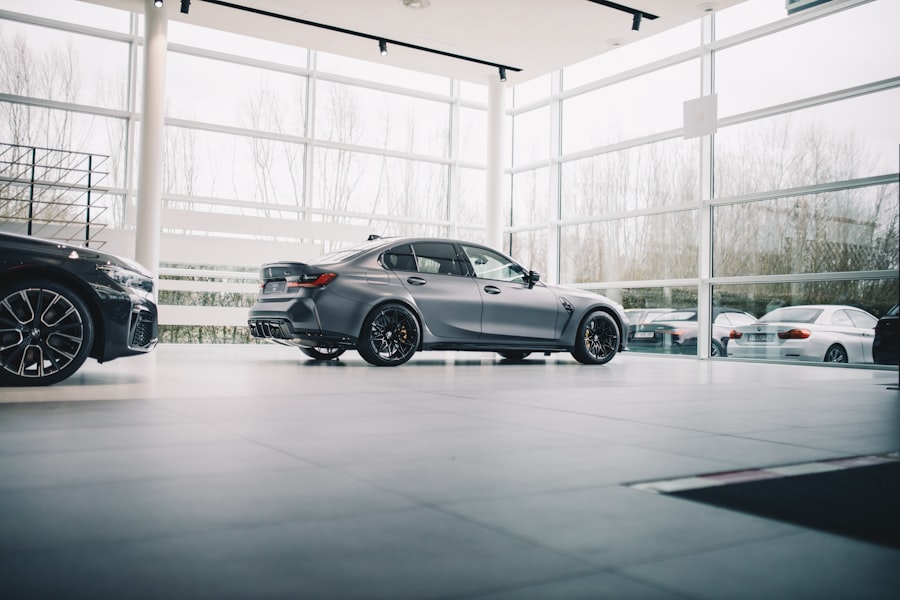
It’s not just your bank account that suffers from an insatiable appetite for new cars. There are other, perhaps less quantifiable, but equally important downsides to consider. These often relate to your overall well-being and your relationship with your possessions.
Environmental Impact: A Bigger Footprint
The production of new vehicles has a significant environmental impact, from the extraction of raw materials to the energy-intensive manufacturing process. Regularly replacing perfectly functional cars contributes to this environmental burden. While electric vehicles are a step in the right direction, their manufacturing also has its own ecological considerations.
Resource Depletion and Pollution: The Lifecycle of a Car
Every car on the road represents a substantial investment of natural resources and energy. When you trade in a car that still has years of life left, you are essentially contributing to the demand for more resources to be extracted and more manufacturing processes to be undertaken, leading to increased pollution and carbon emissions.
The “Throwaway” Culture: A Detrimental Mindset
The constant pursuit of the newest model can foster a “throwaway” mentality towards possessions. Instead of valuing and maintaining items for their longevity, we become accustomed to discarding them for the next shiny object. This mindset can extend beyond cars and impact how we view other goods and even relationships.
Maintenance and Repair: When “New” Isn’t Always Better
While new cars are generally reliable, they aren’t entirely immune to issues. However, the anxiety and cost associated with unexpected repairs are significantly lower for a newer vehicle. The flip side is that older cars, when properly maintained, can be incredibly reliable and cost-effective to keep running.
The Myth of Zero Maintenance: Even New Cars Need Care
Even a brand-new car requires regular maintenance – oil changes, tire rotations, fluid checks. While you might not face major repair bills in the first few years, neglecting routine maintenance on any vehicle can lead to more significant and costly problems down the line.
The Value of a Well-Maintained Older Car: Smart Savings
If you have a car that’s five or ten years old and has been meticulously maintained, it might be a far more sensible choice than a new car with a hefty monthly payment. The cost of routine maintenance on an older car is often a fraction of the depreciation and financing costs of a new one. You might even find that the minor occasional repair on an older car is still less expensive than the ongoing financial drain of a new car.
The Emotional Toll: Stress and Dissatisfaction
While the initial excitement of a new car is undeniable, the constant pursuit of it can also lead to a different kind of emotional toll. The financial stress of frequent purchases and the underlying dissatisfaction that fuels the desire for more can become a cycle of unhappiness.
The Hedonic Treadmill: Always Wanting More
This psychological phenomenon, often referred to as the hedonic treadmill, describes our tendency to quickly adapt to new and improved circumstances and then desire even more. You might get a new car, enjoy it for a while, but then quickly revert to your baseline level of happiness, prompting the search for the next thing that will bring that initial thrill. This can lead to a perpetual state of wanting and never quite being satisfied.
The Burden of Debt: A Constant Worry
The accumulation of car loans and the associated payments can be a significant source of stress and anxiety. This financial burden can impact your sleep, your relationships, and your overall sense of well-being.
How Often is “Too Often”? Finding Your Personal Sweet Spot

Ultimately, there’s no single, universally applicable answer to the question of how often is too often. It’s a deeply personal decision that depends on your individual financial situation, your lifestyle, your priorities, and your tolerance for risk. However, by honestly assessing the factors discussed above, you can begin to define what constitutes “too often” for you.
The Financial Compass: Your Budget Dictates
Your budget is your most important guide. If you’re struggling to make ends meet, or if buying a new car would necessitate sacrificing other essential expenses or financial goals, then it’s almost certainly too often.
The 20/4/10 Rule: A Practical Guideline
A commonly cited rule of thumb for car buying is the 20/4/10 rule: aim to put down at least 20% on a new car, finance it for no more than 4 years, and ensure your total car expenses (payment, insurance, fuel) don’t exceed 10% of your gross monthly income. While this rule is primarily for one car purchase, its principles highlight responsible financial behavior that can be applied to the frequency of buying. If you can’t adhere to these principles even for one purchase, frequent buying is likely out of reach.
The “Golden Handcuffs” of Car Payments
Be honest about how much your car payments are truly costing you. If your monthly car payment consumes a significant portion of your disposable income, preventing you from saving, investing, or enjoying other aspects of life, it’s a clear indicator that you’re buying too often.
The Practicality Check: Is Your Current Car Still Serving You Well?
Before you even start browsing dealerships, take an honest look at your current vehicle. Is it reliable? Does it meet your daily needs? Are the repair costs becoming excessive?
The 5-Year Rule: A Common Benchmark
While not a strict rule, many financial experts suggest keeping a car for at least five years. This allows you to amortize the initial depreciation and spread the cost of ownership over a longer period. If your current car is less than five years old and still running well, the urge to upgrade might be more emotional than practical.
Repair vs. Replace: A Cost-Benefit Analysis
If your current car is starting to require more frequent or expensive repairs, it’s time for a cost-benefit analysis. Compare the projected cost of future repairs against the total cost of owning a new vehicle (including depreciation, financing, and increased insurance). You might find that keeping and repairing your current car is still the more financially sound option.
The Emotional Equilibrium: Are You Buying to Fill a Void?
Sometimes, the desire for a new car can be a symptom of underlying dissatisfaction in other areas of your life. If you find yourself constantly seeking external validation or a temporary boost of happiness through new purchases, it might be worth exploring those deeper issues.
The “New Car High”: A Temporary Fix
The initial excitement of a new car is often short-lived. If you find yourself chasing that “new car high” repeatedly, it might be a sign that you’re not addressing the root causes of your dissatisfaction. True contentment often comes from more sustainable sources than material possessions.
Contentment and Gratitude: Valuing What You Have
Cultivating contentment and gratitude for what you currently possess can be a powerful antidote to the urge to constantly upgrade. Appreciating the reliability, comfort, and functionality of your existing vehicle can significantly reduce the perceived need for a new one.
When considering how often you should buy a new car, it’s essential to evaluate various factors such as your financial situation, the car’s depreciation, and your personal preferences. For a deeper understanding of the financial implications of car ownership, you might find this article on wealth management particularly insightful. It discusses strategies for making informed decisions about major purchases, including vehicles. You can read more about it here.
Signs You Might Be Buying Cars Too Often
| Factors | Frequency |
|---|---|
| Mileage | Every 100,000 miles |
| Age of the car | Every 10-15 years |
| Mechanical issues | When repair costs exceed car value |
| Technological advancements | Every 5-7 years |
Let’s be clear: there’s no shame in wanting a nice vehicle. But there’s a fine line between enjoying automotive advancements and engaging in a financially detrimental cycle. Recognizing the warning signs is crucial for making better decisions.
Your Garage is a Rotating Door of Vehicles
If you consistently trade in vehicles after only two or three years, you are almost certainly buying too often. This is the period of steepest depreciation, and you’re essentially paying a premium for the privilege of being the first owner and then immediately losing a significant chunk of value.
The Depreciation Abyss: Consistently Taking a Big Hit
Think about it: a car depreciates the most in its first 12-36 months. If you’re in and out of dealerships within this timeframe, you’re always buying at the top of the depreciation curve and selling at the bottom of it for that particular ownership period. You’re consistently incurring the maximum financial loss.
The “New Car Smell” is Fading Too Fast
The intoxicating scent of a new car is a powerful sensory experience. If that scent is barely a memory before you start eyeing the next model, your purchasing cycle is likely too rapid. It suggests that the novelty wears off quickly, and you’re not truly experiencing the long-term benefits of a single vehicle.
Your Debt Load is Constantly High Due to Car Loans
If your credit report is a tapestry of car loans, and your monthly budget is heavily burdened by these payments, you are likely buying cars too often. This can impact your ability to secure other loans, such as a mortgage or a business loan, and can create significant financial stress.
The Never-Ending Loan Cycle
Are you constantly rolling over negative equity from one loan to the next? This is a classic sign of buying too often. You’re essentially taking out a new loan to cover the old one, along with the new car’s price, digging a deeper financial hole.
The Interest is Piling Up
Even with seemingly low interest rates, the cumulative effect of multiple car loans over a short period can be substantial. You might be paying thousands of dollars in interest alone over the course of just a few years, money that could have been used for much more productive purposes.
You Justify Every Purchase with Minor “Needs”
If every new car purchase is preceded by a list of minor inconveniences with your current vehicle that could easily be addressed with a mechanic or a small accessory, it’s a red flag. These justifications often mask a deeper desire for something new rather than a genuine need.
The “What If” Scenarios: Overthinking Minor Issues
Do you find yourself constantly creating “what if” scenarios about your current car’s reliability, even when it’s performing perfectly well? If minor rattles or the lack of a heated steering wheel become major selling points for a new vehicle, you might be looking for excuses rather than solutions.
The Pressure of Keeping Up: Social or Perceived Needs
Are you feeling pressure – real or perceived – to have the latest and greatest car? This can stem from social circles, marketing influences, or a desire to project a certain image. If your purchasing decisions are driven more by external factors than internal needs, you might be buying too often.
Your Savings and Investment Accounts are Stagnant
A healthy financial future is built on consistent saving and investing. If your ability to grow your wealth is hindered by frequent car purchases, it’s a clear indication that your buying habits are not sustainable.
The Opportunity Cost is Visible in Your Bank Balance
The money you spend on car payments, insurance, and maintenance is money that isn’t earning returns in savings or investment accounts. Over time, this opportunity cost can be substantial, preventing you from reaching your long-term financial goals, such as early retirement or financial independence.
Sacrificing Future Security for Present Novelty
This is the core of the issue: are you trading long-term financial security and freedom for the fleeting excitement of a new car? If your savings are minimal, and your investment portfolio is anemic, and you’re still in the market for a new car every few years, the answer is likely yes.
Making Smarter Choices: Strategies for Responsible Car Ownership
The good news is that breaking the cycle of frequent car buying is entirely possible. By adopting a more mindful and strategic approach to vehicle ownership, you can save money, reduce stress, and build a more secure financial future.
Embrace the Power of Used Cars: The Smartest Way to Buy
Buying a quality pre-owned vehicle is often the most financially prudent decision you can make. You bypass the steepest depreciation curve and can often afford a higher trim level or a more luxurious model than you could if buying new.
Certified Pre-Owned (CPO): The Best of Both Worlds
CPO programs offer a fantastic middle ground. These vehicles have undergone rigorous inspections, come with extended warranties, and have been reconditioned to a high standard. You get many of the benefits of a new car at a significantly lower price point.
Independent Inspections: Your Best Defense
Even with used cars, always get an independent pre-purchase inspection from a trusted mechanic. This can uncover potential issues that the seller might have missed or overlooked, saving you money and headaches down the line.
Maintain Your Current Vehicle with Diligence
The best way to avoid the need for a new car is to take excellent care of the one you have. Regular maintenance is not an expense; it’s an investment in the longevity and reliability of your vehicle.
Follow the Manufacturer’s Maintenance Schedule
This is non-negotiable. Adhering to the recommended service intervals for oil changes, fluid flushes, filter replacements, and tire rotations will prevent minor issues from snowballing into major repairs.
Address Small Problems Promptly
Don’t let small issues fester. A minor coolant leak, a squeaky brake, or a strange engine noise should be addressed by a mechanic as soon as possible. Fixing these problems early is almost always less expensive than dealing with the catastrophic failure they could lead to if ignored.
Reframe Your Relationship with Your Car
Shift your perspective from seeing your car as a disposable commodity to viewing it as a valuable asset that requires care and attention. This mental shift can make a significant difference in your purchasing habits.
Value Reliability Over Flashiness
Ask yourself: what do you truly need from a car? Is it the latest technology and the sleekest design, or is it dependable transportation that gets you where you need to go safely and efficiently? Prioritizing reliability often leads to less stress and more savings.
Celebrate Longevity and Milestones
Instead of dreading your car’s mileage, celebrate it! Reaching 100,000, 150,000, or even 200,000 miles on a well-maintained vehicle is an achievement. It signifies smart ownership and a wise financial decision.
The Power of Waiting: Patience as a Virtue
Often, the desire for a new car is a fleeting urge. By implementing a waiting period, you can allow that impulse to pass and engage in more rational decision-making.
The 30-Day Rule (or Longer)
If you find yourself wanting a new car, give yourself at least 30 days to think about it. During this time, research alternatives, re-evaluate your budget, and consider the long-term implications. You might be surprised at how much the urge subsides.
Focus on Your Financial Goals
Remind yourself of your larger financial aspirations. Visualize achieving them and consider how the money spent on a new car could accelerate your progress. This can provide powerful motivation to resist impulsive purchases.
The journey of car ownership is a marathon, not a sprint. By understanding the true cost of frequent upgrades, embracing smarter buying strategies, and cultivating a more mindful approach to your vehicle, you can ensure that your automotive choices contribute to your financial well-being and overall happiness, rather than detracting from it. So, the next time that familiar itch starts to creep in, pause, reflect, and ask yourself honestly: is this truly a need, or just another fleeting desire? Your future self will thank you for the thoughtful answer.

Your $800 Car Payment Could Be a $1 Million Decision
FAQs
1. How often should you buy a new car?
It is generally recommended to buy a new car every 5-7 years. This timeframe allows you to enjoy the latest safety features, technology advancements, and improved fuel efficiency.
2. What factors should be considered when deciding to buy a new car?
When deciding to buy a new car, factors such as your budget, current car condition, maintenance costs, and personal preferences should be taken into consideration. Additionally, evaluating the resale value of your current car and the potential cost savings from improved fuel efficiency in a new car can also be important.
3. How does mileage affect the decision to buy a new car?
High mileage on a car can lead to increased maintenance costs and potential repair issues. If your current car has high mileage and is experiencing frequent breakdowns, it may be a good time to consider buying a new car.
4. What are the benefits of buying a new car?
Buying a new car offers benefits such as the latest safety features, improved fuel efficiency, advanced technology, and a manufacturer’s warranty. Additionally, new cars often require less maintenance and repairs compared to older vehicles.
5. Are there any drawbacks to buying a new car?
The main drawbacks of buying a new car include higher initial costs, faster depreciation in value, and potential higher insurance premiums. Additionally, some people may prefer the familiarity and character of their current car over a new one.