You’re likely paying attention to your electricity bill, whether it’s for your home or your business. You might have noticed it creeping up, and you’re probably wondering why. While many factors contribute to rising energy costs, there’s a growing discussion about a significant, and often invisible, player: data centers. You might not see them humming in your neighborhood, but these massive facilities are consuming an ever-increasing amount of electricity, and this demand is indeed playing a role in driving up your costs.
You might picture data centers as rows of blinking lights in a sterile room, but the reality is far more complex and energy-intensive. These are not just places for a few servers; they are vast complexes housing thousands, if not millions, of interconnected computers, storage devices, and networking equipment. Their primary purpose is to process, store, and distribute digital information – the very backbone of our modern online lives, from streaming your favorite shows to conducting global financial transactions.
The Core Functions and Their Energy Demands
At their heart, data centers perform several critical functions, each with its own energy footprint:
- ### Computing Powerhouse: Processing Information
You interact with services powered by data centers every second of every day. When you send an email, search the web, or upload a photo, complex computations are happening within these facilities. The processors (CPUs and GPUs) that perform these tasks are incredibly powerful and, consequently, very power-hungry. The more data you generate and the more complex the operations, the more processing power is needed, directly translating to higher electricity consumption. Imagine the sheer volume of data generated globally – it’s a continuous demand for immense computing capabilities.
- ### Data Storage: Keeping Your Digital Life Intact
Every piece of information you create or access needs to be stored. This involves hard drives, solid-state drives, and other storage media. While individual storage devices have become more energy-efficient over time, the sheer quantity of data requiring storage is exploding. Think about cloud storage services, video libraries, and vast databases. All of this data needs to be reliably stored and accessible, and that requires a significant and constant supply of electricity to power the storage arrays.
- ### Networking the World: Connecting Information Flow
Data doesn’t just sit there; it needs to be moved. Networking equipment – routers, switches, and fiber optics – facilitates the flow of information within the data center and between data centers and the wider internet. These devices are constantly active, routing and directing vast streams of data. The speed and volume of network traffic are directly proportional to the energy consumed by this critical infrastructure.
The Unseen Strain: Why Data Centers Are So Energy Intensive
It’s not just the primary functions that consume power. Several supporting systems are equally, if not more, crucial and energy-demanding:
- ### Cooling Systems: The Essential Battle Against Heat
This is arguably the single largest contributor to a data center’s energy consumption, often accounting for 30-40% or even more of their total power usage. The high-performance computing equipment generates an enormous amount of heat. If this heat isn’t dissipated effectively, it can lead to equipment failure, reduced performance, and ultimately, costly downtime. Therefore, sophisticated and powerful cooling systems – including chillers, air conditioners, pumps, and fans – are constantly running, often at full capacity, to maintain optimal operating temperatures. This battle against heat is a relentless and energy-intensive one.
- ### Power Distribution and Management: Ensuring Reliability
Getting electricity to where it’s needed, and doing so reliably, is another significant energy drain. This includes the infrastructure for power distribution within the facility, uninterruptible power supplies (UPS) that provide backup power during outages, and generators that kick in if the primary power source fails. While these systems are designed for efficiency, their continuous operation and the need for redundancy inherently consume energy.
As the demand for data centers continues to rise, concerns about their impact on electricity rates have become increasingly relevant. A related article that delves into this topic is available at How Wealth Grows, which explores the intricate relationship between data center operations and energy consumption. The piece discusses how the growing number of data centers can strain local power grids and potentially lead to increased electricity costs for consumers.
The Escalating Demand: A Growing Appetite for Electricity
You might be thinking, “Sure, data centers use electricity, but how much is too much?” The answer is that their consumption is not only substantial but also rapidly increasing, putting a palpable strain on existing power grids.
The Exponential Growth of Digital Data
The amount of data being generated globally is staggering and continues to grow exponentially. Every interaction you have online contributes to this, from the selfies you share to the smart devices in your home. This ever-expanding digital universe necessitates more data centers, and consequently, more electricity to power them.
The Internet of Things (IoT) Revolution
You’ve probably heard about the Internet of Things (IoT). It refers to the vast network of physical devices embedded with sensors, software, and other technologies that enable them to collect and exchange data. Your smart thermostat, your connected car, your fitness tracker – they are all IoT devices. The sheer number of these devices is mind-boggling, and each one generates data that needs to be processed and stored, further fueling the demand for data center infrastructure.
The Rise of Big Data and Analytics
Businesses are increasingly leveraging “big data” – massive datasets that can be analyzed to reveal patterns, trends, and insights. This analysis requires immense computing power and storage capacity, driving the demand for more powerful and numerous data centers. You benefit from these insights through personalized recommendations and improved services, but it comes at an energy cost.
The Cloud Computing Paradigm Shift
Cloud computing has revolutionized how individuals and businesses access and utilize computing resources. Instead of owning and maintaining their own servers, many organizations now rent computing power, storage, and software from cloud providers. This has led to the consolidation of computing resources into massive hyperscale data centers, which are incredibly efficient but also incredibly large consumers of electricity.
The Geographic Concentration of Demand
Data centers aren’t evenly distributed. They tend to be clustered in areas with readily available and affordable electricity, access to robust internet infrastructure, and often, favorable climate conditions for cooling. This geographic concentration means that some local power grids are facing a disproportionately high demand from these facilities, potentially impacting electricity prices for everyone in that region.
The Direct Link: How Data Centers Influence Your Electricity Bill
You’re likely asking, “How does this directly translate to my electricity bill?” The connection is multifaceted and involves the fundamental principles of supply and demand in the energy market.
Increased Demand on Power Grids
When a significant new load, like a large data center, is added to a power grid, it increases the overall demand for electricity. Power utilities must generate more electricity to meet this demand. If the existing generation capacity is already stretched, or if new generation sources are expensive to build or operate, the cost of electricity for all consumers can rise.
Strain on Existing Infrastructure
Power grids are designed to handle certain levels of demand. A sudden or significant increase in demand, particularly in a concentrated area, can strain the existing transmission and distribution infrastructure. This can necessitate expensive upgrades and maintenance, the costs of which are often passed on to consumers.
The Cost of Peak Demand
Electricity prices often fluctuate throughout the day based on demand. During peak hours, when demand is highest, electricity is generally more expensive to generate. If data centers operate consistently at high power levels, they contribute to this baseline demand, and their consumption during peak hours can further inflate prices.
The Cost of New Generation Capacity
To meet the growing demand, power companies may need to build new power plants or invest in renewable energy sources. The capital investment required for these projects is substantial. These costs are then recouped through electricity rates, meaning you’ll pay more to help finance the expansion of the power supply.
The Investment in Renewables
While the move towards renewable energy is positive for the environment, the initial investment in building solar farms, wind turbines, or other renewable infrastructure is significant. Data centers, with their insatiable appetite for power, are often major purchasers of this new renewable energy, and their large-scale procurement can influence the market price of that energy.
The Business of Electricity: Market Dynamics at Play
Electricity is a commodity, and its price is influenced by market forces. When demand from entities like data centers rises significantly, it can impact the wholesale price of electricity. These wholesale price fluctuations are then passed on to retail consumers like yourself.
Competition and Pricing Power
In some markets, power generation is competitive. However, if a few large data centers become major customers for a limited number of power generators, they can wield significant pricing power, potentially negotiating more favorable rates that might indirectly affect the pricing for smaller consumers.
Potential Solutions and Mitigation Strategies
The good news is that the issue of data center energy consumption is being recognized, and various stakeholders are exploring solutions to mitigate its impact on electricity costs.
Improving Data Center Efficiency
You might be surprised to learn how much effort is being put into making data centers more energy-efficient. It’s not just about reducing costs for the data center operators; it’s about minimizing their environmental footprint and, by extension, easing the strain on power grids.
Advanced Cooling Technologies
Innovations in cooling are a major focus. This includes:
- Liquid Cooling: Instead of relying solely on air, systems are being developed to directly cool servers with liquid. This is far more efficient and can significantly reduce the energy required for cooling.
- Free Cooling: Utilizing ambient outside air for cooling when the temperature is suitable is a simple yet highly effective strategy that drastically reduces the reliance on energy-intensive chillers.
- AI-Powered Optimization: Artificial intelligence is being used to dynamically manage cooling systems, predicting needs and optimizing their operation to minimize energy waste.
Energy-Efficient Hardware
The design of servers, storage, and networking equipment is continuously improving. Manufacturers are producing more power-efficient components that deliver the same or better performance with less energy consumption.
Server Virtualization and Consolidation
Instead of having many underutilized physical servers, virtualization allows multiple virtual servers to run on a single physical server. This dramatically increases the utilization of hardware and reduces the overall number of machines that need to be powered and cooled.
The Role of Renewable Energy Sourcing
Data centers are increasingly committing to powering their operations with renewable energy. This is a positive step, but it also has implications for the broader energy market.
Power Purchase Agreements (PPAs)
Many data centers are entering into long-term contracts with renewable energy providers to purchase a guaranteed amount of clean energy. This investment can help fund new renewable energy projects.
On-Site Renewable Generation
Some data centers are exploring the feasibility of generating their own renewable energy, such as installing solar panels on their rooftops or adjacent land.
The Nuance of Renewable Energy Pricing
While the goal is to power data centers with renewables, the market dynamics can be complex. The large-scale demand from data centers can influence the price of renewable energy, which could potentially lead to higher electricity costs for other consumers if renewable energy sources become more expensive due to this demand. However, it also drives investment and innovation, which can lead to long-term cost reductions.
Policy and Regulation: Guiding the Future
Governments and regulatory bodies are beginning to play a more active role in addressing the energy consumption of data centers.
Energy Efficiency Standards
Implementing and enforcing stricter energy efficiency standards for data center construction and operation can incentivize operators to adopt more sustainable practices.
Renewable Energy Mandates
Policies that mandate a certain percentage of electricity consumption to come from renewable sources can accelerate the transition to clean energy for data centers.
Grid Modernization and Smart Grids
Investing in modernizing power grids and implementing smart grid technologies can help manage electricity demand more effectively, potentially accommodating the needs of data centers without significantly impacting other consumers. This includes better load balancing and more dynamic pricing mechanisms.
The growing demand for data centers has raised concerns about their impact on electricity rates, as these facilities consume vast amounts of energy to operate. A related article discusses how the increasing reliance on digital infrastructure may lead to higher costs for consumers and businesses alike. For more insights on this topic, you can read the full article here: how data centers influence electricity prices. Understanding these dynamics is crucial for policymakers and stakeholders aiming to balance energy consumption with economic growth.
Your Role as a Consumer: Understanding the Bigger Picture
| Electricity Rates | Data Center Metrics |
|---|---|
| Cost per kWh | Energy Usage Efficiency (EUE) |
| Peak Demand Charges | Power Usage Effectiveness (PUE) |
| Time of Use Pricing | Renewable Energy Usage |
| Regulatory Fees | Carbon Emissions |
While data centers are a significant factor, it’s important to remember that you also play a role in your own electricity consumption and the broader energy landscape.
Understanding Your Consumption Patterns
Being mindful of your own electricity usage is always a good practice. Simple steps like using energy-efficient appliances, insulating your home, and being conscious of your heating and cooling settings can make a difference.
Advocating for Sustainable Energy Policies
You can also be an advocate for sustainable energy policies in your community and at a larger scale. Supporting initiatives that promote renewable energy development and energy efficiency can contribute to a more balanced and affordable energy future for everyone.
The Interconnectedness of Our Energy Future
Ultimately, the electricity you use and the electricity that powers the digital world are part of the same interconnected system. As data centers continue to grow in importance and influence, understanding their energy demands and the strategies being employed to manage them is crucial for comprehending the forces that shape your electricity bill and the future of energy itself. The humming servers in unseen facilities are, in a very real way, connected to the power flowing into your home.
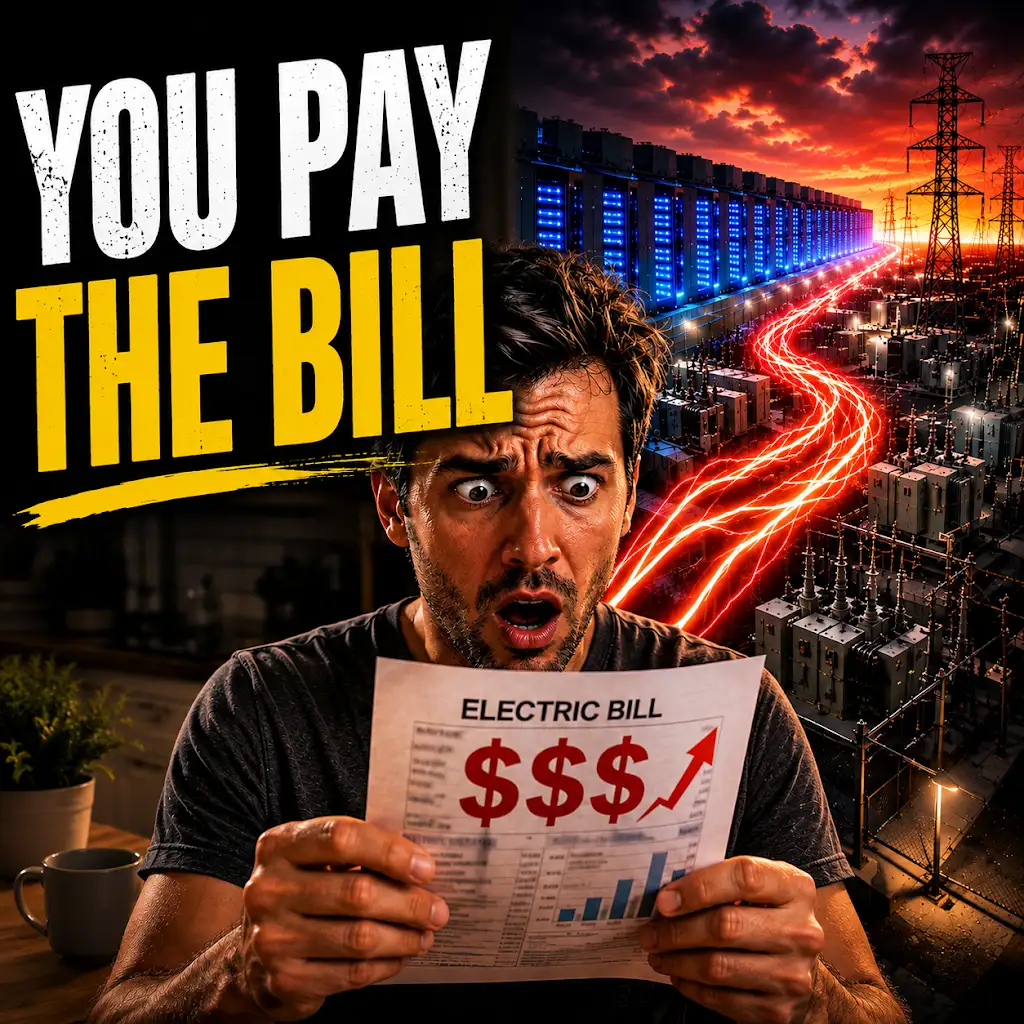
Is AI About to Make Your Electric Bill Even Higher?
FAQs
What are data centers?
Data centers are facilities that house computer systems and associated components, such as telecommunications and storage systems. They are used to store, process, and distribute large amounts of data for businesses and organizations.
How do data centers impact electricity rates?
Data centers can increase electricity rates in the areas where they are located due to their high energy consumption. The large number of servers, cooling systems, and other equipment used in data centers require significant amounts of electricity to operate, leading to higher demand and potentially higher rates for local residents and businesses.
What are the factors that contribute to increased electricity rates from data centers?
Several factors contribute to the increased electricity rates from data centers, including the high energy consumption of the equipment, the need for continuous cooling to maintain optimal operating conditions, and the overall demand for electricity in the area where the data center is located.
Are there any benefits to hosting a data center in a specific location?
Yes, hosting a data center in a location with lower electricity rates can help reduce operational costs for the data center owner. Additionally, some areas offer incentives or tax breaks for businesses that choose to build data centers in their region, which can offset some of the increased electricity costs.
What are some strategies for reducing the impact of data centers on electricity rates?
Some strategies for reducing the impact of data centers on electricity rates include implementing energy-efficient equipment and cooling systems, utilizing renewable energy sources, and participating in demand response programs to reduce energy consumption during peak times. Additionally, some data centers may explore options for energy cost management and efficiency improvements to mitigate the impact on electricity rates.